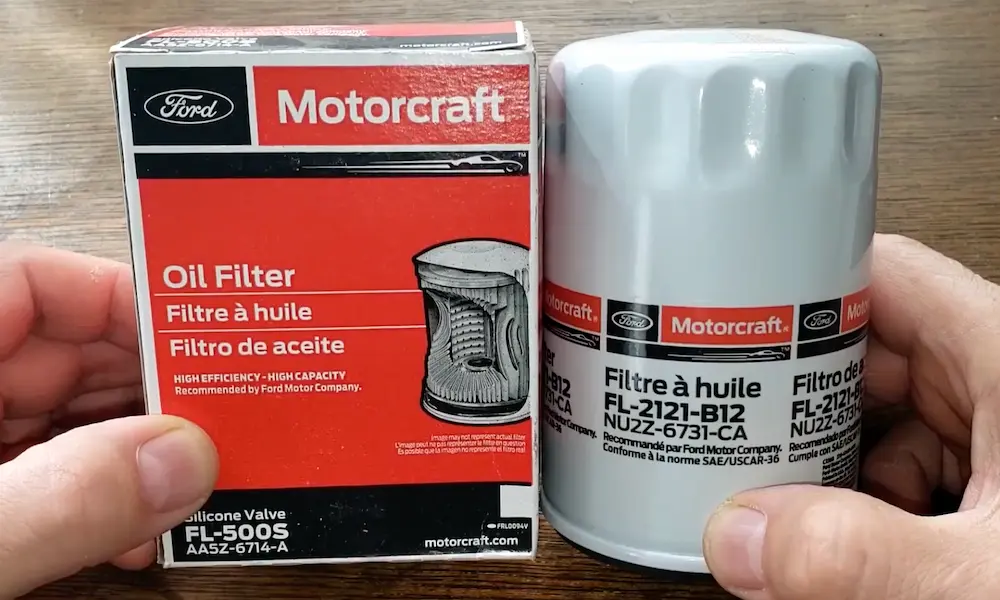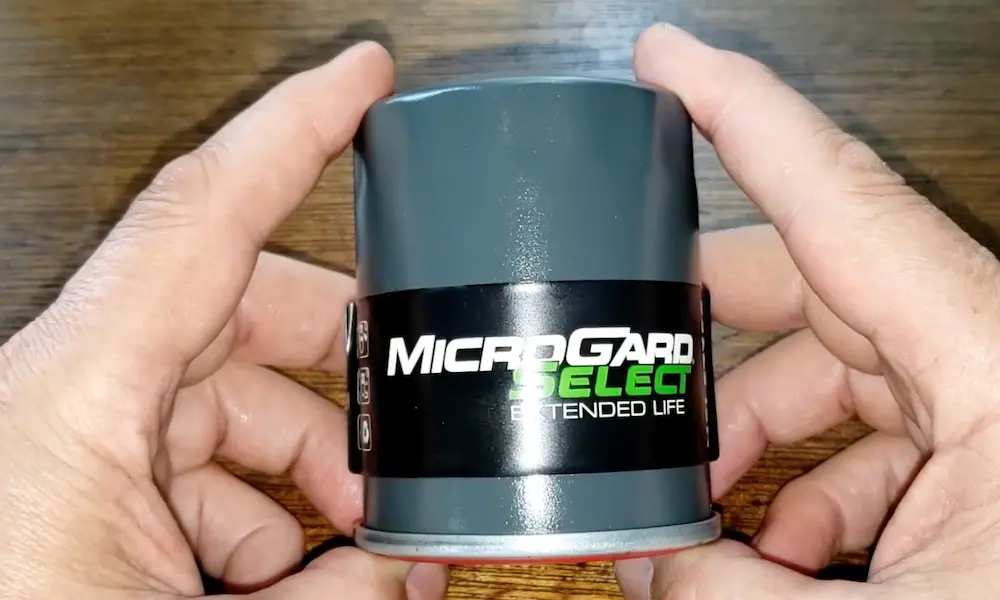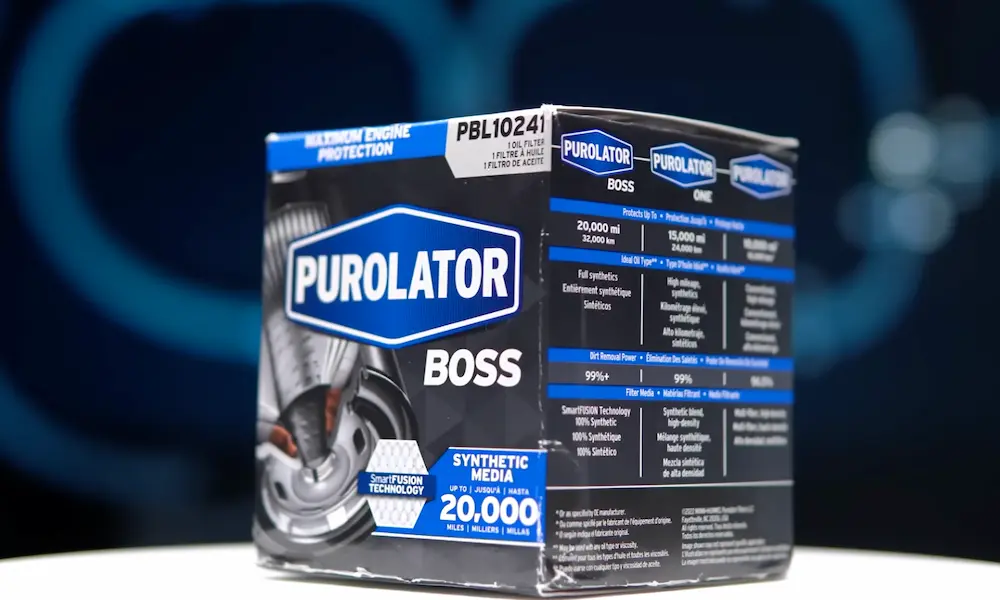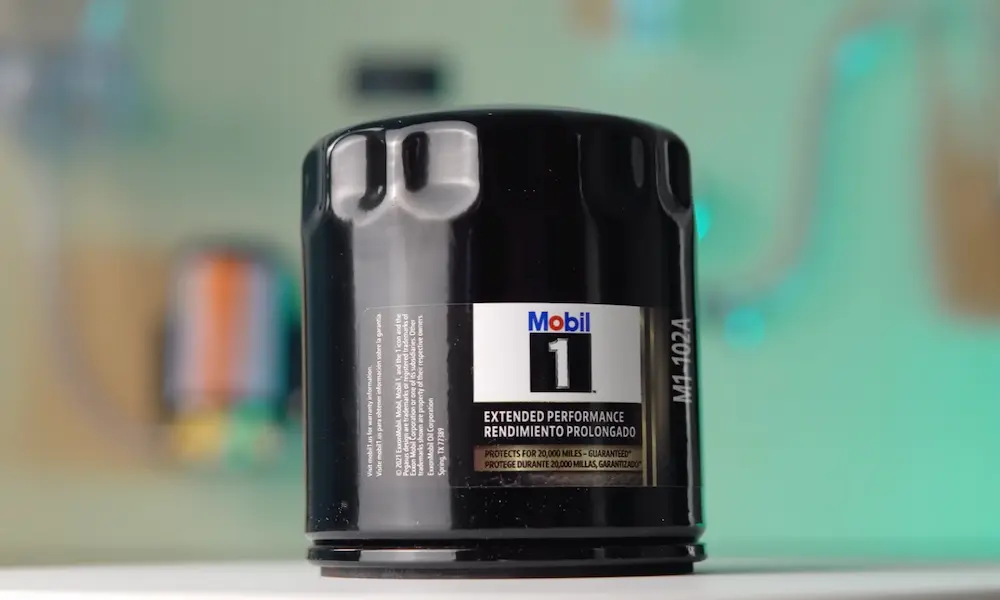
If you’re a Ford owner wondering who’s actually making those Motorcraft oil filters you’re buying, you’re asking the right question. The answer might surprise you—and it’s changed recently in ways that could affect your truck or car. Let’s cut through the confusion and get you the facts.
Who Actually Manufactures Motorcraft Oil Filters Today?
Here’s the straightforward answer: Mann+Hummel currently manufactures most Motorcraft oil filters, not Ford itself.
Ford Motor Company owns the Motorcraft brand and sets the quality specs, but they outsource the actual production. This isn’t unusual—most OEM parts work this way. What’s interesting is that Mann+Hummel also owns Purolator and Wix, meaning these “competing” brands come from the same parent company.
So when you’re shopping for filters, you’re often choosing between different quality tiers from the same manufacturer. Motorcraft sits as the basic OEM tier, Purolator occupies the middle ground, and Wix typically represents the premium offering—all under Mann+Hummel’s umbrella.
The Manufacturing Switch You Should Know About
This wasn’t always the case. Purolator manufactured Motorcraft filters for decades, from the 1980s through the 2010s. The shift to Mann+Hummel happened around 2024, and it’s created some ripples in quality that we’ll dig into later.
Ford launched Motorcraft back in the 1950s and formally reestablished it in 1972 after dropping the Autolite brand. For most of that history, you knew exactly what you were getting. The recent manufacturer change? That’s introduced some variability.
What Quality Standards Do Motorcraft Filters Meet?
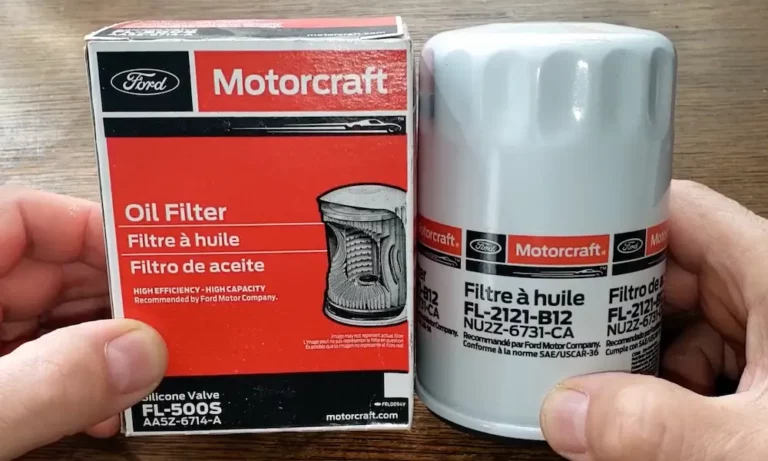
All Motorcraft oil filters made after January 1, 2017, meet the SAE USCAR-36 specification. Ford actually helped develop this standard, which requires 15 standardized tests covering filtration efficiency, durability, and performance.
The minimum requirement? 95% filtration of particles 30 microns and larger. That’s the baseline, though many premium filters exceed it.
Here’s what you’re getting with Motorcraft filters:
- Silicone anti-drain back valves rated from -75°F to +450°F
- Pressure relief valves that open during extreme cold or when filters clog
- Base-end bypass valve design on most models (prevents debris from entering your engine during bypass events)
- Cellulose or polyester media formulated for high-temperature efficiency
How This Compares to Premium Alternatives
The USCAR-36 spec is solid but not exceptional. It’s like meeting building code requirements—your house won’t fall down, but you might want better insulation.
When Motorcraft FL910S filters were compared to Wix XP filters, the differences became clear:
- Motorcraft uses cellulose/polyester blend media (80% efficiency at 20 microns)
- Wix XP uses full synthetic media (99% efficiency at 35 microns)
- Both performed similarly after 3,600+ miles of real-world testing
- Wix showed better pleat spacing and construction quality
- Motorcraft had excess glue residue visible in construction
The takeaway? Motorcraft filters do their job, but premium alternatives offer tighter filtration and cleaner construction.
Real-World Reviews: What Ford Owners Are Saying
Consumer feedback on Motorcraft filters is generally positive, with some important caveats. The popular FL500SW model carries a 4.7 out of 5-star rating on Walmart with 363 customer ratings. That’s respectable.
What people like:
- Exceptional quality for the price point
- Solid build that exceeds expectations
- Better value than quick-lube shop filters
- Reliable performance across multiple oil changes
About 64% of reviewers say they’d recommend the product, mostly citing “genuine Ford parts at great price” as their reason.
The Problem with Larger Filters
Here’s where things get concerning. The FL820S model—one of the larger filters—has drawn serious criticism from people who actually cut filters open to inspect them.
One detailed YouTube analysis revealed:
- Glue separation issues with endcap adhesive coming loose in chunks
- Inconsistent pleat spacing compared to older versions
- Decreased construction consistency suggesting manufacturing changes
- Risk of particulate contamination if glue fragments enter the engine
The reviewer, who previously used Motorcraft filters exclusively, stated he wouldn’t use them anymore and switched to WIX filters due to these quality concerns.
That’s not a casual complaint—that’s someone with technical knowledge making a calculated decision to protect their engine.
Filter Model Breakdown: Which Ones Hold Up?
Not all Motorcraft filters show the same quality issues. Here’s what you need to know about specific models:
FL910S (Small Filters)
These smaller filters consistently get praise. They’re well-constructed, provide good value, and maintain reliable performance. If you’re running a vehicle that uses this size, you’re probably fine sticking with Motorcraft.
FL400S (Medium Filters)
Adequate performance with moderate capacity. These show similar quality concerns to larger models but nothing as dramatic as the FL820S issues.
FL820S (Large Filters)
This is the problem child. Subject to the most quality concerns and significant price increases. Multiple experienced technicians recommend alternatives like Purolator Boss or Wix models for better construction quality on vehicles requiring this filter size.
FL1A and FL2016 (Diesel/Large Displacement)
These work fine but are considered “jobber tier at a premium price” by experienced techs. WIX equivalents offer better media quality and construction at similar or lower prices.
Common Complaints You Should Know About
Beyond the construction concerns, several issues keep popping up in reviews:
Fitment Problems
Some online sellers ship counterfeit or incompatible filters. Buyers report “wrong part shipped” situations on platforms like eBay and Walmart. On PowerStroke diesel engines, some aftermarket versions didn’t compress the spring properly, suggesting they weren’t genuine Motorcraft parts.
Always buy from reputable sellers. Saving $2 isn’t worth the risk of an ill-fitting filter.
Recent Quality Decline
Multiple sources from 2024-2025 indicate Motorcraft filter quality has declined from previous standards. This likely connects to the supplier change from Purolator to Mann+Hummel. The FL820S model specifically drew criticism for excessive glue application and filters that “could possibly be separated.”
Price Increases That Hurt
Motorcraft oil filter prices jumped substantially—from about $4 in late 2024 to $8-9 in spring 2025. That’s a 50-100% price increase over a few months, making them less attractive as budget options.
When quality drops and prices double simultaneously, it’s worth reconsidering your options.
Reliability Data: The Long-Term Picture
Despite recent concerns, long-term reliability data remains positive. Ford owners with extensive service histories report:
- 350,000+ miles using only Motorcraft filters with no rebuilds or gasket repairs
- Consistent performance across multiple oil change intervals
- Appropriate bypass performance during cold starts
- Adequate protection for standard and synthetic oil intervals
This suggests that while recent manufacturing changes raise concerns, Motorcraft filters aren’t catastrophically failing. They’re just not as good as they used to be.
Motorcraft vs. Premium Alternatives: The Comparison Table
| Feature | Motorcraft FL910S | Wix XP | Purolator Boss |
|---|---|---|---|
| Media Type | Cellulose/Polyester Blend | Full Synthetic | Synthetic Blend |
| Filtration Efficiency | 80% at 20 microns | 99% at 35 microns | 97% at 25 microns |
| Price Range | $6-9 | $8-12 | $7-10 |
| Construction Quality | Good (small filters) | Excellent | Very Good |
| Pleat Spacing | Adequate | Excellent | Very Good |
| Temperature Rating | -75°F to +450°F | -40°F to +300°F | -40°F to +300°F |
Should You Still Buy Motorcraft Filters?
For Ford owners seeking OEM-level performance at reasonable cost, Motorcraft filters remain viable—with conditions.
Stick with Motorcraft if:
- You’re using smaller models like the FL910S
- You change oil at standard intervals (not extended)
- You can verify authenticity from reputable sellers
- You’re getting them at pre-2024 pricing (under $6)
Consider alternatives if:
- Your vehicle requires FL820S or larger filters
- You’re running extended oil change intervals
- You want maximum filtration efficiency
- Wix or premium Purolator filters cost about the same
The shift from Purolator to Mann+Hummel manufacturing introduced quality variability that wasn’t previously present. While Mann+Hummel is reputable globally, this transition appears to have involved cost-reduction measures reflected in glue application and media spacing consistency.
Smart Buying Strategies for Ford Owners
Verify Authenticity
Counterfeit filters exist. Buy from Ford dealerships, reputable auto parts stores, or verified online sellers. Check that part numbers match your vehicle’s specifications exactly.
Stock Up on Older Production
If you find older-stock Motorcraft filters (pre-2024 manufacture dates), they may offer better quality than recently manufactured units. Some Ford enthusiasts are stockpiling proven batches.
Compare Prices Carefully
With recent price increases, Motorcraft filters don’t always offer the value they once did. Check Wix and Purolator pricing before automatically choosing Motorcraft.
Know Your Filter Size
Smaller Motorcraft filters maintain better quality than larger ones. If your engine uses FL910S or similar small filters, you’re safer staying with Motorcraft than if you need FL820S or FL1A sizes.
The Bottom Line on Motorcraft Manufacturing
Mann+Hummel makes Motorcraft oil filters, not Ford. This manufacturing arrangement delivers filters that meet minimum SAE USCAR-36 specifications and work adequately for standard maintenance.
However, recent supplier changes and cost-reduction measures have introduced quality concerns—particularly with larger filter models. The FL820S has documented construction issues that warrant consideration of alternatives.
For users prioritizing proven reliability without gambling on newer manufacturing runs, switching to Wix filters (also made by Mann+Hummel but engineered to premium specifications) represents a reasonable strategy. You’re getting the same manufacturer with better quality control.
The Motorcraft brand still carries Ford’s reputation, but the actual filters coming off production lines today aren’t the same ones your mechanic recommended ten years ago. That doesn’t make them bad—just different, and in some cases, not as good.
If you’re changing your own oil and doing regular maintenance, you’re already ahead of most vehicle owners. Choosing the right filter matters, but it matters less than actually changing your oil on schedule with quality oil.
Don’t overthink it, but don’t ignore the evidence either. Smaller Motorcraft filters? Still solid. Larger ones? Worth exploring alternatives that offer better construction for similar money.