You’re staring at rows of oil filters at the auto parts store, and that Mobil 1 box costs three times more than the basic options. Does premium pricing mean premium protection, or are you just paying for a fancy label? Let’s cut through the marketing fluff and look at what independent testing actually shows.
What Makes Mobil 1 Filters Different From Cheaper Options
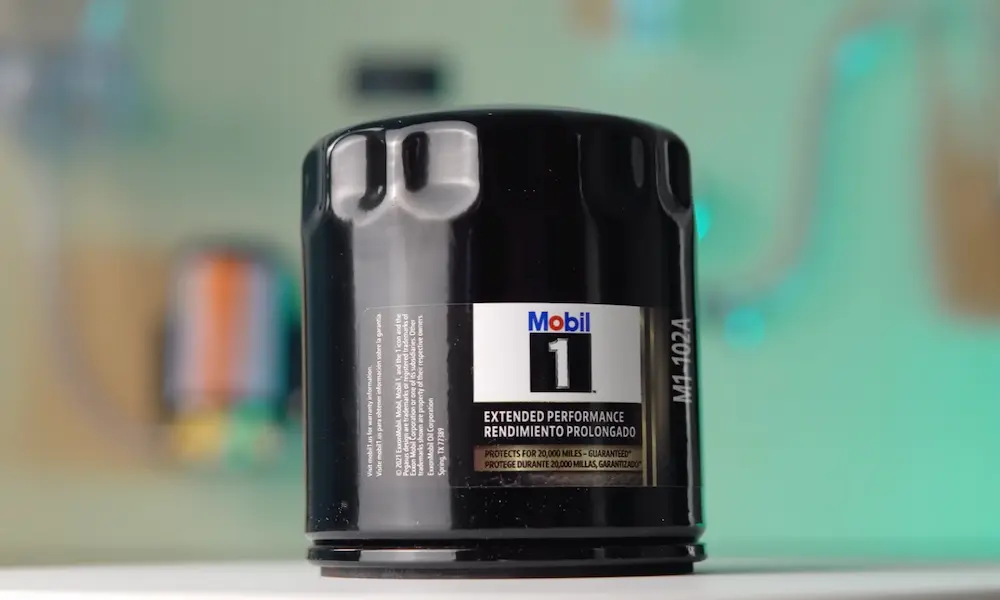
Mobil 1 Extended Performance filters pack synthetic blend media instead of the traditional cellulose paper you’ll find in budget filters. Think of it like comparing a coffee filter to a high-tech water purifier—both do the job, but one handles more dirt while keeping things flowing smoothly.
The big selling point? These filters claim to protect your engine for up to 20,000 miles or one year. That’s roughly four times longer than conventional filters.
Here’s what you’re actually getting:
- Synthetic blend filtration media that captures more gunk
- Heavy-duty canister rated for nine times normal oil pressure
- Enhanced nitrile gaskets designed to prevent leaks during extended service
- 99%+ filtration efficiency for particles 30 microns and larger
But here’s the catch—30 microns isn’t exactly cutting-edge. Fram Ultra Synthetic filters particles down to 20 microns, while Royal Purple goes even finer at 15 microns. So while Mobil 1 oil filters are good at what they do, they’re not the filtration champions.
Independent Lab Testing Results That Actually Matter
Let’s talk numbers from real engineering tests, not marketing brochures.
Brand Ranks conducted professional flow restriction testing that revealed something surprising. Mobil 1 filters showed the lowest pressure drop among premium brands—just 8.5 PSI at 11 gallons per minute. Compare that to Fram Ultra Synthetic hitting 24 PSI under the same conditions.
Why does this matter? Lower restriction means your oil pump works less, oil circulates better, and your engine stays happier during cold starts.
Real-World Dirt-Holding Capacity
Lab tests using standardized aluminum powder contamination showed Mobil 1 filters captured 48 grams of dirt before flow started dropping. That nearly matches Fram Ultra’s 50-gram capacity while maintaining significantly better oil flow.
Here’s how the competition stacks up:
| Filter Brand | Dirt Capacity (grams) | Pressure Drop (PSI) | Micron Rating |
|---|---|---|---|
| Mobil 1 Extended Performance | 48 | 8.5 | 30 |
| Fram Ultra Synthetic | 50 | 24 | 20 |
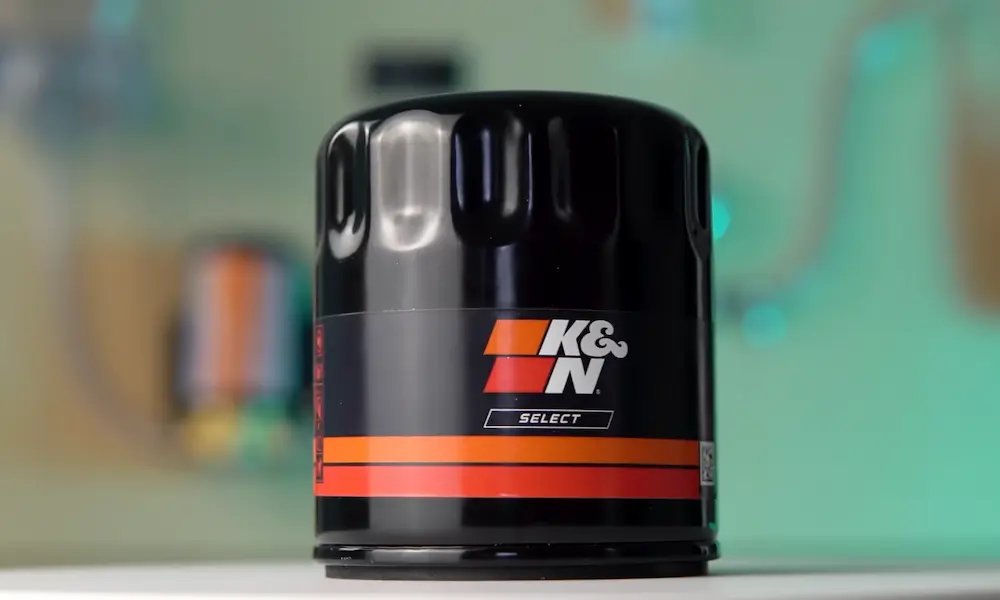
| K&N Performance | 25 | 21.1 | 25 |
| SuperTech | 25 | N/A | 30 |
The sweet spot Mobil 1 hits? Decent capacity with excellent flow. That’s valuable for high-performance engines and cold-weather operation.
The Manufacturing Change You Need to Know About
Here’s where things get interesting. As of 2025, Mobil 1 filters are now made exclusively by Highline Warren LLC, replacing previous manufacturers Champion Labs and Mann+Hummel.
The switch brought construction changes that’ve got mechanics talking. Current production filters feature plastic end caps and center tubes instead of the steel construction from earlier models. Some automotive forums are lighting up with concerns about cost-cutting measures.
Does this affect performance? Highline Warren maintains specifications remain unchanged. But professional testing identified one legitimate concern—the bypass valve design in newer filters requires excessive pressure to open and has restrictive opening dimensions.
Why the Bypass Valve Matters
Your bypass valve is like an emergency escape route. When oil gets too thick during cold starts or the filter media gets clogged, this valve opens to let unfiltered oil through rather than starving your engine of lubrication.
A sticky bypass valve in extreme cold? That’s not ideal. If you’re in Minnesota winters or running high-stress applications, this design quirk deserves consideration.
What 15,000+ Mile Oil Analysis Shows
Talk is cheap. Oil analysis results from Blackstone Labs tell the real story.
One documented test of Mobil 1 Extended Performance 5W-20 after 11,076 miles showed aluminum wear rates of just 1 ppm per 426 miles. The universal average? 1 ppm per 400 miles. That’s better-than-average engine protection during extended service intervals.
Multiple oil analysis reports confirm successful 15,000+ mile runs with acceptable wear metal levels and maintained oil cleanliness. The filters deliver on their extended-interval promises when paired with quality synthetic oil.
But here’s the reality check—you’re not getting 20,000-mile protection with conventional oil. That extended service capability only works with full synthetic lubricants.
Cost Analysis: Are You Getting Your Money’s Worth?
Mobil 1 Extended Performance filters typically cost $11-15. Budget options like ACDelco run $4-8, while basic Fram filters hit $3-5.
That’s a significant premium. Does it pencil out?
For 15,000-20,000 mile intervals: Absolutely. You’re buying one filter instead of three or four cheaper ones. The math works when you factor in convenience and labor costs.
For standard 3,000-5,000 mile changes: Probably not. You’re paying for extended-service capability you’re not using. Quality mid-tier options like Wix or Purolator PureOne offer comparable protection at lower cost for frequent changes.
Reddit discussions among mechanics consistently echo this sentiment. The premium pricing makes sense for specific applications, not as a universal recommendation.
The Warranty Protection Factor
Mobil 1 filters include comprehensive warranty coverage through Highline Warren for material and workmanship defects throughout the recommended service interval. That coverage extends up to 20,000 miles or one year for “A” suffix part numbers.
Budget filters don’t typically offer this protection level. It’s additional peace of mind if you’re pushing extended intervals.
Best Applications for Mobil 1 Filters
These filters genuinely excel in specific scenarios:
Extended drain intervals: If you’re running quality synthetic oil and want to stretch changes to 10,000-15,000 miles, Mobil 1 filters have the durability and capacity to match. Consumer experiences on Reddit confirm successful extended service when properly managed.
High-performance vehicles: The superior flow characteristics and reduced restriction benefit performance engines. Less pump stress and better circulation make a measurable difference.
Fleet applications: When you’re managing multiple vehicles, reducing maintenance frequency while maintaining protection saves time and money. The filters work well across various oil types including conventional, synthetic blend, and full synthetic.
Turbocharged engines: Better flow characteristics help maintain proper oil pressure under boost conditions.
Where Mobil 1 Filters Fall Short
Let’s be honest about limitations.
The 30-micron filtration efficiency trails competitors. If you want maximum particle removal, Royal Purple or Amsoil filters offer finer filtration. Engine oil filter comparison data shows several alternatives with superior micron ratings.
For everyday commuting with standard service intervals, you’re probably overpaying. A quality mid-tier filter does the job fine.
The manufacturing changes remain concerning for some professionals. While performance testing shows filters still meet specifications, the move to plastic components and redesigned bypass valves represents cost optimization that doesn’t inspire confidence.
One documented warranty claim case involving a 2015 Infiniti Q50 highlighted application compatibility issues. The claim was denied based on improper filter selection rather than defect, but it underscores the importance of verifying correct applications.
How They Compare to Direct Competitors
Looking at premium filter alternatives:
Fram Ultra Synthetic: Better micron rating (20 vs. 30), slightly higher dirt capacity, but significantly worse flow restriction. You’re trading flow for finer filtration.
K&N Performance: Similar price point, worse dirt capacity (25 grams vs. 48 grams), higher flow restriction. Generally not competitive with Mobil 1 in testing.
Wix XP: Comparable pricing and performance with traditional steel construction. A solid alternative if you’re concerned about Mobil 1’s manufacturing changes.
Royal Purple: Superior micron rating (15) but higher cost. Best for applications requiring maximum filtration efficiency.
Practical Recommendations Based on Your Situation
Buy Mobil 1 filters if:
- You’re running extended drain intervals (10,000+ miles) with synthetic oil
- You’ve got a high-performance or turbocharged engine
- You value the convenience of less frequent maintenance
- You want proven extended-interval capability backed by testing
Skip them if:
- You’re changing oil every 3,000-5,000 miles
- You’re on a tight budget
- You need the absolute finest filtration (look at Royal Purple)
- You’re concerned about recent manufacturing changes (consider Wix XP)
For cold-climate drivers: The bypass valve concerns warrant consideration. If you regularly see sub-zero temperatures, you might want filters with traditional stamped steel bypass valves.
The Bottom Line on Quality and Value
So, are Mobil 1 oil filters good? Yeah, they’re legitimately good filters backed by solid engineering and independent testing results. The flow characteristics outperform most competitors, dirt-holding capacity competes well in the premium segment, and real-world extended service results validate the marketing claims.
But “good” doesn’t automatically mean “right for you.” The premium pricing only makes sense if you’re actually using the extended-service capability or need the flow advantages for high-performance applications.
For standard maintenance schedules, quality alternatives deliver comparable protection at lower cost. The recent manufacturing changes introduce some legitimate concerns about cost optimization that might push mechanics toward alternatives with traditional construction.
The filters work well when properly matched to their intended applications. They’re not miracle workers, but they’re not overpriced marketing hype either. Know what you need, understand what you’re paying for, and make the call based on your specific situation rather than brand loyalty.