Ever grabbed a Carquest filter off the shelf and wondered who actually made it? The brand name tells you nothing about what’s inside. This post breaks down the real manufacturer behind Carquest oil filters, what changed over the years, and which tier is right for your car.
The Short Answer: Mann+Hummel Makes Carquest Oil Filters
As of 2024–2025, Mann+Hummel is the primary manufacturer of Carquest oil filters. This German filtration giant owns both Wix and Purolator, and it uses that combined infrastructure to produce Carquest filters—many of them at Purolator’s domestic plants in Fayetteville, North Carolina.
That’s the headline. But the full story is more interesting.
How Carquest Filters Got Here: A Quick History
The Carquest brand didn’t always belong to Mann+Hummel. It went through a few hands before landing where it is today.
The Wix Era
For decades, Carquest filters were essentially rebranded Wix products. Wix, founded in 1939 in Gastonia, North Carolina, invented the spin-on oil filter in 1954. That invention changed how mechanics changed oil forever.
During this period, Carquest’s Blue and Professional lines were built to the same specs as Wix premium filters—heavy-gauge steel canisters, louvered center tubes, and quality filtration media. Many old-school mechanics still associate Carquest with that Wix-era quality, and honestly, that reputation isn’t misplaced.
The Champion Laboratories Period
Before Mann+Hummel took over, Champion Laboratories produced some Carquest filters. Champion is one of the largest private-label filter manufacturers in the world. During this phase, some Carquest filters used the “Ecore” design—a high-strength nylon cage instead of a traditional metal center tube. The design improved oil flow and reduced manufacturing waste, though it raised a few eyebrows among purists.
The Mann+Hummel Takeover
In 2016, Mann+Hummel acquired the Affinia Group, which owned Wix. Combined with its existing ownership of Purolator, Mann+Hummel now runs one of the most integrated filtration networks on the planet. Carquest, sold through Advance Auto Parts, falls under that umbrella. This transition solidified Carquest’s position as a technically competitive brand rather than a generic store label.
The Three Carquest Filter Tiers Explained
Carquest uses a three-tier system. Each tier targets a different driver, service interval, and budget. Here’s how they stack up:
| Specification | Standard (Red) | Premium (Blue) | Extended Performance (EP) |
|---|---|---|---|
| Service Life | Up to 5,000 miles | Up to 10,000 miles | Up to 20,000 miles |
| Media Type | Cellulose | Synthetic Blend | 100% Synthetic |
| Filtration Efficiency | 95–99% @ 30 microns | 99.5% @ 20 microns | 99%+ @ 20 microns |
| Anti-Drainback Valve | Nitrile rubber | Silicone | High-grade silicone |
| End Cap Material | Metal or fiber | Solid metal | Solid metal / reinforced |
| Manufacturer Code | RFI | CFI | CFI / EP Series |
| Best For | Conventional oil, budget shops | Synthetic oil, modern engines | Extended drains, high-stress use |
Carquest Standard (Red Line)
The Standard line carries the “RFI” manufacturer code and uses cellulose media. It handles traditional 3,000–5,000 mile intervals just fine, making it a solid pick for budget oil change services.
The catch? It uses a nitrile rubber anti-drainback valve. Nitrile gets brittle over time, especially in turbocharged engines that run hot. Don’t push this filter past its rated interval, and don’t run it with full synthetic oil on an extended drain schedule.
Some Standard (Red) filters are also sourced from China for high-volume part numbers, which reflects the cost-competitive nature of the economy filter market.
Carquest Premium (Blue Line)
The Premium (Blue) line is the sweet spot for most drivers. It carries the “CFI” manufacturer code and is engineered for 10,000-mile intervals with synthetic oil.
Here’s what makes it worth the upgrade:
- Synthetic blend media captures particles down to 20 microns at 99.5% efficiency—small enough to protect camshafts and bearings from abrasive wear
- Silicone anti-drainback valve stays flexible across a wide temperature range, preventing dry starts after the car sits overnight
- Solid metal end caps and heavy-gauge steel canister handle the pressure spikes of modern high-flow oil pumps
- Precision-tuned bypass valve keeps oil flowing even when the media loads up with contaminants
A recent internal change—sometimes called a “running change” in tech circles—upgraded the valve from nitrile to silicone. If you’re buying new stock, you’re almost certainly getting the silicone version.
Carquest Extended Performance (EP Line)
The EP line sits at the top of the Carquest lineup. It’s rated for up to 20,000 miles and pairs best with full synthetic oil.
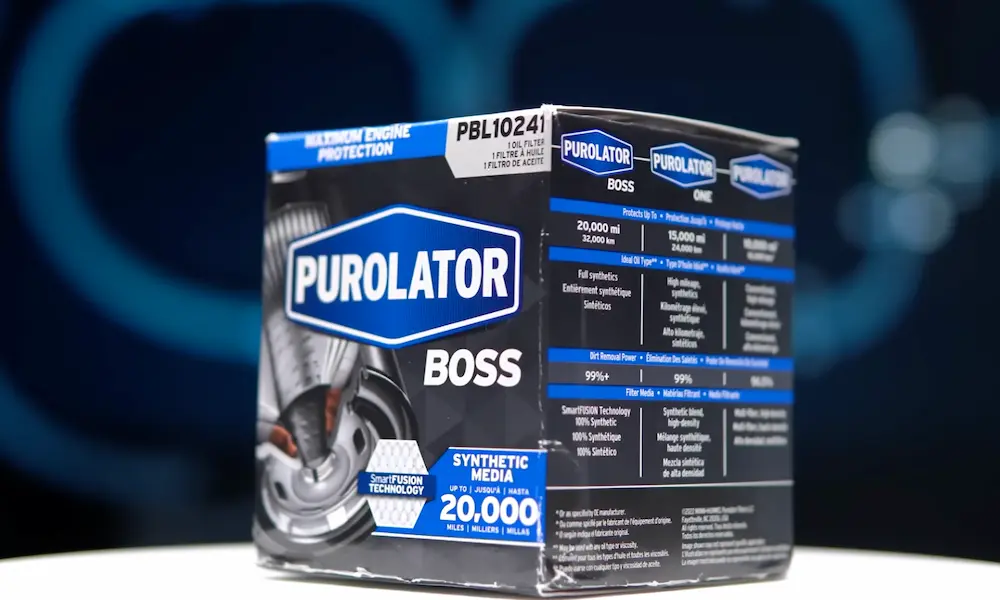
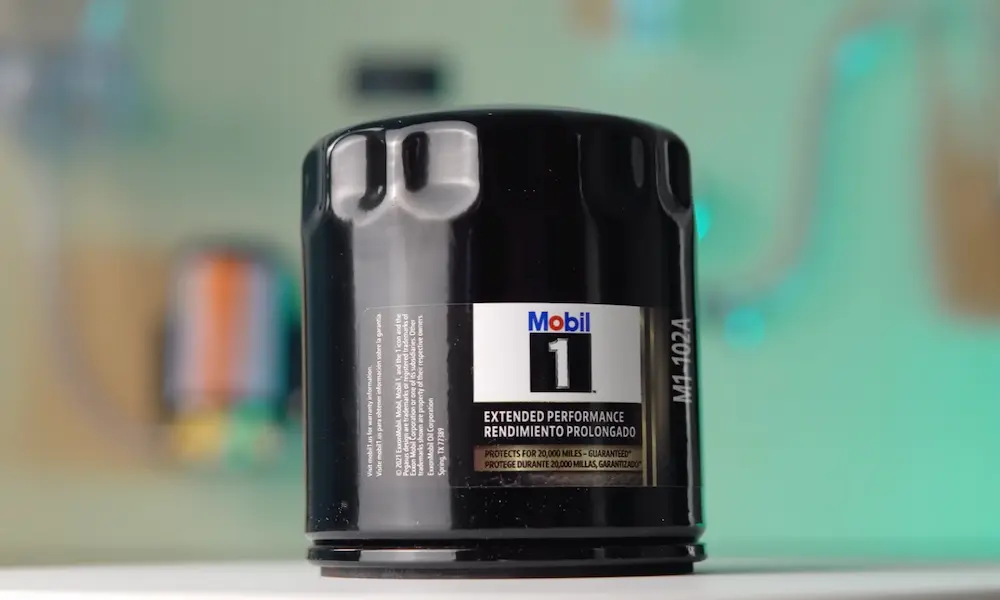
The 100% synthetic media often includes a wire-mesh backing to prevent pleat collapse under high oil flow rates. This design mirrors what you’ll find in filters like the Purolator Boss and Mobil 1 Extended Performance. If you’re towing regularly, doing heavy city driving, or want to maximize drain intervals, this is your filter.
Where Are Carquest Filters Actually Made?
Manufacturing is distributed across several locations depending on the filter type and tier.
North America: Most spin-on Carquest filters sold in the U.S. come from Purolator’s plants in North Carolina. These facilities use high-speed automation and meet strict SAE standards.
Poland: European vehicle applications—Volkswagen Group, BMW, Mercedes-Benz—often source from Mann+Hummel’s Polish facilities. Reddit users in the TDI community have noted that these cartridge filters are often identical to OEM Mann-Filter parts, stamped “Made in Poland.”
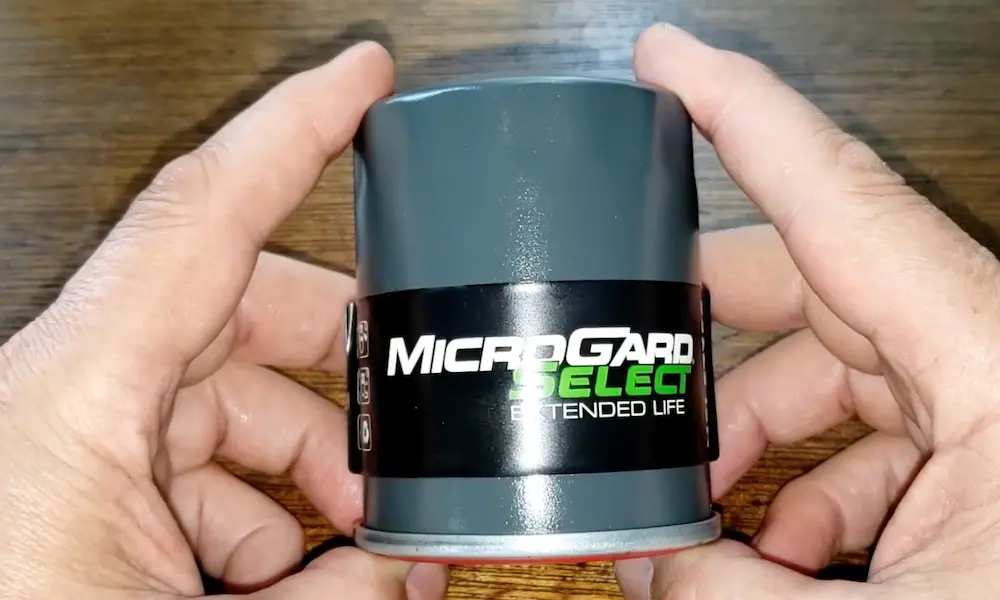
Vietnam and China: Some Premium sub-lines are produced in Vietnam, potentially sharing production lines with Microgard Select and NAPA Gold. The economy Red line frequently sources from China.
How Carquest Compares to Other Brands
Carquest vs. Motorcraft
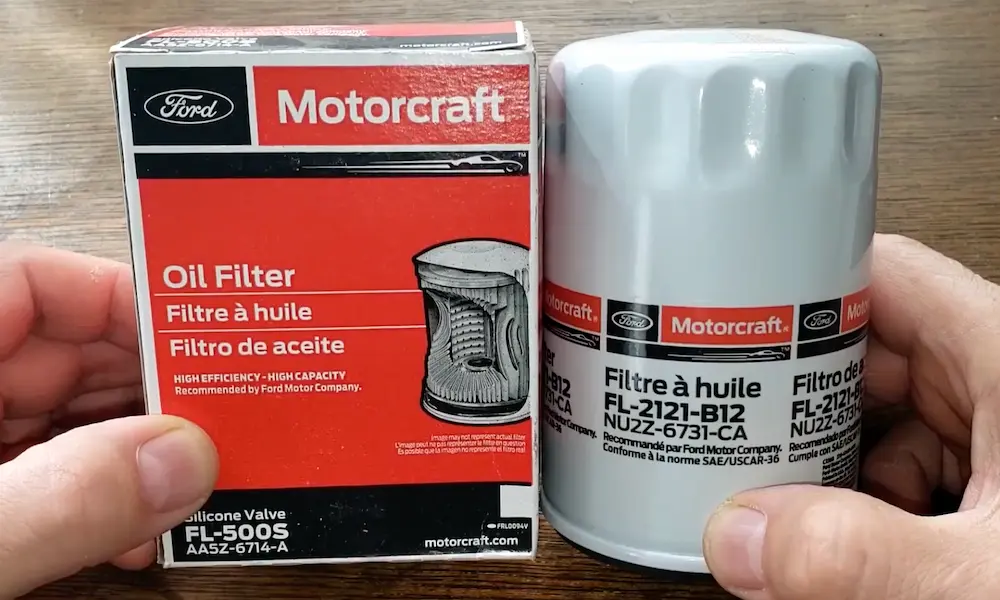
These two are practically twins. Both come from the Mann+Hummel/Purolator network. Teardown comparisons of the Carquest 84502 and the Motorcraft FL-500S show nearly identical base plate patterns and silicone valves. Motorcraft focuses on Ford applications. Carquest covers a broader vehicle range with the same build quality.
Carquest vs. NAPA Gold
They used to be the same filter. Both were Wix-manufactured to identical premium standards. That’s no longer true. NAPA has shifted sourcing toward Premium Guard (PGI) and other global suppliers. The internal design of NAPA Gold has changed as a result. Carquest Premium (Blue) currently aligns more closely with the “classic” Wix and Purolator PureOne designs that mechanics trusted for years.
Carquest vs. FRAM Extra Guard
The biggest knock on FRAM’s entry-level line has always been the fiber (cardboard) end caps. Carquest Premium and EP both use solid metal end caps, which hold up better under sustained pressure. Most professional techs prefer metal end caps for shop work. Modern fiber caps can meet OE service life requirements, but for demanding applications, metal wins.
You can watch engineers put popular oil filters through rigorous testing on YouTube if you want to see the internal differences firsthand.
What the Manufacturer Codes Tell You
The code stamped on the canister or packaging identifies who built it and to what standard:
- CFI (Carquest Filters): This is the premium designation. CFI-coded filters meet Carquest’s top-tier specs, often using Purolator-style components and Mann+Hummel engineering. You’ll find this on Premium and EP filters.
- RFI (Carquest Red Filters): This marks the Standard economy tier. Lower-cost materials, shorter service life, entry-level protection.
Carquest filters also carry a date stamp in “YYDDD” format. A stamp reading “24180” means the filter was made on the 180th day of 2024. Useful if you’re buying old stock or tracking down a production batch.
Does Using a Carquest Filter Void Your Warranty?
No. The Magnuson-Moss Warranty Act prevents automakers from voiding your warranty just because you used an aftermarket filter—as long as that filter meets the required performance standards. Carquest filters are engineered and tested to SAE and ISO specifications, so they satisfy that requirement.
Advance Auto Parts also backs the Carquest brand with a limited warranty that covers:
- Free replacement of any filter that fails due to a manufacturing defect within the rated service interval
- Engine damage coverage if a defective filter is determined to have caused direct engine damage
- Verification process where Advance’s technical team examines the filter and engine before approving a damage claim
That last point matters for shops using Carquest exclusively—it provides real financial protection if something goes sideways.
Which Carquest Filter Should You Buy?
Here’s a simple way to think about it:
- Running conventional oil on a tight budget? Grab the Standard (Red). Change it by 5,000 miles.
- Using synthetic oil in a modern engine? Go with the Premium (Blue). It’s rated for 10,000 miles and the silicone valve protects your engine at start-up.
- Towing, extended drains, or high-mileage vehicle? The Extended Performance (EP) line gives you 20,000-mile protection with fully synthetic media.
Most drivers land in the Premium (Blue) category. It’s the right balance of cost and protection for everyday synthetic oil use, and its Mann+Hummel manufacturing lineage puts it on the same level as Motorcraft and classic Wix filters—brands that have earned serious trust on the shop floor.