If you’re standing in the auto parts aisle wondering whether AC Delco oil filters are worth your money, you’re asking the right question. These mid-range filters deliver solid performance without breaking the bank, especially if you’re driving a GM vehicle. Let’s cut through the marketing noise and see what’s actually inside these orange and white boxes.
What Makes AC Delco Oil Filters Different?
AC Delco oil filters sit comfortably in the middle-tier quality zone. They’re not premium filters, but they’re not bottom-shelf either. Champion Laboratories makes them—the same company that produces FRAM, Mobil 1, and even Walmart’s SuperTech filters.
Here’s the interesting part: AC Delco filters are the OEM (Original Equipment Manufacturer) filters for General Motors vehicles. That means they meet GM’s engineering specifications and come standard on everything from Silverados to Corvettes.
The filtration efficiency hits 98-99% at 25-30 microns. For context, a micron is one-millionth of a meter—about 70 times smaller than a human hair. This efficiency level won’t win any awards, but it’ll protect your engine just fine during normal driving conditions.
The Construction Quality That Actually Matters
Let’s talk about what’s inside these filters because that’s where the real story lives.
The Nylon Core Advantage
AC Delco uses a nylon polymer core instead of the traditional metal core you’ll find in most filters. The company claims it’s 1.5 times stronger than metal cores, which allows for better oil flow. The spiral perforated center tube has wide spacing that maximizes flow and can handle over 75 PSI pressure differential.
In plain English? Your oil moves through the filter more easily, which means your engine gets the lubrication it needs faster.
Welded End Caps vs. Glued
Here’s something you won’t see advertised much: AC Delco uses ultrasonically welded synthetic end caps. Most cheaper filters glue their end caps on, which can introduce adhesive contamination into your oil. It’s a small detail that makes a real difference.
Multiple independent teardown videos show AC Delco filters have minimal excess adhesive inside. That’s the kind of clean construction you want when something’s protecting your $30,000 investment.
Built Like a Small Tank
The filter shell is thicker than most competitors. It offers burst strength five times greater than typical engine oil operating pressures. There’s also a double-lock seam between the shell and retainer plate for extra structural integrity.
Translation: These filters won’t fail under pressure. GM ships their 720 HP and even 1000 HP big-block Chevrolet crate motors with AC Delco filters. If they’re good enough for those monsters, they’ll handle your daily driver.
Where AC Delco Falls Short
No filter is perfect, and AC Delco has a few limitations worth knowing about.
The Anti-Drain Back Valve Compromise
AC Delco uses nitrile rubber for their anti-drain back valves instead of silicone. The anti-drain back valve keeps oil in your engine when it’s shut off, so you don’t get that horrible dry start when you fire it up again.
Nitrile rubber works fine for normal conditions, but silicone performs better in extreme temperatures—both hot and cold. Premium filters from Wix, Mobil 1, and Bosch use silicone valves. It’s not a dealbreaker for most drivers, but it’s worth noting if you live in Death Valley or Alaska.
Good Filtration, Not Great Filtration
At 98% efficiency for 25-30 micron particles, AC Delco filters are respectable but not class-leading. Compare that to Mobil 1’s 99.6-99.7% efficiency at 20-25 microns, and you can see the difference.
Does this matter for your Tuesday morning commute? Probably not. But if you’re extending oil changes beyond 7,500 miles or running a turbocharged engine, those extra percentage points start to count.
Stamped Steel vs. Coil Spring
The AC Delco Professional series uses a stamped steel retainer instead of a coil spring to hold pressure on the filter element. Coil springs provide more consistent pressure under varying conditions, but the stamped steel design gets the job done for most applications.
AC Delco’s Two Product Lines Explained
AC Delco sells two different filter lines, and knowing the difference can save you money or headaches.
Professional (Gold) Series
This is the standard offering, typically priced between $4-8. These filters feature the nylon core, ultrasonically welded end caps, and provide solid performance for normal driving.
Here’s a fun fact that might annoy you: AC Delco Professional filters are virtually identical to Walmart’s SuperTech filters. Same manufacturer, same assembly line, same nylon core design. The main difference? AC Delco costs about twice as much.
Multiple teardown videos confirm this. If you’re not emotionally attached to the AC Delco brand, SuperTech gives you the same protection for half the price.
UltraGuard Gold Series
The premium offering runs about $8-10. These filters step up the construction quality with:
- Thicker steel canisters (approximately 0.59mm) for increased burst strength up to 400 PSI
- More robust construction recommended for racing, off-roading, or severe duty applications
- Steel end caps with hot-melt adhesive
If you tow heavy loads, race on weekends, or just want the peace of mind that comes with maximum durability, the extra $3-5 makes sense.
How AC Delco Stacks Up Against the Competition
Let’s see how these filters perform when compared to other popular brands.
AC Delco vs. Wix
Wix filters consistently win in independent teardown comparisons, but AC Delco holds its own in specific areas.
Wix advantages:
- More filter media (40-90 more square inches)
- Better anti-drain back valve (silicone vs. nitrile)
- Finer filtration (99% at 23 microns vs. 25-30 microns)
- Coil spring for consistent element pressure
AC Delco advantages:
- Thicker canister in many comparisons
- Nylon core claimed to allow better flow
- Lower price ($4-8 vs. $8-12)
- Cleaner construction with minimal excess adhesive
The choice comes down to priorities. If you want maximum filtration and don’t mind spending an extra $4-6 per oil change, go with Wix. If you want solid protection at a better price point, AC Delco delivers.
AC Delco vs. Mobil 1
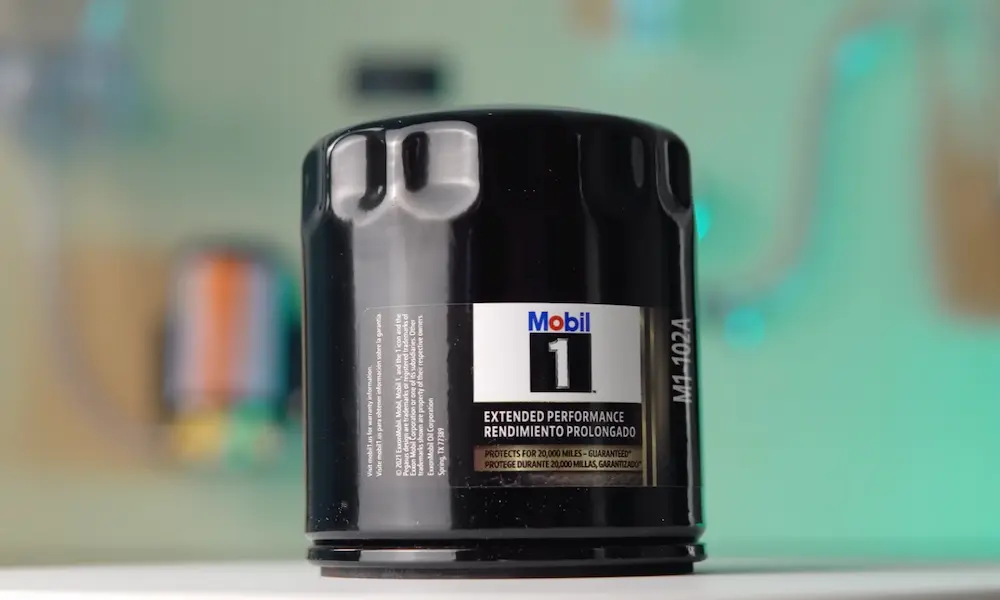
Mobil 1 filters represent the premium tier, and they’re also made by Champion Labs—just with higher-grade components.
| Feature | AC Delco Professional | Mobil 1 Extended Performance |
|---|---|---|
| Filtration Efficiency | 98% at 25-30 microns | 99.6-99.7% at 20-25 microns |
| Filter Media | Good quantity | Up to 225 square inches |
| Dirt-Holding Capacity | Standard (~12 grams) | 28 grams |
| Anti-Drain Back Valve | Nitrile rubber | Silicone |
| Price Range | $4-8 | $10-15 |
Mobil 1 filters offer measurably better performance, but they cost nearly twice as much. For extended oil change intervals or high-performance engines, that extra investment makes sense. For regular maintenance schedules, AC Delco provides adequate protection.
AC Delco vs. SuperTech
This comparison is almost embarrassing for AC Delco’s marketing team. SuperTech and AC Delco Professional filters are essentially the same product with different labels.
Same manufacturer. Same nylon core. Same filter media construction. Same nitrile rubber anti-drain back valve. Nearly identical dimensions and pleat counts.
The only real difference? Price. SuperTech runs $2-5 while AC Delco costs $4-8.
Unless you specifically need an OEM filter for warranty purposes or you’re loyal to the AC Delco brand, SuperTech gives you identical protection for roughly half the cost.
Real-World Performance Data
Theory is great, but how do these filters actually perform in real engines?
What Works Well
GM uses AC Delco blue filters on high-performance vehicles including Corvettes, Camaros, and supercharged engines making over 600 HP. That’s not a marketing claim—it’s what ships from the factory.
Used oil analysis from filters in service for 5,000-10,000 miles shows clean filter media with good dirt retention. The filters maintain structural integrity and the anti-drain back valve keeps functioning even at extended intervals.
One user reported running AC Delco filters on multiple vehicles for years without issues. Another mentioned they’re the go-to choice for fleet maintenance because they balance cost and reliability.
Reported Problems (They’re Rare)
No product is perfect, and AC Delco has had some issues:
In 2023-2024, AC Delco redesigned certain cartridge filters (PF46 series), causing confusion and some initial quality control issues with improperly assembled filters. Some users received filters that didn’t fit properly or had components that seemed lower quality than previous purchases.
There are rare reports of filters causing low oil pressure, possibly due to bypass valve malfunction or clogged media. One user documented a filter that appeared defective and caused engine problems.
These issues represent a small minority of user experiences. Most problems trace back to specific production batches or design transitions rather than systemic quality failures.
What the Experts Say
Independent automotive experts and testing organizations provide generally positive assessments.
Researcher Russ Knize, a respected oil filter analyst, praises AC Delco filter design and lists them as one of only three budget brands he’d consider buying. He specifically cites the deep filtration media pleats, substantial filter media surface area, and quality nitrile rubber anti-drain back valve.
SlashGear’s ranking of 21 popular oil filter brands places AC Delco at number 2 overall. They note the impressive 98% capture efficiency, strong nylon cores, and reasonable pricing.
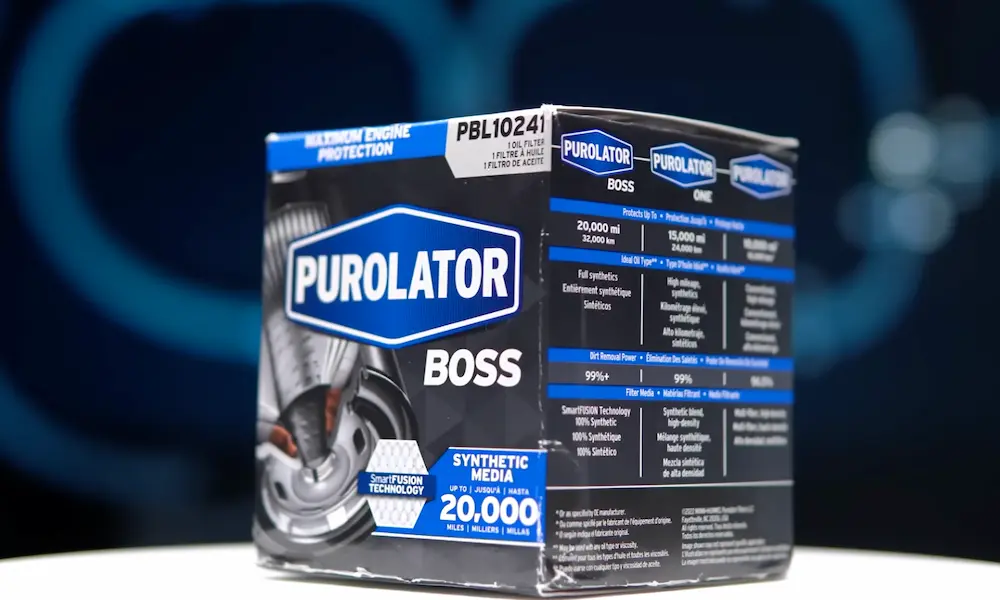
Multiple YouTube channels that conduct filter teardowns consistently rate AC Delco filters as good mid-range performers. The construction quality notably beats budget options like FRAM but doesn’t quite match premium filters like Mobil 1, K&N Performance, or Purolator Boss.
Getting the Best Value for Your Money
AC Delco filters represent excellent value at their price point. At $4-8, they cost significantly less than premium filters ($10-18) while providing adequate protection for normal driving conditions.
However, the SuperTech situation complicates the value proposition. Since they’re essentially identical products, SuperTech offers better value unless you need the AC Delco brand specifically.
Here’s a quick decision guide:
Choose AC Delco Professional if:
- You drive a GM vehicle and want OEM filters
- You follow standard 3,000-5,000 mile oil change intervals
- The price difference from SuperTech is negligible ($1-2)
- You prefer established brand names
Choose AC Delco UltraGuard Gold if:
- You engage in racing or performance driving
- You frequently off-road or tow heavy loads
- You want maximum burst strength and durability
- The additional $3-5 cost is acceptable
Consider upgrading to premium filters if:
- You extend oil change intervals beyond 7,500 miles
- You drive in extreme conditions (racing, off-roading, extreme temps)
- Your vehicle operates in dusty or dirty environments
- You have a turbocharged or high-performance engine
- You want the finest possible filtration (20 microns or better)
Consider switching to SuperTech if:
- You want identical performance for half the price
- Brand names don’t matter to you
- You’re not concerned about warranty requirements
The Bottom Line on AC Delco Filters
Are AC Delco oil filters good? Yes, they’re solid performers that provide reliable filtration at a reasonable price.
They offer clean construction with ultrasonically welded components, strong nylon cores with excellent flow characteristics, and burst strength that exceeds normal operating pressures. The main limitations are nitrile rather than silicone anti-drain back valves and slightly coarser filtration compared to premium filters.
For GM vehicle owners, AC Delco filters represent a smart OEM choice that balances quality and cost effectively. For drivers of other brands, they’re a perfectly acceptable option—though SuperTech offers identical performance at roughly half the cost.
The key is matching the filter to your specific needs. For normal driving with regular oil changes, AC Delco Professional filters provide all the protection your engine needs. For extended drain intervals, severe service, or maximum protection, investing in premium alternatives like Wix or Mobil 1 makes more sense.
Don’t overthink it. AC Delco filters will keep your engine running smoothly without emptying your wallet. They’re not the absolute best, but they’re far from the worst—and sometimes, that’s exactly what you need.