If you’re standing in AutoZone wondering whether that STP oil filter is worth grabbing, you’re asking the right question. Let’s cut through the marketing noise and figure out if STP filters actually protect your engine or if you’re better off spending your money elsewhere.
Who Actually Makes STP Oil Filters?
STP filters come from Champion Laboratories Inc., a major Illinois-based manufacturer that’s been cranking out filters since 1970. Champion Labs doesn’t just make STP filters—they produce over 100 different private-label filters for various brands and even supply some original equipment manufacturers.
Here’s what matters: Champion Labs has serious manufacturing experience. They’ve got facilities in Michigan, South Carolina, and internationally. This isn’t some fly-by-night operation slapping filters together in a garage.
But manufacturing pedigree doesn’t automatically equal quality. Let’s dig into what you’re actually getting.
How STP Filters Are Built
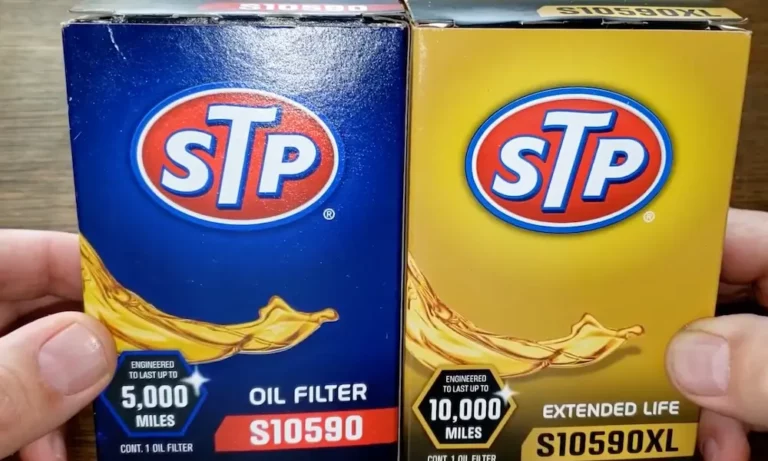
STP offers two main product lines, and the construction quality differs significantly between them.
Standard Blue-Can Filters
The basic STP filters use cellulose-based filter media—think paper—with metal end caps and center tubes. It’s functional construction that gets the job done without any fancy features. These filters provide about 95% efficiency at catching particles between 25-30 microns.
Extended Life (XL) Series
The Extended Life series steps things up with synthetic blend media combining cellulose and synthetic fibers. This upgrade achieves 99% efficiency at 20 microns, matching many premium competitors.
But here’s where it gets interesting: the Extended Life filters use engineered end caps instead of traditional metal ones. Some users have noticed these caps appear smaller and might not fully cover the filter pleats. This design choice likely saves money but raises questions about long-term durability.
The bypass valve—the safety mechanism that lets oil flow even if the filter clogs—typically operates between 15-21 PSI. That’s within normal range, though some competitors use lower pressures.
Testing Results: Where STP Succeeds and Stumbles
Filtration Efficiency: Solid Performance
Laboratory testing confirms that STP Extended Life filters hit their claimed 99% efficiency at particles larger than 20 microns. That’s genuinely good performance that matches many premium options.
The synthetic blend media holds up well throughout the filter’s service life, resisting breakdown better than pure cellulose options. Multi-pass testing shows consistent efficiency from start to finish.
But—and this is important—STP achieves this rating at 20 microns. Top-tier filters can hit 99% efficiency at 10-15 microns, catching smaller particles that STP lets through.
Flow Restriction: The Big Problem
Here’s where things get concerning. Independent testing revealed that STP filters restrict oil flow more than most competitors.
At normal operating temperatures, STP filters showed 1.4 PSI differential pressure at 3 gallons per minute, jumping to 9.9 PSI at 11 gallons per minute. These aren’t catastrophic numbers, but they indicate meaningful flow restriction, especially during high-RPM driving.
Cold weather makes it worse. Testing with oil at 38°F showed STP filters producing 16 PSI differential pressure at low flow rates, climbing to 38.6 PSI at higher flows. This restrictive behavior could trigger the bypass valve, allowing unfiltered oil to circulate—exactly what you don’t want.
Capacity and Dirt-Holding Ability
Capacity testing using standardized dust loading showed STP filters reaching their maximum pressure increase threshold relatively quickly compared to premium alternatives. This doesn’t mean they fail catastrophically, but it suggests you might need more frequent changes in dusty or severe service conditions.
The Extended Life series claims up to 10,000 miles of protection with synthetic oil. That’s possible under ideal conditions, but real-world performance varies dramatically based on your driving habits and environment.
Real-World Experience: What Users Report
Installation and Compatibility
STP filters fit properly on their designated applications with standard threading and gasket specs. The anti-drainback valves prevent oil from draining when the engine shuts off, though performance here is inconsistent. Extended Life models use silicone anti-drainback valves, which handle temperature changes better than the nitrile rubber in basic models.
Installation is straightforward, but some users note the gaskets feel less substantial than premium alternatives.
Common Problems People Actually Experience
Several issues pop up repeatedly in user reports:
Leakage Issues: Multiple users, particularly BMW owners, report oil leaks developing around the filter housing. While some cases involve installation mistakes like double-gasketing, the pattern suggests potential gasket quality problems.
Bypass Valve Activation: Some reports indicate STP filters trigger bypass operation too readily, likely due to their restrictive design. When the bypass opens, unfiltered oil circulates through your engine.
Quality Inconsistency: Users have noticed variations in construction quality, with some filters appearing to use different materials or designs even within the same product line. This variability might reflect manufacturing source changes or quality control gaps.
How STP Stacks Up Against Competitors
Price Point Reality
STP filters sit in the budget-to-mid-range segment. Basic models typically cost $5-7, while Extended Life versions run $9-12. This pricing puts them above ultra-budget options like Super Tech but below premium brands like FRAM Endurance or K&N Performance.
Recent price increases have hit some applications hard, with certain STP Extended Life filters climbing to $15-20 in specific markets. At these prices, STP’s value proposition weakens considerably.
Performance Comparison
When tested against major competitors, STP filters perform adequately but rarely excel.
Against Super Tech filters, STP offers similar construction at a higher price. Compared to premium options like FRAM Endurance or Purolator Boss, STP falls short in capacity, flow characteristics, and advanced media technology.
In comprehensive testing, STP typically places behind Bosch, WIX, NAPA Gold, and premium FRAM products but ahead of basic FRAM Extra Guard and generic options. They’re solidly middle-of-the-pack.
Performance Breakdown: STP vs. Competition
| Feature | STP Extended Life | Super Tech MP | FRAM Endurance | Bosch Premium |
|---|---|---|---|---|
| Efficiency | 99% at 20 microns | 99% at 20 microns | 99.6% at 25 microns | 99% at 15 microns |
| Service Life | Up to 10,000 miles | 7,500 miles | 15,000 miles | 10,000 miles |
| Flow Restriction | Higher | Lower | Medium | Lower |
| Price Range | $9-12 | $4-6 | $12-15 | $10-14 |
| Media Type | Synthetic blend | Synthetic blend | Full synthetic | Synthetic blend |
What STP Gets Right
Let’s be fair—STP filters have legitimate strengths:
Decent Filtration Efficiency: The 99% rating at 20 microns in Extended Life models provides solid protection for everyday driving.
Wide Availability: You can grab STP filters at AutoZone locations nationwide, which matters when you need one now.
Adequate Construction: Metal components in critical areas provide functional reliability for standard applications.
Multiple Product Tiers: You can choose between basic and Extended Life models based on your needs and budget.
Established Manufacturing: Champion Labs’ production experience means consistent manufacturing processes.
Where STP Falls Short
The weaknesses are harder to ignore:
Flow Restriction Problems: Higher differential pressures can impede oil circulation, particularly in cold weather or high-performance applications.
Limited Capacity: STP filters reach their dirt-holding capacity sooner than many competitors, potentially requiring more frequent changes.
Quality Control Variations: Inconsistent construction between batches raises reliability concerns.
Pricing Issues: At current prices, STP filters don’t offer compelling value compared to alternatives.
Basic Anti-Drainback Performance: Entry-level models use inferior materials that may not prevent oil drainback effectively.
When STP Filters Make Sense
STP filters work fine for:
- Daily commuter cars with regular driving patterns
- Vehicles using conventional or synthetic blend oils
- Standard manufacturer-recommended oil change intervals (5,000-7,500 miles)
- Budget-conscious fleet applications
- Low-stress driving conditions
If you’re driving a basic sedan to work and back, changing oil every 5,000 miles, and using regular motor oil, STP Extended Life filters will probably serve you adequately.
When to Skip STP Filters
Don’t use STP filters for:
- High-performance or turbocharged engines requiring maximum flow
- Extended drain intervals beyond 7,500 miles
- Severe service conditions like frequent towing or stop-and-go traffic
- Cold-climate applications where flow restriction becomes problematic
- Enthusiast vehicles where you want optimal protection
- Any application where reliability matters more than saving a few dollars
Better Alternatives Worth Considering
If you’re looking at STP filters, here are superior options at various price points:
Budget Option: Super Tech MP Series
Super Tech filters from Walmart offer similar performance to STP at lower cost with better flow characteristics. They’re manufactured by Champion Labs too, but with different specifications that result in less flow restriction.
Mid-Range Option: FRAM Endurance
Despite FRAM’s mixed reputation, their Endurance line provides significantly better capacity and longevity than STP at a modest price premium. These filters use full synthetic media and can handle extended drain intervals.
Premium Options: Bosch, WIX, Purolator
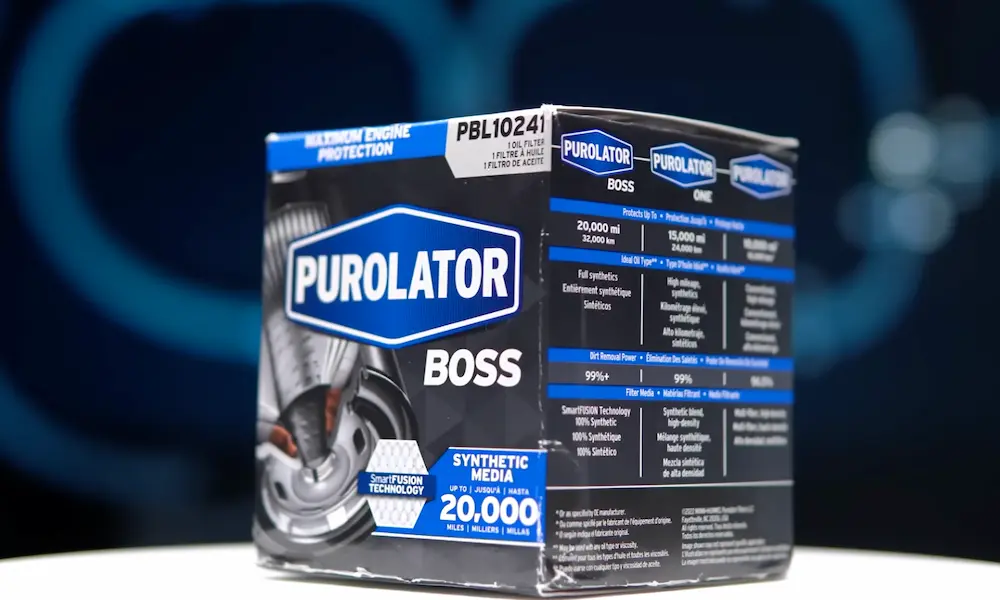
For serious protection, Bosch Premium, WIX XP, or Purolator Boss filters deliver superior performance that justifies their higher costs. These filters offer better flow, higher capacity, and finer filtration than STP.
The Verdict on STP Oil Filters
So, are STP oil filters good? The honest answer is: they’re okay, but rarely your best choice.
STP filters deliver adequate filtration for standard applications. They won’t destroy your engine. They’ll catch most harmful particles. They’re widely available when you need them.
But “adequate” isn’t exactly a ringing endorsement.
The flow restriction issues concern me, particularly for cold-weather driving or performance applications. The quality control inconsistencies raise questions about long-term reliability. And the pricing—especially recent increases—makes STP filters hard to recommend when better alternatives cost the same or less.
If you’ve got STP filters on your shelf or they’re on sale at AutoZone, using them won’t cause problems in a standard passenger car with regular maintenance intervals. They’ll do the job.
But if you’re making a deliberate choice about which filter to buy, you can do better. Super Tech offers similar performance for less money. FRAM Endurance provides genuinely extended protection for a few dollars more. Bosch Premium delivers superior flow and filtration at competitive prices.
The automotive parts market is too competitive to settle for middle-of-the-road performance at middle-of-the-road prices. Your engine deserves better protection, and your wallet deserves better value.
Skip the STP filters and grab something that excels in at least one area—whether that’s rock-bottom pricing or premium performance. There’s no compelling reason to choose the middle ground when better options exist at both ends of the spectrum.