Looking for the most reliable 6.2 Chevy engine but overwhelmed by conflicting information? You’re about to discover which model years stand out from the rest and why some are worth avoiding completely. This guide cuts through the marketing hype to reveal what mechanics and owners know about these powerful V8s.
The Golden Years: 2007-2008 L92 Engines
The 2007-2008 Chevy 6.2L L92 engines stand tall as the most reliable in the entire 6.2L family. These engines represent the perfect balance of modern power and old-school reliability that’s increasingly hard to find in newer models.
Why are these early L92 engines so special? They deliver a robust 403 horsepower and 417 lb-ft of torque while avoiding the major reliability issues that plague later generations. The secret to their longevity lies in what they don’t have – specifically, they lack the Active Fuel Management system that has caused countless headaches in more recent 6.2L engines.
As one industry expert put it in a detailed analysis video, the L92 represents “the earliest iteration” and “the best” of the 6.2L family. Many of these engines have surpassed 200,000 miles with only routine maintenance.
Key advantages of the 2007-2008 L92:
- No Active Fuel Management (AFM) system
- Variable Valve Timing for optimized performance
- All-aluminum construction with proven durability
- Simpler design with fewer potential failure points
Evolution of the Chevy 6.2L: From Diesel to Modern EcoTec3
Understanding why certain years stand out requires knowing how these engines evolved over time. The 6.2L displacement has a long history at Chevrolet, with dramatically different designs serving different purposes.
The Original Diesel Era (1982-2000)
Before the modern gasoline 6.2L engines, Chevrolet produced diesel 6.2L V8s from 1982 to 2000. These Detroit Diesel engines were designed during the oil crisis for fuel economy, delivering between 135-190 horsepower.
While achieving impressive 22-30 mpg fuel economy, these diesel engines suffered from serious reliability issues:
- Cracking blocks
- Timing chain failures
- Insufficient power for heavy-duty applications
- Non-forged crankshafts leading to catastrophic failures
The diesel 6.2L engines are generally considered the least desirable of all Chevy 6.2L offerings, though the 1990-1993 models had improved block castings and somewhat better reliability.
The Modern Gasoline Evolution
The modern gasoline 6.2L engines represent a completely different design philosophy focused on performance rather than economy. Let’s track their evolution to understand why certain years stand out:
The L9H Generation (2009-2013): Still Solid But With Caveats
Following the highly reliable L92, the L9H maintained similar design principles while adding flex-fuel capability. This engine continued to produce the same 403 hp and 417 lb-ft of torque but could now run on E85 ethanol blends.
The L9H engines generally maintained good reliability, especially in the earlier years of this generation. However, later production years may have incorporated the AFM system, which began the reliability decline. Despite this potential issue, the L9H is still considered among the better options for used vehicle purchases.
If you’re considering an L9H-equipped vehicle, prioritize early production examples and verify whether they include the AFM system, as non-AFM versions will likely prove more reliable over time.
Read also: L9H Engine Specs: The Complete Guide to GM’s 6.2L Powerhouse
The L94 Generation (2010-2014): Where Problems Begin
The L94 marked a significant turning point in 6.2L reliability with the widespread introduction of Active Fuel Management. While maintaining the 403 horsepower output, this generation introduced significant long-term reliability concerns.
Common issues with the L94 include:
- AFM lifter failures becoming increasingly frequent
- Hydraulic lifter wear over time leading to engine imbalance
- Deactivated cylinders experiencing accelerated wear
- Increased complexity leading to more potential failure points
Despite these concerns, the L94 still delivers impressive performance and can be reliable if properly maintained. Many owners have found success by disabling the AFM system with aftermarket solutions, effectively converting their engines to operate more like the reliable L92.
Read also: L94 Engine Specs: Everything You Need to Know
The LS3 Generation (2008-2017): Performance Excellence
While truck enthusiasts focus on the L-series variants, the LS3 serves as the performance-oriented version of the 6.2L family. Found in Corvettes and Camaro SS models, the LS3 produces 430-436 horsepower depending on the application.
The LS3 has earned a stellar reputation for both performance and reliability:
- Exceptionally reliable for a performance engine
- No AFM system in most applications
- High-revving capability with robust internal components
- Proven longevity in both street and track use
This engine earned recognition as one of Ward’s 10 Best Engines and has become a favorite for engine swaps due to its reliability and power potential. For those seeking a performance-oriented 6.2L, the LS3 represents the best balance of power and durability.
Read also: The Comprehensive Guide to LS3 Engine Specs
The Modern EcoTec3 Era: Advances and Setbacks
L86 Generation (2014-2019): More Power, More Problems
The L86 introduced direct injection technology and increased power to 420 horsepower and 460 lb-ft of torque. However, this generation marked the beginning of more serious reliability concerns that have continued to plague the 6.2L family.
Major issues with the L86 include:
- AFM lifter failures becoming widespread
- Carbon buildup from the direct injection system
- Intake manifold gasket leaks typically appearing around 80,000 miles
- Transmission problems with the 8-speed automatic in early years
Within this generation, 2018 is considered the most reliable year, as GM had resolved most transmission issues and refined the AFM system. However, even these improved versions still suffer from the fundamental design compromises of the AFM system.
The L86 offers impressive performance when working properly, but owners should budget for potentially expensive repairs as these engines age. Many owners resort to AFM delete kits to improve reliability, though this affects warranty coverage and emissions compliance.
Read also: L86 Engine Specs: Everything You Need to Know
L87 Generation (2019-Present): The Crisis Years
The current L87 represents the most problematic 6.2L engine in Chevrolet’s history. Despite maintaining the 420 horsepower output, this generation suffers from catastrophic reliability failures that have resulted in a massive NHTSA investigation covering 877,710 vehicles.
Critical problems with the L87 include:
- Main bearing failures at low mileage, often under 50,000 miles
- Dynamic Fuel Management system creating even more complexity than AFM
- Complete engine replacements required, with GM unable to keep up with demand
- Manufacturing defects in bearing bores, particularly affecting 2023-2024 models
Recent developments have been particularly troubling, with GM struggling to supply replacement engines fast enough to meet demand from failing units. The situation has become so dire that many owners face months-long waits for repairs.
Read also: L87 Engine Specs: Everything You Need to Know
Performance Comparison Across Generations
How do these different generations compare in real-world performance? Let’s break down the numbers:
| Generation | Years | Horsepower | Torque (lb-ft) | Notable Features |
|---|---|---|---|---|
| L92 | 2007-2008 | 403 | 417 | No AFM, proven reliability |
| L9H | 2009-2013 | 403 | 417 | Flex-fuel capability |
| L94 | 2010-2014 | 403 | 417 | First with widespread AFM |
| LS3 | 2008-2017 | 430-436 | 424-428 | Performance variant, no AFM |
| L86 | 2014-2019 | 420 | 460 | Direct injection, improved AFM |
| L87 | 2019-Present | 420 | 460 | DFM, serious reliability issues |
While the power outputs have increased modestly over time, the reliability has trended in the opposite direction. This creates a clear inverse relationship between performance and dependability across the generations.
Towing and Heavy-Duty Performance
All 6.2L gasoline engines provide excellent towing capability, with modern versions rated for up to 13,300 pounds when properly equipped. The high torque output, particularly in modern EcoTec3 variants, makes these engines well-suited for heavy-duty applications despite reliability concerns.
The 6.2L engines offer a significant advantage over the smaller 5.3L engines for those who regularly tow heavy loads. The additional torque means less strain on the engine when pulling, potentially contributing to longer engine life in these specific use cases. However, this advantage is often negated by the reliability issues in newer generations.
A comparison between the 6.2L gas V8 and the 3.0L Duramax diesel found that while the diesel offers better fuel economy under load, the 6.2L provides more immediate power and a lower initial cost. For occasional towers, the 6.2L often represents the better value proposition.
Maintenance Requirements for Maximum Longevity
Regardless of which 6.2L engine you choose, proper maintenance is crucial for maximizing reliability and longevity. Here are the critical maintenance requirements for these engines:
Oil Change Intervals
Frequent oil changes are essential for 6.2L engine longevity, particularly with AFM/DFM-equipped engines. While GM may recommend extended intervals, many experts suggest 3,000-5,000 mile oil change intervals for these engines.
The AFM/DFM systems put additional stress on the oil by allowing contaminants from inactive cylinders to accumulate. Using full synthetic oil is highly recommended, especially for engines with cylinder deactivation systems.
Fuel Quality Considerations
All 6.2L engines perform best with premium fuel (91+ octane). While they can run on regular gasoline, this may lead to reduced performance and potential long-term reliability issues due to increased knock.
The cost of premium fuel should be factored into ownership expenses, as it represents a significant ongoing premium over the life of the vehicle. Real-world fuel economy typically ranges from 16-24 mpg depending on driving conditions and model year.
AFM/DFM Management
For engines equipped with Active Fuel Management or Dynamic Fuel Management, many owners choose to disable these systems to improve reliability. Several options exist:
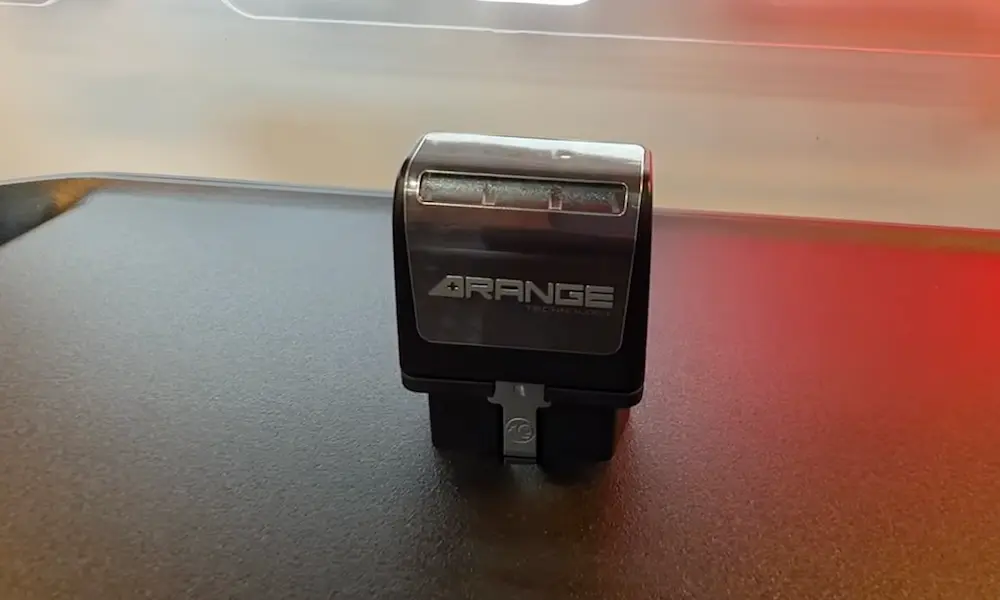
- Range AFM/DFM delete devices that plug into the OBD-II port
- Complete delete kits that replace the problematic lifters with standard parts
- Tuning solutions that disable the cylinder deactivation in the engine control module
While these modifications may affect warranty coverage and emissions compliance, many owners consider them essential for long-term reliability, especially for vehicles kept beyond the factory warranty period.
Expected Lifespan by Generation
How long can you expect your 6.2L engine to last? The answer varies dramatically by generation:
L92/L9H Engines: With proper maintenance, these engines can easily exceed 200,000 miles with few major issues. Many examples have reached 250,000+ miles while maintaining good performance.
L94/Early L86 Engines: These engines typically achieve 150,000-200,000 miles before requiring significant repairs, usually related to the AFM system.
Late L86/L87 Engines: Reliability becomes questionable beyond 100,000 miles, with many failures occurring much earlier. The L87 in particular has seen catastrophic failures before 50,000 miles in numerous documented cases.
LS3 Engines: These performance engines regularly exceed 200,000 miles when properly maintained, with many high-mileage examples still performing well in Corvettes and Camaros.
Expert Recommendations: Which Year to Buy
Based on comprehensive analysis of reliability data, expert opinions, and real-world performance, here are the definitive recommendations for the best 6.2 Chevy engine years:
First Choice: 2007-2008 L92
The L92 remains the gold standard for 6.2L reliability. While these engines are now 15+ years old, a well-maintained example will likely outlast newer generations. The lack of AFM and the proven durability of this design make it the clear first choice for reliability-focused buyers.
These engines are typically found in:
- 2007-2008 Cadillac Escalade
- 2007-2008 GMC Yukon Denali
- 2007-2008 Chevrolet Tahoe LTZ
Second Choice: 2009-2013 L9H
The L9H maintains much of the reliability of the L92 while adding flex-fuel capability. Early examples without AFM are preferred, though these can be difficult to verify without detailed research on specific VINs and production dates.
Performance Choice: 2008-2017 LS3
For those prioritizing performance over utility, the LS3 offers excellent reliability combined with greater horsepower. These engines provide the best foundation for performance modifications while maintaining reasonable reliability.
Best Modern Option: 2018 L86
If you need a newer truck or SUV with the 6.2L, the 2018 model year L86 represents the most refined version before the problematic L87 was introduced. While still incorporating AFM, this version had most of the early issues resolved.
Avoid at All Costs: 2019+ L87
The current L87 generation should be avoided due to widespread reliability issues and the ongoing NHTSA investigation. The bearing failure problems affecting these engines have led to complete engine replacements, often leaving owners without their vehicles for extended periods.
Cost-Benefit Analysis for Buyers
When shopping for a vehicle with a 6.2L engine, consider these financial factors:
Purchase Considerations:
- L92-powered vehicles command premium prices due to their reputation for reliability
- L87-powered vehicles may face significant depreciation as reliability issues become more widely known
- Warranty coverage is crucial for any modern 6.2L engine purchase
Long-term Ownership:
- Extended warranties are strongly recommended for any 6.2L engine beyond the L92 generation
- Budget for potential AFM-related repairs in engines from 2010 onward
- Factor in premium fuel costs throughout ownership
The most cost-effective approach may be purchasing an older, well-maintained L92 vehicle rather than a newer model with questionable reliability. While the initial purchase price might be similar for a low-mileage 2008 model versus a high-mileage 2018, the older engine will likely prove more dependable in the long run.
How to Identify the Engine in Your Vehicle
Not sure which 6.2L engine your vehicle has? Here’s how to identify it:
- Check the 8th digit of your VIN
- Look for engine code stickers under the hood
- Examine the year and model of your vehicle using the table below
| Engine | VIN Code | Years | Vehicle Applications |
|---|---|---|---|
| L92 | 8 | 2007-2008 | Escalade, Yukon Denali, Tahoe LTZ |
| L9H | J | 2009-2013 | Escalade, Yukon Denali, Sierra Denali |
| L94 | A | 2010-2014 | Escalade, Yukon Denali, Sierra Denali |
| LS3 | W | 2008-2017 | Corvette, Camaro SS |
| L86 | J | 2014-2019 | Silverado, Sierra, Yukon, Tahoe, Suburban |
| L87 | F | 2019-Present | Silverado, Sierra, Yukon, Tahoe, Suburban |
This information helps you accurately identify which generation of 6.2L engine powers your vehicle, allowing you to implement the appropriate maintenance strategy.
The Verdict: 2007-2008 Stands Above the Rest
After analyzing decades of 6.2L Chevy engines across multiple generations, the verdict is clear: the 2007-2008 L92 engines represent the best year for the 6.2 Chevy engine. These early engines offer the perfect combination of modern power, proven reliability, and freedom from the problematic cylinder deactivation systems that compromise later generations.
While newer engines offer marginally more power and modern features, they do so at a significant cost to reliability. The introduction and continuous refinement of cylinder deactivation technology (AFM/DFM) has created persistent issues that undermine the legendary durability that once defined Chevrolet V8 engines.
For buyers seeking the most reliable 6.2L Chevrolet engine experience, the early L92 generation offers the best balance of proven durability, adequate power, and long-term dependability that newer generations simply cannot match.