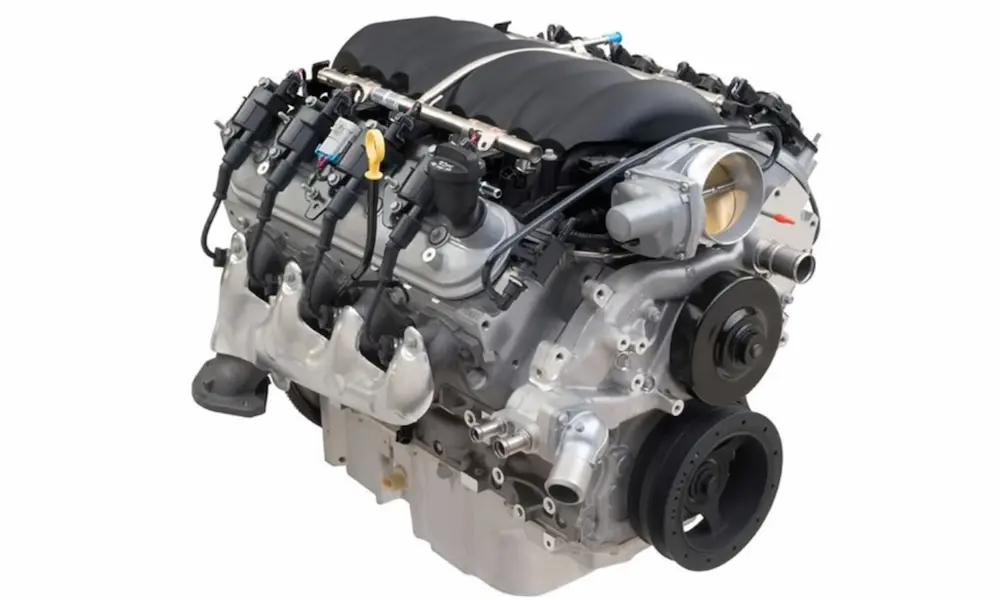
Thinking about an engine swap or just curious about one of GM’s most celebrated powerplants? The LS3 engine has earned legendary status among automotive enthusiasts for good reason. This 6.2-liter beast delivers impressive performance right from the factory while offering nearly unlimited potential for modifications.
What Makes the LS3 Engine Special?
The 6.2L LS3 V8 isn’t just another engine—it’s a pivotal milestone in GM’s engine development. Introduced in 2008 as part of the Gen IV small-block family, the LS3 replaced the LS2 with more displacement and significantly improved airflow.
This engine became the heart of performance vehicles like the C6 Corvette and fifth-generation Camaro SS, delivering impressive power while maintaining the reliability that’s made LS engines so popular for swaps.
The engineers didn’t just make it bigger—they made it breathe better. By straightening the intake flow path and optimizing the cylinder heads, the LS3 achieved impressive power numbers that made it an instant classic among performance enthusiasts.
LS3 Engine Specs: The Essential Numbers
Let’s break down the core specifications that make the LS3 such a powerhouse:
| Specification | Details |
|---|---|
| Displacement | 6.2L (376 cubic inches) |
| Bore | 4.065 inches (103.25mm) |
| Stroke | 3.622 inches (92mm) |
| Compression Ratio | 10.7:1 |
| Horsepower | 426-436hp (depending on application) |
| Torque | 420-428 lb-ft |
| Redline | 6,600 RPM |
| Fuel Requirement | Premium unleaded |
| Block Material | Aluminum |
| Head Material | Aluminum |
When offered as a Chevrolet Performance crate engine, the LS3 consistently delivers 430 horsepower at 5,900 RPM with 425 lb-ft of torque. These numbers represented a significant step up from previous GM V8s and helped establish a new performance baseline.
The LS3 Block and Rotating Assembly
The foundation of any engine is its block, and the LS3 starts with a robust aluminum casting that saves considerable weight compared to traditional iron blocks. This isn’t just any aluminum block—it features:
- Deep-skirt design for maximum strength and reduced vibration
- Six-bolt, cross-bolted main bearing caps that effectively limit crankshaft flex
- Structural oil pan that enhances overall rigidity
The rotating assembly consists of:
- Nodular iron crankshaft for durability
- Powdered metal connecting rods balancing strength and weight
- Hypereutectic aluminum pistons that enhance high-RPM performance
All components are precision-manufactured using CNC machining for tight tolerances, ensuring consistency across production units. This attention to detail helps explain why the LS3 has earned such a reputation for reliability even when pushed well beyond factory power levels.
Cylinder Heads: The LS3’s Secret Weapon
If you ask engine builders what makes the LS3 special, many will point directly to the cylinder heads. The engine utilizes aluminum L92-style heads with rectangular intake ports that represent a major improvement over earlier LS designs.
Key cylinder head specs include:
- 68cc combustion chambers
- 2.165-inch (55mm) intake valves (up from 50.8mm in the LS2)
- 1.590-inch exhaust valves
- Hollow stem intake valves reducing valvetrain mass by approximately 13%
These “as cast” heads flow exceptionally well right from the factory, which explains why many builders use stock LS3 heads even on modified engines. The increased valve size and improved port design dramatically enhanced the engine’s breathing capability, allowing it to produce more power throughout the RPM range.
Valvetrain and Camshaft Specifications
The LS3’s valvetrain is designed for both performance and reliability, using a hydraulic roller camshaft with these specifications:
- .551-inch intake lift
- .522-inch exhaust lift
- 204 degrees intake duration (at .050-inch lift)
- 211 degrees exhaust duration (at .050-inch lift)
This camshaft profile was carefully designed to complement the cylinder heads’ flow characteristics while providing excellent drivability. The valvetrain is completed with investment-cast, roller trunnion rocker arms with a 1.7:1 ratio, providing efficient valve actuation with minimal friction.
The combination of the camshaft specs and improved cylinder head design gives the LS3 its characteristic smooth power delivery and impressive torque curve, making it equally suitable for street driving and track use.
Induction and Engine Management Systems
The LS3 features a sophisticated induction system that borrows elements from the high-performance Z06 Corvette. Key components include:
- High-flow composite intake manifold
- Electronic throttle body (90mm)
- Sequential fuel injection
- 58X crankshaft position sensor for precise timing control
The intake port design specifically straightens the airflow path from the manifold to the cylinder heads, significantly reducing restrictions. Similarly, the exhaust ports were redesigned to increase flow, with casting changes made to enlarge the exhaust port openings.
These modifications create a more efficient air path through the entire engine, contributing significantly to the LS3’s impressive power output and throttle response.
Vehicles That Came with the LS3 Engine
The LS3 powered several iconic performance vehicles between 2008 and 2017:
- Chevrolet Corvette (2008-2013, base model and Z51 package)
- Corvette Grand Sport (2010-2013)
- Camaro SS with manual transmission (2010-2015)
- Chevrolet SS sedan (2014-2017)
- Pontiac G8 GXP (2009)
- Various Holden HSV models (Australian market, 2009-2015)
- Holden Commodore VF (2015-2017)
Each application featured slightly different power ratings and calibrations to suit the specific vehicle’s character, but all delivered the signature LS3 combination of impressive power, broad torque curve, and dependable performance.
Performance Variants and Factory Options
While the standard LS3 was already impressive, Chevrolet Performance developed enhanced versions for special applications:
The LS3 525 horsepower crate engine featured:
- Aggressive ASA camshaft developed for circle track racing
- Increased valve lift (.525-inch on both intake and exhaust)
- More aggressive duration (226 degrees intake, 236 degrees exhaust)
- Tighter 110-degree lobe separation angle
- Higher-rate valve springs for durability
This high-output variant demonstrates the potential built into the basic LS3 architecture, requiring only camshaft changes to produce significant power increases.
LS3 Aftermarket Potential and Modifications
The LS3 has become one of the most popular platforms for performance builds, with virtually unlimited aftermarket support. Common modifications include:
- Camshaft upgrades – Often the first performance modification, offering significant power gains
- Forced induction – Supercharger and turbocharger systems can push LS3 engines well beyond 600hp
- CNC-ported cylinder heads – Further improving on the already excellent factory casting
- Intake manifold upgrades – High-rise single-plane manifolds for high-RPM power
- Stroker kits – Increasing displacement to 416 cubic inches or more
- Nitrous oxide systems – Providing on-demand power increases
The engine’s robust construction makes it capable of supporting significant power increases, which explains why it’s become a preferred platform for engine swaps into everything from classic muscle cars to modern custom builds.
Common LS3 Engine Issues and Solutions
While generally reliable, the LS3 does have a few known issues worth addressing:
Valve Springs
The factory valve springs can be a weak point when pushing the engine beyond stock RPM levels. Aftermarket springs are an essential upgrade for any high-performance build.
Oil Consumption
Some LS3 engines exhibit minor oil consumption, particularly in high-performance driving. Upgraded valve seals and piston rings can resolve this issue.
Rocker Arm Failure
The factory rocker arms use plastic trunnions that can fail under high-RPM or forced induction conditions. Aftermarket trunnion upgrade kits provide an inexpensive solution.
Clutch Chatter in Manual Applications
While not strictly an engine issue, many LS3-powered manual transmission vehicles experience clutch chatter. Aftermarket clutch systems with improved dampening characteristics can address this problem.
Why the LS3 Engine Remains Popular for Swaps
The LS3 has become one of the most popular engines for swaps for several compelling reasons:
- Excellent power-to-weight ratio – Aluminum construction keeps weight down
- Compact dimensions – The LS architecture fits where older big-block engines won’t
- Simplicity – Despite modern performance, the basic design remains straightforward
- Aftermarket support – Virtually unlimited options for customization
- Reliability – Capable of high mileage even in performance applications
- Availability – Available as both used engines and new crate motors
The standard LS3 crate engine package from Chevrolet Performance includes everything from oil pan to ignition system, making it a relatively simple solution for engine swaps.
Key LS3 Engine Maintenance Considerations
To keep an LS3 running at its best:
- Use the recommended 5W-30 synthetic oil
- Change oil every 5,000 miles (more frequently for hard use)
- Inspect valve springs and rocker arms at higher mileages
- Use high-quality fuel (premium recommended)
- Consider upgraded cooling for track or heavy-duty use
- Use iridium spark plugs with proper gap specifications
With proper maintenance, LS3 engines have demonstrated excellent longevity even in demanding applications, with many examples running well beyond 150,000 miles with minimal issues.
The LS3 Legacy Continues
Even though production of the LS3 for regular vehicles concluded with the introduction of the Gen V LT1 engine, its impact continues to be felt throughout the performance world. Its combination of significant power output, broad torque curve, and robust construction established new benchmarks for naturally aspirated performance.
The engine’s widespread use across multiple vehicle platforms demonstrates its versatility, while its continued popularity in the aftermarket sector speaks to its exceptional design and engineering.
Whether you’re considering an LS3 for a swap project, maintaining one in your vehicle, or just appreciating this engineering milestone, there’s no denying the LS3’s place in automotive history as one of Chevrolet’s most iconic and respected engines.