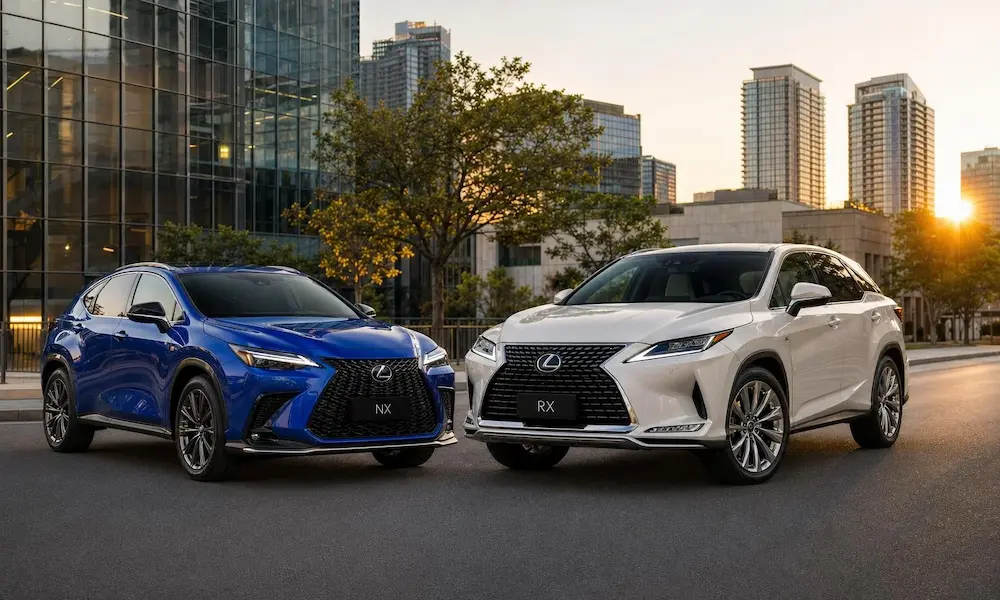
Thinking about getting an extended warranty for your Lexus? You’re at a crossroads that many luxury car owners face. With dealerships pushing these plans and prices ranging from $4,000-$5,600, it’s not a small decision. By the end of this article, you’ll know exactly whether that extended coverage makes sense for your specific situation or if you’d be better off keeping that cash in your pocket.
Why Lexus Has Earned Its Reliability Crown
Let’s start with some good news: you already made a smart choice by buying a Lexus.
For three consecutive years, Lexus has topped J.D. Power’s Vehicle Dependability Study with an industry-leading score of 140 problems per 100 vehicles. That’s significantly better than the industry average of 202 problems per 100 vehicles.
Lexus isn’t just reliable when new—the brand maintains its quality over time. Consumer Reports ranks Lexus #2 for new car reliability and #1 for used car reliability. This exceptional track record means major mechanical failures requiring expensive repairs are statistically unlikely during typical extended warranty periods.
When it comes to maintenance costs, Lexus ranks as the second most affordable luxury brand to maintain over 10 years:
| Brand | 10-Year Maintenance Cost |
|---|---|
| Tesla | $5,867 |
| Lexus | $7,130 |
| Industry Average | $12,000 |
These numbers should immediately make you question whether an extended warranty is necessary.
What You’re Really Paying For
Lexus offers three tiers of extended warranty coverage through their “Extra Care” program:
- Powertrain: Basic coverage for engine, transmission, and drivetrain
- Gold: Mid-level coverage for major systems
- Platinum: Comprehensive “exclusionary” coverage
Here’s where it gets interesting. The average Lexus extended warranty costs between $900-$1,400 per year of actual additional coverage. For a comprehensive Platinum plan covering 7 years/100,000 miles, you’ll pay around $4,000.
But wait—remember that new Lexus vehicles already come with a 4-year/50,000-mile factory warranty. This means you’re not buying 7 years of coverage but rather extending protection for only 3 additional years. That works out to over $1,300 per year for extended coverage.
Only the Platinum tier offers truly comprehensive protection. The Gold and Powertrain levels use “inclusionary coverage,” meaning they only cover specifically listed components—leaving significant gaps in your protection.
The Break-Even Math Most Dealers Won’t Show You
Let’s talk numbers. With a $4,000 extended warranty and an 18.75% probability of a major repair occurring within 10 years, the warranty would need to cover repairs averaging over $21,000 to provide positive value.
While some repairs can be expensive—like air suspension replacements ($4,500-$10,000) or engine rebuilds ($8,000-$15,000)—these catastrophic failures are rare on Lexus vehicles.
Annual maintenance costs for Lexus vehicles start at just $337 in the first year and gradually increase to $1,030 by year 10. The extended warranty premium of $571 annually for Platinum coverage nearly equals the expected maintenance costs in later years.
Common Lexus Issues: What Actually Breaks
Understanding what typically goes wrong with Lexus vehicles puts warranty value in perspective:
The most significant widespread issue affects models from 2007-2015: oil leakage from the timing chain cover, particularly in RX 350 and ES 350 models. This can trigger low oil pressure warnings and clicking noises.
Other common issues include:
- Transmission problems in older models
- Dashboard melting in mid-2000s vehicles
- Suspension wear
- Brake issues
- Air conditioning problems
Most of these repairs fall into the $500-$2,500 range—amounts that don’t justify expensive extended warranty coverage.
Real-world experiences vary. One Reddit user reported alternator and sway bar repairs totaling $2,100, which were covered by their $2,000 extended warranty. Another owner spent $8,000 in repairs on a 2002 IS300 over six months, though this occurred on a vehicle well beyond typical warranty age.
Not All Lexus Models Are Created Equal
Warranty value varies significantly by model:
Most Reliable (Extended Warranty Least Valuable)
- ES Series
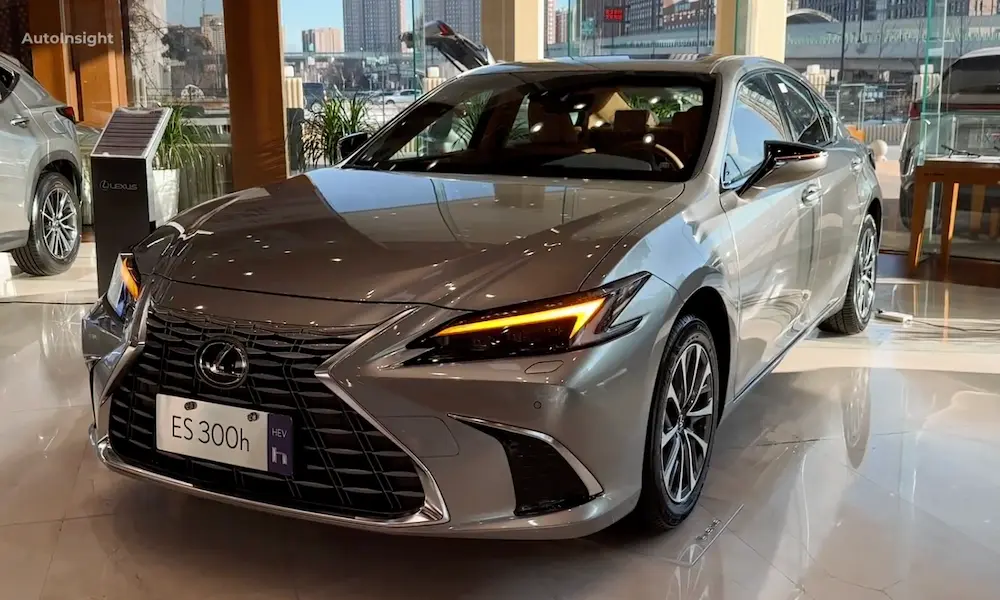
- RX Series
- NX Series
More Complex (Higher Repair Potential)
- LS Series (especially LS460 with air suspension)
- LFA and performance models
- High-end luxury variants with advanced electronics
The LS460, for example, is known for expensive repairs due to its sophisticated air suspension systems and premium components. If you own one of these more complex models, warranty consideration makes more sense.
Smarter Alternatives to Extended Warranties
Rather than purchasing an extended warranty, consider establishing a dedicated repair fund. Simply set aside the $4,000 you would have spent on the warranty in a high-yield savings account. This provides greater flexibility while earning interest on the money until you actually need it for repairs.
If you’re still interested in coverage, third-party extended warranties often provide better value than manufacturer coverage, though they come with different service networks and claim processes. However, given Lexus’s reliability record, even discounted third-party coverage rarely justifies the expense for most owners.
What the Experts Say About Lexus Warranties
Industry experts consistently advise against extended warranties for reliable brands like Lexus:
Consumer Reports explicitly states they don’t recommend extended warranties, noting that buyers typically pay more for coverage than they receive in benefits.
Financial advisor Dave Ramsey similarly recommends against extended warranties, suggesting that if you can’t afford potential repairs, you can’t afford the vehicle itself.
Experienced Lexus owners on forums and Reddit discussions generally echo this sentiment. Many report declining extended warranty offers, particularly for new vehicles with existing factory coverage.
Which Models Benefit Most from Extended Coverage?
If you’re determined to get coverage, some models justify it more than others:
LS Series: The flagship sedan contains sophisticated technology and air suspension that can be costly to repair. The LS460, in particular, has had issues with its air suspension system that can cost $4,500-$10,000 to replace.
Models with Air Suspension: Any Lexus with the optional air suspension system has more potential for expensive repairs. One owner noted that their warranty paid for itself with a single $4,000 steering system repair.
Older High-Mileage Models: If you’re buying a used Lexus approaching 100,000 miles, especially performance models like the IS-F or RC-F, coverage might make more sense.
When Extended Warranties Make Sense (And When They Don’t)
Skip the extended warranty if you:
- Own a reliable model (ES, RX, NX)
- Can establish a repair fund with the warranty cost
- Plan to trade or sell within 7-10 years
- Have good financial flexibility for unexpected repairs
Consider extended warranty coverage if you:
- Own a complex model (LS, LX) with expensive components
- Drive extremely high mileage (over 20,000 miles annually)
- Plan to keep the vehicle for 10+ years
- Have limited financial flexibility for large repair bills
- Value peace of mind over financial optimization
Hidden Costs and Limitations to Watch For
Before signing any warranty contract, be aware of:
-
Deductibles: Many Lexus extended warranties charge a deductible (typically $100-$200) per repair visit, not per repair. This means multiple issues fixed during one visit only incur one deductible.
-
Transfer Limitations: Lexus extended warranties can be transferred to subsequent owners, but usually for a fee (around $50). This adds value if you plan to sell before the warranty expires.
-
Repair Location Requirements: Most Lexus extended warranties require repairs to be performed at authorized Lexus dealerships. This can be inconvenient if you don’t live near one.
-
Maintenance Requirements: To keep your extended warranty valid, you must follow the manufacturer’s recommended maintenance schedule. Skipping oil changes or scheduled maintenance can void your coverage.
The Real Value of Peace of Mind
While the financial math often doesn’t support buying extended warranties for Lexus vehicles, there’s an intangible benefit: peace of mind.
Some owners simply sleep better knowing they won’t face unexpected repair bills. If that psychological comfort is worth the premium to you, an extended warranty might still be worthwhile despite the unfavorable economics.
One Lexus owner on Reddit summed it up well: “I know it’s probably not the best financial decision, but I never have to worry about unexpected repair costs. For me, that peace of mind is worth the price.”
Making Your Decision: 3 Steps to Clarity
-
Assess your specific model’s reliability: Research your exact Lexus model’s track record. The ES and RX series are exceptionally reliable, while the LS and performance models may benefit more from coverage.
-
Get actual quotes in writing: Dealers often negotiate on extended warranty prices. Get quotes from multiple dealerships and third-party providers to compare.
-
Calculate your actual cost per year: Divide the total warranty cost by the number of years beyond your factory warranty to understand the true annual cost of the extended coverage.
For most Lexus owners, establishing a dedicated repair fund with the money you would have spent on an extended warranty is the most financially sound decision. This approach provides greater flexibility while allowing you to benefit from Lexus’s industry-leading reliability.
When you drive a brand known for building some of the most dependable luxury vehicles on the road, self-insuring through a repair fund typically offers better value than paying thousands for coverage you’re statistically unlikely to use.