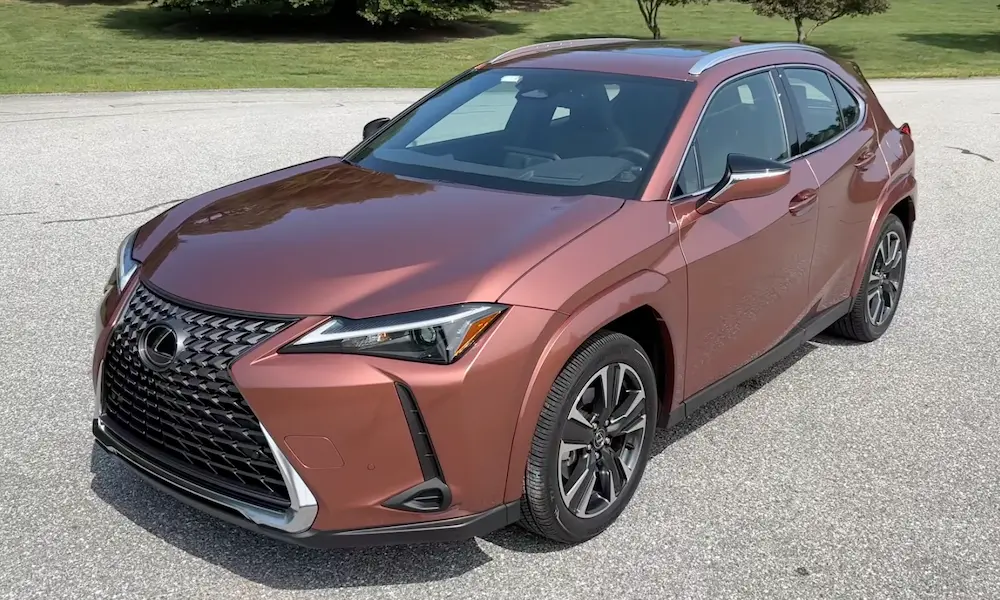
Your Lexus dashboard lights up, the radio works, and all electrical components seem fine—but the engine refuses to start. This frustrating situation happens more often than you’d think. When your Lexus has power but won’t start, you’re facing one of several possible issues that range from simple fixes to more complex problems. Let’s dive into what’s happening and how to get your luxury vehicle back on the road.
Understanding the Difference Between Power and Starting
When your Lexus displays electrical power but won’t start, there’s an important distinction to make. Having power means your 12-volt electrical system can operate accessories like lights, radio, and dashboard indicators. But starting requires much more—specifically, the ability to deliver high current to the starter motor while maintaining proper voltage.
A battery can show proper voltage (around 12 volts) on a basic test but still lack the capacity to deliver the high current needed for starting. This explains why your lights work while the engine refuses to turn over.
Battery and Electrical System Issues
Weak Battery Performance
Despite powering your accessories, battery problems remain the most common cause of no-start conditions. Your Lexus’s starter motor needs substantial electrical current—much more than what’s required for your radio or lights.
The key is performing a proper battery load test, not just checking voltage. A healthy battery should maintain at least 9.6 volts during cranking. If it drops below this threshold, you need a replacement regardless of its resting voltage. While professional testing equipment provides the most accurate results, you can perform basic testing with a multimeter that has min/max function by monitoring voltage during starting attempts.
Battery Connection Problems
Poor connections can prevent your Lexus from starting even with a healthy battery. Look for:
- White, blue, or green corrosion around battery terminals
- Loose connections (terminals shouldn’t rotate by hand)
- Damaged or frayed battery cables
These issues create resistance that prevents adequate current flow to the starter, resulting in a no-start condition despite having power for accessories.
Charging System Failures
Your alternator might be failing to maintain proper battery charge. With the engine running, voltage should measure between 13.5-14.5 volts at the battery terminals. Readings below 13.5 volts indicate charging system problems, while readings above 15 volts suggest voltage regulator malfunction.
Starter System Problems
Starter Relay Issues
The starter relay is a common and easily testable failure point. Most Lexus vehicles locate this relay in the main fuse box under the hood. When you turn the key, listen for clicking sounds at the relay location.
- A clicking relay with no starter engagement often indicates starter motor failure
- No clicking suggests relay failure or control circuit problems
You can often diagnose relay problems by swapping with an identical relay from another system (like the A/C or horn relay, if they use the same part).
Starter Motor and Solenoid Failures
Your starter system has two key components: the solenoid (which engages the starter gear with the flywheel) and the motor (which turns the engine). When troubleshooting:
- Single clicking sound: Typically indicates solenoid operation without motor engagement, suggesting internal starter failure
- No sound at all: May indicate complete solenoid failure or lack of power to the starting circuit
The Lexus starter motor tends to fail after 100,000-150,000 miles, often with warning signs like grinding noises or slow cranking before complete failure.
Neutral Safety Switch Problems
This often-overlooked component prevents starting unless the transmission is in park or neutral. Symptoms include:
- Inconsistent starting
- Complete failure to engage the starter despite proper electrical conditions
- Starting only in certain gear positions
Test by ensuring your transmission is fully engaged in park position and checking for proper indicator lights on the dashboard. Jiggling the shifter slightly while attempting to start can sometimes temporarily bypass a failing neutral safety switch.
Anti-Theft and Security System Issues
Engine Immobilizer System Problems
Modern Lexus vehicles incorporate sophisticated anti-theft systems that can prevent starting even with electrical power. When the immobilizer system activates, you’ll experience:
- No cranking sound whatsoever
- All electrical accessories functioning normally
- Possible security indicator light flashing on dashboard
The immobilizer prevents starting by blocking communication between your key transponder and the engine control module.
Immobilizer System Reset Procedures
You can attempt to reset your Lexus immobilizer system using specific key cycling sequences. For many Lexus models, the process involves:
- Insert the key into the driver’s side door lock
- Turn to lock and unlock positions multiple times
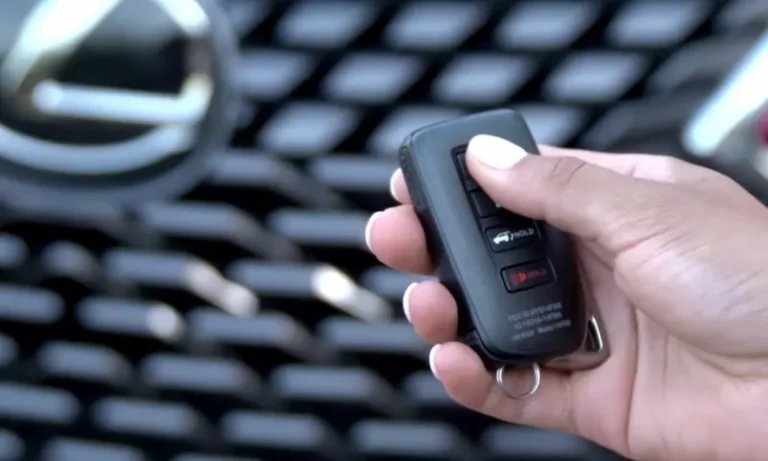
- Use the key fob to lock and unlock the vehicle
Different model years require specific sequences, so consult your owner’s manual for the exact procedure for your vehicle.
Smart Key System Failures
Newer Lexus models with keyless ignition can experience unique problems:
- Key fob battery depletion (easy to replace)
- Key fob programming errors
- Push-button start switch malfunctions
Look for rapid flashing of the start button light or security indicator lights, which often indicate smart key system problems.
Engine Control and Ignition System Issues
Engine Control Unit (ECU) Problems
Your Lexus’s ECU manages multiple aspects of starting and running. Problems can manifest as:
- Check engine light illumination
- Complete loss of communication with diagnostic scanners
- Engine cranking without firing
ECU failures may be intermittent, causing sporadic starting problems that worsen over time. Diagnosis typically requires specialized equipment to check for proper communication and function.
Crank Position Sensor Failure
This critical sensor tells your ECU when and how the engine is rotating. When it fails:
- The engine may crank normally but never fire
- The ECU cannot determine proper timing for ignition and fuel delivery
- Diagnostic trouble codes will typically be stored
This sensor failure is often retrievable with an OBD-II scanner and requires replacement by accessing the sensor near the engine block or transmission bell housing.
Ignition Switch Problems
Faulty ignition switches prevent the electrical signal that initiates the starting sequence. Symptoms include:
- No cranking when the key is turned
- Engine starting and immediately dying
- Intermittent starting problems
Testing involves checking for proper voltage at various ignition switch positions, which typically requires removing parts of the steering column cover.
Fuel System Issues
Fuel Pump Failure
When your Lexus cranks but won’t fire, the fuel pump may be failing to deliver adequate pressure. Listen for:
- A 2-3 second humming sound when turning the key to “on” position before attempting to start
- Absence of this sound may indicate pump failure
Professional fuel pressure testing can confirm pump operation, but you can perform a basic test by listening for the pump priming when turning the key to the “on” position without cranking.
Fuel Pump Relay and Fuse Issues
These components can disable the fuel system while maintaining all other electrical functions. Check:
- The main fuse box for blown fuses related to the fuel pump
- The fuel pump relay, which can be tested by substitution with known good relays
Fuel pump circuit problems may be intermittent, causing starting difficulties that vary with temperature or electrical load conditions.
Fuel Pressure Regulator Problems
Even with a functioning pump, incorrect fuel pressure affects engine starting. A failing pressure regulator causes:
- Hard starting when cold
- Starting problems under specific conditions
- Possible fuel leaks or fuel odor
Professional testing requires connecting a fuel pressure gauge to the fuel rail test port and comparing readings to specifications.
Hybrid System Considerations for Lexus Hybrids
12-Volt Battery Problems in Hybrids
Lexus hybrid vehicles can display “Check Hybrid System” warnings even when the main hybrid battery is functional. The 12-volt system powers the computers that control the hybrid system, so a weak 12-volt battery prevents hybrid system activation. This creates misleading error messages that suggest hybrid failure when the 12-volt battery is actually the culprit.
| Symptom | Likely Cause | Required Action |
|---|---|---|
| “Check Hybrid System” warning | Weak 12-volt battery | Test and replace 12-volt battery |
| Vehicle powers accessories but won’t start | Hybrid system lockout | Reset procedure or dealer diagnosis |
| Ready light won’t illuminate | Communication failure between systems | Check 12-volt battery and connections first |
Hybrid System Reset Procedures
When experiencing minor hybrid system faults, you can attempt a reset:
- Disconnect the 12-volt battery for 10-15 minutes
- Reconnect the battery and attempt to start the vehicle
- If unsuccessful, professional diagnosis is required
This approach may provide temporary relief but doesn’t address underlying causes of persistent problems.
High-Voltage Battery Issues
Serious hybrid battery problems require professional attention due to safety concerns. Warning signs include:
- Multiple warning lights on dashboard
- Drastically reduced fuel economy before failure
- “Ready” light fails to illuminate despite attempts
These problems typically require dealer-level diagnostic equipment and specialized repair procedures due to the high voltage involved.
Systematic Diagnostic Approach
Initial Assessment
Start by determining exactly what happens during starting attempts:
- Does the engine crank (turn over) but not fire?
- Is there no cranking at all?
- What lights appear on the dashboard?
This fundamental distinction guides your diagnostic path and prevents wasted time on unrelated systems.
Electrical System Verification
Before diving into complex diagnostics, thoroughly test your battery and charging system:
- Perform load testing under actual starting conditions
- Check battery terminal connections for tightness and corrosion
- Verify charging system output with the engine running
This eliminates the most common causes before proceeding to more complex systems.
Sound-Based Diagnosis
Listen carefully during starting attempts:
- Single click: Starter solenoid engaging without motor operation
- Rapid clicking: Insufficient battery power
- Complete silence: Relay failure, immobilizer activation, or ignition switch problems
- Normal cranking without starting: Fuel or ignition system issues
Different sounds point to specific systems that require further investigation.
Progressive Testing Strategy
Follow this logical sequence from most common to least common causes:
- Battery and charging system (most common)
- Starter system components
- Anti-theft and immobilizer systems
- Fuel delivery systems
- Engine management and sensor systems (least common)
This approach maximizes efficiency by addressing the most likely causes first.
Advanced Diagnostic Techniques
Voltage Drop Testing
For electrical connection problems, measure voltage drops across connections during cranking:
- Connect voltmeter leads across a single connection (like battery terminal to cable)
- Attempt to start the vehicle while observing voltage reading
- Acceptable voltage drop should not exceed 0.1 volts
Excessive voltage drop indicates connection problems that may not be visible during inspection.
Control Circuit Testing
Verify proper voltage and ground at starting system control circuits:
- The starter relay control circuit should show battery voltage when the key is in start position
- The ignition switch start position should provide voltage to the starter relay
- The neutral safety switch should show continuity in park or neutral positions
Testing these circuits can identify control problems before replacing expensive components.
Communication and Code Analysis
Use diagnostic scanners to retrieve trouble codes from all vehicle modules:
- Engine management
- Transmission
- Anti-theft
- Body control modules
Communication failures between modules can prevent starting even when individual components test properly. Professional-grade scanners provide the most comprehensive results.
Prevention and Maintenance
Battery Maintenance Programs
Implement these practices to prevent battery-related starting problems:
- Test your battery every 3-6 months
- Clean terminals periodically and ensure tight connections
- Consider battery replacement every 4-5 years regardless of apparent condition
Regular maintenance prevents most battery-related starting failures before they occur.
Charging System Monitoring
Monitor charging voltage regularly to catch alternator or voltage regulator problems early:
- Check charging voltage at idle (should be 13.5-14.5 volts)
- Check charging voltage at 2000 RPM (should remain stable in the same range)
- Address fluctuating voltage readings promptly
Maintaining proper charging prevents premature battery failure and associated starting difficulties.
Preventive Electrical System Care
Maintain clean, tight electrical connections throughout your Lexus:
- Inspect for corrosion at all major electrical connections
- Address loose connections before they cause intermittent problems
- Protect electrical components from water intrusion and damage
Preventive care of electrical systems reduces the likelihood of starting problems developing over time.
| Component | Normal Testing Value | Warning Sign | Action Required |
|---|---|---|---|
| Battery Voltage (resting) | 12.6V or higher | Below 12.4V | Charge and retest |
| Battery Voltage (cranking) | Above 9.6V | Below 9.6V | Replace battery |
| Alternator Output | 13.5-14.5V | Below 13.5V or above 14.7V | Repair charging system |
| Starter Current Draw | 60-150A (varies by model) | Excessive draw or no draw | Replace starter or check circuits |
| Fuel Pressure | 40-60 PSI (varies by model) | Below specification | Replace pump or regulator |
Modern Lexus vehicles incorporate complex interactions between multiple computer systems. When your DIY diagnostic efforts don’t resolve the problem, choosing service providers with specific Lexus experience and proper diagnostic equipment is crucial.
Hybrid system problems, in particular, require specialized training and equipment due to the high-voltage components and complex integration of systems. Generic repair shops may lack the tools and knowledge needed for complex Lexus electrical system diagnosis.
By following this systematic approach to diagnosing no-start conditions, you can efficiently identify the root cause of your Lexus starting problem and avoid unnecessary parts replacement. Remember that proper diagnosis always begins with the simplest, most common causes before progressing to more complex systems.