Ever noticed that “ECT PWR” button in your Lexus and wondered what it actually does? You’re about to discover how this feature can transform your driving experience—from making highway merges effortless to turning your refined luxury sedan into something with a bit more punch.
What Is Lexus ECT Power?
ECT Power stands for Electronically Controlled Transmission Power mode. It’s not a magic button that gives your engine more horsepower. Instead, it changes how your transmission behaves.
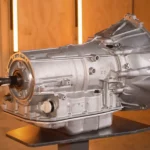
When you press that button, your Lexus holds gears longer and shifts at higher RPM levels. Think of it like telling your transmission to “wake up” and prioritize performance over sipping fuel. The ECT Power system uses electronic solenoids and hydraulic controls to delay upshifts, keeping your engine in its sweet spot where power lives.
Here’s what actually happens inside your transmission: hydraulic pressure increases, clutches engage more firmly, and the shift mapping gets rewritten on the fly. Your transmission stops being polite and starts being aggressive.
How ECT Power Actually Works
The Technology Behind the Button
Your Lexus’s Electronic Control Unit (ECU) constantly monitors throttle position, vehicle speed, and what you’re asking the car to do. When ECT Power is engaged, these parameters shift dramatically.
The system adjusts hydraulic line pressure and modifies clutch engagement timing. Instead of gentle, fuel-efficient shifts that you barely notice, you get firmer, more deliberate gear changes that keep the engine revving higher.
It’s like having two different transmissions in one car. Normal mode is your efficient daily driver. ECT Power mode is your spirited weekend warrior.
Electronic vs. Hydraulic Control
Modern transmissions are incredibly complex. The ECT Power integration coordinates electronic controls with mechanical hydraulic systems to create seamless performance changes.
Electronic solenoids receive signals from the ECU and translate them into hydraulic action. When you need more power, these solenoids increase fluid pressure throughout the transmission, making shifts happen faster and at higher RPM levels.
Finding and Using Your ECT Power Button
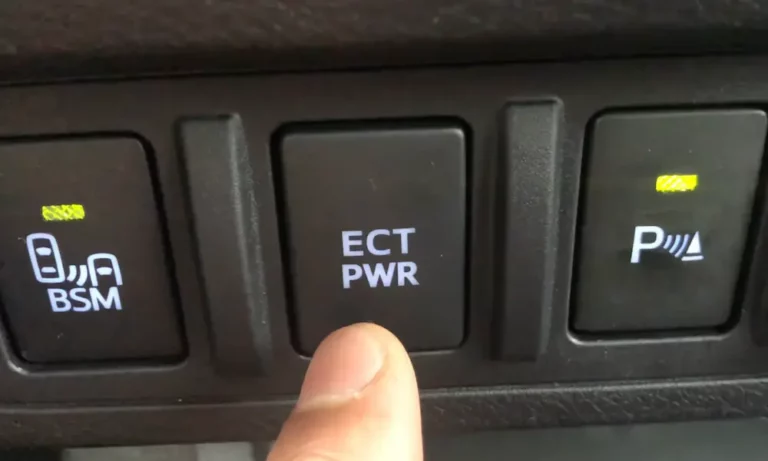
The ECT Power button sits below the Entune interface near your center console in most Lexus models. It’s usually labeled with “PWR,” “ECT,” and “SNOW” markings.
Press it once, and an ECT PWR indicator light illuminates on your dashboard. That’s your confirmation that the system is active and ready to deliver enhanced performance.
Want to turn it off? Just press the button again. The dashboard light disappears, and you’re back to normal operation.
Some drivers accidentally activate ECT Power by bumping the button. If you notice your car suddenly feels more responsive and that light is on, you know what happened.
When ECT Power Makes Sense
Towing and Heavy Loads
Got a trailer hitched up? ECT Power becomes your best friend. The system prevents that annoying gear hunting that happens when your transmission can’t decide whether to upshift or downshift.
Delayed shift points keep your engine in the power band where torque is abundant. Your Lexus pulls steadier, and you don’t feel like you’re constantly asking the transmission to make up its mind.
Highway Merging and Passing
You’re cruising on the highway, and suddenly you need to merge into fast-moving traffic. Normal mode might leave you waiting for the transmission to downshift and deliver power.
ECT Power eliminates that lag. Throttle response becomes immediate, and your Lexus accelerates decisively. Passing slower vehicles becomes confident rather than hopeful.
Hill Climbing
Steep inclines expose the limitations of economy-focused shift programming. Your transmission might upshift too early, causing the engine to struggle and forcing a downshift moments later.
ECT Power maintains optimal gear selection. The transmission holds lower gears longer, preventing those frustrating situations where you’re fighting gravity and your own gearbox simultaneously.
Spirited Driving
Let’s be honest—sometimes you just want your Lexus to feel sporty. ECT Power delivers that more engaging driving experience enthusiasts crave.
The enhanced throttle response and firmer shifts make your luxury sedan feel more connected and responsive. It’s not a sports car, but it’s definitely more fun.
The Performance Trade-offs You Need to Know
What You Gain
ECT Power delivers measurable improvements in responsiveness. The delay between pressing the accelerator and feeling acceleration shrinks dramatically.
Your transmission becomes predictable. You know exactly what it’ll do when you press the gas pedal. That confidence changes how you drive.
What It Costs You
Here’s the reality: fuel economy takes a hit. Operating at higher RPM levels requires more fuel. There’s no magic here—more performance means more consumption.
City driving shows the biggest penalty. All those accelerations from stoplights at higher RPM levels add up quickly at the pump.
Highway driving is less dramatic. Once you’re cruising at steady speeds, ECT Power’s impact diminishes. You might not even notice a difference during long interstate runs.
The Unexpected Exception
Some drivers report better fuel economy in hilly terrain with ECT Power engaged. When the transmission stops hunting between gears on rolling hills, the more decisive shift strategy can occasionally improve overall efficiency.
It’s counterintuitive, but it happens. Your mileage may literally vary.
Transmission Health and Longevity
Does ECT Power Damage Your Transmission?
Short answer: not if you use it reasonably. Your Lexus transmission was engineered to handle ECT Power operation. Toyota doesn’t install features designed to destroy their legendary reliability.
Extended use does increase stress on transmission components. Higher hydraulic pressures and aggressive shift patterns place additional demands on clutches and bands. But these components are built for it.
The key word is “occasional.” Using ECT Power when you need it won’t harm your transmission. Running it 24/7 for years might accelerate wear.
Heat and Transmission Fluid
Harder-working transmissions generate more heat. Increased operating temperatures can break down transmission fluid faster, reducing its lubricating and cooling properties.
If you’re a frequent ECT Power user, pay attention to your transmission fluid service intervals. Fresh fluid becomes more important when you’re regularly asking your transmission to work harder.
Reliability Track Record
ECT Power systems in Lexus vehicles demonstrate excellent reliability when properly maintained. The electronic control components rarely fail.
Regular transmission inspections remain important for long-term durability, especially if you frequently use ECT Power mode. Stay on top of scheduled maintenance, and your transmission will likely outlast your ownership.
ECT Power Across Different Lexus Models
Hybrid Models Work Differently
Lexus hybrids use electronically controlled continuously variable transmissions (E-CVT) rather than traditional stepped automatics. These systems provide infinite gear ratios through planetary gearsets instead of conventional gears.
The E-CVT system works differently, but hybrid models still offer power modes that optimize the balance between electric motor and gasoline engine operation.
Flagship models like the LC 500h and LS 500h feature the Multi-Stage Hybrid System, which combines traditional stepped gears with hybrid CVT operation. This advanced setup delivers both efficiency and performance characteristics that respond well to power mode engagement.
Modern Transmission Technology
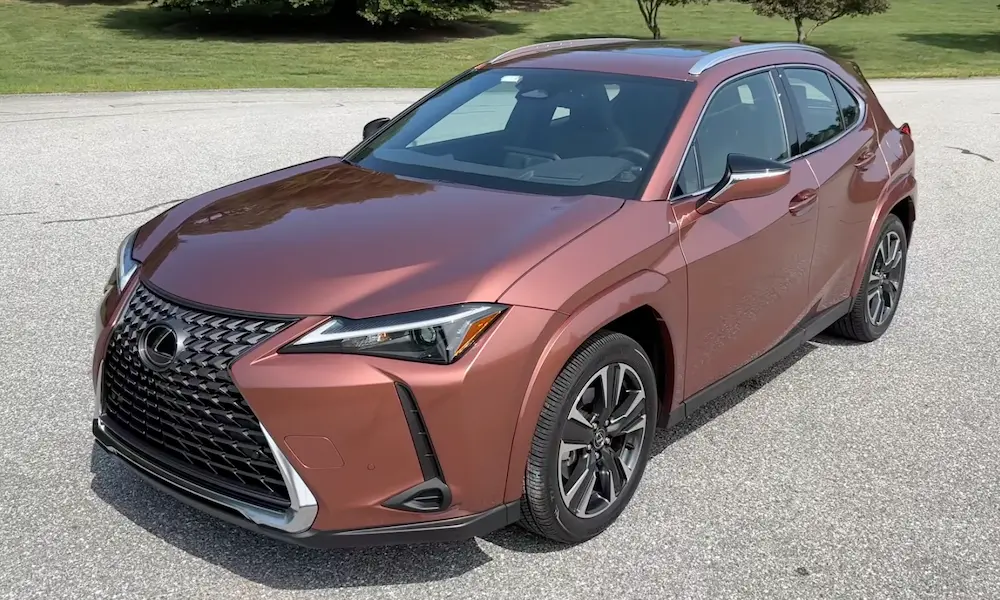
Contemporary Lexus vehicles continue incorporating ECT Power across their lineup. The Direct-Shift CVT used in models like the UX 200 combines a physical launch gear with CVT operation.
This setup addresses traditional CVT limitations—that rubber-band feel and sluggish response—while maintaining efficiency benefits. ECT Power mode in these vehicles optimizes both the launch gear and CVT operation.
Performance-oriented models retain conventional automatic transmissions with ECT Power functionality. These applications provide the most dramatic benefits from ECT Power mode, as stepped gear ratios respond more noticeably to altered shift programming.
Smart Usage Strategies
When to Press That Button
Use ECT Power selectively rather than leaving it on permanently. Engaging the system only when additional performance is genuinely needed maximizes benefits while minimizing fuel economy penalties.
Here’s a practical approach: press it before merging onto highways, when towing, or during mountain drives. Leave it off during routine commuting and parking lot maneuvering.
Reading Driving Conditions
Monitor your environment to determine when ECT Power provides meaningful advantages. Heavy traffic requiring frequent lane changes? Hit the button. Stop-and-go city driving? Save the fuel and leave it off.
Steep terrain clearly benefits from ECT Power. Flat highways at steady speeds? Normal mode is probably fine.
Building Better Habits
Think of ECT Power as your transmission’s performance mode—available when you want it, unnecessary when you don’t.
| Scenario | ECT Power Recommended | Why |
|---|---|---|
| Towing trailers | Yes | Maintains power band, prevents gear hunting |
| Highway merging | Yes | Provides immediate throttle response |
| City commuting | No | Wastes fuel without meaningful benefit |
| Mountain driving | Yes | Optimizes gear selection on inclines |
| Parking lots | No | Unnecessary responsiveness, poor fuel economy |
| Passing maneuvers | Yes | Delivers confident acceleration |
Maintenance Considerations for Regular Users
Fluid Service Becomes Critical
Regular transmission maintenance becomes more important for frequent ECT Power users. Following manufacturer service intervals and using recommended fluid specifications help ensure reliable operation under increased demands.
Don’t stretch fluid change intervals if you’re regularly using ECT Power. The harder your transmission works, the faster fluid degrades.
Monitoring Performance Changes
Pay attention to how your transmission feels over time. Delayed engagement, unusual noises, or rough shifting deserve attention regardless of ECT Power usage.
Lexus transmissions are remarkably reliable, but they’re not immortal. Early detection of issues prevents expensive repairs down the road.
Making ECT Power Work for You
ECT Power represents one tool among many for optimizing your Lexus driving experience. Understanding when and how to use this feature effectively enhances both performance and satisfaction with your vehicle.
The system exemplifies Lexus’s commitment to providing sophisticated technology that adapts to varying driving needs without compromising reliability and refinement. When used appropriately, it’s a valuable enhancement demonstrating the advanced engineering underlying Lexus transmission systems.
Your Lexus is versatile enough to be both efficient and engaging. ECT Power gives you the choice of which personality you want at any given moment. Use it wisely, maintain your transmission properly, and enjoy the flexibility that comes from having performance available at the press of a button.