That annoying beep-beep-beep when your driveway is clearly empty? Your Lexus parking assist sensors probably just need a good clean. Here’s exactly how to do it right — and what not to do, because some common cleaning habits can permanently damage these sensors.
What Lexus Parking Assist Sensors Actually Do
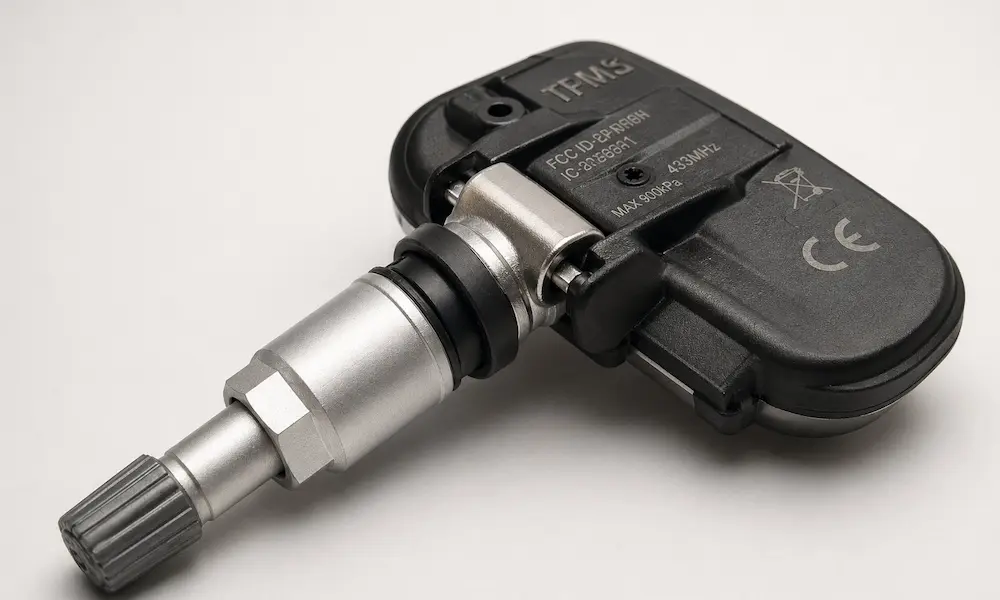
Your Lexus uses ultrasonic sensors to detect nearby objects at low speeds. Each sensor emits high-frequency sound waves. When those waves bounce off something, the sensor measures the return time and calculates the distance.
It’s clever tech — but it’s also sensitive. Anything coating the sensor face (dirt, salt, wax, ice) interferes with those sound waves. The result? False alarms, missed obstacles, or a flat-out system failure.
Most Lexus models run eight sensors minimum, split between the front and rear bumpers. The RX 350 and NX 350 with Advanced Park jump up to twelve sensors, including side-mounted units near the wheel arches.
| Lexus Model | Standard Sensors | Advanced Park Sensors |
|---|---|---|
| RX 350 | 8 | 12 |
| NX 350 | 8 | 12 |
| ES 350 | 8 | N/A |
Every single one of those sensors needs a clear, unobstructed face to work properly.
What Your Dashboard Is Trying to Tell You
Before grabbing the cleaning supplies, check what message your Lexus is actually showing. There’s a big difference between the two warning messages.
“Clean Parking Assist Sensor” — This one’s on you. It means something physical is blocking one or more sensors. Snow, mud, dried salt, and wax buildup are the usual suspects. A solid clean usually fixes this.
“Check Parking Assist System” — This points to a hardware or electrical issue. A damaged wire, a knocked sensor, or an internal circuit fault. Cleaning won’t fix this one.
Here’s how the proximity alert system works when everything’s functioning normally:
| Distance from Sensor | Visual Alert | Audio Alert |
|---|---|---|
| 40–60 inches | One amber wave | Slow beep |
| 20–40 inches | Two amber waves | Fast beep |
| 11–20 inches | Amber + red wave | Rapid beep |
| Under 11 inches | All lights on | Continuous tone |
If your car shows a red alert the second you shift into reverse, that’s a classic sign of a dirty sensor — not an actual obstacle.
What You Need to Clean Lexus Parking Assist Sensors
Keep it simple. You don’t need fancy products. You need the right ones.
Your basic kit:
- Two or three high-quality microfiber cloths
- A bucket of warm water
- pH-neutral car shampoo
- A soft-bristled detailing brush or old toothbrush (for stubborn buildup)
That’s genuinely it for routine cleaning. Microfiber is non-negotiable here — cotton towels and paper products leave scratches on the sensor face that trap dirt later.
Step-by-Step: How to Clean Lexus Parking Assist Sensors
Follow this sequence every time. It takes about ten minutes.
Step 1 — Low-pressure rinse first. Use a gentle stream of water to knock off loose grit. This step prevents you from dragging abrasive particles across the sensor face during washing.
Step 2 — Soak the sensors. Dip a microfiber cloth in your soapy water and lay it gently over each sensor for 30–60 seconds. Let the shampoo do the work of breaking down the bond between dirt and the sensor surface.
Step 3 — Wipe with fingertip pressure. Move the cloth in a gentle circular motion. Use your fingertip behind the cloth — not your whole palm. You want focused, light pressure directly on the sensor.
Step 4 — Clean the gap. The seam between the sensor and the bumper collects wax residue and fine grit. Use the edge of your microfiber cloth or a soft detailing brush to clean this gap out.
Step 5 — Rinse clean. Flush the area with fresh water. Check visually — the sensor face should look uniform and streak-free.
Step 6 — Pat dry. Pat, don’t rub. Rubbing generates static electricity, which can temporarily affect sensor sensitivity and attract fresh dust.
The Wax Problem Nobody Talks About
This one trips up a lot of Lexus owners during detailing. Automotive wax fills microscopic surface imperfections beautifully on paint — but on a parking sensor, it acts as an acoustic insulator. It dampens the vibrations the sensor needs to emit sound waves correctly.
Even worse: wax residue builds up in the gap around the sensor, forming that chalky white crust. This physically restricts the sensor’s ability to vibrate freely.
How to remove wax from sensors safely:
Don’t use fingernails or plastic scrapers. Instead, wet a soft toothbrush with a diluted all-purpose cleaner (label must say “paint safe”) and gently agitate the wax until it breaks into a slurry. Wipe clean with a microfiber cloth.
When you’re detailing your Lexus, apply wax to the paint around the sensor — but tape off the sensor itself, or carefully work around it. Five extra minutes during detailing saves you an annoying “Clean Sensor” warning on your Monday morning commute.
Winter Cleaning: Ice, Salt, and Everything the Rust Belt Throws at You
If you’re in the northern U.S., winter is the real test for your parking sensors.
Ice on sensors: A thin clear ice layer reflects sound waves straight back into the sensor — making your car think it’s touching something. Never use an ice scraper on sensors. The plastic face scratches instantly, and the impact can knock the sensor out of alignment internally.
Instead, use tepid water (not hot — thermal shock can crack the sensor housing) or pull the car into a heated garage. Some de-icer sprays work too, but check the label confirms it’s safe for plastics, then rinse off the residue immediately.
Road salt: Salt is insidious. Lexus owners in the Rust Belt deal with it constantly. Unlike mud, you can’t always see a salt film — but it forms a corrosive coating that, over time, causes “rust jacking” on sensor mounting surfaces and corrodes the electrical connectors behind the bumper.
Rinse your bumper areas and undercarriage at least once a week during winter. Use a salt-neutralizing car shampoo when possible.
| Contaminant | Risk Level | Best Removal Method |
|---|---|---|
| Road mud/dirt | Low | Warm soapy water + microfiber |
| Dried car wax | Moderate | Soft brush + diluted all-purpose cleaner |
| Road salt brine | High | Frequent rinses + salt-neutralizing shampoo |
| Ice | Critical | Tepid water or heated garage — no scrapers |
What Damages Sensors (Stop Doing These Things)
High-Pressure Washers
Pressure washers are one of the most common causes of permanent sensor failure. Machines can exceed 2,000 PSI — far beyond what the rubber seals on parking sensors can handle. Water forced past those seals reaches the internal electronics, causes a short circuit, and you’re buying a replacement sensor.
If you use a pressure washer, keep the nozzle at least 12 inches from any sensor. Never aim directly at the sensor face — always approach at an angle. And never, ever use a zero-degree (red-tip) nozzle anywhere near the bumper.
Steam Cleaners
High-temperature steam warps the plastic sensor housing and destroys the internal adhesive bonds. It can also permanently alter the resonant frequency of the ultrasonic transducer — essentially making the sensor deaf. Keep steam well away from bumper electronics.
Aggressive Scraping (Especially in Winter)
Sensor faces are softer than windshield glass. Any scraper — even a plastic one used firmly — gouges the surface. Gouges create ridges that trap dirt, which means you’ll be dealing with false alerts more frequently going forward. The impact can also shift the sensor’s internal mounting, throwing off its alignment.
Check Your Sensor Alignment While You’re At It
Dirt isn’t the only culprit behind parking assist problems. Sensors that look clean can still malfunction if they’re not seated correctly.
Each sensor must sit flush with the bumper and point precisely at its designed angle. Even a small bump — the kind that doesn’t leave a visible mark — can nudge a sensor off its mounting bracket. If it’s pointing slightly down, it reads the ground as a constant obstacle. Slightly up, and it misses real ones.
Do a quick visual check periodically. If a sensor looks recessed compared to the others, or wobbles slightly when you press it, it may need to be re-clipped. Check the mounting area for trapped debris preventing a secure fit.
Watch for Rodent Damage Too
In many parts of the U.S., squirrels and mice chew through parking sensor wiring harnesses. Modern wire insulation often uses soy-based materials that animals find attractive. Since this wiring sits in the protected space behind the bumper, it’s a prime target.
Chewed wiring typically triggers a “Check Parking Assist System” message rather than the “Clean Sensor” message. Look for frayed wires or chewed plastic near the bumper. Rodent-repellent tape on the harness or ultrasonic deterrents in your parking area can help prevent this.
Your Seasonal Maintenance Checklist
Build sensor care into your regular car routine and you’ll almost never see that warning light.
| Season | Focus | Tool |
|---|---|---|
| Spring | Full salt decontamination + inspect for rust jacking | Salt-neutralizing rinse |
| Summer | Remove insect remains, UV protection for plastic | Bug remover + microfiber |
| Autumn | Clear leaves and twigs from bumper gaps | Compressed air or soft brush |
| Winter | Manage ice, rinse salt weekly | Tepid water + heated parking |
Keep a few microfiber cloths in your glovebox. After driving through a construction zone, heavy rain, or a snowstorm, give the bumpers a quick wipe-down before parking. That five-minute habit prevents most common sensor failures before they start.
Bird droppings and tree sap deserve immediate attention — both are acidic and etch sensor surfaces when left in direct sun. A quick spray of clean water or an automotive waterless wash removes them safely before they harden.
Your Lexus parking assist system is doing real safety work every time you park. A clean microfiber cloth and some warm soapy water are all it takes to keep it doing that job reliably.