Worried your Lexus hybrid battery won’t make it to 200k miles? You’re asking the right question before it becomes an expensive surprise. The short answer is longer than you’d think — but the full picture depends on a few key factors. Stick around, because understanding this could save you thousands of dollars and a lot of unnecessary stress.
The Honest Lifespan of a Lexus Hybrid Battery
Most Lexus service centers put the standard benchmark at 150,000 miles or about 15 years, whichever comes first. That’s a conservative estimate designed to cover a wide range of driving conditions across the U.S.
In real-world use, though, many owners push well past that. It’s not uncommon to hit 200,000 miles with the original battery still running strong — especially with good maintenance habits.
Here’s how Lexus hybrid batteries stack up against other battery types:
| Battery Type | Expected Lifespan (Years) | Expected Lifespan (Miles) |
|---|---|---|
| Standard Lead-Acid (12V) | 3–5 Years | N/A |
| Hybrid Traction Battery (NiMH) | 8–12 Years | 100,000–150,000 |
| Hybrid Traction Battery (Li-Ion) | 10–15+ Years | 150,000+ |
| Full Electric (BEV) Traction Battery | 15–20 Years | 200,000+ |
The secret behind that longevity? The Lexus Hybrid Synergy Drive system uses a shallow-cycling strategy — it keeps the battery charge in a safe middle zone, avoiding the stress of deep discharge or overcharging. That’s a completely different approach from your phone battery, and it makes a massive difference over time.
What Your Warranty Actually Covers
The 2020 Warranty Extension That Changed Everything
Here’s a big win for Lexus buyers. Starting with 2020 model year vehicles, Lexus extended hybrid battery coverage to 10 years or 150,000 miles. Pre-2020 models got 8 years or 100,000 miles. That’s still solid, but the newer coverage is genuinely impressive.
Even better — this warranty transfers with the vehicle. If you buy a used Lexus hybrid, the battery warranty follows the car, not the original owner. That’s a serious resale advantage and removes a lot of the anxiety around buying used.
Just note: other hybrid components like the inverter and converter typically keep the original 8-year/100,000-mile terms.
If You Live in a California-Standard State, You’re Even Better Protected
California’s emissions rules require a 10-year or 150,000-mile battery warranty on qualifying hybrid vehicles. Plenty of states follow those same rules.
| State | Battery Warranty Coverage |
|---|---|
| California | 10 Years / 150,000 Miles |
| New York | 10 Years / 150,000 Miles |
| Massachusetts | 10 Years / 150,000 Miles |
| New Jersey | 10 Years / 150,000 Miles |
| Oregon | 10 Years / 150,000 Miles |
| Colorado (2022+) | 10 Years / 150,000 Miles |
Connecticut, Delaware, Maine, Maryland, Pennsylvania, Rhode Island, Vermont, and Washington have also adopted California’s standards at various points. Your specific coverage depends on your vehicle’s emissions certification — so check your warranty guide if you’re in one of these states.
What Actually Kills a Hybrid Battery Early
Heat Is Your Battery’s Worst Enemy
Extreme heat accelerates battery degradation faster than anything else. High temperatures break down the electrolyte inside the cells and ramp up internal resistance. That resistance creates even more heat — it’s a vicious cycle that can wreck a battery long before its time. If you’re in Arizona, Texas, or anywhere in the Southwest, this applies directly to you.
Cold weather is less destructive but still causes problems. It reduces the battery’s ability to deliver and accept current, which forces the gasoline engine to run more often in winter.
Sitting Unused Is Surprisingly Risky
Inactivity is one of the most common causes of failure in low-mileage vehicles. If your hybrid sits for weeks without being driven, the high-voltage battery slowly self-discharges. Drop below a critical voltage threshold, and the hybrid control module may refuse to let the car start — protecting the system, but leaving you stranded.
Regular driving isn’t just good for the car emotionally. It literally keeps the battery healthy.
| Driving Pattern | Effect on Battery | What to Do |
|---|---|---|
| Long highway drives | Great — stable charge cycles | Keep doing it |
| Frequent short trips | Sub-optimal — battery doesn’t fully warm up | Combine trips when you can |
| Long-term storage | High risk — deep discharge likely | Drive at least every 14 days |
| Aggressive city driving | High stress — rapid charge/discharge | Use smooth acceleration and braking |
Signs Your Lexus Hybrid Battery Is Starting to Fail
Lexus hybrid batteries don’t usually die overnight. They give you warnings. Here’s what to watch for:
Fuel Economy That Keeps Getting Worse
If your MPG is dropping and you haven’t changed your driving habits, that’s a strong early sign of battery capacity loss. The engine runs longer to compensate for a battery that can’t hold a good charge. You’ll also notice the engine doesn’t shut off at stoplights like it used to.
Erratic Charge Gauge Behavior
A healthy battery shows steady, gradual charge movement. A failing battery jumps erratically — shooting up fast, then crashing right back down. That behavior means the battery’s lost real capacity and is just holding surface charge.
A Loud Fan From the Back Seat Area
Your hybrid battery has a dedicated cooling fan. If it’s running constantly and loudly, the battery is working too hard to stay cool. Often, it’s just a clogged filter — but it can also signal deeper cell issues.
The Check Hybrid System Warning Light
This light means the system has detected a real problem. Your car may enter a limp mode. The gas engine can usually keep you moving, but get it checked immediately.
| Symptom | Severity | Likely Cause |
|---|---|---|
| Reduced MPG | Low | Early capacity loss |
| Rapid charge fluctuations | Medium | High cell resistance |
| Loud cooling fan | Medium | Clogged filter or overheating |
| Check Hybrid System light | High | Cell failure or module imbalance |
| Engine won’t start | Critical | Deep discharge or total failure |
The One Maintenance Task That Extends Battery Life
Clean your battery cooling filter. That’s it. It’s the single most effective thing you can do to protect your hybrid battery.
The battery sits inside your car — under the rear seat or in the cargo area — and pulls air from the cabin to cool itself. There’s a mesh filter on that intake vent. Over time, it collects dust, pet hair, and debris. When it clogs, airflow drops, temperatures spike, and the battery degrades faster.
Lexus recommends inspecting this filter every 10,000 miles and cleaning or replacing it every 20,000 miles. If you have pets or drive in dusty areas, check it more often.
A NHTSA technical service bulletin also specifically flags the importance of HV battery cooling fan maintenance for vehicles in severe use — further proof this isn’t something to ignore.
Cleaning takes five minutes. Vacuum the mesh or hit it with compressed air. Just don’t cover those vents with cargo, floor mats, or blankets — even short-term blockage can spike battery temps fast.
What Battery Replacement Actually Costs
When a battery does need replacing out of warranty, you’ve got real options. Here’s the full landscape:
| Replacement Type | Estimated Cost | Warranty | What You Get |
|---|---|---|---|
| New OEM (Dealer) | $4,000–$8,000 | 1–3 Years | Factory-fresh cells; highest reliability |
| Remanufactured | $2,000–$3,500 | 18 months–3 Years | Balanced used cells; good value |
| New Aftermarket Cells | $2,000–$4,500 | 3–4 Years | New tech, sometimes better than OEM |
| Refurbished (Used) | $1,000–$2,000 | 6–12 Months | Dead cells replaced only; higher risk |
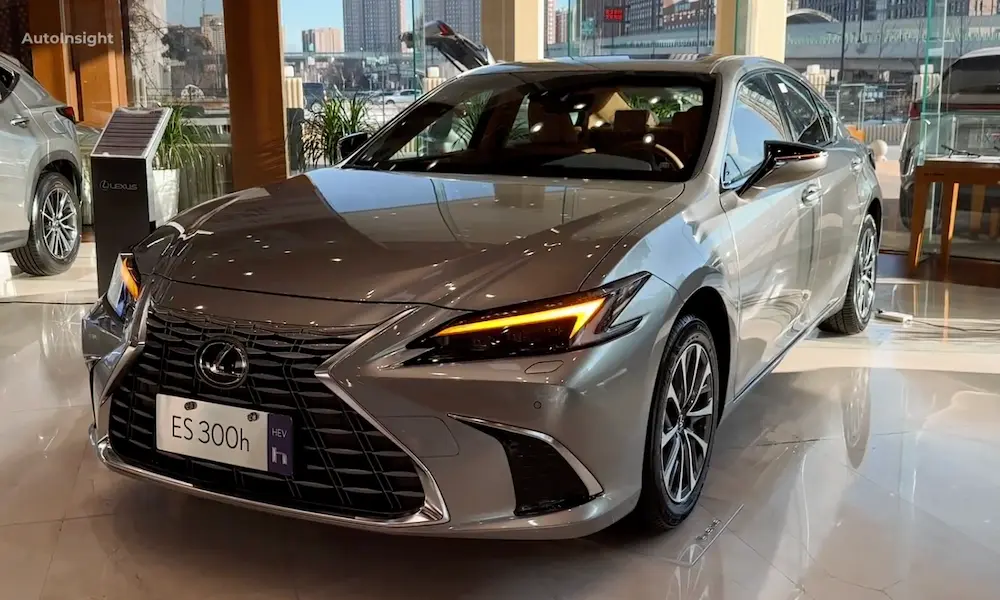
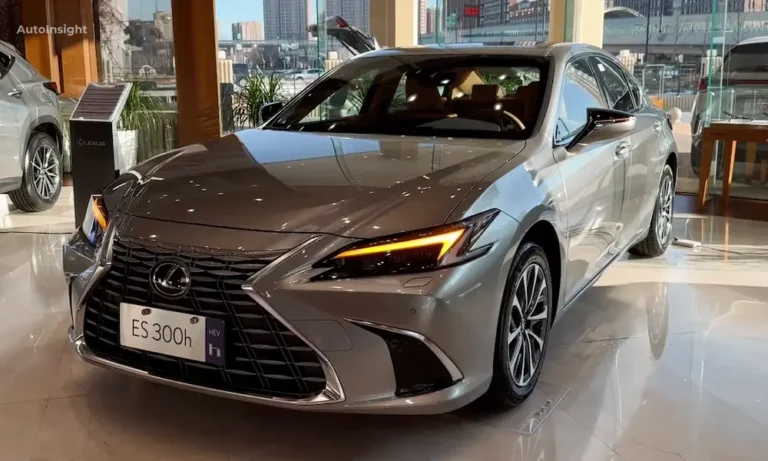
A new OEM battery for a model like the ES 300h runs close to $4,870 before labor. Add installation and you’re looking at up to $8,000 all-in. That’s steep, but it comes with factory-backed peace of mind.
Remanufactured options from companies like Greentec Auto and CDM Performance give you solid reliability at a much lower price point. Some aftermarket replacements even use updated lithium-ion cells that outperform the original chemistry.
If your battery is showing imbalance but hasn’t failed completely, reconditioning is another route. It uses specialized equipment to deep-cycle and balance the modules. It’s cheaper, but it’s often a temporary fix — not a long-term solution.
Proof That Lexus Hybrid Batteries Go the Distance
Still skeptical? Look at the real-world data.
A 2014 Lexus CT 200h hit one million miles and needed just one battery replacement over its entire lifespan. That’s extraordinary by any standard.
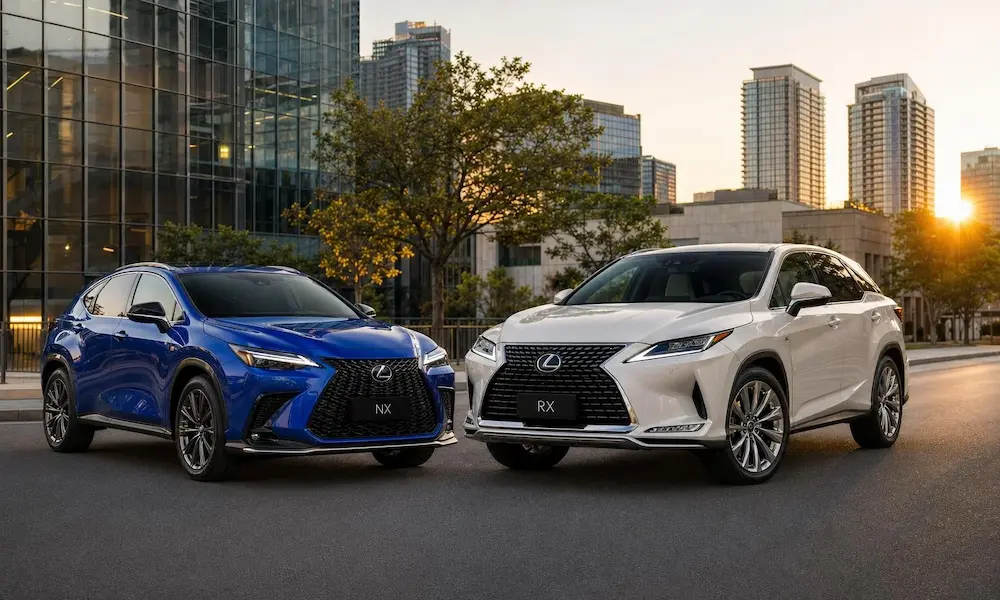
Early Lexus RX 400h models — some of the first luxury hybrids ever sold — are still on the road today with original batteries and 250,000 miles or more on the clock. The NiMH technology Lexus chose was built to outlast the average driver’s expectations by a wide margin.
These aren’t outliers. They’re what consistent use and basic maintenance can produce.
Quick Tips to Maximize Your Battery’s Life
- Drive regularly — at least once every two weeks for 30+ minutes if the car is in storage
- Park in the shade or garage during summer — cooler cabin air = cooler battery
- Use your AC on hot days — it benefits the battery, not just you
- Keep the 12V battery healthy — a weak 12V creates stress on the hybrid control system
- Clean that cooling filter — every 20,000 miles, no excuses
- Get a diagnostic scan every two years on out-of-warranty vehicles — catching a module imbalance early beats replacing the whole pack
Lexus hybrid batteries aren’t something to fear. With the right care — and the solid warranty backing them up — they’re one of the most reliable components in the vehicle. The engineering is solid, the real-world track record backs it up, and the replacement market offers affordable options if you ever need them.