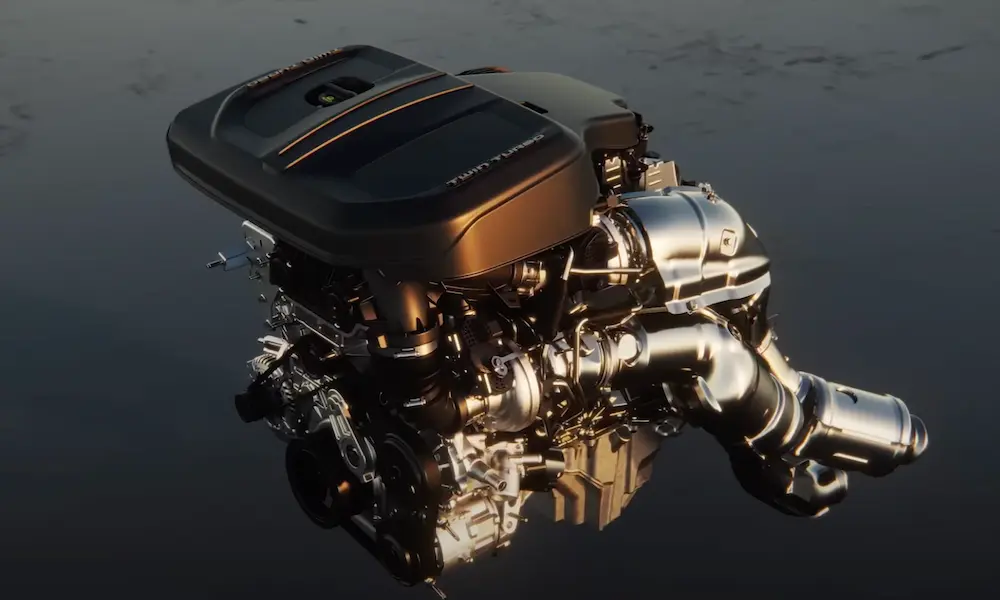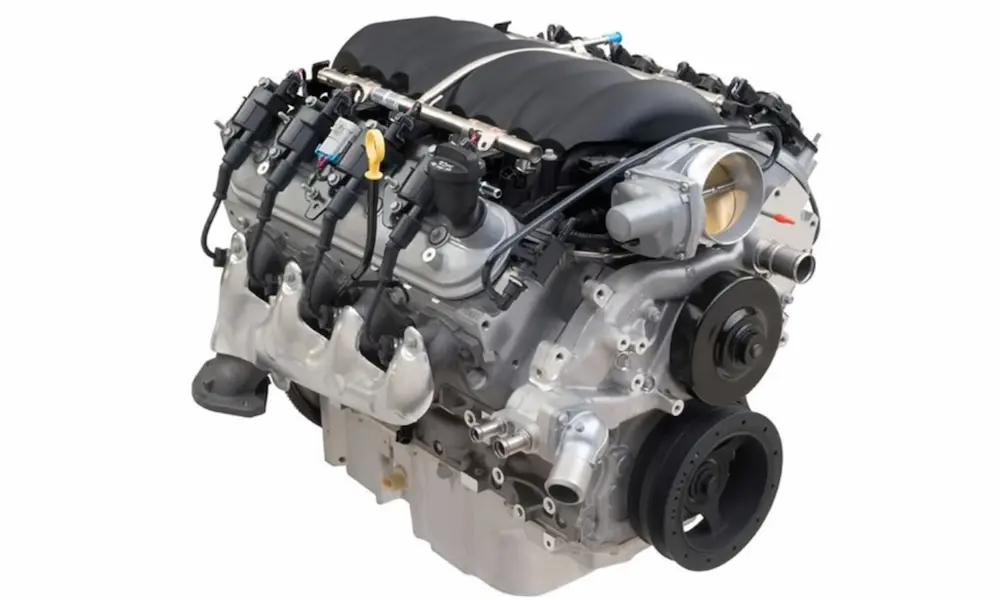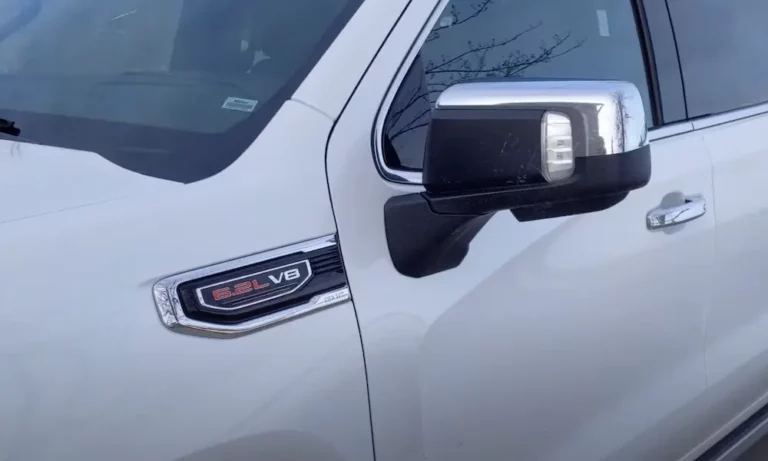
Having engine trouble with your GM truck or SUV? If you’ve got a 2021-2024 vehicle with the 6.2L V8 L87 engine, you’re not alone. General Motors has recalled over 721,000 vehicles worldwide due to serious engine defects. Let’s break down what’s happening, how to spot problems, and what you can do to protect yourself and your vehicle.
What’s Wrong With the GM 6.2L L87 Engine?
The recall addresses manufacturing defects in the engine’s connecting rods and crankshafts that can cause sudden engine failure. The problems stem from:
- Contaminated crankshaft oil galleries containing sediment and machining debris
- Poor quality crankshaft surface finishes that don’t meet specifications
- Bearing wear leading to progressive damage that can escalate to complete engine seizure
These issues weren’t just minor inconveniences. According to the NHTSA recall report, the defects can cause “loss of propulsion” – meaning your engine could shut down suddenly while driving.
Which Vehicles Are Affected?
The recall spans across multiple GM brands and involves these models:
| Brand | Model | Production Years | Approximate U.S. Units |
|---|---|---|---|
| Chevrolet | Silverado 1500 | 2021-2024 | 153,600 |
| Chevrolet | Tahoe/Suburban | 2021-2024 | 104,000 |
| GMC | Sierra 1500 | 2021-2024 | 153,600 |
| GMC | Yukon/Yukon XL | 2021-2024 | 82,800 |
| Cadillac | Escalade/Escalade ESV | 2021-2024 | 125,900 |
In total, nearly 600,000 vehicles in the U.S. are affected, with additional vehicles in Canada and other markets bringing the worldwide total to 721,000.
Warning Signs Your L87 Engine Might Be Failing
Don’t wait for complete engine failure. Watch for these early warning signs documented in NHTSA complaints:
- Metallic rattling noise (rod knock) at 1,800-2,200 RPM
- Fluctuating oil pressure readings
- Check engine light with codes P0521 or P06DD
- Unusual vibrations at idle or acceleration
- Black smoke from the exhaust
- Metal shavings in your oil during changes
If your engine reaches catastrophic failure, you might experience:
- Sudden loss of oil pressure
- Engine locking up completely
- Loss of power while driving at highway speeds
GM’s Three-Phase Fix for the L87 Recall
According to the NHTSA remedy documents, GM is implementing a three-step approach:
Phase 1: Diagnostic Testing
Dealers will use specialized equipment (PicoScope diagnostics) to analyze knock sensor readings and detect bearing wear patterns. This test can identify engines at risk before they fail completely.
Phase 2: Oil Change and Updates
If your engine passes the initial inspection, dealers will:
- Switch you to Mobil 1 0W-40 Supercar oil (instead of the original 0W-20)
- Replace your oil fill cap
- Update your owner’s manual with new maintenance requirements
Phase 3: Component or Engine Replacement
For engines showing signs of damage:
- If damage is localized, the crankshaft and connecting rods may be replaced
- For severely damaged engines, GM will install a complete new long-block assembly
GM anticipates that about 3% of the affected vehicles (approximately 21,600 engines) will require full replacement.
What You Should Do If You Own an Affected Vehicle
1. Confirm Your Vehicle Is Part of the Recall
Check if your VIN is included in the recall by:
- Visiting NHTSA’s recall lookup tool
- Contacting your local GM dealer
- Calling GM customer service (Chevrolet: 800-222-1020, GMC: 800-462-8782, Cadillac: 800-458-8006)
2. Schedule Your Service Appointment
Don’t delay. OEM DTC reports that dealers are prioritizing high-risk vehicles first, but parts shortages have caused delays for some repairs.
3. Document Everything
If you’ve already experienced issues:
- Keep all service records
- Document any symptoms or problems
- Save emails or communications with dealers
- Take photos or videos of any visible issues
This documentation could be important if you join one of the class-action lawsuits that have been filed.
4. Consider Interim Precautions
While waiting for your appointment:
- Get your oil changed more frequently
- Consider switching to 0W-40 oil even before your dealer visit
- Avoid heavy towing or high-stress driving conditions
- Pay close attention to any unusual engine sounds or performance issues
Financial Implications of the L87 Recall
The recall has several financial impacts worth understanding:
Repair Costs
The good news: GM is covering repair costs under the recall. According to Torque News, a full engine replacement costs about $8,500, but GM will absorb this expense for affected vehicles.
Vehicle Value Impact
Unfortunately, the recall has caused:
- Approximately 14% decline in resale values for affected Silverado and Sierra models
- Increased scrutiny from potential buyers of used GM trucks
- Longer selling times for affected models on the used market
Extended Warranty Options
If your vehicle is affected but hasn’t yet had problems, consider:
- Factory extended warranty options
- Third-party warranty coverage specifically for powertrain
- Asking your dealer about goodwill assistance beyond warranty periods
Understanding the Technical Root Causes
For those interested in the engineering details, the L87 engine problems stem from several technical issues:
Manufacturing Quality Control Failures
Documents referenced by Car and Driver indicate that GM’s supplier had:
- Inadequate post-machining cleaning processes, leaving debris in oil passages
- Calibration problems with CNC equipment, producing out-of-spec crankshafts
- Quality control failures that allowed defective components to reach production
Design Vulnerabilities
YouTube teardown analyses like this one show that the L87’s design made it particularly vulnerable:
- The Active Fuel Management (AFM) and Dynamic Fuel Management (DFM) systems depend on precise oil pressure
- Oil contamination quickly compromises these complex systems
- The bearing design has less tolerance for manufacturing variances than older engines
Legal Developments Around the L87 Recall
Multiple class-action lawsuits have been filed related to the L87 engine issues:
- A Hagens Berman lawsuit claims GM knew about the defects but concealed them
- Norman Taylor & Associates cites 878 NHTSA complaints predating the recall
- Multi-district litigation is consolidating over 200 individual suits
These lawsuits allege:
- Breach of warranty
- Consumer fraud
- Negligence
- Financial harm to owners
Some lawsuits are also seeking to include 2019-2020 models with similar engines, which weren’t part of the official recall.
Long-Term Reliability Considerations
If you plan to keep your vehicle after the recall repairs:
Maintenance Recommendations
- Follow the revised maintenance schedule with shorter oil change intervals
- Use only the specified 0W-40 oil (not the originally recommended 0W-20)
- Consider aftermarket oil analysis services to check for metal particles
- Be cautious with engine modifications or tuning
Extended Ownership Strategies
For long-term owners, consider these protection strategies:
- Keep detailed maintenance records to support any future claims
- Research independent supplier options for parts if you plan to keep the vehicle beyond warranty
- Join owner forums to stay informed about emerging issues or solutions
How the L87 Recall Compares to Other Engine Recalls
This isn’t GM’s first major engine recall, but it is one of the most significant in recent years:
- The L87 recall affects more vehicles than the 2016 Duramax diesel issue
- It involves more expensive repairs than many prior recalls
- The failure mode (sudden engine stoppage) has serious safety implications
Other manufacturers have had similar issues:
- Ford’s 5.0L Coyote V8 had oil consumption problems
- Stellantis (FCA) recalled certain Hemi engines for bearing failures
- Toyota’s 3.5L V6 had oil line defects in certain years
Industry Lessons and Future Outlook
This recall highlights several trends in the auto industry:
- Complex engine technologies like cylinder deactivation introduce new failure points
- Supply chain quality control becomes more critical with precision components
- Manufacturer response time to emerging problems significantly affects customer trust
Going forward, we may see:
- More conservative engine designs with fewer cutting-edge features
- Enhanced supplier monitoring and component testing
- Accelerated transition to electrification as manufacturers seek to reduce mechanical complexity