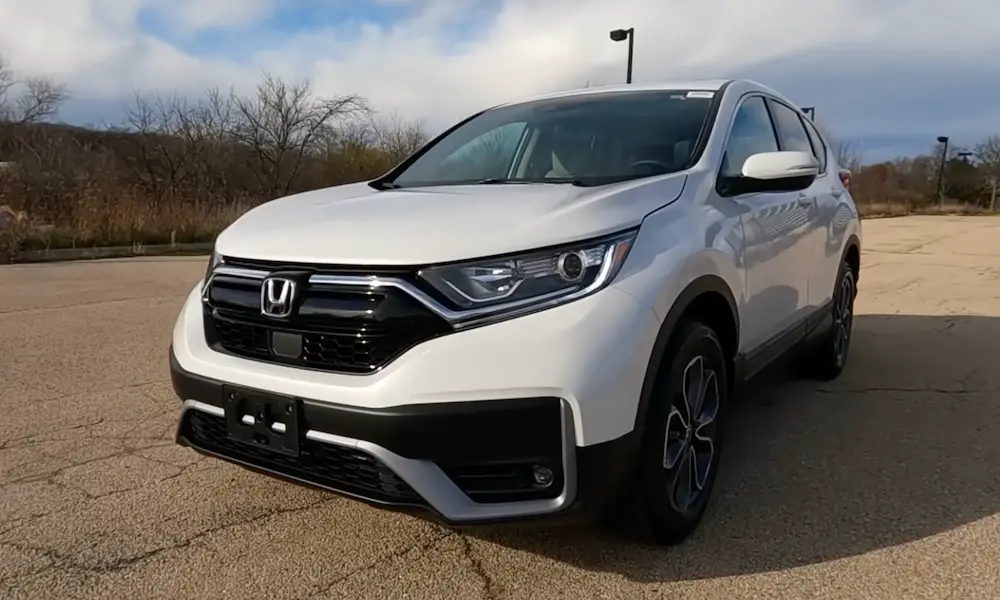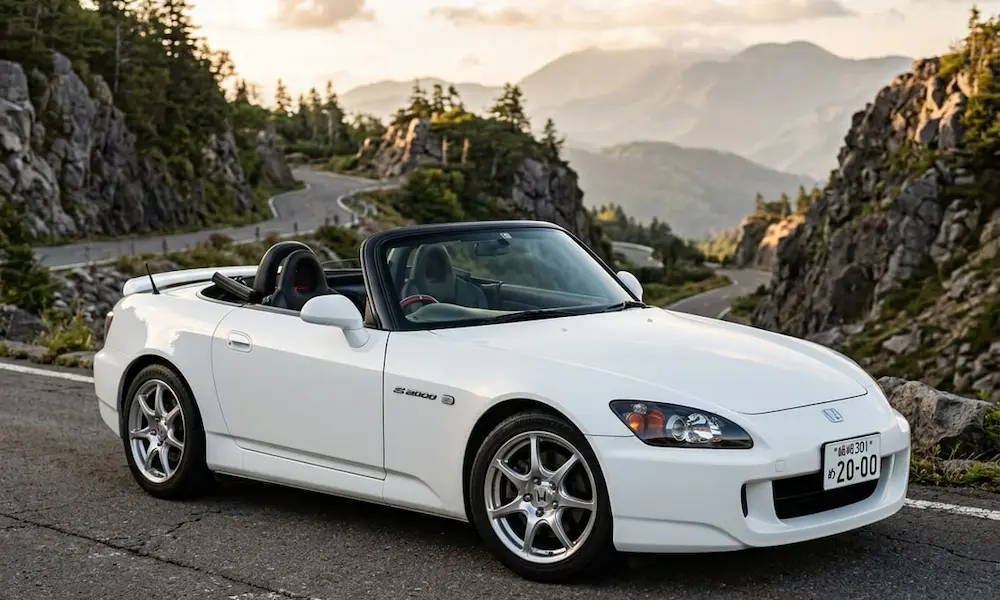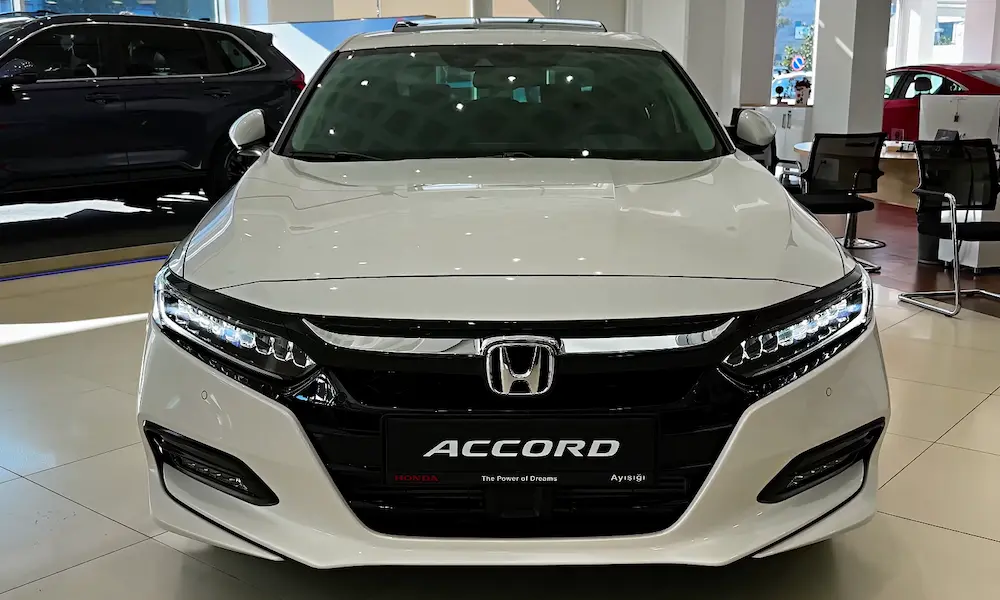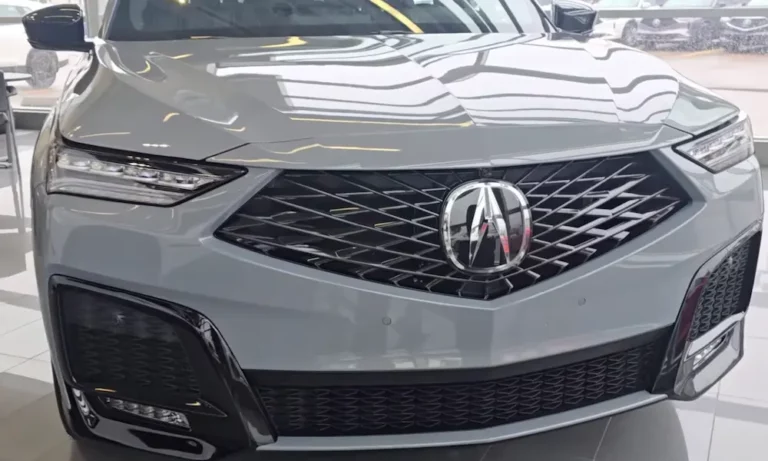
Ever noticed how an Acura MDX looks suspiciously similar to a Honda Pilot? Or wondered why both brands seem to share that same reliability reputation? You’re not imagining things. These two brands are definitely related—but they’re not identical twins. Let’s dive into what makes Acura and Honda both similar yet distinctly different.
The Family Tree: How Acura and Honda Are Connected
Acura is actually Honda’s luxury division. Born in 1986, Acura became America’s first Japanese luxury automotive brand, beating both Lexus and Infiniti to market. Honda created Acura to compete with European luxury brands without diluting Honda’s mainstream, value-focused image.
Think of it like this: Honda is the practical, reliable family member everyone counts on, while Acura is its more sophisticated sibling with expensive taste and a love for performance.
Engineering DNA: What These Brands Share
Despite their different badges, Acura and Honda vehicles share fundamental engineering elements:
- Same parent company: Both are manufactured by Honda Motor Company
- Shared platforms: Many models use the same basic structural designs
- Similar engines: Often derived from the same engine families
- Manufacturing facilities: Many Acuras roll off the same assembly lines as Hondas
According to industry reports, this shared DNA helps Acura maintain Honda’s legendary reliability while adding luxury elements. For example, the safety systems found in both brands (Honda Sensing and AcuraWatch) share core technologies—though Acura often includes more features as standard.
Key Differences That Set Them Apart
Despite sharing mechanical foundations, Honda and Acura target different drivers with distinct differences:
Price Point and Market Position
Honda positions itself as an affordable, practical option for everyday drivers. Acura aims at the luxury market but at a more accessible price point than European luxury brands.
| Brand | Starting Price Range | Target Market | Value Proposition |
|---|---|---|---|
| Honda | $20,000 – $40,000 | Mainstream, value-conscious | Reliability, practicality, affordability |
| Acura | $30,000 – $60,000 | Luxury segment, performance-minded | Premium experience, driving dynamics, tech features |
Performance and Engineering Focus
While both brands make quality vehicles, their performance priorities differ significantly:
- Honda: Focuses on efficiency, practicality and everyday reliability
- Acura: Emphasizes “Precision Crafted Performance” with more powerful engines and sport-tuned suspensions
A perfect example is Acura’s exclusive Super Handling All-Wheel Drive (SH-AWD) system, which offers superior cornering and performance capabilities not found in standard Honda models. The Acura TLX Type S delivers 355 horsepower from its turbocharged V6—significantly more than what you’ll find in Honda’s sedan lineup.
Luxury Appointments and Features
Step inside an Acura, and you’ll immediately notice the upgrade in materials and amenities:
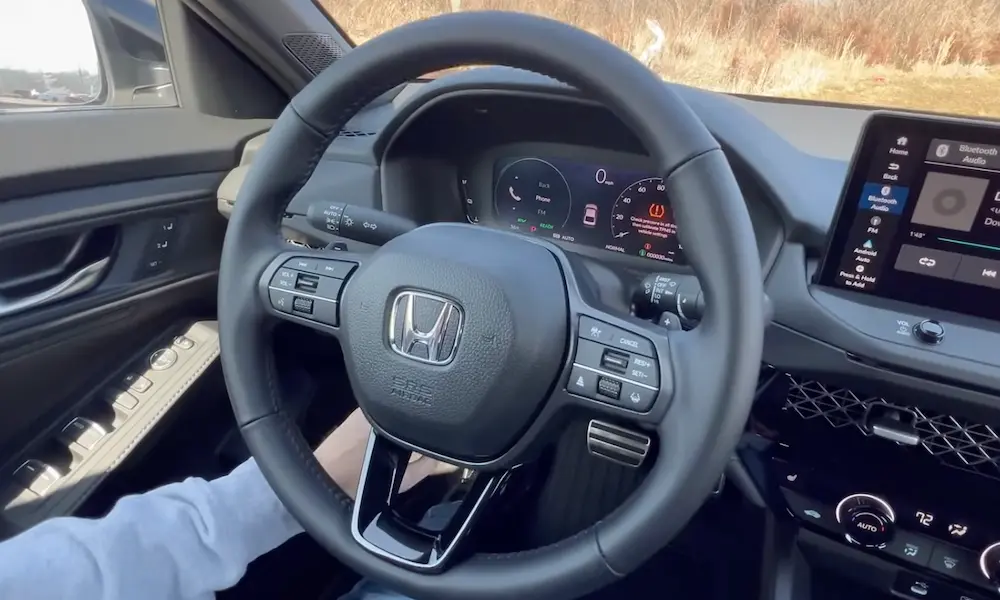
- Interior materials: Acura uses genuine leather, real wood, and premium metals while Honda typically offers cloth or leatherette
- Sound systems: Acura partners with ELS Studio for premium audio experiences
- Technology: Acura often introduces advanced features before they trickle down to Honda models
Even when models share platforms (like the Honda CR-V and Acura RDX), the Acura version includes significantly more sound insulation, higher-grade materials, and additional technology features.
Model Comparisons: The Honda-Acura Parallels
Many Acura models have Honda counterparts that share basic architecture. Here’s how some popular models align:
| Honda Model | Acura Equivalent | Key Differences |
|---|---|---|
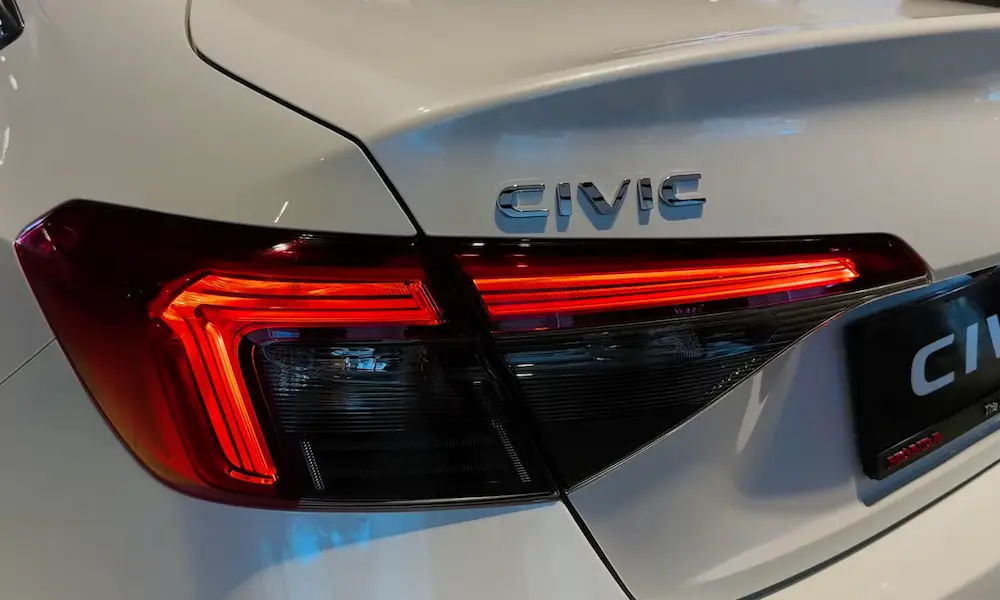
| Honda Civic | Acura Integra | More power, luxury interior, better sound insulation |
| Honda CR-V | Acura RDX | More powerful engine, SH-AWD available, premium materials |
| Honda Pilot | Acura MDX | Third-row standard, more tech features, premium audio |
Reliability and Maintenance: Are They Still Honda-Reliable?
Good news if you’re considering an Acura: that famous Honda reliability carries over. According to reliability data, both brands receive nearly identical reliability ratings (4.0/5.0 from RepairPal).
However, there are some ownership cost differences:
- Parts commonality: Many mechanical components are interchangeable, keeping costs reasonable
- Premium requirements: Acura often requires premium fuel for optimal performance
- Service intervals: Similar maintenance schedules, though Acura dealerships typically charge more for labor
- Warranty coverage: Acura offers slightly better warranty protection (4-year/50,000 miles vs. Honda’s 3-year/36,000 miles)
The Driving Experience: Feel the Difference
The biggest distinction between these brands isn’t on a spec sheet—it’s behind the wheel. Acura invests considerably in creating a more refined driving experience:
- Quieter cabins: Additional sound insulation makes Acuras noticeably quieter
- Handling precision: Acuras feature more sophisticated suspension tuning
- Ride comfort: Adaptive dampers in higher-end Acuras provide both sportiness and comfort
- Acceleration: More powerful engines deliver quicker acceleration in Acura models
As industry experts note, Acura’s development teams focus specifically on creating a more engaging and premium driving experience than their Honda counterparts.
Who Buys Honda vs. Acura?
The typical Honda buyer differs from the Acura customer in several key ways:
Honda’s Target Customer:
- Values practicality and reliability above all
- Budget-conscious but wants quality
- Prioritizes resale value and low ownership costs
- Often families, first-time buyers, or practical-minded consumers
Acura’s Target Customer:
- Desires luxury touches but remains value-conscious
- Appreciates performance but needs everyday usability
- Often professionals seeking to project success without extravagance
- Typically has higher income but maintains practical sensibilities
Is the Acura Premium Worth It?
Whether the Acura premium is justified depends entirely on what you value in a vehicle:
Choose Honda if you:
- Prioritize maximum value and lowest ownership costs
- Don’t care about luxury touches or status
- Want simple, straightforward practicality
- Need the most affordable purchase price
Choose Acura if you:
- Value a more refined driving experience
- Appreciate luxury touches and better materials
- Want more standard features and technology
- Desire more distinctive styling and performance
How Acura Competes in the Luxury Market
Acura occupies an interesting position in the automotive landscape. It’s not trying to be Mercedes-Benz or BMW, but rather offers an alternative approach to luxury:
- Performance-value proposition: Delivers 90% of European luxury performance at 70-80% of the cost
- Reliability edge: Consistently outranks European luxury brands in reliability studies
- Understated luxury: Appeals to buyers who want luxury without flashiness
- Lower depreciation: Typically holds value better than European competitors
As Acura’s own marketing emphasizes, they position themselves as the “smart luxury” choice—premium without the premium price tag or maintenance headaches.
The Evolution of Both Brands
Both Honda and Acura continue to evolve, sometimes blurring the lines between them:
- Honda moving upmarket: Higher trim levels of Hondas now include many luxury features
- Acura emphasizing performance: Recent models like the revived Integra and Type S variants focus on driving dynamics
- Electrification: Both brands are developing electric vehicles, with Acura’s upcoming ZDX leading the way
Which One Should You Choose?
Deciding between Honda and Acura comes down to personal priorities:
Honda makes sense if:
- Your budget is tighter
- You value simplicity and proven reliability
- You don’t need luxury appointments
- You plan to keep the vehicle for many years
Acura makes sense if:
- You can afford to spend a bit more upfront
- You value a more refined driving experience
- Interior quality and materials matter to you
- You want more performance without sacrificing reliability
The Bottom Line: Related But Different
So, are Acura and Honda the same? The answer is both yes and no. They share corporate DNA, engineering philosophy, and manufacturing expertise—but they’re designed for different purposes and different drivers.
Honda builds excellent mainstream vehicles focused on value and practicality. Acura takes that solid foundation and adds luxury, performance, and technology to create a premium experience. Think of them as siblings with distinct personalities rather than twins.
For many buyers, the decision comes down to budget and priorities. A Honda will never disappoint in terms of reliability and value, while an Acura adds that extra touch of luxury and performance for those willing to pay for it.