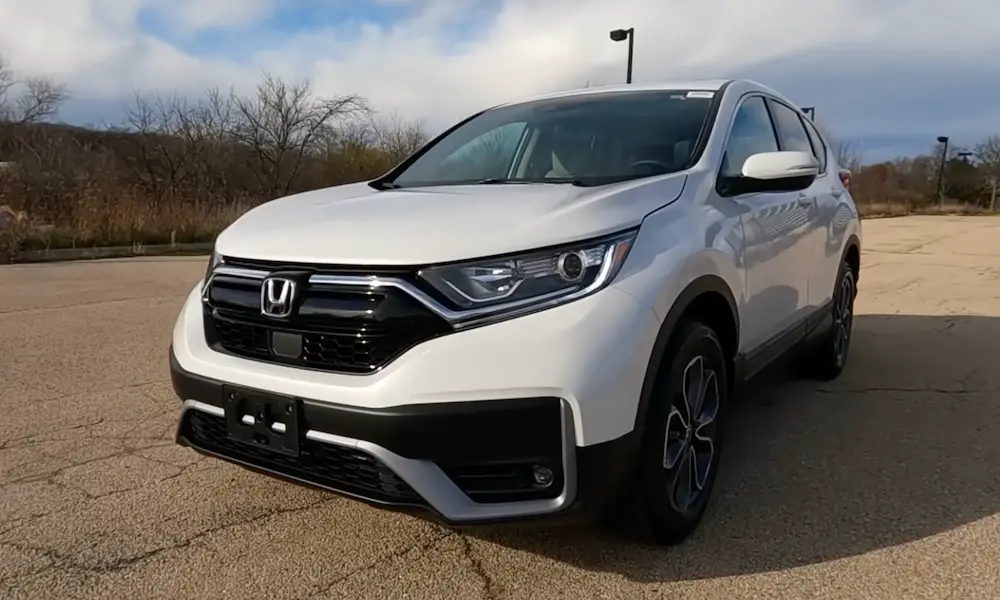
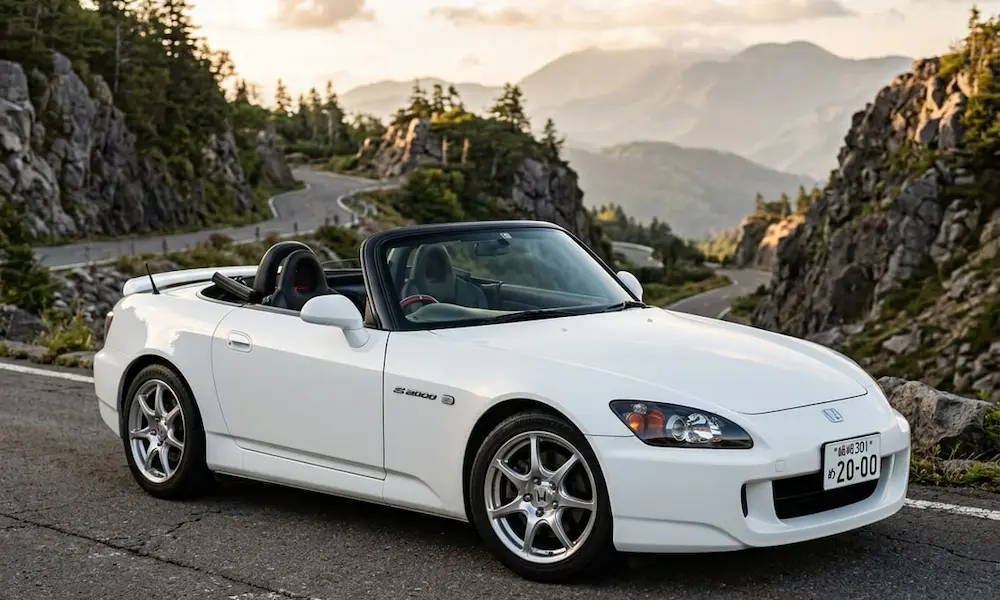
You’re driving your trusty Honda Civic or CR-V, and you notice something weird: that shiny chrome “H” on your steering wheel looks like it’s shedding skin. It’s flaking, peeling, and generally looking rough. You’re not imagining it, and you’re definitely not alone in this. Let’s break down why this happens and what you can actually do about it without turning your airbag into a claymore mine.
What’s Actually Happening to Your Steering Wheel Emblem
That chrome “H” isn’t solid metal—it’s plastic covered in super-thin metallic layers. Honda used a process called Plating on Plastics to make it look shiny and premium.
Here’s the problem: plastic and metal don’t expand and contract at the same rate. When your car sits in freezing temps overnight, then bakes in the sun all afternoon, that emblem goes through serious stress. The plastic underneath expands about 4-6 times more than the chrome coating on top.
After years of this thermal torture, plus exposure to hand oils, lotions, and cleaning products, the bond between the chrome and plastic just gives up. The chrome starts cracking, then peeling, revealing the yellowish or white plastic underneath.
Which Honda Models Get Hit Hardest
If you own a Honda from 2006-2015, you’re in the danger zone. The worst offenders include:
- Honda Civic (2006-2011): The 8th generation gets destroyed
- Honda CR-V (2007-2011): Family SUVs show heavy wear
- Honda Accord (2008-2012): Same supplier, same problem
- Honda Pilot, Fit, and Element: They all share similar components
Even some Mazda 3 owners from 2008 report the same issue, suggesting this was an industry-wide material limitation during that era.
Why You Can’t Just Buy a New Emblem
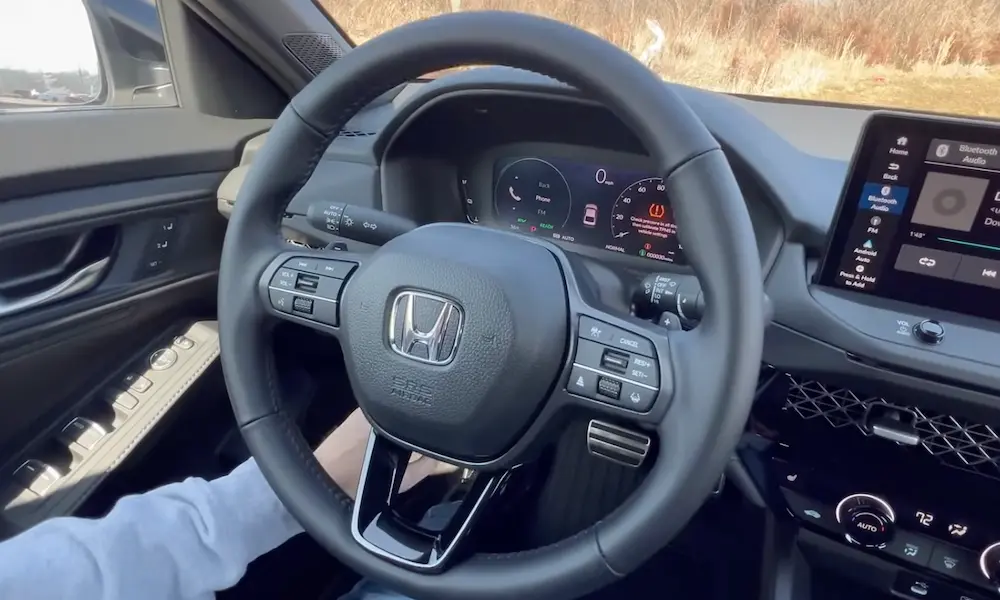
Here’s where things get annoying. That emblem isn’t stuck on with tape—it’s mechanically fastened to the airbag cover from behind using heat-staked posts or rivets.
The emblem is part of your supplemental restraint system. When the airbag deploys, the cover splits along invisible tear seams, and the flaps (with the emblem attached) swing outward. Honda engineered this so the emblem doesn’t turn into a projectile during a crash.
Because of this safety integration, Honda doesn’t sell the emblem separately. Your only official option is replacing the entire airbag module assembly—which costs between $600 and $1,000.
Yeah, that’s ridiculous for what looks like a cosmetic problem.
The Deadly Mistake: Aftermarket “Bling” Overlays
Faced with that repair bill, lots of folks head to Amazon or eBay and buy rhinestone rings or metal badge overlays. Don’t do this. Seriously.
The National Highway Traffic Safety Administration has issued multiple warnings about these products after documented injuries. When an airbag deploys, the cover accelerates to over 150 mph in milliseconds. Those cute rhinestones? They become shrapnel aimed directly at your face.
Real injuries from these decals include:
- One driver lost sight in one eye when a rhinestone struck their face
- Another person had metal fragments lodge in their neck and face, requiring surgery
- The adhesive backing fails under deployment forces, turning the whole ring into a flying disc
The adhesive tape that holds these overlays can’t withstand the explosive force of airbag deployment. What seems like harmless decoration becomes a lethal projectile.
What About Rigid Plastic or Metal Badges?
Those “JDM style” red “H” badges or rigid overlays aren’t much better. Even if they’re lighter than rhinestone rings, they still add mass to the airbag cover flap, which can mess with deployment timing.
If the OEM emblem underneath is already peeling, you’re gluing a rigid badge to an uneven surface. That bond will fail during deployment, and now you’ve got a hard plastic frisbee flying at your face.
Safe Ways to Fix the Peeling Emblem
Let’s get to the solutions that won’t land you in the ER.
The Chemical Strip Method (Best Option)
This approach removes the flaking chrome entirely, leaving smooth plastic. It eliminates the sharp edges and looks clean.
What you’ll need:
- Lysol Disinfecting Wipes or household bleach
- Patience
The process using Lysol wipes:
Grab a pack of Lysol Disinfecting Wipes and start scrubbing the emblem. The quaternary ammonium compounds in the wipes help break down the weakened bond between the metal and plastic.
You’ll need to scrub vigorously for 10-20 minutes. The chrome will start flaking off. Keep at it until all the metallic layers are gone.
Using bleach instead:
Some people soak paper towels in bleach and wrap them around the emblem for 30-60 minutes. The sodium hypochlorite attacks the copper base layer, causing the upper chrome and nickel layers to release.
One owner used over 15 liters of bleach to strip their emblem completely, though smaller amounts work if you’re persistent.
Why this is safe: You’re not adding any mass or rigid components to the airbag cover. The deployment mechanics remain unchanged.
Restoring the Silver Look After Stripping
Once you’ve stripped the chrome, you’re left with dull plastic. Here are safe ways to bring back some shine.
Molotow Liquid Chrome Markers:
These alcohol-based markers contain metallic pigments that create a mirror-like finish. Sand the emblem smooth (400-3000 grit progression), clean it thoroughly, then apply the marker.
The finish looks fantastic initially but can wear off from hand contact over time. It’s safe because it adds virtually no mass.
Plasti Dip:
This rubber coating sprays on and can be peeled off later. Mask around the emblem, spray a few light coats, then peel away the overspray from the leather.
Plasti Dip is flexible and lightweight. During airbag deployment, it would tear or stay attached rather than becoming a projectile.
Safety paint options:
Any thin coating that doesn’t add rigid mass is fine—spray paint, automotive touchup paint, or even nail polish. The key is keeping it thin and flexible.
| Fix Method | Safety Rating | Durability | Cost | Time Required |
|---|---|---|---|---|
| Chemical strip only | ✅ Completely safe | Permanent | $5-15 | 30-60 min |
| Liquid Chrome marker | ✅ Safe | 6-12 months | $15-25 | 1-2 hours |
| Plasti Dip | ✅ Safe | 1-3 years | $10-20 | 1 hour |
| Rhinestone overlay | ❌ DANGEROUS | N/A | $10-30 | 5 minutes |
| Rigid badge overlay | ❌ DANGEROUS | N/A | $15-40 | 10 minutes |
| OEM replacement | ✅ Safe | Lifetime | $600-1000 | 2-3 hours |
The Takata Recall Connection (Your Secret Free Fix)
Here’s something most people don’t know: if your Honda has an open Takata airbag recall, you might get that peeling emblem fixed for free.
The Takata recall affects millions of Hondas from 2001-2015—exactly the same vehicles with emblem problems. The defective inflators can rupture and spray metal shrapnel during deployment.
How the Recall Repair Works
When Honda fixes a Takata recall, the procedure varies:
Inflator-only replacement: The technician removes your airbag module, unbolts the defective inflator from the back, installs a new one, and reinstalls your original cover (with the peeling emblem).
Full module replacement: Sometimes, if the inflator is rusted to the housing or parts are backordered, the dealer replaces the entire airbag assembly. That means you get a brand-new cover with a pristine emblem—free.
Check Your VIN Right Now
Go to Honda’s recall site or the NHTSA database and enter your VIN. If you have an open Takata recall:
- Call your Honda dealer
- Ask specifically what parts they’ll replace for your VIN
- If they’re doing a full module replacement, schedule it immediately
This is literally the only way to get a factory-correct repair without paying a cent.
The “Alpha” Inflators
Certain 2001-2003 Honda and Acura models contain “Alpha” inflators with failure rates up to 50%. These vehicles have “Do Not Drive” warnings. If you own one of these, the dealer will prioritize your repair and likely provide a loaner or rental.
Why Honda Won’t Cover This Under Warranty
Honda classifies the peeling emblem as “cosmetic damage,” not a safety or functional defect. Your New Vehicle Limited Warranty only covers 3 years or 36,000 miles for cosmetic issues.
Since the affected vehicles are 10-15+ years old, warranty coverage has expired. The emblem doesn’t prevent the car from operating or the airbag from deploying, so there’s no safety recall.
The Goodwill Assistance Gamble
Honda has a “Goodwill” assistance program for out-of-warranty repairs. Success stories exist, but getting approval for a cosmetic issue on a 15-year-old car is tough.
You’ll need to:
- Visit a Honda dealer and pay for a diagnostic inspection
- Have the service advisor submit a goodwill request to Honda corporate
- Wait 3-7 business days for a decision
Most people report rejections for emblem repairs. Honda’s more likely to approve goodwill for mechanical failures on newer vehicles than cosmetic trim on older models.
What Makes the Chrome Fall Apart (The Science)
Let’s geek out for a second. The emblem starts as ABS plastic that goes through an electroplating process.
The plating stack consists of:
- Etched plastic surface with microscopic anchor points
- Electroless nickel (makes the plastic conductive)
- Copper layer (provides thickness and flexibility)
- Nickel layers (corrosion resistance and shine)
- Chrome topcoat (that blue-white finish you see)
The problem is thermal expansion mismatch. On a hot summer day, your dashboard can hit 185°F. In winter, it might see -20°F. That’s a 200+ degree temperature swing.
The ABS plastic expands and contracts at 4-6 times the rate of the metal plating. Over thousands of heating and cooling cycles, the mechanical bond between layers fatigues and fails.
Add in sweat, hand oils, lotions, and harsh cleaning products attacking the chrome edges, and you’ve got a recipe for delamination.
When NOT to Mess With Your Steering Wheel
Before you start scrubbing or replacing anything, disconnect your battery and wait 10-15 minutes for the airbag system’s capacitors to discharge.
If you’re not comfortable working around explosive devices (which is what an airbag inflator is), leave this to a professional. Removing the airbag module requires disconnecting electrical connectors while being careful not to trigger deployment.
The chemical strip method is safe because you’re not removing the airbag—you’re just scrubbing the emblem surface. Anything beyond that crosses into technician territory.
The Bottom Line on Your Peeling Emblem
Your Honda steering wheel emblem is peeling because of fundamental material science limitations in plating plastic parts for automotive interiors. The thermal cycling and chemical exposure over 10+ years breaks down the bond between the chrome and plastic.
Here’s what you should do:
✅ Safe fixes: Chemical strip with bleach or Lysol wipes, then optionally refinish with liquid chrome markers or Plasti Dip
✅ Free option: Check for open Takata recalls on your VIN—you might get a whole new airbag assembly
❌ Never do this: Install rhinestone rings, metal overlays, or rigid plastic badges over the emblem
The peeling looks bad, but it’s not dangerous by itself. What’s dangerous is how people try to cover it up. Sharp chrome edges are annoying; rhinestones becoming facial shrapnel at 150 mph is deadly.
Keep it simple, keep it safe, and remember: that airbag could save your life someday. Don’t turn it into a weapon just to fix a cosmetic problem.