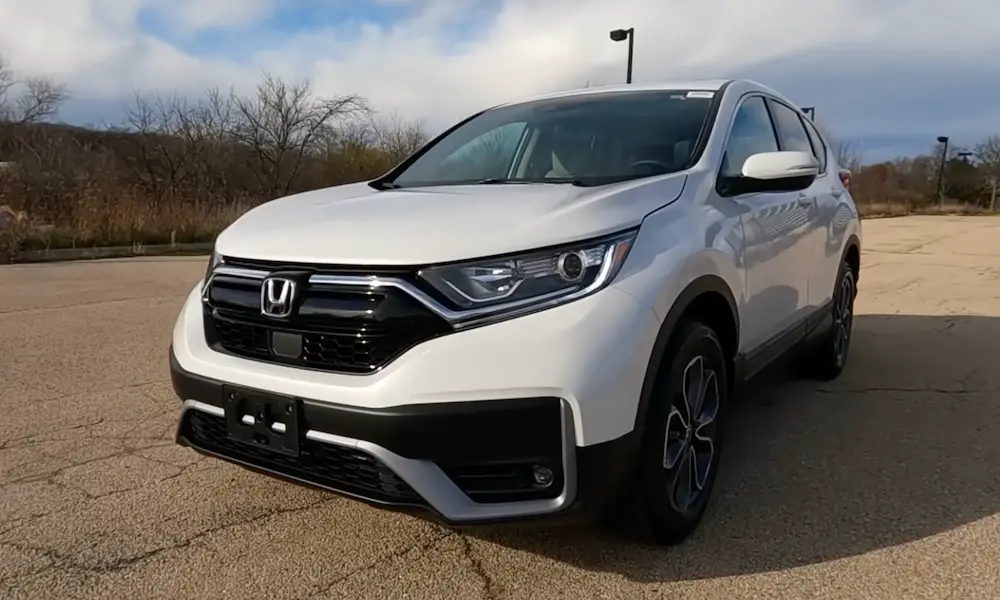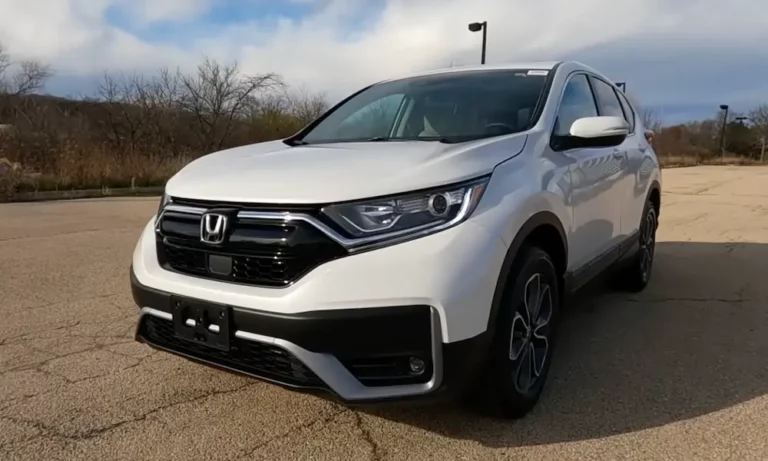
Are you turning your key and sometimes getting nothing but silence from your Honda CR-V? That frustrating on-again, off-again starting issue isn’t just annoying — it can leave you stranded at the worst possible moment. I’ve researched the most common causes of these intermittent starting problems and compiled practical solutions that might save you from an expensive trip to the dealership.
Why Your Honda CR-V Won’t Start Consistently
Honda CR-Vs are generally reliable vehicles, but they’re not immune to starting problems. The tricky part with intermittent issues is that they come and go, making diagnosis challenging. Let’s break down the usual suspects.
Failing Starter Motor or Solenoid
The most frequent culprit behind a Honda CR-V’s inconsistent starting behavior is a deteriorating starter motor or solenoid. When your starter begins to fail, it doesn’t usually die completely at once. Instead, you’ll notice:
- Sometimes it cranks normally
- Other times you hear clicking sounds
- Occasionally nothing happens at all
The starter solenoid (integrated into the starter assembly on Honda models) often wears out first, creating an electrical connection that works only sometimes. This is particularly common in CR-Vs with over 100,000 miles.
Problematic Starter Cut Relay
Honda CR-Vs use a specific component called a starter cut relay that controls power flow to the starter. This small but critical part can cause massive headaches when it begins to fail.
The relay might work perfectly when cold but fail after the engine compartment heats up, or it may have internal contact issues causing random operation. Different model years place this relay in different locations — some in the under-hood fuse box, others in the interior fuse box.
Many CR-V owners have successfully resolved their starting issues simply by replacing this inexpensive relay.
Battery and Charging System Issues
A battery doesn’t have to be completely dead to cause starting problems. When a battery begins to fail, it might:
- Have enough power for lights and accessories
- Lack sufficient current to consistently turn the starter
- Work fine in mild weather but fail in extreme temperatures
Corroded battery terminals can create similar symptoms by preventing consistent electrical flow. This simple issue is often overlooked during troubleshooting.
Ignition Switch Failure
With higher mileage, the mechanical and electrical components in your ignition switch can wear down. When this happens, you might notice:
- Dashboard lights come on, but nothing happens when you turn to “start”
- Sometimes needing to jiggle the key to get the car to start
- Intermittent electrical issues with other components
CarParts.com explains that worn ignition switches are common failure points in older vehicles and can create puzzling intermittent problems.
The Notorious Honda Main Relay (PGM-FI Relay)
Honda vehicles have gained notoriety for main relay failures. This component controls power to the fuel pump and injection system, and when it begins to fail, it creates textbook intermittent starting issues.
The most common failure mode isn’t the relay itself but cracked solder joints inside it, which expand and contract with temperature changes. This explains why many Honda CR-V owners report their vehicles:
- Start fine in the morning but won’t restart after driving
- Work normally in cooler weather but have problems in summer
- Might start after letting the vehicle cool down for 20-30 minutes
Neutral Safety Switch Problems
The neutral safety switch prevents your CR-V from starting unless it’s in Park or Neutral. When this switch malfunctions or becomes misaligned, it can cause bizarre starting behavior:
- Sometimes starting in Park but not Neutral
- Other times starting in Neutral but not Park
- Requiring multiple attempts or slight movement of the shifter
How to Diagnose Your CR-V’s Intermittent Starting Problem
Before spending money on parts or repairs, take these systematic steps to pinpoint the issue.
Listen Carefully When It Won’t Start
What your CR-V does (or doesn’t do) when it fails to start provides valuable diagnostic clues:
- Clicking sound = likely starter solenoid or battery issue
- Complete silence = possible electrical connection problem, ignition switch, or relay issue
- Engine cranks but doesn’t start = likely fuel system or main relay problem
Check Battery and Connections First
Since battery issues are both common and relatively easy to fix:
- Inspect battery terminals for corrosion (white or greenish powder)
- Ensure connections are tight and clean
- Test battery voltage (should be 12.6V when off, 13.7-14.7V when running)
- Consider a load test if the battery is more than 3 years old
Try Different Gear Positions
To check if your neutral safety switch is the culprit:
- Try starting in Park
- If unsuccessful, shift to Neutral and try again
- Try gently wiggling the shifter in Park while turning the key
Many owners have reported success with this method.
Listen for the Fuel Pump
When you turn the key to “ON” (without starting), you should hear a brief whirring sound from the rear of the vehicle. This is the fuel pump priming the system:
- Turn key to “ON” position
- Listen for 2-3 second whirring noise
- No sound could indicate fuel pump or main relay issues
Test Suspected Relays
Fuse boxes contain multiple identical relays that can be swapped for testing:
- Locate your starter cut relay (check your owner’s manual for position)
- Find another identical relay in the fuse box (often the A/C or horn relay)
- Swap them and test if the problem changes
- If the problem “moves” to the other system, you’ve found your faulty relay
The Honda CR-V Main Relay Heat Test
The main relay heat test is a specific diagnostic procedure for Honda vehicles:
| Temperature Condition | Starting Behavior | Diagnosis |
|---|---|---|
| Cold engine/relay | Starts normally | Possible main relay issue |
| Hot engine/relay | Won’t start | Almost certainly main relay |
| Hot engine, but cooled relay | Starts again | Confirmed main relay problem |
This temperature-dependent behavior is the telltale sign of a failing main relay with cracked solder joints, as explained in this detailed YouTube tutorial.
Effective Solutions for Honda CR-V Starting Problems
Once you’ve diagnosed the issue, here are the most effective fixes.
Starter Motor Replacement
If your starter motor is failing:
- Expect to pay around $500 including labor at a shop
- DIY cost is approximately $150-250 for the part alone
- Consider OEM or high-quality aftermarket brands
- Budget options often fail prematurely
According to discussions on CRV Owners Club, quality matters significantly with starter replacements.
Relay Replacement
The good news about relay problems is that fixes are typically inexpensive:
- Starter cut relay: $10-20 part, 5-minute DIY replacement
- Main relay: $30-70 part, or can often be repaired by resoldering
For the main relay, you have two options:
- Replace it entirely
- Repair the existing relay by resoldering the cracked joints (requires basic soldering skills)
Many Honda owners have followed detailed YouTube guides to repair their main relays and report years of trouble-free operation afterward.
Battery Maintenance and Replacement
For battery-related issues:
- Clean terminals with a wire brush and baking soda solution
- Apply anti-corrosion washers or dielectric grease
- Replace batteries older than 4-5 years
- Consider a higher CCA (Cold Cranking Amps) battery for reliability
Ignition Switch Replacement
Replacing an ignition switch is more involved:
- Professional installation recommended ($200-350 total)
- DIY possible but requires careful work around steering column
- May need reprogramming on newer models with immobilizer systems
Neutral Safety Switch Adjustment
Sometimes the neutral safety switch just needs adjustment:
- Locate the switch near the shifter assembly
- Loosen mounting bolts slightly
- Adjust position while testing in Park and Neutral
- Tighten securely when positioned correctly
This adjustment can solve intermittent starting without parts replacement, as demonstrated in this helpful tutorial video.
Advanced Electrical Testing
If basic diagnostics haven’t revealed the issue, more advanced testing is needed:
Voltage Drop Testing
This test checks for resistance in the starting circuit:
- Connect a multimeter between the battery positive and starter positive terminal
- Have a helper crank the engine
- Reading above 0.5V indicates excessive resistance in the circuit
- Repeat between battery negative and starter case
Starting Circuit Current Draw Test
This test requires an inductive amp clamp:
| Component | Normal Current Draw | Excessive Draw |
|---|---|---|
| Starter motor | 80-150 amps | >200 amps |
| Key-on, engine off | <50 milliamps | >100 milliamps |
| Fuel pump prime | 3-7 amps | <2 or >8 amps |
Excessive current draw often points to internal starter damage, while insufficient draw suggests connection problems.
Honda CR-V Starting Problem Model Year Trends
Different CR-V generations tend to exhibit different problem patterns:
- 1997-2001 (1st Gen): Main relay issues most common
- 2002-2006 (2nd Gen): Starter and ignition switch failures predominate
- 2007-2011 (3rd Gen): Starter cut relay problems increase
- 2012-2016 (4th Gen): Battery connection issues more prevalent
- 2017+ (5th Gen): Generally improved reliability, occasional starter problems
Based on RepairPal data, second-generation CR-Vs have reported the highest rate of intermittent starting problems.
Troubleshooting your Honda CR-V’s intermittent starting issue might take some patience, but systematically checking each potential cause will usually reveal the culprit. By understanding these common failure points, you can often avoid expensive diagnostic fees and unnecessary parts replacement.
Remember that intermittent problems, by their nature, come and go — so don’t be discouraged if your vehicle starts normally when you try to demonstrate the issue to a mechanic. Document when the problem occurs and what conditions seem to trigger it to help pinpoint the cause.