Choosing the wrong oil for your Honda Accord can lead to engine damage and voided warranties. This guide breaks down exactly what oil your Accord needs based on model year, engine type, and driving conditions.
What Oil Does Your Honda Accord Actually Need?
2011-2025 Models: The 0W-20 Era
If you’re driving a Honda Accord from 2011 or newer, you’ll need 0W-20 full synthetic motor oil. This isn’t just Honda’s preference—it’s what your engine was designed around. The tight tolerances in modern Accord engines require this specific viscosity to flow properly and provide adequate protection.
Your oil capacity depends on which engine you’ve got:
- 1.5L turbo: 3.7 quarts
- 2.0L turbo: 5.1 quarts
- 2.4L naturally aspirated: 4.4 quarts
- 3.5L V6: 4.5 quarts
The oil must meet API SN or higher certification with ILSAC GF-6A standards. These certifications ensure your oil can handle modern engine technologies like turbocharging and direct injection without breaking down prematurely.
2003-2010 Models: The 5W-20 Generation
Older Accords from 2003 to 2010 were designed for 5W-20 motor oil. These engines have slightly looser tolerances and don’t require the ultra-low viscosity of newer models. You’ll typically need:
- 2.4L four-cylinder: 4.4 quarts
- V6 models: 4.5 quarts
While these engines can run on conventional oil, switching to synthetic extends your oil change intervals and provides better protection, especially if you’re dealing with high mileage.
Current Generation Specifications (2018-2025)
2025 Honda Accord: Latest Requirements
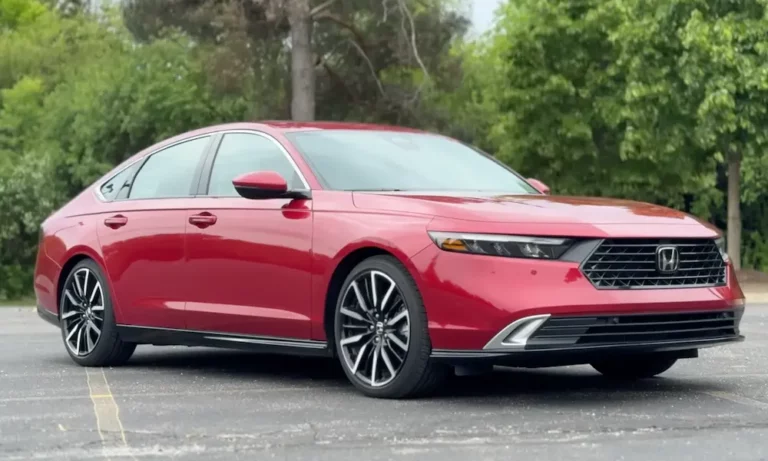
The 2025 Honda Accord represents Honda’s most advanced oil technology yet. The 2.0L turbocharged engine requires exactly 5.1 quarts of 0W-20 synthetic oil. This specification isn’t arbitrary—it’s engineered to handle the extreme conditions inside a turbocharger while maintaining Honda’s fuel economy targets.
For the 2025 Accord Hybrid, Honda takes things further with 0W-16 synthetic oil. This ultra-low viscosity oil maximizes fuel efficiency when the engine operates intermittently. You’ll need 4.1 quarts for the hybrid’s 2.0L Atkinson cycle engine.
The hybrid’s oil fill location is also unique—it’s positioned behind the battery compartment, so don’t expect to find it in the usual spot.
Turbocharged Engine Considerations
Modern turbocharged Accords present unique challenges. Turbochargers operate at extremely high temperatures and speeds, creating conditions that can break down oil faster than in naturally aspirated engines.
Laboratory analysis shows that 0W-20 oils in turbocharged applications can experience significant fuel dilution—sometimes reaching 1.8% fuel contamination in just 2,000 miles. This is why some mechanics and enthusiasts recommend slightly heavier oils like 5W-30 for turbocharged engines, despite Honda’s official 0W-20 recommendation.
However, deviating from Honda’s specs may impact fuel economy and could affect warranty coverage, so weigh these factors carefully.
Here’s the quick reference table:
| Year | Engine | Viscosity | Capacity | API | Notes |
|---|---|---|---|---|---|
| 2025 | 2.0L Turbo | 0W-20 | 5.1 quarts | SN+ | Latest turbo engine |
| 2025 | 2.0L Hybrid | 0W-16 | 4.2 quarts | SN+ | Ultra-low viscosity for hybrid |
| 2024 | 2.0L Turbo | 0W-20 | 5.1 quarts | SN+ | Current generation turbo |
| 2024 | 2.0L Hybrid | 0W-20 | 4.2 quarts | SN+ | Hybrid system |
| 2018-2023 | 1.5L Turbo | 0W-20 | 3.7 quarts | SN+ | Smaller turbo engine |
| 2018-2023 | 2.0L Turbo | 0W-20 | 5.1 quarts | SN+ | Performance variant |
| 2013-2017 | 2.4L I4 | 0W-20 | 4.4 quarts | SN | Natural aspiration |
| 2013-2017 | 3.5L V6 | 0W-20 | 4.5 quarts | SN | V6 option |
| 2008-2012 | 2.4L I4 | 5W-20 | 4.4 quarts | SM | Pre-0W-20 era |
| 2008-2012 | 3.5L V6 | 5W-20 | 4.5 quarts | SM | V6 variant |
| 2003-2007 | 2.4L I4 | 5W-20 | 4.4 quarts | SM | Older generation |
| 2003-2007 | 3.0L V6 | 5W-20 | 4.5 quarts | SM | V6 option |
Oil Quality Standards You Can’t Ignore
API and ILSAC Certifications Explained
When shopping for Honda Accord oil type, you’ll see various certifications on the bottle. Here’s what matters:
API SN or higher ensures your oil can handle modern engine technologies. The newer API SP standard provides even better protection against timing chain wear and fuel dilution—both common issues in turbocharged engines.
ILSAC GF-6A certification specifically addresses low-speed pre-ignition (LSPI), a potentially catastrophic condition that can occur in turbocharged engines under certain conditions.
Look for the API “Starburst” symbol on the oil container. This indicates the oil meets both performance and fuel economy requirements established by U.S. and Japanese automakers.
Why Viscosity Matters More Than You Think
The difference between 0W-20 and 5W-20 might seem minor, but it reflects significant engineering considerations. 0W-20 oils flow more easily at low temperatures, reducing startup wear and improving cold-weather fuel economy.
However, they may provide less protection under sustained high-temperature operation. Honda’s specifications account for your engine’s operating environment and design tolerances, so stick with their recommendations unless you have compelling reasons to deviate.
Best Oil Brands for Your Honda Accord
Premium Full Synthetic Options
Based on extensive testing and real-world performance, several brands consistently excel in Honda applications:
Mobil 1 Extended Performance 0W-20 offers excellent thermal stability and can handle extended drain intervals without breaking down. It’s particularly good for highway driving and consistent operating temperatures.
Castrol Edge Advanced Full-Synthetic 0W-20 provides superior protection under high-stress conditions. If you drive aggressively or live in extreme climates, this is a solid choice.
Pennzoil Ultra Platinum Full-Synthetic 0W-20 delivers excellent fuel economy benefits while maintaining protection. It’s made from natural gas rather than crude oil, resulting in fewer impurities.
For turbocharged engines specifically, some enthusiasts swear by Mobil 1 ESP 0W-30. While this exceeds Honda’s viscosity recommendation, it provides enhanced protection against thermal breakdown in high-performance applications.
Budget-Conscious Alternatives
Quality oil doesn’t require premium pricing. Walmart’s Super Tech Full Synthetic 0W-20 meets all Honda specifications while offering significant cost savings. Independent testing shows it performs comparably to premium brands in most applications.
Valvoline Advanced Full Synthetic 0W-20 provides excellent value with wide availability. You can find it at most auto parts stores and many quick-lube shops.
When selecting budget oils, verify they display the proper API and ILSAC certifications. Avoid oils that merely “meet” specifications without formal licensing—these may not provide adequate protection for modern Honda engines.
Understanding Honda’s Maintenance Minder System
How the System Actually Works
Modern Honda Accords don’t rely on simple mileage tracking for oil changes. The Maintenance Minder system monitors actual oil condition by tracking factors like engine load, operating temperature, and driving patterns.
The system typically indicates oil changes every 7,500 to 10,000 miles under normal conditions. This isn’t Honda trying to save money on maintenance—it’s based on real data about how quickly your oil degrades under your specific driving conditions.
For hybrid models, the calculation becomes more sophisticated. The system accounts for actual engine operating time rather than total vehicle mileage. If you’re a city driver who benefits from frequent electric-only operation, you might see significantly extended intervals.
When to Ignore the Maintenance Minder
Certain driving conditions warrant more frequent oil changes despite the system’s recommendations. Frequent short trips, stop-and-go traffic, extreme temperatures, and dusty conditions all accelerate oil degradation.
Many mechanics recommend 5,000-mile intervals for turbocharged engines under severe service conditions. The combination of high heat and fuel dilution in turbo engines can overwhelm even high-quality synthetic oils.
If you’ve modified your engine for more power, shorter intervals become even more critical. Tuned engines producing significantly more power should use both shorter intervals and potentially heavier oil viscosities.
Oil Filter Selection: OEM vs Aftermarket
Why Your Filter Choice Matters
Honda OEM oil filters (part number 15400-PLM-A02) are specifically designed for Honda engines. They’re not just generic filters with Honda’s name—they have bypass valve pressure settings optimized for your engine’s oil flow characteristics.
These filters typically cost $6-8 and provide reliable performance with proper filtration. The slightly higher cost compared to generic filters pays off in consistent oil pressure and filtration efficiency.
Quality aftermarket options include Wix, Bosch, and K&N filters that meet or exceed OEM specifications. However, verify they’re specifically designed for Honda applications rather than generic fitments that might not optimize oil flow.
Installation Tips That Prevent Problems
Honda oil filters require special attention during installation. They’re often installed very tightly from the factory, requiring specialized filter wrenches for removal. Don’t try to muscle them off with generic tools—you’ll likely end up with a damaged filter housing.
When installing new filters, hand-tighten plus 3/4 turn is usually sufficient. Over-tightening makes future removal difficult and can damage the filter housing threads.
Always verify the old filter’s gasket was removed before installing the new filter. Double gaskets cause severe leaks and potential engine damage. It’s worth taking an extra minute to check.
Special Situations and Considerations
High-Mileage Vehicles Need Different Care
Honda Accords with over 75,000 miles may benefit from high-mileage oil formulations. These oils contain seal conditioners and viscosity improvers designed to address common issues in aging engines.
Mobil 1 High Mileage 0W-20 and Valvoline MaxLife offer excellent options for older Accords. These oils typically run slightly thicker within their viscosity range, helping compensate for increased bearing clearances and worn seals.
High-mileage oils also contain detergents that help remove accumulated deposits while being gentle on aged engine components. If your older Accord has developed minor oil leaks or consumption, switching to high-mileage oil often helps.
Performance Modifications Change Everything
Modified Honda Accords, particularly those with turbocharger upgrades or engine tuning, create additional thermal stress that can overwhelm standard oil formulations. Higher boost pressures and increased power output demand more from your lubrication system.
Many tuned Accord owners successfully use 5W-30 or even 0W-30 oils to provide enhanced protection under modified conditions. While this deviates from Honda’s recommendations, used oil analysis consistently shows better protection and reduced degradation with these heavier formulations.
The trade-off is potentially reduced fuel economy and possible warranty implications. If you’re running significant modifications, regular oil analysis becomes essential to monitor oil condition and determine optimal change intervals.
Climate Considerations for Oil Selection
Temperature Extremes Affect Oil Choice
While Honda’s specifications work well in most climates, extreme conditions may warrant adjustments. 0W-20 oils excel in cold climates due to superior low-temperature flow characteristics, reducing startup wear and improving cold-weather fuel economy.
In extremely hot climates or for vehicles subjected to sustained high-speed driving, some mechanics recommend 5W-20 or even 5W-30 for enhanced high-temperature protection. Honda’s global markets actually use different oil specifications for the same engines, reflecting regional climate differences.
This variation suggests some flexibility in oil selection based on local conditions, though you should carefully consider warranty implications before deviating from U.S. specifications.
Fuel Quality Impact on Oil Life
Modern direct injection engines are particularly sensitive to fuel quality and ethanol content. Poor quality fuel can accelerate oil degradation and increase fuel dilution, particularly in turbocharged engines.
Using Top Tier gasoline and potentially shorter oil change intervals can mitigate these effects. The small additional cost of quality fuel often pays off in extended oil life and better engine protection.
Cost Analysis: Premium vs Budget Oils
Total Cost of Ownership Perspective
While synthetic oils cost more initially, they often provide better value through extended drain intervals and superior protection. A typical Honda Accord oil change using quality synthetic oil costs $40-60 when you do it yourself, compared to $60-90 at service facilities.
Buying oil in bulk quantities can reduce costs significantly for owners performing their own maintenance. Some warehouse stores offer excellent deals on quality synthetic oils when purchased in larger containers.
Professional service becomes more economical when you factor in proper disposal of used oil and filters, plus the convenience of not getting dirty. Some dealerships offer service packages that bundle multiple oil changes at reduced rates.
Long-term Value Considerations
Using proper Honda Accord oil type specifications is crucial for maintaining warranty coverage and maximizing engine life. Honda engines regularly exceed 250,000 miles when properly maintained, making oil selection a critical long-term investment.
The relatively small cost difference between quality and economy oils becomes insignificant when considered over the vehicle’s lifetime. A $10 difference per oil change amounts to less than $200 over 100,000 miles—minimal compared to potential engine damage from inferior oil.
Proper maintenance documentation also significantly impacts resale value. Vehicles with complete service records using appropriate oils command premium pricing in the used car market, often offsetting the cost of quality maintenance products.
Hybrid Model Specifics
Unique Requirements for Hybrid Accords
Honda Accord Hybrid models require special consideration due to their unique operating characteristics. The 2.0L Atkinson cycle engine operates intermittently, creating thermal cycling that affects oil degradation patterns differently than conventional engines.
Hybrid models may accumulate fewer engine operating hours per mile driven, potentially extending oil change intervals when following the maintenance reminder system. However, this doesn’t mean you can ignore oil changes—intermittent operation can actually be harder on oil in some ways.
The 2025 Accord Hybrid’s requirement for 0W-16 oil represents cutting-edge lubrication technology. This ultra-low viscosity oil minimizes internal friction when the engine operates, maximizing the electric motor’s contribution to overall efficiency.
Maintenance Timing for Hybrids
Hybrid maintenance scheduling requires more nuanced thinking than conventional vehicles. The Maintenance Minder system accounts for actual engine operating time, which can result in longer intervals for drivers who benefit from frequent electric-only operation.
However, oil still degrades from contamination and time, even if the engine isn’t running constantly. Many experts recommend annual changes regardless of mileage to prevent oil degradation from moisture and fuel contamination.
Choosing the Right Oil for Your Driving Style
Highway vs City Driving Differences
Your driving patterns significantly impact optimal Honda Accord oil type selection. Highway driving typically allows engines to reach and maintain operating temperature, reducing moisture contamination and fuel dilution issues.
City driving with frequent cold starts and stop-and-go traffic is actually harder on oil. Engines may never fully warm up, leading to moisture buildup and fuel contamination. Consider shorter change intervals if this describes your typical driving.
Performance Driving Considerations
If you regularly drive your Accord aggressively—whether on track days or spirited canyon runs—your oil requirements change. Higher sustained RPMs and loads create more heat and stress than typical commuting.
Consider oils designed for high-performance applications, potentially with slightly higher viscosity ratings. Regular oil analysis becomes valuable for performance drivers to monitor oil condition and optimize change intervals.
Many performance-oriented Accord owners find that slightly shorter oil change intervals provide peace of mind and measurable protection benefits under demanding conditions.
Final Recommendations for Honda Accord Oil Type
Selecting the right Honda Accord oil type doesn’t have to be complicated. Start with Honda’s specifications—0W-20 full synthetic for 2011+ models and 5W-20 for older Accords—then adjust based on your specific situation.
For most drivers, quality oils meeting Honda’s specifications provide excellent protection and performance. Brands like Mobil 1, Castrol, and Valvoline offer proven performance, while budget options like Super Tech provide good value without compromising protection.
Pay attention to your Maintenance Minder system, but don’t ignore severe service conditions that might warrant shorter intervals. Quality oil filters matter as much as the oil itself, so don’t skimp on this critical component.
Whether you choose premium or budget oils, consistent maintenance with proper products will ensure your Honda Accord provides hundreds of thousands of miles of reliable service. The investment in quality oil and regular changes pays dividends through reduced repairs, better fuel economy, and higher resale values.