Is your Honda Civic’s temperature gauge creeping into the danger zone? That “hot” water temp reading isn’t just an inconvenience – it’s your car’s urgent cry for help. Left unchecked, an overheating Civic can lead to expensive engine damage or even complete failure. But here’s the good news: most overheating issues have straightforward solutions if you catch them early.
Why Your Honda Civic’s Water Temperature Is Running Hot
Honda Civics are generally reliable cars, but they’re not immune to cooling system issues. Several common problems can trigger that dreaded temperature spike.
Coolant Leaks: The Most Common Culprit
Nothing causes a Honda Civic to overheat faster than a coolant leak. Without enough coolant circulating through the system, your engine can’t properly regulate its temperature.
Common leak spots include:
- Radiator hoses (especially where they connect)
- The radiator itself
- Water pump seal
- Head gasket
- Heater core
You’ll often notice green or orange fluid puddles under your car if you have a leak. Coolant leaks are the primary cause of Honda Civic overheating problems.
Faulty Thermostat: The Temperature Gatekeeper
Your Civic’s thermostat controls coolant flow based on engine temperature. When it fails, your cooling system can’t do its job properly.
A thermostat usually fails in one of two ways:
- Stuck closed: Prevents coolant from circulating, causing rapid overheating
- Stuck open: Engine struggles to reach normal operating temperature
Thermostats are so commonly problematic that RepairPal lists them among the top causes of Civic overheating issues.
Cooling Fan Problems: Critical for City Driving
Have you noticed your Honda runs fine on the highway but overheats in traffic? Your cooling fans might be the problem.
Your Civic has electric fans that should kick on:
- When your engine reaches about 212°F
- When you turn on the air conditioning
Fan failures are especially common in Civics from the early 2000s.
Water Pump Failure: The Heart of Your Cooling System
The water pump circulates coolant throughout your engine. When it fails, your Civic will overheat quickly.
Warning signs of water pump failure include:
- Whining or grinding noise from the front of the engine
- Coolant leaking from the water pump weep hole
- Engine overheating despite having sufficient coolant
Water pumps are especially problematic in older Civic models, as demonstrated in this detailed video analysis.
Clogged Radiator: Blocked Heat Transfer
Your radiator transfers heat from the coolant to the outside air. When it gets clogged with debris, rust, or mineral deposits, it can’t cool efficiently.
Signs of a clogged radiator include:
- Overheating that happens gradually
- Hot upper radiator hose but cool lower hose
- Visible debris or corrosion on radiator fins
Radiator problems frequently cause persistent overheating issues in Civics.
Bad Radiator Cap: The Pressure Keeper
The humble radiator cap actually plays a crucial role in your cooling system. It maintains proper pressure, which raises the boiling point of your coolant.
Signs of a failing radiator cap include:
- Coolant overflow when the engine is hot
- Low coolant levels with no visible leaks
- Steam from the radiator
Honda of Bay County explains how a bad radiator cap can cause system-wide cooling problems.
Head Gasket Failure: The Worst-Case Scenario
A blown head gasket is one of the most serious causes of overheating in Honda Civics, particularly in 7th generation models (2000-2005).
Warning signs include:
- White smoke from the exhaust
- Bubbling in the radiator or overflow tank
- Milky oil (coolant mixing with oil)
- Unexplained coolant loss
Honda Civics with 1.2L and 1.5L engines are especially prone to head gasket issues.
How to Diagnose an Overheating Honda Civic
Before jumping into repairs, you need to pinpoint what’s causing your Civic to run hot.
Visual Inspection: First Line of Defense
Start with a simple visual check of your cooling system:
- Check coolant level (when the engine is COLD)
- Inspect all hoses for cracks, swelling, or softness
- Look for leaks under the car and around cooling components
- Check the condition of your radiator for damage or blockage
Remember, never remove the radiator cap when the engine is hot!
Test Cooling Fan Operation
Testing your cooling fans is simple:
- Start your car
- Turn on the AC to maximum
- Both cooling fans should start immediately
If they don’t, you likely have an electrical issue with the fans.
Check Thermostat Function
A working thermostat should:
- Keep the engine at a stable temperature (around 195-220°F)
- Allow both upper and lower radiator hoses to get hot
- Open fully when the engine reaches operating temperature
You can find detailed instructions on testing Honda Civic thermostats in this helpful video guide.
Pressure Test the System
A cooling system pressure test can reveal leaks that aren’t obvious. Most auto parts stores will perform this test for free, or you can rent the tool yourself.
The test works by:
- Pressurizing the cooling system to the specified PSI
- Watching for pressure drops that indicate leaks
- Identifying the source of any leaks
This diagnostic approach is highly recommended by mechanics for addressing persistent leaks.
How to Fix Your Honda Civic’s Hot Water Temperature
Once you’ve diagnosed the problem, you can move on to fixing it.
Addressing Coolant Leaks
If your Civic is losing coolant:
- Replace damaged hoses – Look for cracks, swelling, or softness
- Repair radiator leaks – Small leaks can sometimes be sealed with commercial products
- Replace the radiator cap – An inexpensive fix that often solves pressure problems
- Fix the water pump – If leaking from the weep hole, the pump needs replacement
For severe leaks or those from the head gasket area, professional help is recommended. The repair procedure may vary by model year.
Replacing the Thermostat
Changing a Honda Civic thermostat is a relatively straightforward DIY job:
- Drain some coolant
- Remove the thermostat housing (location varies by model year)
- Replace the thermostat and gasket
- Refill and bleed the cooling system
Be sure to use the correct thermostat for your specific model and year. Honda typically uses a 180°F or 192°F thermostat depending on the model.
This step-by-step video walks through the process for common Civic models.
Cooling Fan Repairs
Fan issues can be electrical or mechanical:
- Check fuses and relays first – often the simplest fix
- Test the fan motors – if they don’t spin freely, replace them
- Check temperature sensors – faulty sensors won’t trigger the fans
- Inspect wiring connectors – corrosion or damage can interrupt power
Water Pump Replacement
Replacing a water pump requires moderate mechanical skills:
- Drain the cooling system
- Remove the timing belt/chain cover (engine-dependent)
- Remove and replace the water pump
- Install a new gasket and reassemble
The procedure varies significantly between Civic generations, so model-specific guidance like this detailed video tutorial is essential.
Radiator Service or Replacement
For a clogged radiator:
- Flush the system with a commercial radiator flush
- Clean external fins with compressed air or low-pressure water
- Replace the radiator if severely clogged or damaged
Complete radiator replacement instructions for Honda Civics can be found in this comprehensive guide.
Properly Bleeding Air from the System
Air pockets can cause localized hot spots and erratic temperature readings. Proper bleeding involves:
- Fill the system with the correct coolant mix
- Start the engine with the heater on max
- Use a spill-free funnel or elevate the front of the car
- Let the engine cycle through temperature ranges
- Top off as needed as air escapes
This process is critical after any cooling system work.
Preventing Future Overheating Issues
Keep your Civic running cool with these preventative measures:
Regular Maintenance Schedule
Stick to this maintenance timeline:
| Maintenance Task | Frequency | Benefit |
|---|---|---|
| Check coolant level | Monthly | Catches leaks early |
| Inspect hoses and belts | Every 3 months | Prevents sudden failures |
| Flush cooling system | Every 2-3 years | Removes corrosion and debris |
| Replace thermostat | During cooling system service | Ensures proper temperature regulation |
| Check radiator cap | Annually | Maintains system pressure |
Use the Right Coolant
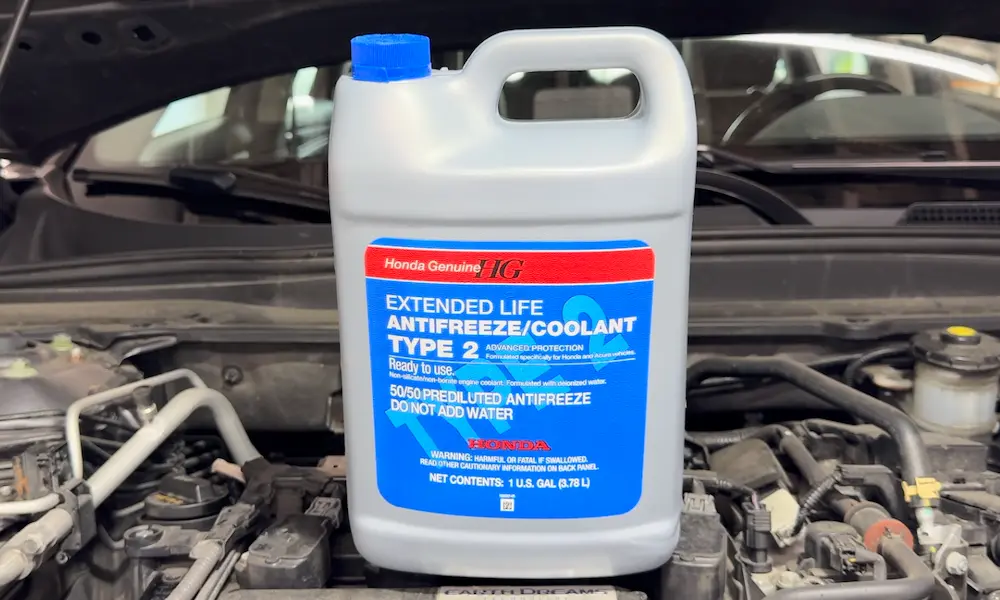
Honda recommends their genuine Long Life Antifreeze/Coolant Type 2 for most Civics. Using the wrong coolant can lead to:
- Accelerated corrosion
- Poor heat transfer
- Premature water pump failure
Watch for Early Warning Signs
Be alert for these early indicators of cooling problems:
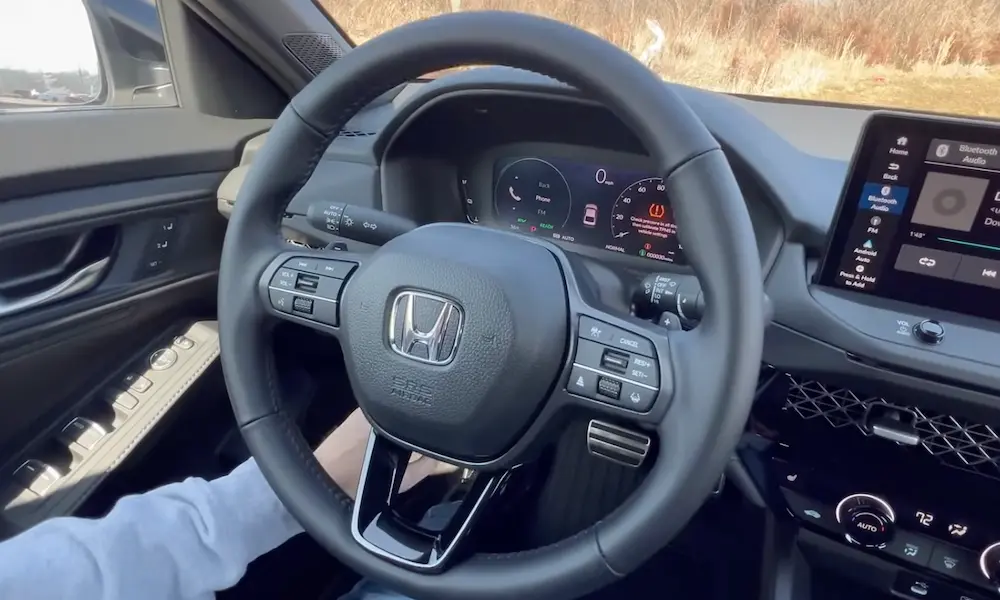
- Temperature gauge reading higher than normal
- Sweet smell inside or outside the car
- Heater not working properly
- Engine running rougher than usual
- White smoke from the exhaust
Addressing these symptoms early can prevent more serious damage.
When to Pull Over Immediately
Some situations require immediate action to prevent catastrophic engine damage:
- Temperature gauge in the red zone
- Steam coming from under the hood
- Engine making knocking sounds
- Complete loss of coolant
- Oil light comes on while overheating
If you experience any of these symptoms, pull over safely, turn off the engine, and call for roadside assistance. Continuing to drive can turn a simple repair into a complete engine replacement.
Common Questions About Honda Civic Overheating
Q: How long can I drive with my temperature gauge reading hot?
A: You shouldn’t drive at all with the gauge in the red. Even a few minutes can cause permanent damage to your engine. Pull over immediately, let the car cool down, and address the issue.
Q: My Civic only overheats in traffic but runs fine on the highway. What’s wrong?
A: This pattern strongly suggests cooling fan problems. At highway speeds, air flows through the radiator naturally, but in stop-and-go traffic, you rely on the fans.
Q: Why does my Civic still overheat after replacing the thermostat?
A: Multiple issues could be at play, including air pockets in the system, radiator blockages, or water pump problems.
Q: Is it normal to see bubbles in my radiator?
A: No. Bubbling in the radiator when the engine is running often indicates combustion gases entering the cooling system through a head gasket leak. This serious issue requires professional attention, as discussed on Reddit.
Q: Can I use stop-leak products in my Honda Civic?
A: While these products can provide temporary fixes for minor leaks, they’re not recommended for long-term solutions. They can clog small passages in your radiator and heater core, potentially causing bigger problems later.
Keep an eye on your temperature gauge, maintain your cooling system regularly, and address issues promptly. Your Civic can provide many more miles of reliable service when its cooling system is properly maintained.