Thinking about replacing your Honda Accord Hybrid battery? You’re facing one of the most significant maintenance decisions for hybrid ownership. While the prospect might seem daunting, having the right information can make all the difference between a stressful repair and a manageable maintenance milestone. Let’s break down everything you need to know about Honda Accord hybrid battery replacement to help you make informed decisions.
How Much Does Honda Accord Hybrid Battery Replacement Cost?
The moment you notice hybrid system warnings, your first question is likely about cost. Honda Accord hybrid battery replacement costs vary widely based on several key factors.
New OEM vs. Remanufactured Options
A brand new Honda OEM (Original Equipment Manufacturer) battery pack will cost you the most:
- Honda’s official parts catalog lists a new HEV battery pack module at $3,111.05 before taxes and installation
- Most Honda dealerships charge around $2,000-$3,000 for a complete replacement with a new battery
- Labor costs at dealerships typically run between $500-$800
For budget-conscious owners, remanufactured batteries offer substantial savings:
- Independent repair shops charge approximately $2,500 total for parts and labor with remanufactured packs
- Third-party suppliers like Greentec Auto offer replacement batteries ranging from $999 to $3,550 depending on model year
This price table compares your main options:
| Source | Battery Type | Price Range | Warranty |
|---|---|---|---|
| Honda Dealership | New OEM | $2,000-$3,100+ | 3 years/36k miles |
| Independent Shop | Remanufactured | $2,000-$2,800 | 1-3 years |
| Third-Party | Remanufactured | $999-$2,500 | 1-3 years |
| DIY Kit | Remanufactured | $1,500-$2,000 | Varies |
Remember that most suppliers offer “core exchange” programs, where you’ll pay a refundable deposit (typically $500) that’s returned when you send back your old battery pack.
How to Tell When Your Honda Accord Hybrid Battery Needs Replacement
Unlike some maintenance items with set intervals, hybrid batteries show specific symptoms when they’re failing. Here’s what to watch for:
Noticeable Performance Issues
Your car will tell you when the battery is failing through several key symptoms:
- Significant drop in fuel economy: If your 44-48 MPG Accord is suddenly getting much worse gas mileage, the hybrid system may not be functioning properly
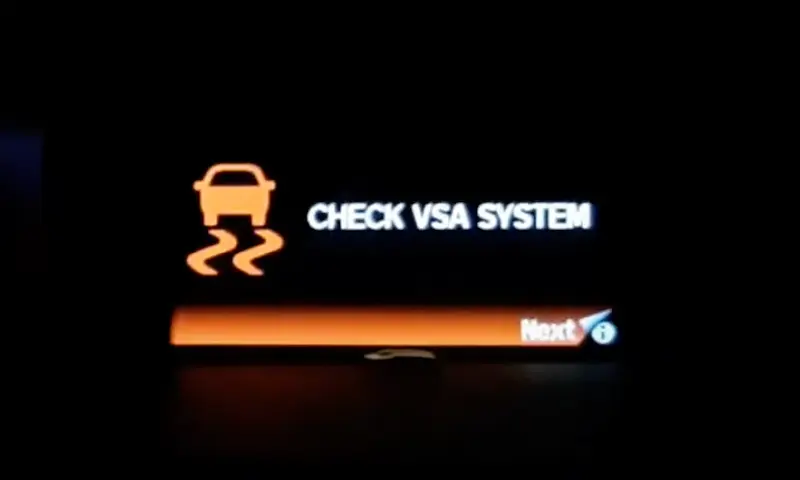
- Dashboard warning lights: The “Check Hybrid System” message or battery warning indicators are direct signals of battery issues
- Reduced acceleration performance: Sluggishness during highway merging or hill climbing suggests the electric motor isn’t providing proper assistance
- Increased engine runtime: If your gasoline engine runs more frequently or longer than usual, the battery may not be holding sufficient charge
- Erratic battery charge indicators: Rapid charging/discharging cycles or inconsistent charge level displays indicate battery cell degradation
These symptoms typically appear gradually rather than suddenly, giving you time to plan for replacement before complete failure occurs.
How Long Do Honda Accord Hybrid Batteries Last?
Honda officially estimates hybrid battery life at 6-10 years or around 100,000 miles. However, real-world experience tells a different story.
Actual Lifespan vs. Manufacturer Claims
Most Honda Accord hybrid batteries actually outlast the official estimates:
- Many owners report 8-12 years or 150,000+ miles of service before replacement becomes necessary
- Battery lifespan has improved with each generation as Honda refines their hybrid technology
- Climate plays a significant role—batteries typically last longer in moderate climates than in extreme heat
The factors that most influence battery longevity include:
- Exposure to high heat: Parking in direct sunlight or operating in extremely hot environments accelerates battery degradation
- Frequent high-power discharge cycles: Aggressive driving with rapid acceleration and heavy braking stresses battery cells
- Extended periods at high or low charge states: Keeping the battery consistently at very high or very low charge levels can reduce lifespan
- Regular usage patterns: Vehicles driven daily typically maintain better battery health than those left sitting for extended periods
Honda Accord Hybrid Generations and Their Batteries
The Honda Accord Hybrid has evolved significantly across four generations, with each version using different battery technology.
First Generation (2005-2007)
The original Accord Hybrid used an unusual approach:
- Integrated Motor Assist (IMA) system paired with a V6 engine
- Nickel-Metal Hydride (NiMH) battery technology
- Limited electric-only operation capabilities
- Relatively poor fuel economy by modern hybrid standards (28 MPG combined)
These early models are increasingly rare and may not be worth battery replacement given their age and limited efficiency.
Second Generation (2014-2015, 2017)
Honda completely redesigned the Accord Hybrid with:
- Two-motor hybrid system based on a 2.0-liter four-cylinder engine
- Transition to lithium-ion battery technology
- Significantly improved fuel economy (47-48 MPG combined)
- Battery replacement costs typically $2,000-$3,000
Third Generation (2018-2022)
The third generation featured Honda’s refined two-motor system:
- Relocated battery pack beneath the rear seat for better packaging
- Improved battery cooling and management systems
- 43-47 MPG combined fuel economy
- More readily available replacement options from third parties
Fourth Generation (2023-Present)
The current Accord Hybrid showcases Honda’s most advanced system:
- Compact 1.06 kWh lithium-ion battery
- 204 horsepower and 247 lb-ft of torque
- 44-48 MPG combined with up to 614 miles of range
- Hybrid powertrain now standard on most upper trim levels
Each generation has progressively improved battery durability, cooling systems, and management software, generally resulting in longer battery life and better performance.
Professional vs. DIY Replacement: What’s Right For You?
When faced with battery replacement, you have two primary options: professional installation or the DIY approach.
Professional Replacement Benefits
Having a certified technician replace your hybrid battery offers several advantages:
- Safety assurance: Proper handling of high-voltage components reduces electrical hazards
- Warranty coverage: Professional installation typically includes 18-36 month warranties
- Diagnostic verification: Complete system testing ensures proper integration with vehicle systems
- Software updates: Technicians can update battery management software during installation
At Honda dealerships, technicians follow manufacturer-specific procedures and use genuine parts. Independent shops specializing in hybrids often offer comparable service at lower prices.
DIY Feasibility
For technically inclined owners, DIY replacement has become increasingly accessible:
- Third-party suppliers like Electron Hybrid Solutions provide detailed installation guides and support
- The physical replacement process takes approximately 2-4 hours depending on experience
- Basic tools required include deep sockets (10mm, 12mm, 14mm, T30), trim removal tools, and ratchets
- Essential safety equipment: Class 0 1000-volt rated high-voltage gloves with leather protectors
The DIY process typically involves:
- Disconnecting the 12V battery
- Removing rear seats to access the battery pack
- Engaging the high-voltage disconnect switch
- Safely disconnecting battery terminals
- Removing mounting hardware
- Lifting out the old battery and installing the new one
While doable, DIY replacement requires strict adherence to safety protocols to avoid potentially fatal electrical shock.
Warranty Coverage for Honda Accord Hybrid Batteries
Understanding your warranty coverage can save thousands if your battery fails prematurely.
Honda’s Standard Coverage
Honda provides the following warranties for hybrid components:
- High-voltage battery pack: 8 years/100,000 miles against defects
- General hybrid components: 3 years/36,000 miles
- Powertrain components: 5 years/60,000 miles
Important warranty limitations to understand:
- Coverage applies only to defects in materials and workmanship
- Normal capacity degradation over time isn’t covered
- Warranty doesn’t cover damage from accidents, misuse, or environmental exposure
- Proof of regular maintenance may be required for warranty claims
When warranty applies, Honda typically provides refurbished or reconditioned batteries rather than brand-new units.
Extended Warranty Options
For additional protection, Honda offers:
- Honda Care Vehicle Service Contracts extending coverage beyond the standard warranty
- 24-hour roadside assistance with extended plans
- Rental car reimbursement (up to $35 daily for six days)
- Trip interruption benefits
These plans can provide peace of mind, particularly for owners planning to keep their vehicles beyond the standard warranty period.
How to Extend Your Honda Accord Hybrid Battery Life
Proper maintenance and driving habits can significantly extend battery lifespan and postpone the need for replacement.
Smart Driving Practices
How you drive directly affects battery health:
- Drive regularly: Use your hybrid at least weekly for 30+ minutes to maintain proper battery conditioning
- Avoid aggressive driving: Moderate acceleration and braking reduces strain on the battery system
- Let the system manage energy: Allow the hybrid control software to determine power distribution rather than forcing EV mode
- Maintain moderate speeds: Highway efficiency sweet spot is typically 55-65 mph
Environmental Protection
Temperature management is crucial for battery longevity:
- Park in shade when possible: Direct sunlight significantly increases battery temperature
- Use garages or carports: Protected parking reduces environmental exposure
- Consider sunshades: When covered parking isn’t available, windshield and rear window sunshades help
- Avoid extended exposure to extreme temperatures: Both high heat and severe cold affect battery chemistry
Regular Maintenance
Consistent attention to these maintenance items helps preserve battery health:
- Monitor hybrid cooling system: The battery cooling system requires regular inspection and service
- Keep 12V battery healthy: The conventional battery powers systems that monitor and manage the hybrid battery
- Follow recommended service intervals: Regular dealer maintenance ensures all hybrid systems function optimally
- Address warning lights promptly: Early intervention for minor issues prevents cascading problems
Cost-Effective Alternatives to Dealership Replacement
If dealer pricing seems steep, consider these alternatives that can save significant money.
Remanufactured Battery Options
Remanufactured batteries offer the best value proposition for most owners:
- Significantly lower cost: Typically 30-50% less than OEM replacements
- Comparable reliability: Quality remanufacturers test and match cells for consistent performance
- Reasonable warranty coverage: Most offer 12-36 month warranties
- Environmental benefits: Remanufacturing reduces waste and resource consumption
Companies specializing in hybrid battery remanufacturing rebuild packs using precision cell matching technology and often incorporate upgraded components to address common failure points.
Mobile Installation Services
Mobile battery replacement services provide convenience and often cost savings:
- Service at your location: Eliminates towing costs and shop scheduling constraints
- Specialized expertise: Technicians focus exclusively on hybrid systems
- Competitive pricing: Often 50% less on labor compared to dealerships
- Convenience factor: Work performed at home or office while you continue normal activities
These services typically bring all necessary tools, safety equipment, and diagnostic instruments directly to your location.
Making the Final Decision: Replace Battery or Replace Car?
When facing a significant repair bill, the “repair or replace” question naturally arises.
Cost-Benefit Analysis
Consider these factors when deciding whether battery replacement makes financial sense:
- Vehicle condition: If your Accord is otherwise in good shape, battery replacement typically costs less than depreciation on a new vehicle
- Remaining useful life: For vehicles with 5+ years of expected remaining life, battery replacement generally represents good value
- Financing options: Many repair facilities offer payment plans to spread costs over manageable periods
- Market timing: New car prices and interest rates significantly impact the “replace car” side of the equation
For most owners of Accords less than 10-12 years old, battery replacement represents the more economical choice compared to purchasing a new vehicle.
Resale Value Considerations
A replaced hybrid battery can actually enhance your vehicle’s market position:
- Documented battery replacement significantly improves resale value
- Vehicles with fresh hybrid batteries command higher prices in the used market
- Remaining warranty coverage on replacement batteries adds value for potential buyers
- Peace of mind for the next owner translates to faster sales and stronger negotiating position