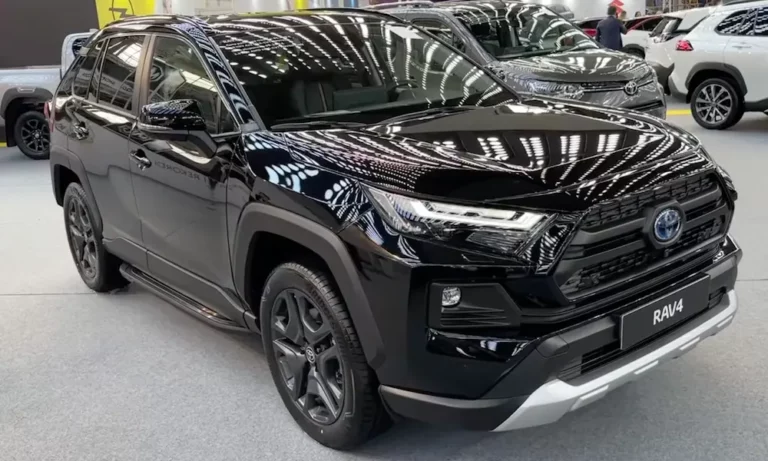
Owning a Toyota RAV4 usually means enjoying reliability and peace of mind. But if you’ve got a 2013-2018 model, you might need to pay attention to a major recall that’s affecting nearly 2 million vehicles. Toyota’s battery recall isn’t just a minor inconvenience—it’s addressing a serious fire risk that’s already caused real problems for some owners.
Let’s cut through the confusion and explain exactly what’s happening, which vehicles are affected, and what you need to do right now to keep your RAV4 safe.
What Is the Toyota RAV4 Battery Recall?
The Toyota RAV4 battery recall (officially NHTSA Campaign 23V-734) affects a massive 1.85 million vehicles manufactured between 2012 and 2018. This isn’t about the batteries themselves failing—it’s about how they’re secured in your vehicle.
The problem centers on aftermarket replacement batteries that might have smaller dimensions than the original equipment. When these batteries aren’t properly secured by the hold-down clamp, they can shift during driving, creating a dangerous situation where the positive terminal can contact the metal clamp and cause a short circuit.
According to the National Highway Traffic Safety Administration, this defect significantly increases the risk of engine compartment fires—something nobody wants to experience.
Which RAV4 Models Are Affected?
The recall specifically covers:
| Model Years | Production Dates | Number of Vehicles |
|---|---|---|
| 2013-2014 | Nov 2012-2014 | 422,000 |
| 2015-2016 | 2014-2016 | 616,000 |
| 2017-2018 | 2016-Nov 2018 | 816,000 |
Important to note: This recall does NOT include RAV4 Hybrid models, which have a different battery configuration. It only affects standard gas-powered RAV4s.
Warning Signs and Safety Risks
If your RAV4 has this issue, you might notice:
- Unexplained engine stalling
- Electrical power loss
- Smoke from the engine compartment
- Burning smells
The NHTSA has documented nine reports of battery-related fires and eight additional reports of fires starting near the battery location. There’s even a case where a teenager’s 2013 RAV4 burst into flames on an expressway just weeks before the recall was announced.
This isn’t just a hypothetical risk—over 43 complaints have been filed specifically about fires related to this battery issue.
Toyota’s Three-Phase Repair Plan
Toyota isn’t fixing all affected vehicles at once. Instead, they’ve created a phased approach based on model years:
Phase 1 (Available Now through December 2024)
- Affects: 2013-2014 RAV4 models
- Status: Repairs currently available
- Action needed: Contact your Toyota dealer immediately
Phase 2 (Late April 2025)
- Affects: 2015-2016 RAV4 models
- Status: Remedy expected in late April 2025
- Action needed: Schedule inspection now, repair when available
Phase 3 (Late July 2025)
- Affects: 2017-2018 RAV4 models
- Status: Remedy expected in late July 2025
- Action needed: Schedule inspection now, repair when available
According to Toyota’s official recall documentation, the fix takes about 36 minutes to complete, though you might need to leave your vehicle at the dealership longer due to scheduling.
What’s the Actual Fix?
When you bring your RAV4 in for repair, Toyota will replace three key components free of charge:
- The battery hold-down clamp sub-assembly (with an improved design)
- The battery tray (enhanced to fit different battery sizes)
- The positive terminal cover (upgraded for better protection)
These improvements ensure that even if you get an aftermarket battery in the future, it’ll be properly secured and protected from causing a short circuit.
Safety Tips While Waiting for Repair
If your RAV4 is affected but you can’t get it repaired immediately, Toyota and safety experts recommend:
- Having your battery inspected by a Toyota dealer to ensure it’s properly secured
- Avoiding parking in enclosed areas like garages when possible
- Being alert for any burning smells or electrical issues
- Making sure any replacement battery uses the correct SAE Group Size 35 specification
Other RAV4 Battery-Related Recalls to Know About
The main battery recall isn’t the only one affecting RAV4s. There are two other significant recalls you should be aware of:
RAV4 Prime DC-DC Converter Recall (23V-478)
This separate recall affects 43,442 vehicles, including 2021-2022 RAV4 Prime and 2022 Lexus NX450h+ plug-in hybrids. The issue involves a defective DC-DC converter that can overheat and potentially cause fires, particularly during cold weather charging below 41°F.
RAV4 Prime Stalling Issue (23V-041)
Another distinct recall affects 16,679 RAV4 Prime vehicles from the 2021 model year. This addresses a software issue that can cause the hybrid system to shut down during cold weather acceleration in EV mode.
The History Behind the Recall
This problem didn’t appear overnight. Back in November 2021, Toyota issued Consumer Advisory 21TG01, acknowledging battery installation problems. They noticed that aftermarket battery suppliers were recommending incorrect battery sizes, and many replacement batteries weren’t being secured properly.
However, further investigation revealed that even correctly-sized Group 35 batteries had dimensional variations that could create safety issues, which ultimately led to this formal recall.
Class Action Settlement Benefits
In June 2024, Toyota agreed to a class action settlement to resolve claims related to the battery defect. If you own or previously owned an affected RAV4, you might be eligible for:
- Free battery inspections
- Up to $75 reimbursement for past battery purchases from Toyota dealers
- Reimbursement for out-of-pocket repairs related to battery hold-down issues
- Coverage for damages caused by battery-related thermal events
How to Check If Your RAV4 Is Affected
There are several ways to verify if your specific vehicle needs this recall repair:
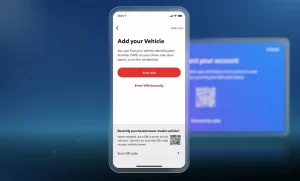
- Visit nhtsa.gov/recalls and enter your 17-digit VIN
- Check Toyota’s recall website at toyota.com/recall
- Call Toyota Customer Support directly at 1-800-331-4331
Toyota began mailing owner notification letters in late December 2024 for Phase 1 vehicles, with subsequent notifications planned as remedy parts become available for each phase.
What Owners Are Saying
Many RAV4 owners have expressed frustration about the lengthy timeline for repairs, especially for 2015-2018 models. On forums like RAV4World, owners are discussing whether they should continue driving their vehicles while waiting for the fix.
One owner wrote: “I’ve been parking outside my garage since I got the recall notice. Not taking any chances with a potential fire hazard near my home.”
Others are questioning Toyota’s priorities: “Why is it taking until mid-2025 to fix a fire hazard that’s already caused documented incidents? This should be expedited.”
Should You Still Drive Your RAV4?
This is the big question on many owners’ minds. Toyota hasn’t issued a “do not drive” warning, but they do recommend getting your battery inspected as soon as possible.
For 2013-2014 owners, you should schedule the repair immediately since parts are available. For 2015-2018 owners, an inspection can at least ensure your current battery is properly secured while you wait for the permanent fix.
The NHTSA documentation suggests the risk is highest if you’ve had your battery replaced with an aftermarket battery that might not be properly secured.
What to Do if You’re Planning to Buy a Used RAV4
If you’re shopping for a used 2013-2018 RAV4:
- Check the vehicle’s recall status using the VIN
- Factor in whether the recall repair has been completed
- Consider requesting a discount if the vehicle has an open recall
- Get a pre-purchase inspection that specifically checks the battery installation
Many dealerships are still selling these vehicles with the recall unaddressed, which is legal but something you should be aware of as a buyer.
Taking Action Now
Here’s what you should do based on your specific situation:
If you own a 2013-2014 RAV4:
- Contact your Toyota dealer immediately to schedule the recall repair
- The fix is free and takes about 36 minutes
If you own a 2015-2018 RAV4:
- Schedule a battery inspection at your Toyota dealer
- Mark your calendar for when your model’s remedy becomes available
- Keep an eye out for your official recall notification letter
All affected owners should:
- Register for recall updates through Toyota’s owner portal
- Document any unusual electrical issues or burning smells
- Keep service records if you’ve had battery-related issues
The Bottom Line
The Toyota RAV4 battery recall represents a significant safety issue that affects nearly 2 million vehicles. While the risk might seem remote, the documented fires and incidents show it’s not just a theoretical concern.
Toyota’s phased approach means some owners will wait longer than others for the permanent fix, but all affected vehicles should eventually receive the improved components that address the root cause of the problem.
By staying informed and taking the recommended precautions, you can minimize risk while waiting for your repair appointment. And remember—all recall repairs are completely free to owners, regardless of warranty status or vehicle age.