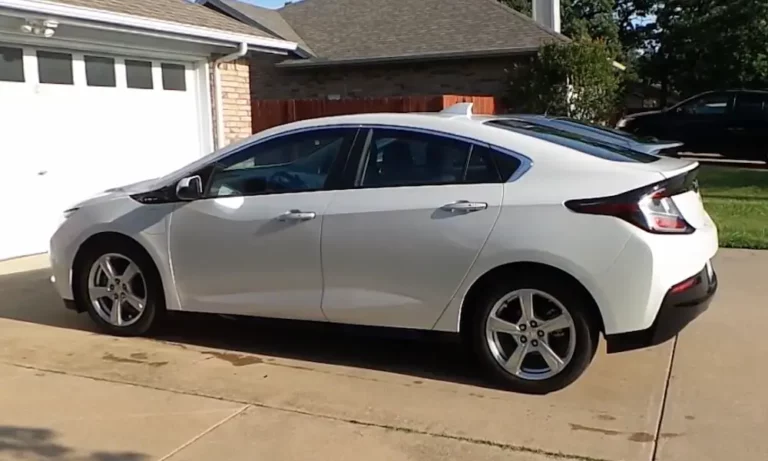
Are you considering a Chevrolet Volt but wondering about its reliability? You’re right to ask this question before investing in this pioneering plug-in hybrid. I’ve gathered comprehensive data on Volt reliability across both generations to help you make an informed decision about whether this electrified Chevy deserves a spot in your garage.
How Reliable Is the Chevy Volt Overall?
The Chevrolet Volt stands out with above-average reliability ratings from most automotive experts. RepairPal gives the Volt a strong 4.0 out of 5.0 reliability rating, ranking it 2nd out of 4 alternative fuel vehicles. Meanwhile, iSeeCars assigns a respectable 7.6 out of 10 reliability score with an expected lifespan of 136,332 miles (about 12.6 years).
The Volt’s annual repair cost averages $550, which is lower than the average for all vehicle models ($652). This means when repairs are needed, they tend to be relatively affordable compared to many other vehicles on the market.
First Generation vs. Second Generation Reliability
First Generation Volt (2011-2015): The Reliability Champion
The first-gen Volt has earned a reputation as the more reliable option. These models feature:
- Four separate Battery Interface Control Modules (BICMs) that rarely fail
- Excellent longevity with many reaching 100,000+ miles without major issues
- Simpler systems with fewer electronic complications
The tradeoffs? First-gen models require premium fuel and offer shorter electric range (35-40 miles) compared to their successors.
Second Generation Volt (2016-2019): Better Features, More Issues
The second-gen Volt introduced significant improvements including:
- Extended electric range (53 miles vs 35-40)
- Compatibility with regular fuel
- Better tech features (Android Auto/Apple CarPlay)
However, this generation also introduced the most significant reliability concern: Battery Energy Control Module (BECM) failures.
Major Reliability Issues to Watch For
BECM Failures (Gen 2 Only)
The most serious reliability issue affects 2016-2019 models and involves the Battery Energy Control Module. NHTSA investigated this issue after receiving numerous complaints but ultimately closed their investigation without requiring a recall.
Symptoms include:
- Complete loss of propulsion
- Inability to start the vehicle
- Failure to charge when plugged in
- Reduced power mode
The good news? GM extended warranty coverage for BECM repairs to 15 years or 150,000 miles for 2016-2018 models under Special Coverage N232432680. Replacement BECMs use a different supplier and aren’t susceptible to the same failure mode.
“Shift to Park” Issue
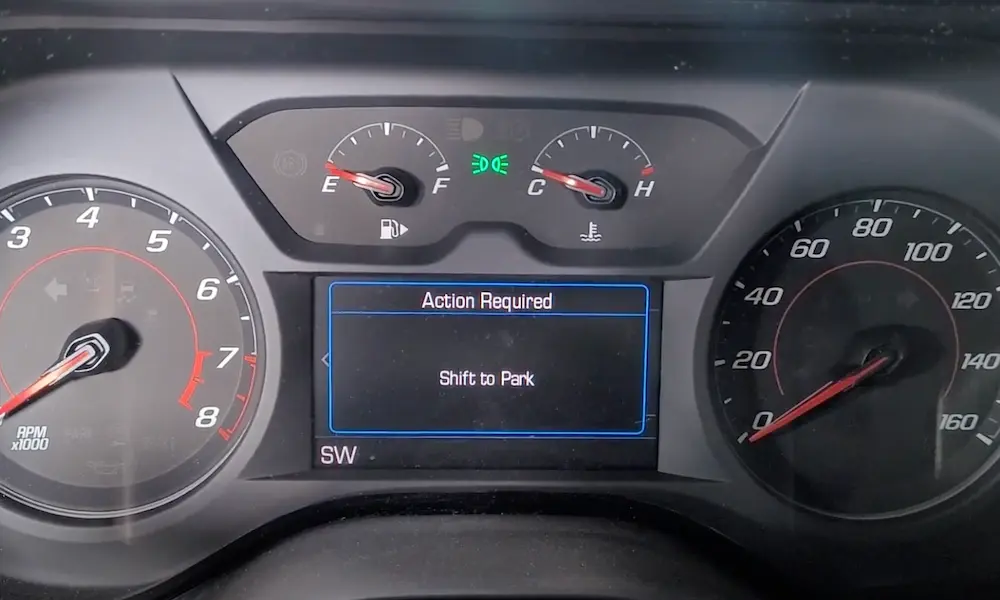
A common problem across both generations involves the “Shift to Park” error, where the vehicle displays this message even when properly parked. This prevents the car from shutting off and can drain the 12-volt battery overnight.
The fix typically involves replacing the shifter assembly, which is usually covered under warranty for affected vehicles.
Battery Degradation Reality Check
Unlike some earlier EVs and hybrids, the Volt’s battery degradation is remarkably gradual:
- After 9 years and 130,000 miles: approximately 8% degradation
- Gen 1 batteries typically maintain 90%+ capacity after 100,000+ miles
- The liquid cooling system helps preserve battery life compared to air-cooled competitors
While GM conservatively estimates 10-30% degradation by the 8-year/100,000-mile warranty point, most owners report much less degradation in practice.
How the Volt Compares to Competitors
Volt vs. Toyota Prius Prime
When compared to its main rival, the Toyota Prius Prime, the Volt shows mixed reliability characteristics:
Volt Advantages:
- Liquid-cooled battery system (vs. air-cooled in Prime)
- Longer electric range (53 vs. 25 miles)
- Better cold-weather performance
- Similar or better hybrid fuel economy in some conditions
Prius Prime Advantages:
- Toyota’s proven hybrid reliability record
- Better fuel economy in hybrid mode (52 vs. 42 MPG)
- Lower repair costs and wider service availability
- More predictable long-term reliability
Long-Term Durability: How Many Miles Can a Volt Last?
Chevrolet Volts demonstrate excellent longevity potential. Multiple sources indicate:
- Expected lifespan: 200,000-300,000 miles with proper maintenance
- Many owners report minimal issues beyond 150,000 miles
- Battery warranties extend to 8 years/100,000 miles (15 years/150,000 miles for BECM on affected models)
Real-world examples abound of high-mileage Volts performing well. One owner reported 172,000 miles on a 2014 Volt with minimal battery degradation and excellent reliability. Another documented 10 years of ownership with only routine maintenance required.
True Cost of Ownership
Maintenance Costs
The Volt’s annual maintenance cost of $550 is reasonable for its vehicle class. Common maintenance items include:
- Infrequent oil changes (due to limited engine use)
- Standard brake service (extended by regenerative braking)
- Coolant changes for both engine and battery systems
- 12-volt battery replacement every 4-5 years
Fuel Savings
Real-world fuel savings can be substantial. One owner documented:
- 75% reduction in fuel costs compared to conventional vehicles
- Overall cost of $0.45 per mile including lease, insurance, fuel, and maintenance
- Electric-only driving cost of approximately $0.07 per mile
This cost advantage becomes more pronounced the more you can drive using electricity rather than gasoline.
Best and Worst Years for the Chevy Volt
Most Reliable Volt Years
Based on reliability data, the most dependable Volt years appear to be:
- 2011, 2014-2015: Good balance of reliability and features in Gen 1
- 2013: Generally solid Gen 1 year
- 2019: Final year with most issues resolved
Years to Approach with Caution
- 2017-2018: Higher incidence of BECM failures, though covered by extended warranty
Smart Pre-Purchase Inspection Tips
For Gen 2 Volts (2016-2019):
- Verify if BECM has been replaced (if so, reliability improves significantly)
- Confirm extended warranty coverage is still valid
- Check service history for “Shift to Park” and other known issues
For All Volts:
- Test electric range and charging function
- Verify proper operation of both electric and gasoline modes
- Have the 12V battery tested, as many issues stem from a weak battery
- Look for qualified service technicians in your area who understand hybrid systems
What Owners Say About Volt Reliability
The Volt has developed a passionate owner community, with many praising its reliability:
“I’ve had my 2014 Volt for seven years now and 115,000 miles with zero issues outside of routine maintenance. The battery still holds virtually the same charge as when new.”
“My 2017 had the BECM replaced under warranty at 45,000 miles. Since then, it’s been perfect for another 40,000 miles.”
“After 172,000 miles in my Gen 1, I’ve spent less on repairs than any car I’ve ever owned. The regenerative braking means I’ve never even had to replace the brake pads.”
Is the Chevy Volt Worth Buying Used?
For most buyers, a used Chevy Volt represents excellent value, particularly:
- First-gen models (2013-2015): Proven reliability with reasonable prices
- Second-gen models with replaced BECM: These offer the best features with the main reliability concern already addressed
- CPO models with remaining warranty: These provide peace of mind for potential electrical issues
The ideal candidate is someone who can charge at home, drives less than 50 miles most days, but occasionally needs the flexibility for longer trips without charging infrastructure concerns.
Common Volt Problems and Their Solutions
| Issue | Symptoms | Typical Solution | Estimated Cost |
|---|---|---|---|
| BECM Failure (Gen 2) | Won’t start, won’t charge, propulsion loss | Module replacement | $2,300-3,500 (covered under extended warranty) |
| Shift to Park Error | Car won’t turn off, battery drain | Shifter assembly replacement | $250-500 (often covered under warranty) |
| Charging Port Issues | Intermittent charging, error messages | Port replacement or repair | $300-800 |
| Heater Issues | Poor heating in cold weather | HVAC component replacement | $400-1,200 |
| 12V Battery Failure | Multiple electrical glitches, won’t start | Battery replacement | $150-250 |
Maintaining Your Volt for Maximum Reliability
To maximize the reliability and lifespan of your Chevrolet Volt:
- Perform regular 12V battery maintenance: Many electrical issues stem from a weak 12V battery.
- Follow the maintenance schedule: Don’t skip oil changes just because you rarely use gas.
- Use the proper charging equipment: Level 1 (120V) is fine for overnight charging, but consider Level 2 (240V) for faster charging.
- Drive regularly: Like any car, long periods of sitting can cause issues.
- Keep software updated: Make sure your dealer applies any available updates to the vehicle’s control modules.
Final Verdict: Are Chevy Volts Reliable?
The Chevrolet Volt is generally a reliable vehicle with above-average dependability ratings and lower-than-average maintenance costs. The first generation offers more predictable reliability, while the second generation provides better features but requires awareness of the BECM issue.
With proper maintenance and understanding of known issues, Volts can provide hundreds of thousands of miles of reliable service. The extended warranties, particularly for BECM issues, help mitigate the most serious reliability concerns.
For buyers seeking a plug-in hybrid with good long-term prospects, the Volt remains a solid choice, especially when purchased with knowledge of its strengths and potential weak points.