So you’re hearing stories about thermostats failing at 800 miles, dead batteries, and engines getting destroyed before their first oil change. If you own — or plan to buy — a Ram 1500 or Jeep Wagoneer with the 3.0 Hurricane engine, this post covers every major problem, every relevant TSB, and exactly what you should do about it.
What Is the 3.0 Hurricane Engine, Exactly?
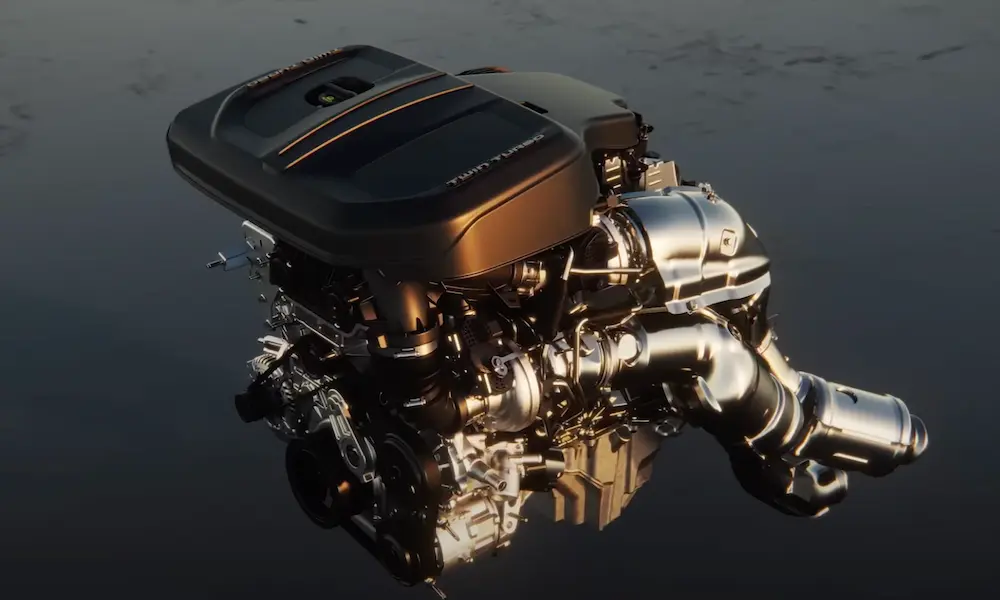
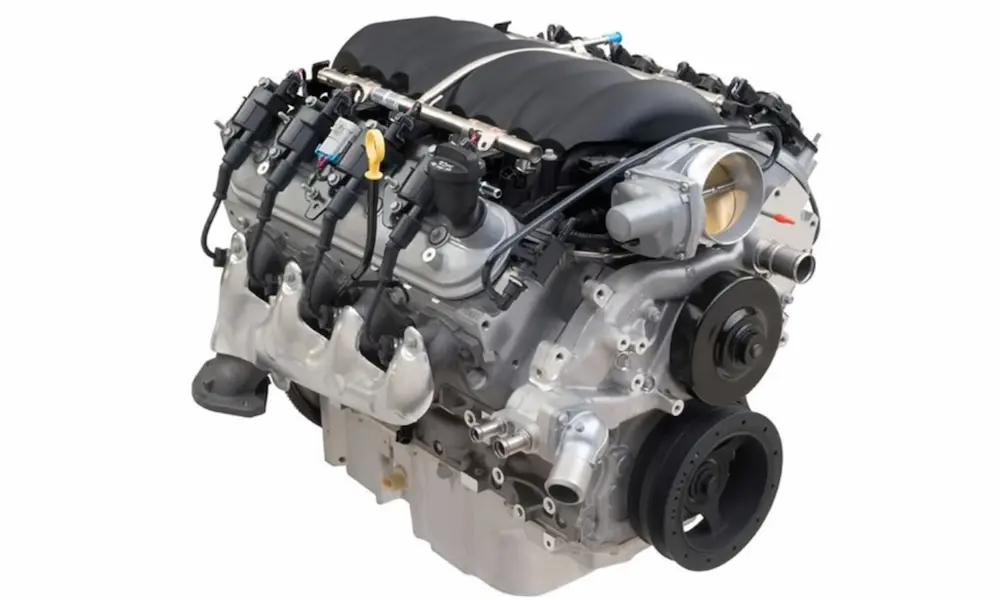
The 3.0L Hurricane Twin-Turbo is Stellantis’s clean-sheet inline-6 designed to replace the 5.7L HEMI V8. It comes in two flavors: Standard Output (SO) at 420 hp and High Output (HO) pushing up to 550 hp. Both share a 2,993 cc displacement with twin low-inertia turbos — one per three cylinders.
Here’s a quick breakdown of what separates the two variants:
| Specification | Standard Output (SO) | High Output (HO) |
|---|---|---|
| Horsepower | 420 hp @ 5,200 rpm | 510–550 hp @ 5,700–6,200 rpm |
| Torque | 468–469 lb-ft @ 3,500 rpm | 500–531 lb-ft @ 3,500 rpm |
| Peak Boost | 22.4 psi | 26.0–30.0 psi |
| Compression Ratio | 10.4:1 | 9.5:1 |
| Piston Type | Cast/Hypereutectic Aluminum | Forged Aluminum |
| Fuel Injection | GDI (single pump) | GDI (dual pumps) |
It’s a genuinely impressive piece of engineering. But impressive engineering doesn’t mean problem-free ownership — especially in year one.
The Biggest 3.0 Hurricane Engine Problem: Thermostat Failures
This is the one that keeps technicians up at night. The most critical reliability issue with the 3.0 Hurricane right now is a sticking thermostat — and it can destroy your engine fast.
What Actually Goes Wrong
The thermostat contains an internal ball-valve driven by a plastic pin. When that pin fails — from contamination or material fatigue — the thermostat gets stuck in the closed position. Zero coolant reaches the radiator. Engine temps spike almost instantly.
One Ram 1500 Bighorn owner paid $65,000 for his truck only to watch it overheat at 800 miles. That’s not a fluke — it’s a pattern.
Why Overheating Hits Turbocharged Engines Harder
At 22 to 30 psi of boost, heat management isn’t optional. The Hurricane uses integrated water-cooled exhaust manifolds built directly into the cylinder head. When coolant stops flowing, the head casting absorbs extreme heat almost immediately. The result can be:
- Warped cylinder heads
- Blown head gaskets
- Cracked engine blocks
Mechanics have documented engines destroyed within just a few miles of the thermostat failing. Making things worse, the thermostat sits behind the coolant pump. Replacing it takes up to two full days at a dealership.
The Official Fix: CSN 26B
Stellantis issued Customer Satisfaction Notification 26B targeting roughly 5,100 vehicles. The problem? Parts shortages have left many trucks grounded for weeks. If your Hurricane-powered vehicle shows any temperature warning or runs hot, treat it as urgent. Don’t keep driving.
Electronic Gremlins: The “Atlantis” Architecture Issues
The 2025 Ram 1500 and Jeep Wagoneer use a new electrical platform called “Atlantis.” It manages the engine, transmission, and chassis all at once. And it’s been throwing some serious curveballs.
Misfire Codes That Aren’t Actually Misfires
Owners frequently see the check engine light with misfire codes P0300 through P0306. Most of the time these aren’t spark plug or coil failures — they’re software calibration issues in the Ignition System Control Module (ISCM).
Stellantis has issued two TSBs to address this:
- TSB 08-055-25 — HO models built on or before January 7, 2025. Reprograms the ISCM to fix hesitation and misfire codes.
- TSB 08-031-25 — SO models built on or before October 4, 2024. Updates both the ISCM and Powertrain Control Module (PCM).
Using regular 87 octane fuel makes this worse. The PCM retards timing so aggressively to compensate that it triggers bogus misfire readings or throws a “See Owner’s Manual for Oil and Fuel” message with reduced power. Use 91 octane — especially in the HO.
Dead Battery Syndrome
This one’s frustrating because your truck just… won’t start in the morning. The Body Control Module (BCM) doesn’t enter proper sleep mode, especially when a key fob sits too close to the vehicle.
The Atlantis architecture keeps modules active and exterior lights on, draining the battery overnight. TSB 08-380-25 provides a BCM reflash to fix it. Some owners have gone further and use RFID-blocking signal shields for their fobs as a physical stopgap while waiting for dealership appointments.
Transmission Problems With the 8HP75
The Hurricane pairs with the ZF 8HP75 TorqueFlite 8-speed — widely considered one of the best transmissions ever built. Still, its integration with the Hurricane’s fast torque delivery has created some rough edges.
Rough Shifts, Jerks, and ESS Bumps
Owners report a noticeable bump or jerk when the engine restarts in the Engine Stop-Start (ESS) system, particularly in “Normal” or “Snow” drive modes. There’s also clunking during tip-in downshifts and when lifting off the throttle quickly.
TSB 21-015-25 covers vehicles built on or before November 20, 2024, and offers a TCM flash to smooth out shifts and correct gear-holding during downgrades.
Despite the fix, some owners report ongoing slipping and jerking in lower gears after multiple dealership visits. Some dealers chalk it up to “break-in” or “adaptive learning” — a cycle that can take up to 10,000 miles.
Park By Wire Faults
More severe cases involve the Park By Wire system. Some vehicles stick in Park when shifted to Drive, or throw a “mismatch in Neutral” fault while shifting between Drive and Reverse. These faults — typically DTC P1B14 or P1DF3 — require a full TCM reprogram.
No Dipstick: A Bigger Deal Than It Sounds
The Hurricane ditches the physical oil dipstick entirely. Instead, an ultrasonic sensor in the oil pan monitors level and temperature, feeding a digital readout to your dashboard.
Here’s the problem: an ultrasonic sensor can’t detect fuel dilution or coolant contamination in your oil. On a traditional dipstick, you’d spot milky or thin oil immediately. With GDI engines, fuel dilution is a known byproduct — and on a turbocharged engine, thinned oil leads to accelerated wear on critical bearings.
The #1 Connecting Rod Bearing Risk
There are documented cases of catastrophic internal failure in the 3.0 Hurricane tied directly to bearing issues. One teardown traced a loud knock to a spun #1 connecting rod bearing. In a new platform, that’s a serious red flag.
The Hurricane uses offset connecting rods, which create unique loads on bearing surfaces. If lubrication drops — from fuel dilution, long drain intervals, or a momentary pressure drop at high boost — the bearing can seize. And fixing it on a Ram 1500? The rear cylinders sit under the cowl. Major internal work requires a cab-off repair.
Carbon Buildup and Catalytic Converter Stress
The Hurricane uses direct injection (GDI), which sprays fuel straight into the combustion chamber. Unlike older port-injection engines, no fuel ever flows over the intake valves. That means no natural cleaning of oil vapor deposits from the PCV system.
Over time, carbon builds up on the intake valves, causing:
- Rough idle
- Misfires
- Fuel economy loss
Stellantis claims the engine runs hot enough to burn these deposits off, but mechanics suggest professional valve cleaning every 50,000 to 100,000 miles is still a smart move.
On top of that, early Hurricane-powered Ram trucks have shown catalytic converter overheating, typically as a secondary result of misfiring or a rich fuel mixture. Stellantis has pushed PCM updates to better manage fueling under load.
Hurricane vs. HEMI: Which Engine Has More Problems?
It’s the question every Ram buyer asks. Here’s the honest comparison:
| Issue | 3.0L Hurricane I6 | 5.7L HEMI V8 |
|---|---|---|
| Common Mechanical Failure | Thermostat / Cooling System | Exhaust Manifold Bolts / Hemi Tick |
| Major Component Risk | Turbo Coking / Bearing Failure | Lifter / Camshaft Failure |
| Fuel System Issues | GDI Carbon Buildup | eTorque Bearing / MDS Solenoids |
| Electronic Complexity | Atlantis Architecture / Software Flashes | Basic PCM / TIPM Issues |
| Repair Difficulty | High — cab-off for internals | Moderate — standard engine bay access |
The HEMI has 20 years of refined service procedures and a massive aftermarket behind it. The Hurricane delivers nearly 60 more lb-ft of torque and runs smoother — but it’s a much more complex machine. Out of warranty, that complexity costs money.
Legal and Regulatory Heat
The NHTSA has tracked complaints about engine shutdowns and loss of power on Hurricane-powered vehicles. The largest current action — NHTSA recall 26V104 — covers trailer lighting and brake failures across over 450,000 Stellantis vehicles including the Ram 1500 and Jeep Wagoneer.
Meanwhile, law firm Sauder Schelkopf is investigating a class action lawsuit targeting the 2025 Ram 1500 with the Hurricane engine. The claims center on check engine lights, sudden shutdowns, and battery drainage — and the allegation that dealerships can’t reliably diagnose or fix these issues.
What You Should Actually Do to Protect Your Hurricane Engine
The Hurricane punishes neglect far more than the HEMI ever did. Follow these practices from day one:
- Use full synthetic oil only — turbos spinning at 100,000+ rpm need it. No conventional oil, ever.
- Change oil every 5,000 to 6,000 miles — don’t stretch to the manufacturer’s 10,000-mile recommendation with a GDI turbo engine.
- Let the engine idle for one minute after towing or hard driving — this lets oil circulate through the turbos before they heat-soak.
- Fill up with 91 octane premium — especially if you have the HO. Lower grades trigger timing retard that causes software-driven misfires.
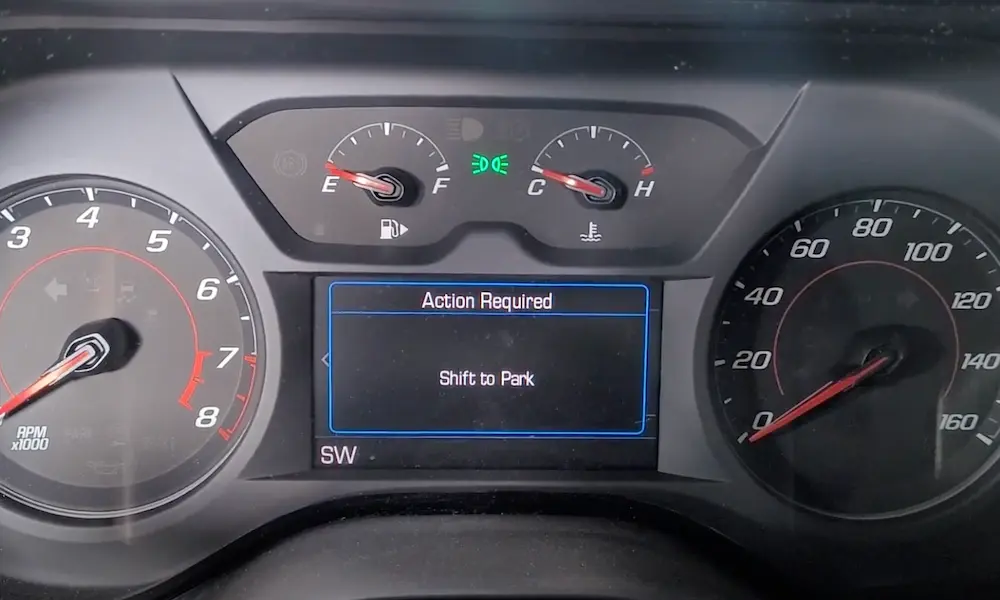
- Watch your temperature gauge — if it climbs fast, pull over immediately. A failed thermostat can destroy your engine in miles.
- Ask your dealer about all current TSBs at your next service visit — especially TSB 08-055-25, TSB 08-031-25, TSB 21-015-25, and TSB 08-380-25.
The Hurricane is a genuinely capable engine with real long-term potential. But right now, staying ahead of these known 3.0 Hurricane engine problems is the difference between a great ownership experience and a very expensive nightmare.