Shopping for a used Tahoe feels like defusing a bomb — pick the wrong year and you’re looking at a $25,000 engine replacement. Pick the right one and you’ll drive it past 200,000 miles without losing sleep. This guide breaks down every generation, names the winners, and tells you exactly which years to skip.
Why the Year You Choose Actually Matters
Not all Tahoes are created equal. The gap between the best and worst model years isn’t just a few quirks — it’s the difference between a rock-solid family hauler and a money pit with leather seats.
The core issue? GM kept adding complex fuel-saving tech to the engine without fully solving the side effects first. Cylinder deactivation systems, new transmissions, fresh platforms — each launch came with a fresh batch of problems. Knowing which years got it right (and which ones were the guinea pigs) saves you thousands.
Generation 1 (1995–1999): Built Tough, But Watch the 1999
The first-gen Tahoe ran a 5.7-liter V8 and prioritized pure utility over comfort. It’s mechanically simple, which means easier and cheaper repairs. Many of these trucks hit 200,000 miles with routine maintenance.
The weak spots? The lower intake manifold gaskets are prone to leaking — especially if the previous owner used Dex-Cool coolant without flushing it regularly. You’ll also want to check the fuel pump and ABS sensors on 1996–1998 models.
The 1999 model year is the one to avoid here. It logged a notably high rate of engine-related complaints, including catastrophic engine failure on uphill pulls. Skip it.
| Model Year | Engine | Issues to Know |
|---|---|---|
| 1995 | 5.7L V8 | Intake manifold leaks, spider injectors |
| 1996–1998 | 5.7L Vortec V8 | Fuel pump failure, ABS sensor faults |
| 1999 | 5.7L Vortec V8 | High engine failure rate — avoid |
Generation 2 (2000–2006): The Golden Era of Tahoe Reliability
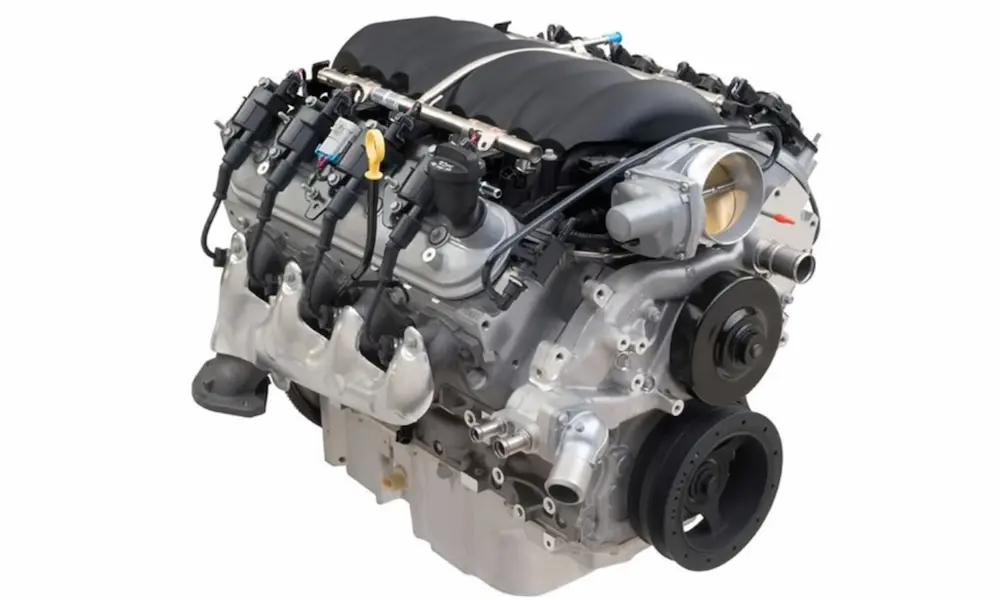
This is where it gets good. The GMT800 platform introduced the legendary LS-based V8 family — the 4.8L and 5.3L Vortec engines. These motors didn’t have Active Fuel Management (AFM), which means none of the lifter and camshaft failures that haunted later generations.
The 2001 model year earned a near-perfect reliability score from Consumer Reports. Owners routinely report hitting 250,000 miles without major engine work. The frame also got a fully boxed front section, which improved crash safety and ride stiffness.
That said, the generation isn’t flawless:
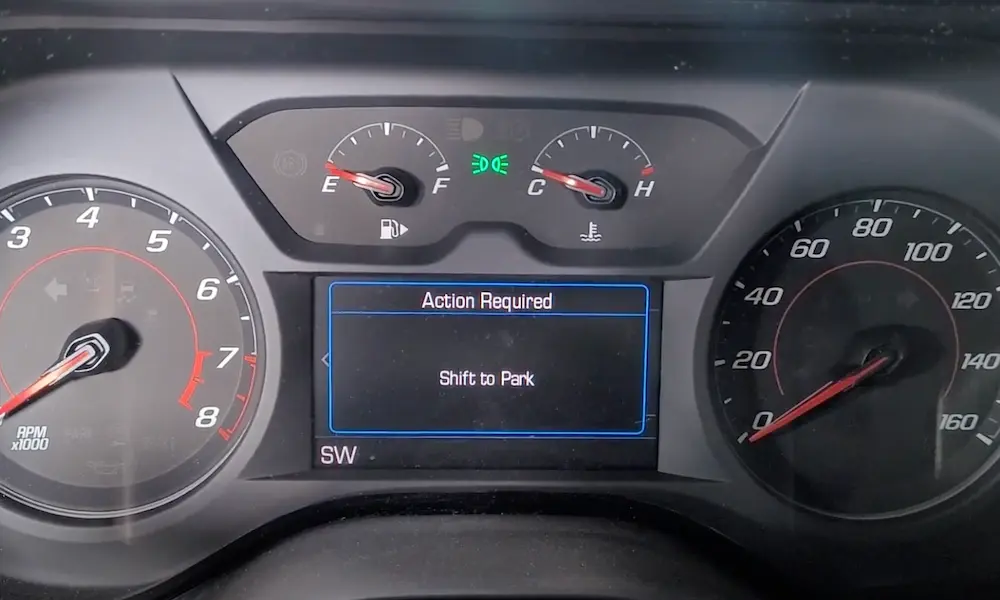
- Instrument cluster failures — stepper motors in the speedometer go bad on 2003–2005 models, giving you erratic gauge readings
- 4L60E transmission — generally solid but struggles under heavy towing loads without fresh fluid
- HVAC blend doors — a common complaint on 2002 models
The Best Year in This Generation: 2006
The 2006 Tahoe sits at the top of the entire Tahoe lineup for long-term reliability. It carries the refined 5.3L LS engine, no AFM headaches, and all the build-quality improvements GM made over six years on this platform. It’s the workhorse pick.
| Model Year | Reliability | Main Concerns |
|---|---|---|
| 2000–2001 | Excellent | Fuel pump, ABS issues |
| 2002 | Average | Electrical glitches, HVAC blend doors |
| 2003–2005 | Poor–Average | Instrument cluster failures |
| 2006 | Excellent | Minor interior rattles only |
Generation 3 (2007–2014): The AFM Problem — and How GM Fixed It
Here’s where things get complicated. The GMT900 platform looked great — sleeker styling, more interior space, better highway manners. But GM introduced Active Fuel Management, and it caused real damage.
What AFM Actually Does (and Why It Fails)
AFM shuts down four of the eight cylinders during light-load driving to save fuel. The mechanism uses oil-pressure-activated lifters that collapse on command. In practice, these lifters stick, fail mechanically, or cause oil to burn off in deactivated cylinders. Owners of 2007–2011 models frequently had to add a quart of oil between changes — a classic sign the engine was burning it.
The worst part: collapsed lifters flatten the camshaft lobes. That’s a full engine rebuild or replacement.
The 2007 Model Year: Avoid It
The 2007 Tahoe generated over 1,000 documented complaints. AFM failures, cracked dashboards (which became nearly universal across 2007–2014), and a first-year redesign that hadn’t sorted its bugs yet. Consumer data is clear — steer clear.
The 2014 Model Year: Buy It
By 2014, GM had quietly engineered out most of the AFM problems that plagued early GMT900 trucks. The dashboard cracking was still present cosmetically, but serious mechanical failures dropped sharply. J.D. Power gave the 2014 Tahoe an 83 out of 100 quality score, ranking it the most reliable large SUV in its class that year.
If you want a modern-looking Tahoe at a used price without the fifth-gen recall risk, the 2014 is your answer.
| Model Year | Verdict | Key Issues |
|---|---|---|
| 2007–2008 | Avoid | AFM failures, oil burning, cracked dash |
| 2009–2010 | Average | Electrical faults, fuel pump |
| 2011–2013 | Good | Dash cracks, minor sensors |
| 2014 | Excellent | Minimal — mature platform |
Generation 4 (2015–2020): Luxury Ambitions, Early Regrets
The K2XX generation pushed the Tahoe toward premium territory — quieter cabin, magnetic ride control on higher trims, and advanced driver-assistance features. It looked great on paper. The 2015 launch, however, was rough.
Why the 2015 Is a Hard Pass
Two big problems hit 2015 owners right away:
- AC condenser cracking — refrigerant leaks out, you lose all cooling, and the repair runs $900–$1,100
- The “Chevy Shake” — a high-speed vibration tied to new transmission software that dealers struggled to diagnose
Consumer Reports rated the 2015 Tahoe a 1.0 out of 5.0 for reliability. That’s not a typo.
The 2020 Model Year: The K2XX Sweet Spot
By 2020, GM had addressed every major failure from the earlier K2XX years. The 2020 Tahoe earned a perfect 5.0 reliability score from Consumer Reports. The optional 6.2L V8 paired with the 10-speed automatic delivered genuinely smooth power — a real improvement over the clunky 6-speed and 8-speed units in earlier models.
It’s also the last year with the traditional live-axle rear suspension, which some owners prefer for towing stability. If you want modern tech, Apple CarPlay, and a refined cabin without gambling on fifth-gen engines, the 2020 Tahoe is your pick.
| Feature | 2015 Tahoe | 2020 Tahoe |
|---|---|---|
| Reliability Score (CR) | 1 / 5 | 5 / 5 |
| Common Issues | AC condenser, transmission shudder | Minimal electrical |
| Connectivity | Early MyLink | Apple CarPlay / Android Auto |
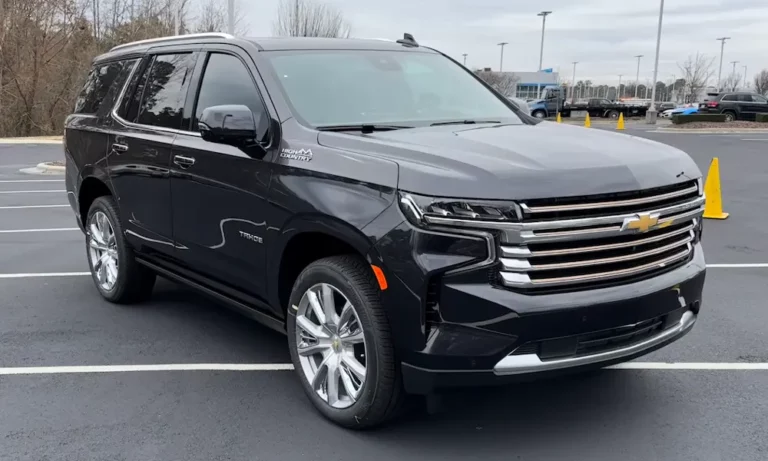
Generation 5 (2021–Present): A Big Leap Forward — With a Big Asterisk
The T1 platform is the most ambitious Tahoe yet. GM ditched the live-axle rear suspension for an independent rear suspension (IRS), which added 40% more third-row legroom and transformed how it drives on the highway. It’s genuinely impressive — until you look at what’s happening under the hood of the 6.2L V8 models.
The 6.2L V8 Recall You Need to Know About
In 2025, GM issued a recall covering roughly 800,000 vehicles equipped with the 6.2L V8. The cause: machining debris left inside the oil passages of the crankshaft and connecting rods during manufacturing at the Tonawanda plant. That debris damages rod bearings, and bearing failure can happen without warning while driving, cutting power steering and brake assist simultaneously.
NHTSA opened a formal investigation (Recall #24V795000) after reports surfaced that some engines were still failing after the official fix. GM’s solution: switch to 0W-40 oil for engines that pass inspection, and replace engines that don’t — a repair that can cost over $25,000 out of warranty.
If you’re buying a 2021–2024 Tahoe with the 6.2L, verify the recall status on the NHTSA vehicle lookup tool before signing anything.
The Duramax Diesel: The Smart Fifth-Gen Choice
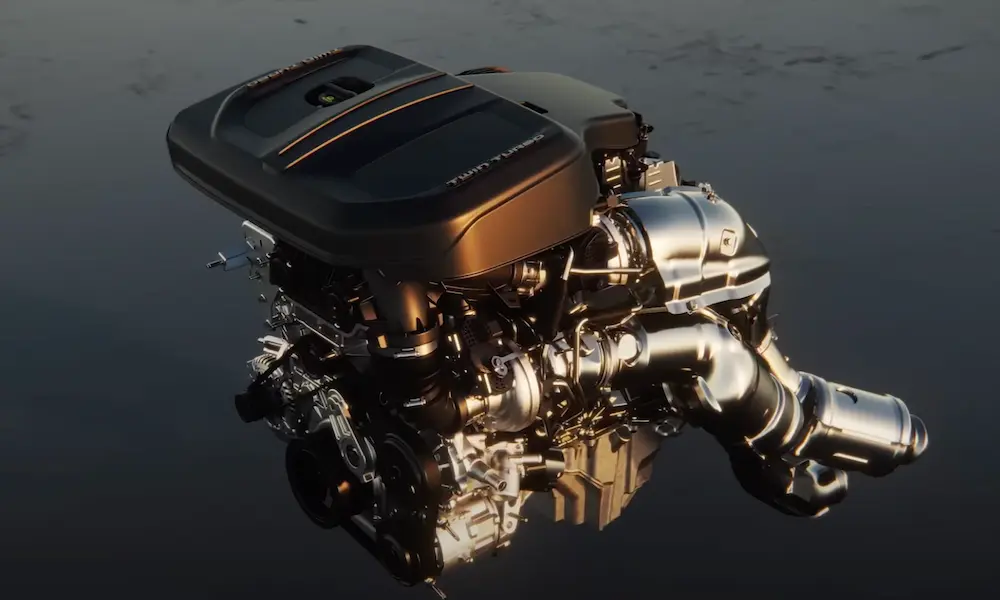
The 3.0L Duramax Turbo-Diesel has been the quiet star of the fifth-gen Tahoe. It’s not affected by the 6.2L recall, it puts out 305 horsepower and a massive 495 lb-ft of torque, and it’ll take you over 600 miles on a single tank. Towing feels effortless because you’ve got all that torque available from low RPMs.
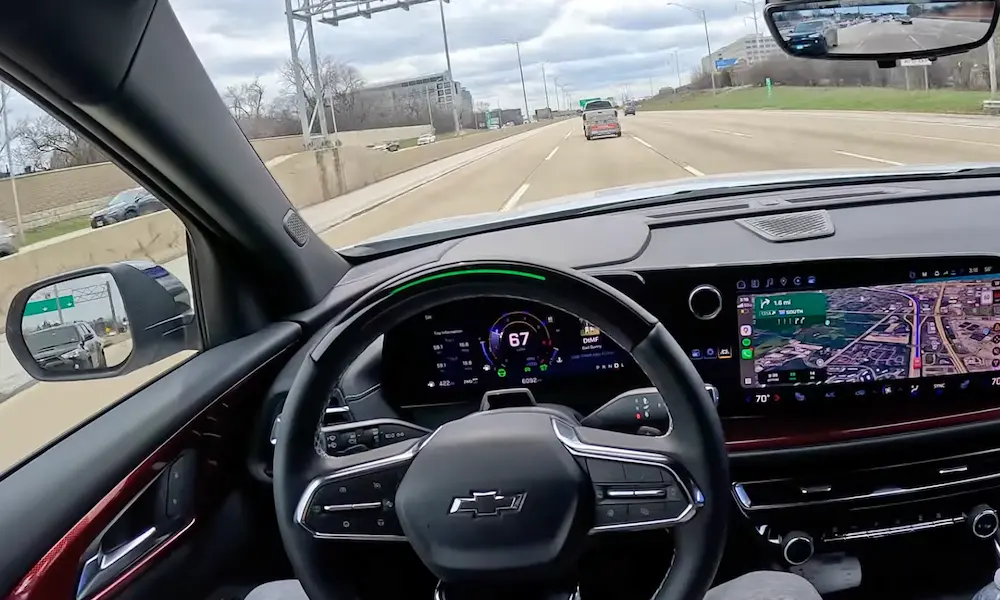
For the 2025 and 2026 model years, GM also gave the Tahoe a comprehensive facelift — the headline being a 17.7-inch center touchscreen and an 11-inch digital cluster. It’s a massive upgrade that finally brings the interior in line with what the Cadillac Escalade has been doing for years.
| Engine | Power | Fuel Economy (Hwy) | Notable Issues |
|---|---|---|---|
| 5.3L V8 | 355 hp / 383 lb-ft | 20 MPG | Lifter failures, DFM issues |
| 6.2L V8 | 420 hp / 460 lb-ft | 20 MPG | Critical Recall #24V795000 |
| 3.0L Duramax Diesel | 305 hp / 495 lb-ft | 26 MPG | Minor thrust bearing concerns |
The AFM/DFM Problem — and the $50 Fix
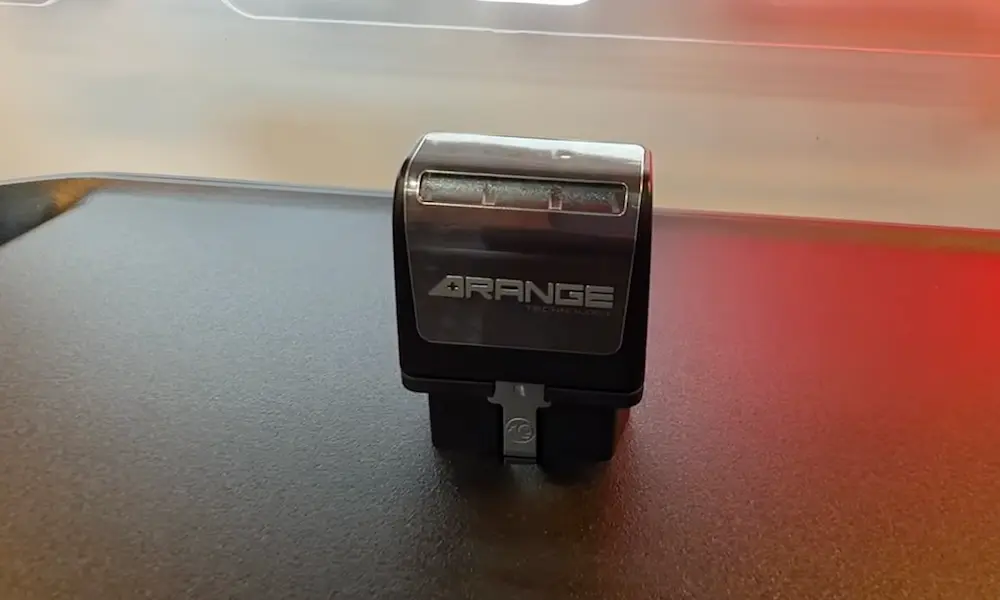
If you already own a Tahoe with Active Fuel Management or Dynamic Fuel Management, there’s a simple aftermarket solution worth knowing about. Both the Range Technology AFM Disabler and the Boost AFM/DFM Disabler plug into your OBD-II port and prevent the engine from entering cylinder deactivation mode. No tune, no modification, fully reversible.
Experts recommend this for any third or fourth-gen Tahoe with the 5.3L to protect the lifters from the constant cycling that causes premature wear.
Towing Capacity: What the Numbers Actually Mean
Max towing figures look impressive in brochures. But hitting those numbers requires the Max Trailering Package — an upgrade that adds an upgraded radiator, integrated trailer brake controller, and a two-speed transfer case on 4WD models. Without it, you’re working with lower-rated components that overheat faster under sustained load.
| Model Year | Configuration | Max Towing |
|---|---|---|
| 2026 | 2WD + Max Trailering | 8,400 lbs |
| 2026 | 4WD + Max Trailering | 8,100–8,200 lbs |
| 2014 | 2WD Standard | 8,500 lbs |
| 2006 | 2WD Standard | 8,800 lbs |
Always check the door jamb sticker on the B-pillar for the rating specific to your truck’s configuration — never go by the headline number alone.
The Real Cost of Tahoe Ownership
The Tahoe is a serious financial commitment. New High Country trims push past $100,000. But iSeeCars ranks the Tahoe as the best large SUV for the money based on total lifespan cost — and the data backs that up.
| Metric | Tahoe Data |
|---|---|
| Annual Lifespan Cost | $7,817 |
| Average Lifespan | 161,761 miles |
| Chance of Reaching 200K miles | 26.2% |
| 5-Year Out-of-Pocket Cost | $55,461 |
| 5-Year Depreciation | ~50% |
The smartest used-buy window sits between five and ten years old with under 75,000 miles. You avoid the steepest depreciation drop while still getting plenty of life left in the drivetrain.
So — What’s the Best Year for Chevy Tahoe?
Here’s the straightforward answer broken down by what you actually need:
- Best workhorse buy: 2006 — LS engine, no AFM, proven reliability, capable of 250,000+ miles
- Best value used purchase: 2014 — modern styling, all early bugs fixed, strong reliability scores
- Best modern used pick: 2020 — perfect Consumer Reports score, Apple CarPlay, refined cabin, no fifth-gen recall risk
- Best new purchase: 2025/2026 with the 3.0L Duramax Diesel — avoids the 6.2L recall entirely, 26 MPG highway, 600-mile range, massive new touchscreen
The Tahoe’s history rewards buyers who do their homework. Stick to the end-of-generation years — 2006, 2014, 2020 — and you’ll get a truck that earns its keep. Rush into a first-year redesign, and you’re paying tuition for GM’s engineering lessons.