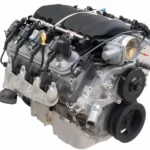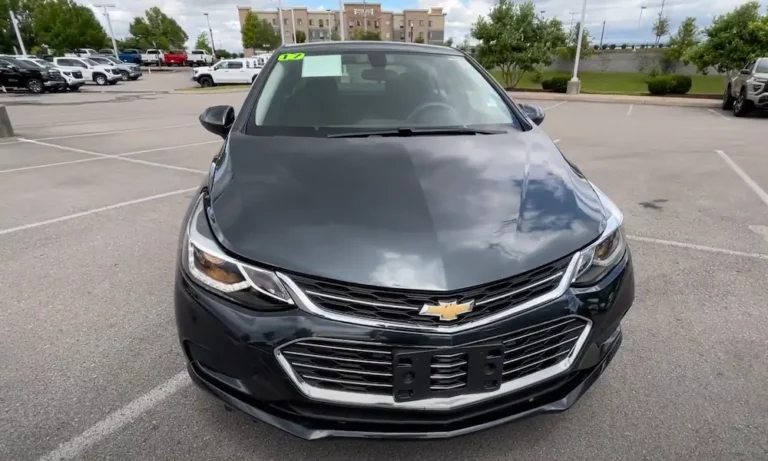
Thinking about buying a used Chevrolet Cruze — or already own one that’s acting up? Chevrolet Cruze engine problems range from minor annoyances to full engine destruction. Knowing which issues hit which model years (and why) could save you thousands. Stick around, because this breakdown covers every major failure, the model years most at risk, and exactly what to do about it.
The Cruze’s Two Very Different Personalities
The Chevrolet Cruze ran from 2011 to 2019 across two generations. They share a name, but their reliability stories are pretty different.
- First generation (2011–2015): Iron-block turbocharged and naturally aspirated engines. Plagued by cooling failures, PCV design flaws, and transmission defects.
- Second generation (2016–2019): All-aluminum turbocharged engine. Early years struggled with cracked pistons. By 2018–2019, most issues were sorted.
Here’s a quick snapshot of the engines across both generations:
| Engine | Type | Generation | Key Weakness |
|---|---|---|---|
| 1.4L LUV/LUJ | Turbocharged | 1st Gen | PCV failure, cooling leaks |
| 1.8L LUW/LWE | Naturally Aspirated | 1st Gen | Oil cooler failure, timing belt |
| 1.4L LE2 | Turbo / Direct Injection | 2nd Gen | Cracked pistons (2016–2017) |
| 2.0L LUZ Diesel | Turbo-Diesel | 1st Gen | DPF clogging, EGR fouling |
| 1.6L LH7 Diesel | Turbo-Diesel | 2nd Gen | DEF system failures |
The 1.4L Turbo’s Dirty Secret: PCV System Failure
The first-gen 1.4L turbocharged engine has a design flaw that nobody told you about at the dealership. The PCV check valve sits inside the intake manifold — it’s a small orange silicone nipple. When it works, it controls blow-by gases. When it fails, everything downstream suffers.
What Actually Happens When the PCV Fails
The valve gets sucked into the engine. Without it in place, turbo boost pressure hits the crankcase directly. That pressure has nowhere safe to go, so it punches through the weakest points.
Here’s the chain reaction:
- Valve cover diaphragm ruptures — a huge vacuum leak develops
- Engine runs lean — you’ll see a P0171 code and rough idle
- A high-pitched whistle appears at idle — that’s your warning sign
- Front crank seal starts leaking oil — crankshaft seals can’t handle the pressure spike
- Oil leaks everywhere — electrical components and hot exhaust parts are now at risk
There’s a clever DIY test for the crank seal: if the whistle disappears when you pull the oil dipstick, air is getting sucked past the front seal. That’s a classic symptom techs use to confirm this exact failure.
The fix? Replace the intake manifold with an updated design, swap the valve cover, and address any seals that have already given way. Catch it early, and it’s a few hundred dollars. Miss it, and you’re looking at serious engine damage.
Cooling System Failures: Plastic Parts in a Hot Engine
The first-gen Cruze runs hot by design — often above 220°F (105°C). That temperature is fine for metal. It’s brutal for the plastic components GM used throughout the cooling system.
Common cooling system failure points include:
- Plastic water outlet (coolant flange): Cracks and weeps coolant slowly
- Thermostat housing: Cracks under thermal stress
- Coolant expansion tank: Develops internal cracks that trap air
These failures are sneaky. You won’t see a puddle under the car. You’ll just notice the coolant level dropping a little every week, wonder where it’s going, and then one day the engine overheats.
Water Pump Failures and the Extended Warranty You Might Not Know About
GM issued Special Coverage 14371A for 2011–2014 models specifically because the water pump failed so often. The pump’s shaft seal and bearings gave out, causing rapid overheating.
Because the Cruze uses an aluminum head on an iron block, overheating doesn’t just cause discomfort — it warps the head. A warped head means a blown head gasket. A blown head gasket that lets coolant into the combustion chamber means hydro-locking. And hydro-locked 1.4L engines have been torn down to reveal shattered pistons, bent connecting rods, and holes punched through the cylinder walls.
A small coolant leak is never just a small coolant leak on this car.
Quick upgrade: Swap the plastic water outlet for an aluminum aftermarket version. It’s inexpensive, it’s easy to install, and it eliminates one of the most common failure points entirely.
Second-Gen 1.4L Turbo: Cracked Pistons and LSPI
The LE2 engine in the 2016–2019 Cruze fixed the PCV problem and the plastic cooling issues. But it introduced something worse in its first two model years: cracked pistons.
What Is Low-Speed Pre-Ignition (LSPI)?
LSPI is unplanned combustion. The fuel-air mixture ignites before the spark plug fires, creating pressure spikes the piston ring lands simply weren’t built to handle. On the LE2, this typically destroys cylinder number one.
You’ll notice:
- Sudden power loss
- Rough idle
- A “Service Stabilitrak” warning on the dash
- Diagnostic code P0301 (Cylinder 1 Misfire)
Low compression in cylinder one and physical piston damage on a scope inspection confirms it.
GM’s response was to update the oil spec to Dexos 1 Gen 2 (later Gen 3), which chemically inhibits LSPI. For 2018 and 2019, GM also redesigned the pistons and ring packs. Those model years are far more durable. If you’re buying a 2016 or 2017 LE2 Cruze, make sure the owner used the correct oil. If they didn’t, walk away.
1.8L Naturally Aspirated: The Timing Belt Nobody Talks About
The 1.8L LUW/LWE engine in the base Cruze LS is often called the more “chill” option. No turbo, less heat, fewer exotic failure modes. That’s mostly true — but it has two issues that’ll catch you off guard.
The Timing Belt Is an Interference Engine
The 1.8L uses a rubber timing belt, not a chain. If that belt snaps, valves meet pistons. The repair bill starts at engine rebuild territory. Factory spec says replace at 100,000 miles, but most experienced techs recommend doing it at 80,000–90,000 miles — or every 10 years if mileage is low.
Don’t skip this. There’s no warning before the belt snaps.
Oil Cooler Contamination
The 1.8L oil cooler sits behind the exhaust manifold and takes a constant thermal beating. When its gaskets fail, engine oil pushes into the cooling system. You’ll open the expansion tank and find something that looks like a chocolate milkshake.
Many owners mistake this for a blown head gasket — same visual symptoms. But the fix is different: replace the oil cooler gaskets. It’s labor-intensive since you need to pull the exhaust manifold, but it’s far cheaper than a head gasket job. If you leave it, the oil destroys the rubber coolant hoses from the inside and they eventually burst.
Transmission Nightmares: The 6T40 Wave Plate
Chevrolet Cruze engine problems don’t exist in a vacuum — the transmission can fail just as spectacularly.
Early first-gen Cruzes (2011–2012) had a manufacturing defect in the 3-5-Reverse wave plate inside the 6T40 automatic. This metal plate cracked without warning, instantly wiping out third gear, fifth gear, and reverse. Repair costs typically exceed $2,500 and require a full transmission teardown. GM redesigned the plate for 2013+, so later models are far less prone to this.
The second-gen Cruze had its own transmission issue: a major recall (NHTSA 20V467000) covered nearly 200,000 vehicles from 2016–2019. Missing bolts on the stop-start accumulator caused transmission fluid leaks — and in some cases, fluid reached hot engine components and started fires.
If you own a 2016–2019 Cruze and haven’t verified this recall was completed, check it now at NHTSA’s website.
The Recalls You Need to Know About
The NHTSA database on the Cruze is extensive. Here are the most critical safety-related items:
| NHTSA ID | Model Years | Problem | What It Caused |
|---|---|---|---|
| 12V288 | 2011–2012 | Engine shield trapping oil | Fire risk near hot exhaust |
| 18V341 | 2016–2018 | Fuel tank integrity | Fuel leak during rollover |
| 20V467 | 2016–2019 | Missing accumulator bolts | Transmission leak, fire risk |
| 14V151 | 2013–2014 | Front axle shaft | Fracture risk |
| 13V360 | 2011–2012 | Brake vacuum assist | Loss of braking power |
The 2011–2012 engine shield recall is particularly interesting. GM’s fix involved cutting sections out of the plastic belly pan with a saw so trapped oil could drain — and wrapping the wiring harnesses in heat-resistant tape. That tells you everything you need to know about how seriously GM took that fire risk.
Electrical Gremlins That Mimic Engine Problems
Some of the most frustrating Chevrolet Cruze engine problems aren’t engine problems at all. The first-gen Cruze had a defective negative battery cable where the internal copper wire fractured inside the insulation. Symptoms include:
- Flickering radio and infotainment screen
- Power steering cutting out briefly during parking
- Random Stabilitrak and Traction Control warnings
- Car refusing to start despite a good battery
Because the ECM and Transmission Control Module are highly sensitive to voltage, a bad ground causes erratic shifting and stalling that looks exactly like a mechanical failure. Replace the negative cable before chasing expensive engine or transmission diagnostics.
Maintenance Intervals That Actually Protect Your Engine
The factory maintenance schedule is optimistic. Here’s what experienced Cruze technicians actually recommend:
| Service | Factory Interval | Technician Recommendation |
|---|---|---|
| Oil Change (Turbo) | 7,500–10,000 miles | 5,000 miles / full synthetic |
| Coolant Flush | 150,000 miles | 50,000 miles |
| Timing Belt (1.8L) | 100,000 miles | 80,000–90,000 miles |
| Intake Valve Cleaning (LE2) | Not specified | Every 60,000 miles |
The LE2 engine uses direct injection, which means fuel doesn’t wash the intake valves. Carbon builds up on them over time and causes misfires and poor fuel economy. Walnut blasting or chemical cleaning every 60,000 miles keeps them clean.
Which Model Years Should You Actually Buy?
The 2018 and 2019 Cruze represent the best versions of this car. The piston design was updated, the oil spec was corrected, and Consumer Reports ranked the 2018 model above Honda and Mazda for reliability. The 2011 and 2012 models carry the highest risk — transmission wave plate failures, fire recalls, and cooling system disasters make them genuinely difficult used-car purchases.
If you’re buying used:
- Avoid: 2011, 2012 (1.4L turbo or auto trans), 2016–2017 LE2 without documented oil change history
- Consider carefully: 2013–2015 (improved, but cooling vulnerabilities remain)
- Best bets: 2018–2019 with verified Dexos 1 Gen 3 oil history
The Cruze rewards owners who actually maintain it. It punishes the ones who stretch oil changes and ignore a slow coolant leak. Now you know what to watch for — which puts you in a much better position than most people shopping for one of these.