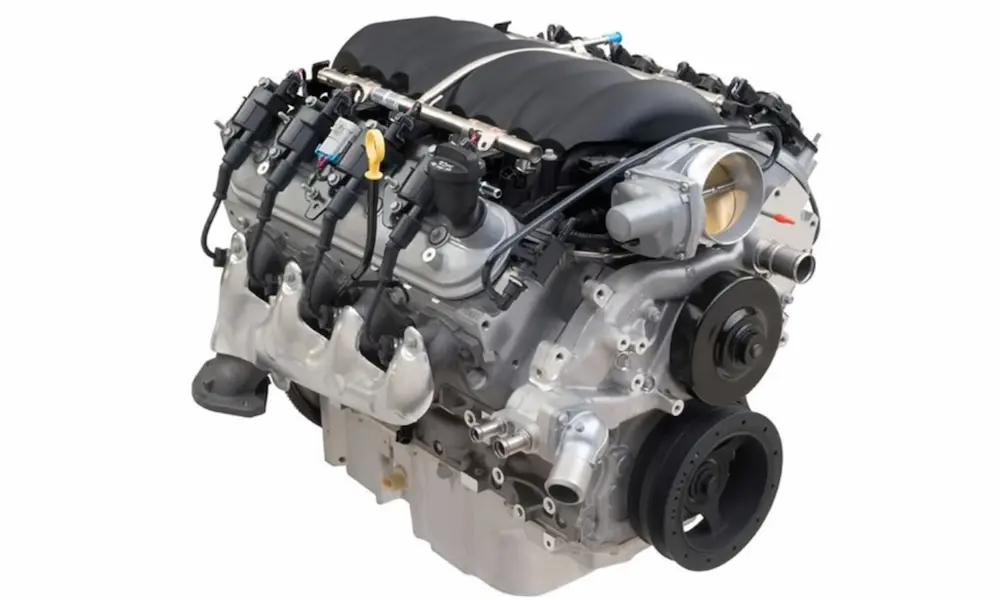
Got a ticking noise, a “Reduced Engine Power” warning, or a mysterious oil pressure drop? Your 6.0 Vortec engine is probably trying to tell you something. The good news is that most 6.0 Vortec engine problems follow a very predictable pattern — and knowing what to expect can save you thousands. Read to the end, because some of these fixes are surprisingly simple.
What Makes the 6.0 Vortec Tick (And Not in a Good Way)
The 6.0L Vortec family has been powering Silverados, Sierras, Suburbans, and Express vans since 1999. It comes in several flavors — LQ4, LQ9, LY6, and L96 — each with its own quirks. Understanding which version you have matters a lot when you’re chasing a problem.
Here’s a quick breakdown:
| RPO Code | Years | Generation | VVT | AFM | Notable Trait |
|---|---|---|---|---|---|
| LQ4 | 1999–2007 | III | No | No | The original workhorse |
| LQ9 | 2002–2007 | III | No | No | High-output, flat-top pistons |
| LY6 | 2007–2010 | IV | Yes | No | Replaced LQ4, adds VVT |
| L96 | 2010–2017 | IV | Yes | No | Flex-fuel (E85) capable |
| L76 | 2007–2009 | IV | Yes | Yes | VortecMax 1500, uses AFM |
The iron-block versions (LQ4, LQ9, LY6, L96) are legendary for durability. Fleet operators regularly push these past 300,000 miles. But even iron warriors have weak spots. Let’s dig into each one.
Broken Exhaust Manifold Bolts: The Most Common 6.0 Vortec Problem
Ask any mechanic who works on GM trucks regularly, and they’ll tell you the same thing: broken exhaust manifold bolts are practically a rite of passage with the 6.0 Vortec.
Why the Bolts Keep Breaking
It’s basic physics. Cast-iron manifolds and aluminum cylinder heads expand at different rates when the engine heats up. Every time you start your truck, the manifold and the head push and pull against each other. After thousands of heat cycles, those steel bolts — especially the ones closest to the firewall — just snap.
The classic symptom is a loud ticking or clacking sound during a cold start. Here’s the tricky part: once the engine warms up and the manifold expands, it may temporarily seal against the head and the noise disappears. Plenty of owners misdiagnose this as a lifter tick. Don’t be fooled. A persistent exhaust leak warps the manifold over time, erodes your exhaust ports, and throws off your oxygen sensors.
How to Fix It Without Losing Your Mind
The traditional repair means pulling the manifold and extracting the broken shank — often a miserable job in tight engine bays. Many technicians end up pulling the inner fender liner or, in worst-case scenarios, the cylinder head itself.
A faster alternative: aftermarket repair clamps like the Dorman 917-107 bolt into existing holes on the cylinder head and apply pressure to the manifold flange. They seal the leak without touching the broken stud. It’s not a perfect fix, but it works long-term for many owners.
If you do a full manifold service, use upgraded aftermarket studs. Original bolts will just break again.
AFM Lifter Failures: The Problem That Ruins Engines
Active Fuel Management (AFM) — GM’s cylinder deactivation system — is one of the most controversial features in the 6.0 Vortec lineup. Here’s the most important thing to know upfront.
Which 6.0 Engines Have AFM?
The heavy-duty LY6 and L96 engines (found in 2500HD and 3500HD trucks) do not have AFM. GM correctly decided that trucks pulling heavy loads needed consistent V8 power, not a cylinder-shuffling economy trick.
AFM shows up in the L76 (VortecMax half-ton trucks) and the LFA/LZ1 (hybrid SUVs). If you own one of those, pay attention.
How AFM Destroys Lifters
AFM uses special collapsible lifters on cylinders 1, 4, 6, and 7. When the ECM switches to four-cylinder mode, oil pressure collapses these lifters to keep the valves shut. The problem is the locking pin mechanism inside each lifter. Carbon buildup, oil aeration, or a manufacturing defect can prevent the lifter from “unlatching” when you need all eight cylinders back.
The result? A severe misfire (DTC P0300), a loud tick, and potential camshaft lobe damage. GM’s own TSB 10-06-01-008 addresses this, recommending combustion chamber cleaning procedures and, in severe cases, piston and ring replacement.
AFM engines also consume excessive oil — sometimes more than a quart every 2,000 miles. The AFM pressure relief valve sprays oil mist into the crankcase, overwhelming piston rings and fouling spark plugs in the deactivated cylinders.
The AFM Delete Fix
For L76 and hybrid 6.0L owners, the AFM delete is the smartest move you can make. Swap the collapsible lifters for solid LS7-style lifters, install a standard valley cover, and reprogram the ECM to kill the AFM software. You might lose 1–2 MPG, but you eliminate the risk of catastrophic engine failure. That’s a trade most owners are happy to make.
Low Oil Pressure: Sensor Problem or Real Problem?
A “Low Oil Pressure” warning on a 6.0 Vortec can mean two very different things. Chasing the wrong one wastes time and money.
The Sediment Screen Trap
Generation IV engines (LY6, L96, L76) have a tiny mesh screen in the oil gallery beneath the oil pressure sensor at the rear of the intake manifold. This screen protects the VVT phasers from debris. Over time, sludge clogs it, and the sensor reads falsely low pressure.
Many mechanics swap the sensor and call it done — only for the warning light to return. The fix is cleaning that screen first, then replacing the sensor if needed.
The Oil Pickup Tube O-Ring
A more serious issue hits engines over 150,000 miles. The O-ring between the oil pump and the pickup tube hardens and cracks with age. When it goes, the pump draws air instead of oil — especially during cold starts. You’ll hear valvetrain chatter and see erratic pressure readings. Left unchecked, it causes bearing damage.
Here’s a quick diagnostic guide:
| Component | Symptom | Diagnostic Step |
|---|---|---|
| Pressure Sensor | Sudden 0 PSI or maxed-out gauge | Check harness for corrosion |
| Sediment Screen | Gradually declining readings | Remove sensor, inspect screen |
| Pickup O-Ring | Pressure drops under braking or acceleration | Run a mechanical pressure test |
| Relief Valve | Consistent low pressure under 20 PSI | Inspect pump for a stuck valve |
NHTSA technical bulletin MC-10139184 identifies oil aeration as a primary driver of lifter failures — which connects directly back to that pickup O-ring.
“Reduced Engine Power”: The Throttle Body Culprit
Few things are more frustrating than your truck going into limp mode on the highway. The 6.0 Vortec’s drive-by-wire throttle system is a common trigger.
Carbon Coking Kills Throttle Response
PCV oil vapor mixes with dust inside the intake and forms a sticky black crust around the throttle plate edges. The ECM watches the Throttle Position Sensor (TPS) and Accelerator Pedal Position (APP) sensor simultaneously. If the throttle plate sticks and doesn’t hit its commanded position within milliseconds, the ECM shuts things down to “Reduced Engine Power” mode.
Cleaning your throttle body every 50,000 miles with an approved throttle body cleaner prevents this. It takes 20 minutes and costs next to nothing.
TAC Module and Wiring Failures
On 2003–2005 Generation III trucks, the Throttle Actuator Control (TAC) module sits separately on the firewall. Failures here throw codes like P0121 and P2135. The internal gears in the electronic throttle body are also plastic — they strip over time, and the whole unit needs replacement when they do.
Knock Sensor Corrosion: A Gen III Exclusive Problem
If you own a 1999–2007 LQ4 or LQ9, listen up. These engines put the knock sensors in the valley of the block, tucked directly under the intake manifold. Water sneaks past the rubber harness seals and pools in the sensor wells.
What Happens When They Corrode
Corroded knock sensors short to ground and throw DTCs P0327 or P0332. The ECM can’t manage ignition timing properly, so it defaults to a low-octane timing table. Your engine loses noticeable power, feels sluggish, and burns more fuel.
The repair means pulling the intake manifold. Replace both sensors and the entire wiring harness at once — doing one without the other is a waste of labor. Many technicians seal around the sensor caps with RTV silicone to redirect water away from the wells. It’s a simple trick that prevents a repeat visit.
Ground Strap Corrosion: The Ghost Problem
Aging ground straps cause some of the weirdest, hardest-to-diagnose symptoms on 6.0 Vortec trucks — especially in rust-belt states.
Critical Ground Points to Check
Corroded grounds can cause random misfires, flickering gauges, intermittent “Reduced Engine Power” warnings, and erratic sensor readings. The key ground locations to inspect:
- Cylinder head to firewall — primary ground for ignition coils
- Engine block to frame — near the starter, handles high-current starting loads
- Battery to radiator support — reference for front-end sensors
- Fuel pump frame ground — on the frame rail near the tank; corrosion here kills fuel pumps
Hit each one with a wire brush, then coat the connection with dielectric grease. It’s one of the cheapest, highest-impact maintenance tasks you can do on an aging GM truck.
Fuel Pressure Regulator Failures (Pre-2004 Engines)
Early LQ4 and LQ9 trucks used a return-style fuel system with a vacuum-operated regulator on the fuel rail. The rubber diaphragm inside degrades over time.
Spotting a Bad Regulator
When the diaphragm ruptures, raw fuel gets sucked through the vacuum line into the intake manifold. Watch for:
- Hard warm starts — the engine floods while parked
- Black smoke during acceleration or startup
- Fuel in the vacuum line — pull the hose off the regulator; if you see liquid fuel, it’s done
Post-2004 trucks moved to a returnless system with the regulator inside the fuel pump module in the tank. Harder to service, but it eliminates the vacuum leak risk entirely.
Recalls and TSBs You Need to Know About
The 6.0 Vortec has attracted official attention from NHTSA and GM over the years.
- NHTSA 25V390: Affects 2019–2024 Silverado 4500HD/5500HD/6500HD. A faulty brake pressure sensor can leak fluid into its connector, causing an underhood fire — even with the engine off.
- TSB PIP4138R: Covers valvetrain noise diagnosis — chirping, squeaking, ticking — and procedures for identifying collapsed lifters or worn cam lobes.
- TSB 15-06-01-002F: Addresses misfires and ticking in Gen IV V8s, pointing to oil aeration as the primary cause of lifter failure.
High-Mileage Maintenance That Actually Matters
The 6.0 Vortec reaches 400,000 miles in commercial service when owners follow a serious maintenance schedule. Here’s what matters most at each major milestone:
| Mileage | Service Item | Why It Matters |
|---|---|---|
| 50,000 | Throttle body cleaning | Prevents “Reduced Engine Power” codes |
| 100,000 | Spark plugs and wires | Protects ignition coils from stress |
| 100,000 | O2 sensor replacement | Restores fuel economy, protects cats |
| 150,000 | Cooling system flush | Prevents Dex-Cool degradation |
| 150,000 | Transmission fluid and filter | Protects 4L80E or 6L90 |
| 200,000 | Oil pump pickup O-ring | Critical oil pressure protection |
The LY6 and L96 engines are genuinely excellent long-term powerplants — but only when you treat maintenance as prevention, not reaction.
The bottom line on 6.0 Vortec engine problems is this: the core rotating assembly almost never fails. It’s the peripheral stuff — the manifold bolts, the lifters, the sensors, the ground straps — that gets you. Stay ahead of those, and this engine will outlast the truck it’s sitting in.