Ever wondered if those affordable Detroit Axle brakes are worth your money? You’ve probably seen them online with their attractive pricing, but hesitated to click “buy” without knowing more. I’ve researched extensively to bring you the facts about these budget-friendly brake components. By the end of this post, you’ll know exactly when these brakes make sense for your vehicle—and when you might want to spend a bit more.
What Are Detroit Axle Brakes?
Detroit Axle is an aftermarket auto parts company that manufactures budget-friendly brake components including rotors, pads, calipers, and complete brake kits. They operate from facilities in Michigan, including a 350,000-square-foot manufacturing plant in Ferndale and additional operations in Warren.
The company claims their products are made in ISO9002 certified facilities and “built to exceed OEM specifications.” Their product line includes:
- Standard brake rotors
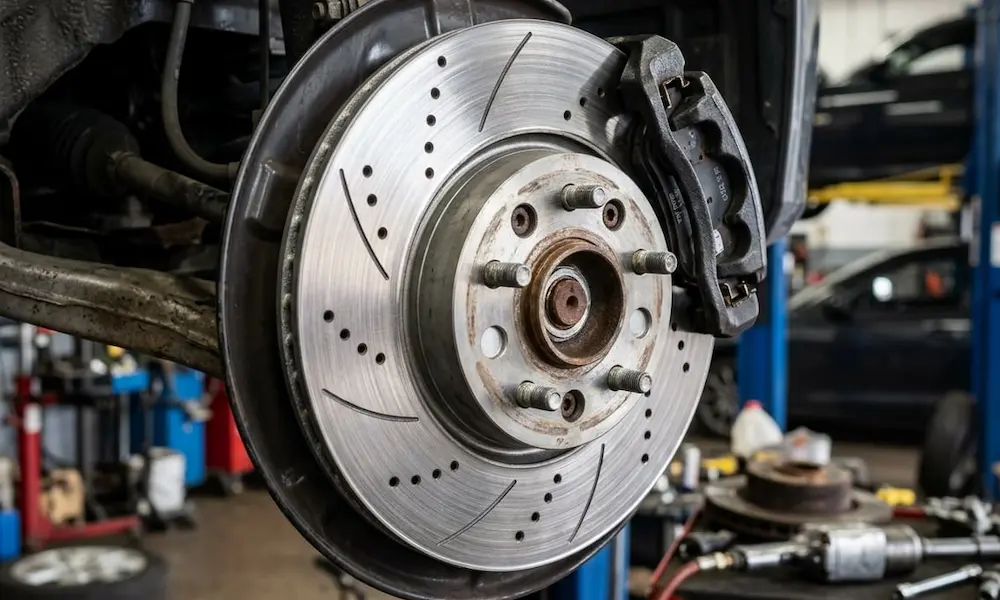
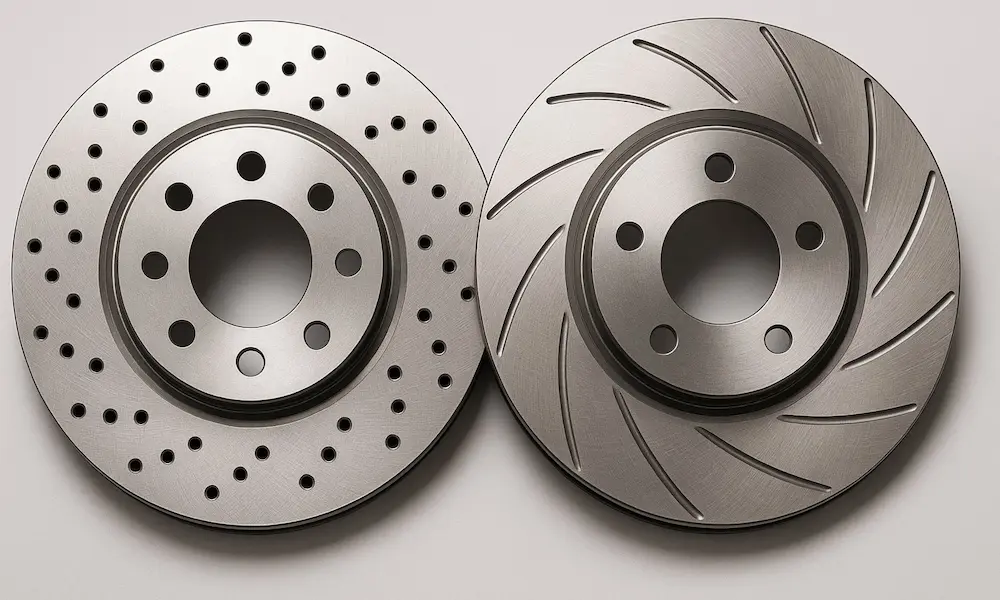
- Drilled and slotted rotors
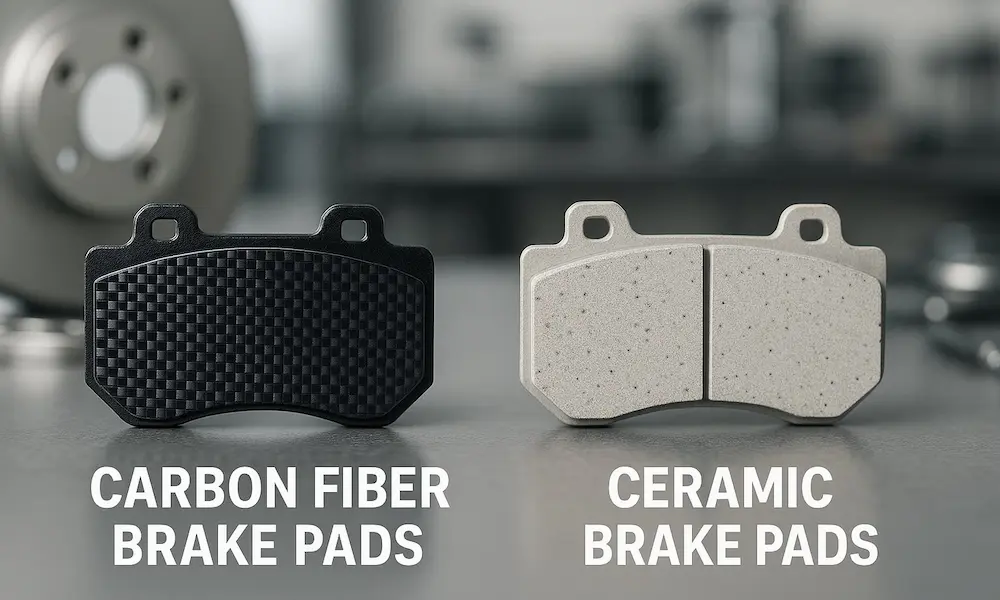
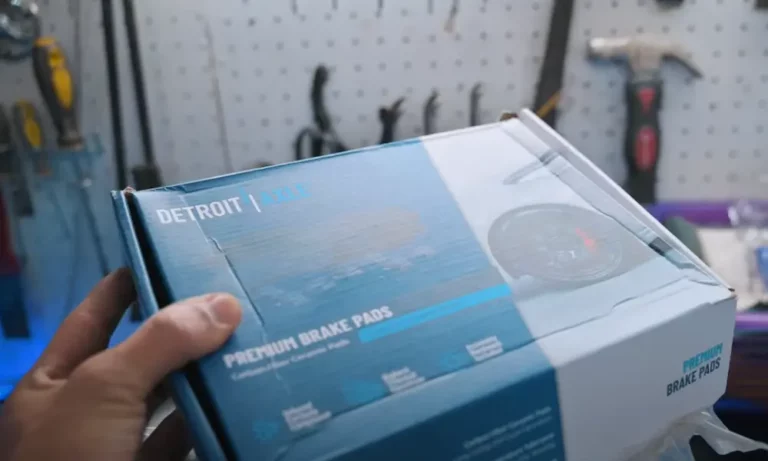
- Ceramic brake pads
- Complete brake kits with hardware
- Calipers and other brake components
What sets them apart is primarily their price point—typically 40-60% less than OEM parts and significantly cheaper than premium aftermarket brands.
Quality and Performance of Detroit Axle Brakes
Daily Driving Performance
For normal everyday driving, Detroit Axle brakes provide adequate stopping power. Most users report satisfactory initial performance with proper bite and reasonable pedal feel. If you’re simply commuting to work or running errands, these brakes will likely meet your basic needs.
The ceramic brake pads are marketed as lasting longer than generic metallic pads while producing less noise. Their drilled and slotted rotors are designed to improve heat dissipation, which theoretically helps prevent brake fade during normal use.
Performance Under Demanding Conditions
Where Detroit Axle brakes show their limitations is in more demanding situations. Independent testing and user reports indicate several performance concerns when pushed harder:
- Friction performance drops significantly at higher temperatures
- Requires increased brake pressure during sustained braking
- Experiences premature fade under heavy use
- Delivers inconsistent pedal feel compared to OEM and premium alternatives
If you regularly tow heavy loads, drive in mountainous terrain, or have a heavier vehicle, these limitations could affect your braking performance and safety.
Material Quality and Construction
Detroit Axle’s ceramic brake pads use ceramic fiber and copper blends designed to provide quieter operation and reduced dust. However, the company doesn’t disclose specific details about their friction material composition, which is a key factor in brake performance.
Their rotors feature laser engraving and are available in both plain and drilled/slotted configurations. While the machining appears adequate, users have reported inconsistent quality control:
| Component | Common Quality Issues |
|---|---|
| Rotors | Warping, uneven wear, premature rusting |
| Pads | Inconsistent friction material, premature wear |
| Calipers | Fit issues, sticking, premature seal failure |
| Hardware | Missing components, rusting fasteners |
How Long Do Detroit Axle Brakes Last?
Longevity is perhaps the biggest concern with Detroit Axle products. While the company offers an impressive 10-year warranty on rotors and drums, real-world durability often falls short of premium alternatives.
User experiences vary widely, with some reporting reasonable lifespan while others experience premature failure. The consensus seems to be that Detroit Axle brakes typically last:
- 20,000-30,000 miles for brake pads (vs. 30,000-70,000 for premium brands)
- 30,000-50,000 miles for rotors (vs. 50,000-70,000 for premium options)
This accelerated wear rate means you might replace Detroit Axle components more frequently, potentially offsetting the initial cost savings over time.
Common Problems with Detroit Axle Brakes
Users consistently report several issues with Detroit Axle brake components:
Noise Issues
Brake noise is one of the most common complaints. Despite marketing claims about quiet operation, many users report squealing and grinding sounds developing after a few thousand miles. This noise often persists even after proper break-in periods and can worsen over time.
Excessive Brake Dust
Another frequent complaint is the production of excessive brake dust. While all brakes produce some dust as the friction material wears, Detroit Axle pads seem to generate more than average, requiring more frequent wheel cleaning.
Fitment Problems
Though Detroit Axle claims their parts match OEM specifications, some users encounter fitment issues. These range from minor inconveniences during installation to more serious problems that affect brake performance. Always verify compatibility with your specific vehicle model and year before purchasing.
Warranty Support Challenges
Despite offering a generous 10-year warranty, accessing warranty service can be problematic. The Better Business Bureau gives Detroit Axle an “F” rating, with complaints focusing on:
- Difficulty reaching customer service
- Problems processing returns and warranty claims
- Wrong parts being shipped
- Restocking fees charged even for company errors
Detroit Axle vs. Competitors
How do Detroit Axle brakes compare to alternatives? Here’s a breakdown:
| Brand | Price Point | Performance | Durability | Customer Service |
|---|---|---|---|---|
| Detroit Axle | $ | Basic/Adequate | Fair | Poor |
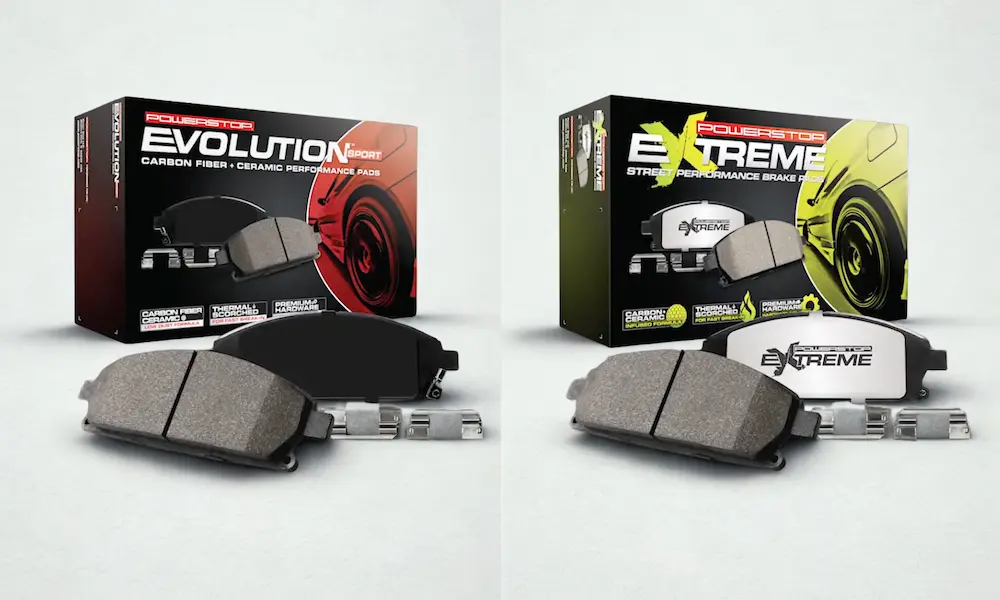
| Power Stop | $$ | Good | Good | Good |
| OEM/Dealer | $$$ | Very Good | Excellent | Very Good |
| Premium (EBC, Hawk) | $$$$ | Excellent | Excellent | Excellent |
Detroit Axle positions itself clearly in the budget segment. Power Stop offers a middle ground with better performance and reliability at a moderate price increase. Meanwhile, OEM and premium brands provide the best performance and longevity but at significantly higher cost.
Some users find a compromise by using Detroit Axle rotors with higher-quality brake pads from other manufacturers, maximizing value while improving friction performance.
Cost Analysis: Are They Worth It?
Detroit Axle brake components typically cost between $50-150 per axle for a complete set (rotors and pads), compared to $120-350 for premium alternatives. This price difference makes them appealing for:
- Older vehicles with lower overall value
- Temporary fixes while saving for better components
- Budget-conscious DIY mechanics
However, when considering total cost of ownership, the value proposition becomes less clear. If you need to replace these components twice as often as premium alternatives, the long-term cost savings diminish significantly.
Who Should Buy Detroit Axle Brakes?
Detroit Axle brakes make the most sense for specific situations and drivers:
Good Fit For:
- Basic transportation with normal driving conditions
- Older vehicles where replacement cost is a major consideration
- Temporary solutions until you can afford higher-quality components
- Light-duty vehicles with minimal performance demands
- DIY mechanics on tight budgets
Not Recommended For:
- Towing applications requiring sustained braking performance
- Performance driving or track use
- Commercial vehicles where reliability is essential
- Newer, higher-value vehicles
- Drivers who prioritize long-term value over initial cost
Installation and Break-In Tips
If you decide to use Detroit Axle brakes, proper installation and break-in can maximize their performance:
- Clean all mounting surfaces thoroughly before installation
- Apply anti-seize compound to all hardware (except the brake pad surface)
- Torque all fasteners to manufacturer specifications
- Break-in properly: Perform 5-10 moderate stops from 35-40 mph with cooling periods between each
- Avoid hard braking for the first 100-200 miles
- Check for even wear after 1,000 miles
Following these steps helps ensure the best possible performance from your budget brake components.
Finding the Best Detroit Axle Brake Components
If you decide Detroit Axle is right for your situation, some components perform better than others:
- Their basic rotors generally receive better reviews than their drilled/slotted options
- Ceramic pads perform better for daily driving than their semi-metallic offerings
- Complete kits with hardware provide better value than buying components separately
- Verify specific fitment for your vehicle before ordering
Real-World Performance Expectations
Setting realistic expectations is important when choosing budget brake components. With Detroit Axle, you can reasonably expect:
- Adequate stopping power for normal driving
- Some increased noise compared to premium brands
- More frequent replacement intervals
- Possible warranty support challenges
Understanding these trade-offs helps you make an informed decision based on your specific needs and budget constraints.
The Safety Perspective
While Detroit Axle brakes meet basic safety requirements for road use, it’s worth noting that brake performance directly impacts vehicle safety. The National Highway Traffic Safety Administration oversees vehicle safety standards, though specific brake pad formulations aren’t directly regulated by federal standards.
If safety is your primary concern and you regularly drive in demanding conditions, investing in higher-quality brake components might be worthwhile despite the additional cost.
The Bottom Line on Detroit Axle Brakes
Detroit Axle brakes represent a clear compromise: lower upfront cost in exchange for reduced performance consistency, shorter lifespan, and potential quality control issues. They provide basic functionality that’s adequate for normal driving but fall short of premium alternatives in almost every performance metric.
For budget-conscious drivers with basic transportation needs, they offer a functional solution that will get the job done, if not elegantly. Just be prepared for potentially shorter service intervals and some performance compromises along the way.
If you decide to use Detroit Axle, consider pairing their rotors with higher-quality pads from brands like Power Stop or Akebono for a better balance of cost and performance.
Remember that brakes are a critical safety system—if you’re ever in doubt about performance or reliability, it’s always better to invest in components you can trust completely.