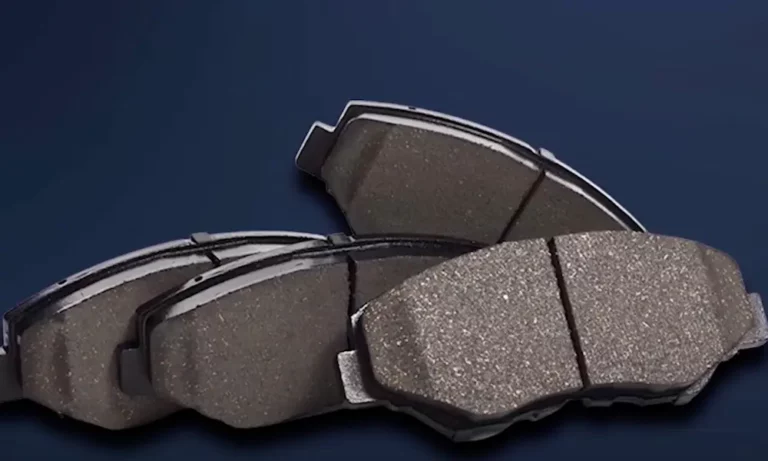
Wondering if ceramic brake pads are worth the upgrade? You’re at a crossroads many drivers face when it’s time for a brake job. With higher price tags than traditional options, ceramic pads promise quieter stops and less dust—but do they deliver enough value to justify the cost? Let’s cut through the marketing hype and explore whether ceramic brake pads are the right choice for your vehicle and driving style.
What Are Ceramic Brake Pads Made Of?
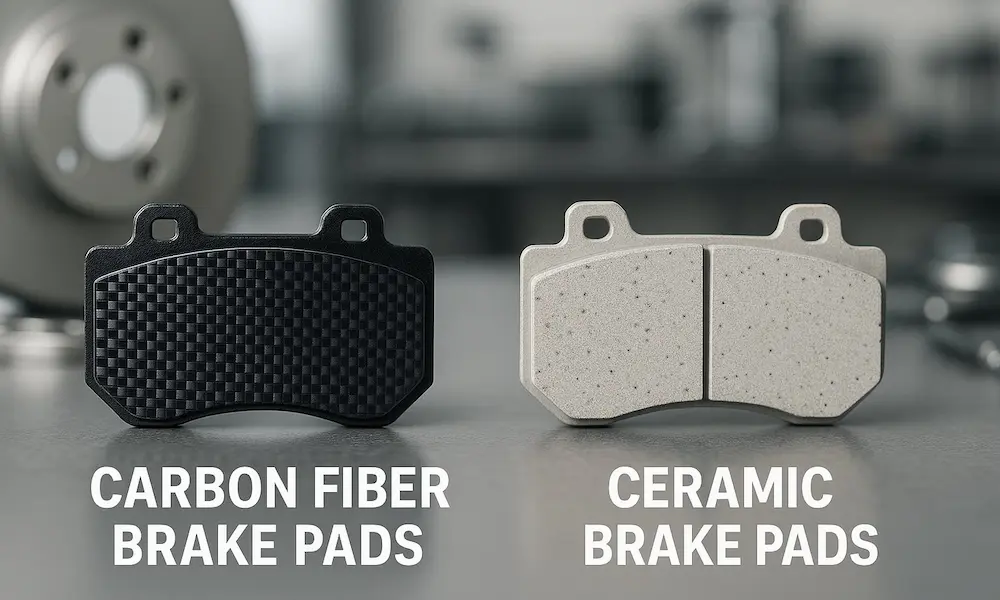
Ceramic brake pads aren’t made from your grandmother’s pottery. They consist of dense ceramic fibers (primarily alumina) mixed with non-ferrous materials and copper fibers that help with heat conductivity. Unlike traditional pads, they contain no steel fibers.
The manufacturing process involves a metal-ceramic sintering reaction at high temperatures that creates an exceptionally stable material. This sophisticated composition results in pads that are harder and more wear-resistant than organic alternatives, while maintaining excellent thermal stability across various temperature ranges.
What sets ceramic pads apart is their carefully engineered mix of:
- Dense ceramic fibers for durability
- Copper fibers for heat management
- Non-metallic bonding agents
- Friction modifiers for consistent performance
This composition creates a brake pad that performs differently from both organic and semi-metallic options. Most new vehicles sold in North America now come with ceramic brake pads from the factory, reflecting the industry’s confidence in this technology.
How Ceramic Brake Pads Compare to Other Types
When shopping for brake pads, you’ll typically encounter three main types. Here’s how ceramic stacks up against the competition:
| Feature | Ceramic | Semi-Metallic | Organic |
|---|---|---|---|
| Initial Cost | $$$ ($150-300/axle) | $$ ($80-150/axle) | $ ($50-80/axle) |
| Lifespan | 50,000-70,000 miles | 30,000-50,000 miles | 15,000-30,000 miles |
| Noise Level | Very quiet | Moderate to noisy | Initially quiet, noisy as they wear |
| Dust Production | Minimal, light-colored | Moderate, dark-colored | Heavy |
| Cold Weather Performance | Good (after warm-up) | Excellent | Poor |
| Extreme Heat Handling | Good | Excellent | Poor |
| Rotor Wear | Gentle | Aggressive | Moderate |
As you can see, ceramic pads offer clear advantages in several categories, particularly noise level, dust production, and lifespan. However, they’re not superior in every aspect, especially when it comes to extreme conditions.
6 Major Benefits of Ceramic Brake Pads
1. Exceptional Longevity
Ceramic brake pads are the marathon runners of the braking world. Research shows they typically last between 50,000 to 70,000 miles under normal driving conditions—that’s up to 50% longer than semi-metallic alternatives. In stop-and-go traffic, ceramic pads demonstrate a 23% longer lifespan compared to semi-metallic options.
This extended lifespan means fewer brake jobs and better long-term value despite the higher upfront cost. For many drivers, this translates to only needing one brake job during their vehicle ownership instead of two or three.
2. Whisper-Quiet Operation
Nothing ruins a peaceful drive like squeaky brakes. Ceramic pads excel at providing quiet braking performance by producing noise at frequencies above the normal human hearing range. This feature makes them significantly quieter than organic or semi-metallic alternatives.
The quiet operation stems from the material composition and how ceramic pads interact with rotors, creating smoother friction surfaces and reducing vibrations that typically cause brake noise. If you’ve ever been embarrassed by screeching brakes at a stoplight, you’ll appreciate this benefit.
3. Minimal Dust Production
One of the most visible advantages of ceramic brake pads is their dramatically reduced brake dust production. The dust they do produce is lighter in color and less likely to stick to wheels, keeping your vehicle looking cleaner.
This characteristic is particularly valuable for:
- Vehicles with open wheel designs
- Cars with premium wheel finishes
- Drivers who take pride in their vehicle’s appearance
Less dust also means less frequent wheel cleaning and better preservation of your wheel’s finish over time.
4. Consistent Performance Across Temperatures
Ceramic brake pads demonstrate excellent heat management, maintaining consistent performance across a wide temperature range. They can effectively handle temperatures up to 650°C while resisting brake fade, making them suitable for demanding driving conditions.
This thermal stability ensures reliable braking performance even during repeated hard stops, such as when driving down mountain roads or in heavy traffic. Unlike organic pads that can quickly fade when hot, ceramic pads maintain their bite.
5. Gentle on Rotors
While semi-metallic pads can be aggressive on rotors, ceramic pads tend to be more gentle. This means your rotors may last longer when paired with ceramic pads, potentially saving you money on future brake jobs. The ceramic material creates less abrasive friction against the rotor surface while still providing effective stopping power.
6. Clean Environmental Profile
The reduced dust production of ceramic pads contributes to better air quality around your vehicle. Additionally, modern ceramic brake pads are typically manufactured without asbestos or heavy metals that were once common in brake pad production, making them a more environmentally friendly choice.
Potential Drawbacks of Ceramic Brake Pads
Despite their many advantages, ceramic brake pads aren’t perfect for every situation. Here are some limitations to consider:
Higher Initial Cost
Ceramic brake pads typically cost significantly more than organic or semi-metallic alternatives. Expect to pay:
- $150-$300 per axle for aftermarket ceramic pads
- $300+ for OEM ceramic pads
- 50-100% more than comparable semi-metallic options
While this higher initial investment often pays off through longer life and better performance, it’s a factor to consider in your immediate budget planning.
Limited Extreme Performance
For those who drive in extreme conditions, ceramic pads have some limitations:
- Heavy towing: Ceramic pads may not dissipate heat quickly enough when towing heavy loads regularly
- Track driving: They lack the immediate bite and extreme temperature resistance required for racing applications
- Performance vehicles: High-performance vehicles may benefit more from specialized performance pads
If you regularly push your vehicle to its limits, semi-metallic pads might be a better choice despite their other drawbacks.
Cold Weather Considerations
While ceramic pads perform well in most conditions, they can have slight limitations in extremely cold weather. In temperatures well below freezing, ceramic pads may experience slightly reduced initial bite until they warm up.
This effect is generally minimal for most drivers and quickly normalizes as the brakes warm up with use. However, if you live in an area with extreme winter conditions and require maximum cold-start braking performance, this is worth considering.
Are Ceramic Brake Pads Right for Your Vehicle?
The ideal brake pad depends on your specific vehicle, driving habits, and priorities. Here’s a quick guide to help you decide:
Ceramic Pads Are Ideal For:
- Daily commuters who value quiet operation and low maintenance
- Luxury vehicle owners seeking clean wheels and refined performance
- Average drivers in moderate climates who drive under normal conditions
- Those who keep vehicles long-term and benefit from extended pad life
Many luxury brands including Lexus, Audi, and Mercedes-Benz specify ceramic pads as original equipment, recognizing their superior comfort characteristics for premium applications.
Consider Other Options If You:
- Tow heavy loads regularly (choose semi-metallic)
- Drive in extreme performance situations (choose specialized performance pads)
- Own commercial vehicles or heavy trucks (choose semi-metallic)
- Are on an extremely tight budget (choose organic, but prepare for shorter lifespan)
Installation and Break-In Considerations
To get the most from ceramic brake pads, proper installation and break-in are crucial.
Professional installation is recommended to ensure proper bedding and optimal performance. The break-in process typically involves several controlled stops at varying speeds to properly seat the pads against the rotors.
This process, often called “bedding in,” creates a transfer layer of pad material on the rotor surface that improves braking performance and reduces noise. Skipping this step can result in poor performance, premature wear, and excessive noise.
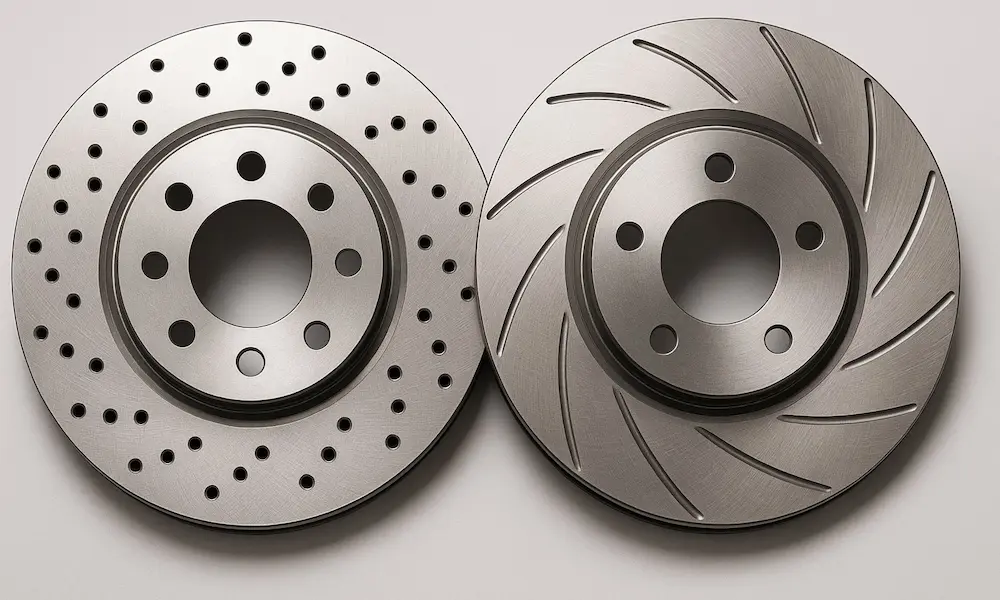
While ceramic pads can generally be used with stock rotors, optimal performance comes from pairing them with high-quality rotors that can handle the heat generation. Using quality rotors with proper surface finish enhances the overall braking system performance.
The Cost-Benefit Analysis
Let’s break down the real long-term value of ceramic brake pads:
While ceramic pads might cost $70-$100 more per axle than semi-metallic alternatives, their extended lifespan often results in lower cost-per-mile over the pad’s lifetime. For example:
- Semi-metallic pads: $100 for 40,000 miles = $0.0025 per mile
- Ceramic pads: $180 for 60,000 miles = $0.003 per mile
At first glance, the ceramic pads seem slightly more expensive per mile. However, this calculation doesn’t account for:
- Labor costs for more frequent brake jobs with semi-metallic pads
- Extended rotor life with ceramic pads
- Value of reduced noise and cleaner wheels
- Less downtime for maintenance
When these factors are considered, ceramic pads often represent better overall value for most drivers, especially those who keep their vehicles for many years.
Real-World Performance Insights
Most drivers who switch to ceramic brake pads report satisfaction with their performance in everyday driving situations. They particularly appreciate:
- The absence of brake dust on their wheels
- Quieter operation compared to their previous pads
- Consistent feel through various driving conditions
- Better durability in stop-and-go traffic
However, some drivers who tow frequently or drive aggressively report preferring the more aggressive “bite” of semi-metallic pads despite their drawbacks. This highlights how important it is to match your brake pad material to your specific driving needs.
Choosing Quality Ceramic Brake Pads
Not all ceramic pads are created equal. When shopping for ceramic brake pads, look for:
- Reputable manufacturers with positive reviews and testing data
- Application-specific formulations designed for your vehicle type
- Warranty coverage that indicates manufacturer confidence
- Proper certifications like D3EA (Brake Effectiveness Evaluation Procedure)
Major brands like Brembo, Akebono, Wagner, and Hawk offer quality ceramic options with different formulations for various driving needs. Premium brands typically offer better performance characteristics than budget options, which may use inferior materials despite the “ceramic” label.
The Future of Ceramic Brake Technology
Ceramic brake technology continues to evolve, with manufacturers developing new formulations to address limitations while enhancing strengths. Recent innovations include:
- Advanced copper-free formulations to meet environmental regulations
- Hybrid ceramic compounds that offer better cold-bite performance
- Performance-oriented ceramic pads for enthusiast applications
- Improved heat management for more demanding conditions
These advancements are making ceramic pads suitable for an even wider range of applications, potentially overcoming some of the current limitations for extreme use cases.
Making Your Final Decision
Are ceramic brake pads good? For most everyday drivers, the answer is a resounding yes. They offer exceptional durability, quiet operation, minimal dust, and solid performance across most driving conditions.
The higher initial cost is typically offset by their extended lifespan and reduced maintenance requirements. For daily commuters, family vehicles, and luxury cars, ceramic pads represent an excellent investment in both performance and convenience.
However, for specialized applications like heavy towing or track driving, other options might better suit your specific needs. As with many automotive choices, the best brake pad is the one that matches your particular vehicle, driving style, and priorities.
When it’s time for your next brake job, consider your driving habits carefully and discuss options with a trusted mechanic. For most drivers, the benefits of ceramic brake pads make them well worth the investment for safer, cleaner, and quieter braking performance.