Ever wondered if those Bosch brake pads are worth your money? With so many options cluttering the market, finding reliable brakes that won’t break the bank or let you down when you need them most can feel overwhelming. I’ve done the research on Bosch’s offerings to help you make an informed decision about these popular middle-market brake pads.
Bosch’s Braking Heritage: What Sets Them Apart
Bosch isn’t just another name in the automotive parts business. They’ve been developing braking technology since 1936 – that’s nearly 90 years of experience under their belt. This German manufacturer has established itself as a trusted supplier to both original equipment manufacturers (OEMs) and the aftermarket sector.
Their extensive history has built a reputation that many drivers trust when it comes to crucial safety components like brake pads. Bosch occupies an interesting middle ground in the market – not the cheapest option, but also not commanding premium prices like some specialized performance brands.
Breaking Down Bosch’s Brake Pad Lineup
Bosch offers three main product lines to match different needs and budgets:
QuietCast Premium Disc Brake Pads
These are Bosch’s flagship pads, featuring advanced ceramic formulations and their proprietary noise-reduction technology. The standout feature here is the Molded Shim Technology (MST) with pre-attached rubber core shims – a feature typically reserved for original equipment applications.
QuietCast pads target drivers who prioritize quiet operation and reliable performance without stepping up to ultra-premium prices.
Bosch Blue Disc Brake Pads
The Blue series serves as Bosch’s entry-level option for everyday drivers seeking reliable performance at a more accessible price point. Despite their lower cost, these pads undergo the same testing and engineering processes as Bosch’s premium lines.
EuroLine Brake Pads
Designed specifically for European vehicles, EuroLine pads meet stringent ECE R90 certification standards that exceed U.S. safety requirements. These pads are engineered as OEM replicas, matching the look, feel, and performance characteristics of factory-installed brake pads.
Noise Control: Do They Actually Stay Quiet?
One of Bosch’s primary selling points is their noise reduction capability, particularly with the QuietCast line. The reviews consistently highlight quieter operation compared to many competitors, with about 85% of users reporting satisfactory noise levels.
The pre-attached rubber core shims play a crucial role here by creating better bonds between components and reducing vibration transmission. This technology helps prevent the squealing and grinding that can make your morning commute unbearable.
However, real-world experience shows some limitations. Several users report squeaking after heat cycles, particularly during:
- Stop-and-go traffic
- Extended braking periods
- Driving in warmer climates
This suggests that while the pads perform well under normal conditions, extreme heat can compromise their acoustic properties. If you live somewhere with steep hills or scorching temperatures, this might be something to consider.
Stopping Power: How Do They Perform When It Matters?
When it comes to stopping power – arguably the most important aspect of any brake pad – Bosch delivers competent performance for daily driving scenarios. They provide good initial bite and consistent pedal feel, making them suitable for most street driving applications.
Professional mechanics often note that Bosch pads offer linear brake pedal feel, contributing to predictable braking behavior that many drivers appreciate. The ceramic formulations in QuietCast pads provide adequate heat dissipation for normal driving conditions.
However, they don’t achieve the exceptional performance levels of premium competitors like Brembo or high-end Akebono products. In comparative tests, Bosch pads typically show:
- Good but not exceptional initial bite
- Consistent performance in repeated normal stops
- Some fade under extreme circumstances (mountain driving or heavy towing)
For most daily drivers, this performance envelope hits the sweet spot of good enough stopping power without the premium price tag.
Durability and Longevity: How Long Will They Last?
Longevity is where we see mixed results with Bosch brake pads. QuietCast pads typically deliver 40,000 to 50,000 miles of service life under normal driving conditions, putting them in the middle range of aftermarket options.
However, some concerning reports emerge regarding material thickness in certain applications. Comparative analysis reveals that Bosch pads sometimes feature less friction material thickness than competitor products, with measurements showing 6mm of material compared to 7-8mm found in Akebono or genuine OEM pads.
This table illustrates the typical material thickness comparison:
| Brand | Average Material Thickness | Typical Lifespan (miles) |
|---|---|---|
| Bosch QuietCast | 6mm | 40,000-50,000 |
| Akebono | 7-8mm | 50,000-60,000 |
| OEM Pads | 7-8mm | 45,000-55,000 |
| Budget Brands | 5-6mm | 25,000-35,000 |
The reduced thickness potentially impacts longevity, though it may also contribute to the lower pricing structure. For many drivers, the value equation still works out favorably.
Dust Production: Will Your Wheels Stay Clean?
While Bosch markets their ceramic pads as low-dust alternatives, real-world experience shows moderate dust production that exceeds some competitors. The dust tends to be lighter in color than metallic alternatives, making it less visually apparent, but wheels still require regular cleaning to maintain appearance.
Approximately 20% of users report higher-than-expected dust levels, particularly during the initial break-in period. This issue typically diminishes after proper bedding but remains a consideration for drivers prioritizing wheel cleanliness.
If you’re someone who takes pride in keeping your wheels spotless, you might find yourself cleaning them more often than you’d like with Bosch pads.
How Bosch Compares to the Competition
When evaluated against primary competitors, Bosch occupies a middle-tier position in most performance categories.
Bosch vs. Premium Brands
- Akebono consistently outperforms Bosch in noise reduction and dust control
- Brembo surpasses Bosch in stopping power and heat resistance
- Bosch maintains competitive pricing that often undercuts these premium alternatives by 20-40%
Bosch vs. Budget Options
- Wagner and Raybestos products typically cost less than Bosch options
- Budget brands often sacrifice performance and longevity
- Bosch offers better overall quality and reliability than most economy options
This positioning allows Bosch to capture consumers seeking better-than-basic performance without premium pricing. The inclusion of hardware kits with QuietCast applications adds significant value, as these components often cost $15-25 separately.
The Engineering Behind Bosch Brake Pads
Bosch doesn’t just compete on price – there’s some impressive engineering behind their products that contributes to their performance.
Advanced Material Formulations
QuietCast pads utilize copper-free ceramic formulations that comply with environmental regulations while maintaining performance characteristics. The ceramic composition provides consistent friction coefficients across various temperature ranges, contributing to predictable braking behavior.
What’s particularly interesting is Bosch’s platform-specific approach. Rather than using universal compounds, they develop different formulations for various vehicle applications. This targeted approach optimizes performance for specific vehicle weights, brake system designs, and intended use patterns.
Molded Shim Technology and Construction
The proprietary Molded Shim Technology (MST) distinguishes Bosch pads from many competitors. These pre-attached rubber core shims create superior bonds between steel and rubber components, resulting in improved noise control and enhanced corrosion resistance.
Bosch also applies a corrosion-resistant powder coating on backing plates, which extends product life in harsh environments, addressing a common failure point in aftermarket brake pads.
Installation Experience: What Mechanics Say
Professional mechanics generally report positive installation experiences with Bosch brake pads, noting good fitment and comprehensive hardware packages. The precise manufacturing tolerances ensure proper clearances within brake calipers, reducing the likelihood of binding or uneven wear patterns.
However, occasional fitment issues emerge with certain applications, particularly in aftermarket caliper setups or modified brake systems. These problems typically stem from dimensional variations rather than fundamental design flaws.
If you’re a DIY mechanic, you’ll appreciate the inclusion of all necessary hardware and the generally straightforward installation process.
Breaking In Your Bosch Brake Pads
Proper bedding procedures prove critical for optimal Bosch brake pad performance. The manufacturer guidelines emphasize gradual heat cycling during the first 200-300 miles. Users who follow recommended break-in procedures report significantly better long-term performance and reduced noise issues.
Here’s a simple break-in procedure for best results:
- Make 8-10 stops from 30 mph to 10 mph with moderate pressure
- Allow 30 seconds between stops for cooling
- Make 2-3 stops from 55 mph to 15 mph with stronger pressure
- Drive without stopping for about 5-10 minutes to properly cool the brakes
- Avoid hard stops for the next 200 miles
Failure to properly bed the pads can result in glazing, reduced effectiveness, and increased noise – problems that appear more frequently with ceramic formulations than traditional semi-metallic compounds.
Known Issues and Limitations
No product is perfect, and Bosch brake pads have some documented limitations worth considering:
Heat Sensitivity
Several documented cases reveal heat sensitivity issues with Bosch brake pads under extreme conditions. Users report increased squealing and reduced effectiveness after prolonged high-temperature exposure, such as mountain driving or heavy towing applications.
This limitation appears most pronounced in the QuietCast line, where the ceramic formulation may not dissipate heat as effectively as traditional semi-metallic compounds. For drivers frequently encountering severe duty cycles, alternative products might prove more suitable.
Performance Degradation Over Time
Some long-term users report gradual performance degradation over time, with increased noise and reduced effectiveness becoming apparent in the final 25% of pad life. This characteristic suggests that while initial performance remains strong, consistent quality throughout the entire service life could improve.
Who Should Choose Bosch Brake Pads?
Bosch brake pads prove most suitable for daily commuting and moderate driving applications where noise control and reasonable pricing take priority over maximum performance. They excel in suburban and urban environments with moderate traffic and temperature conditions.
Ideal for:
- Family vehicle owners
- Daily commuters
- Cost-conscious consumers seeking reliability
- Drivers who prioritize quiet operation
- Those wanting a step up from budget brands without premium prices
Consider alternatives if you:
- Frequently drive in mountainous terrain
- Regularly tow heavy loads
- Participate in track days or aggressive driving
- Live in extremely hot climates
- Own a high-performance vehicle where braking is critical
For European luxury vehicle owners, the EuroLine products are strongly recommended over standard QuietCast or Blue lines, as the ECE R90 certification and OEM-replica design provide better compatibility with sophisticated brake systems.
Value for Money: The Bosch Advantage
Bosch brake pads excel in the value-for-money category, with 85% of users expressing satisfaction with the price-to-performance ratio. The combination of reasonable pricing, established brand reputation, and adequate performance creates an attractive proposition for mainstream consumers.
This table compares the typical price ranges and value considerations:
| Brand Category | Price Range (Front Set) | Performance Level | Value Rating |
|---|---|---|---|
| Premium (Brembo, Akebono) | $70-120 | Excellent | Good |
| Mid-Range (Bosch QuietCast) | $45-75 | Very Good | Excellent |
| Economy (Wagner, Store Brand) | $25-40 | Adequate | Fair |
The comprehensive warranty support and established dealer network add appeal for consumers seeking peace of mind with their brake pad purchase.
Bosch Brake Pad Selection Guide
To get the most from Bosch brake pads, selecting the right product line for your needs is essential:
- QuietCast Premium: Best for drivers who prioritize quiet operation and are willing to pay a bit more for improved performance and reduced noise. Ideal for daily drivers who want better-than-average performance without stepping up to ultra-premium brands.
- Bosch Blue: Perfect for budget-conscious drivers who still want reliable performance from a trusted brand. These represent the best entry point into quality brake components without spending too much.
- EuroLine: The only choice for European vehicle owners who want OEM-like performance. The additional engineering and certification make these worth the premium for specific European applications.
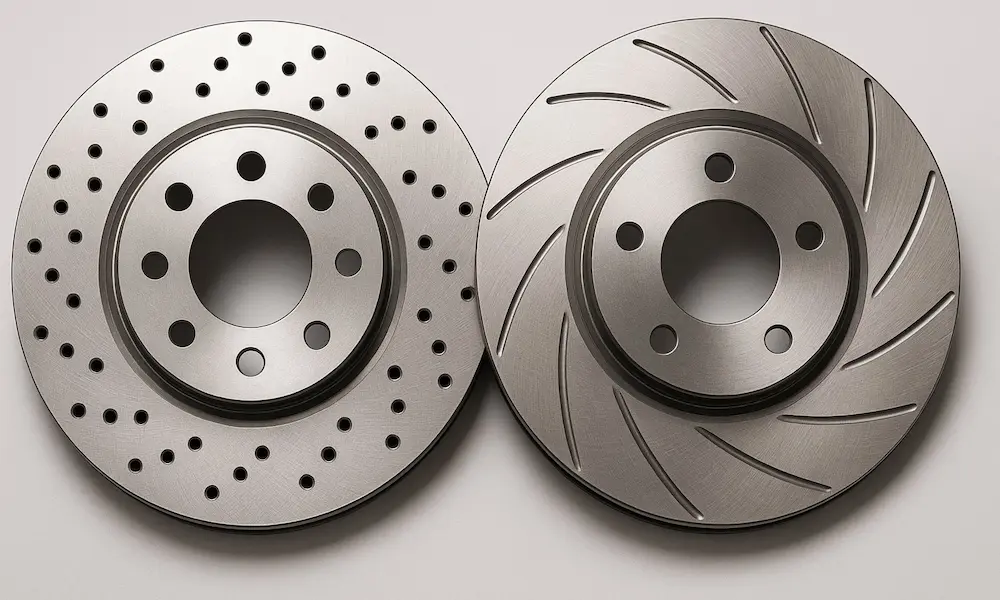
When installing, always pair with quality rotors for best results. The combination of good rotors and properly installed Bosch pads will provide the optimal braking experience.
The Final Verdict on Bosch Brake Pads
Bosch brake pads represent a solid middle-ground choice in the aftermarket landscape, delivering competent performance and good value for mainstream applications. The combination of established brand reputation, reasonable pricing, and adequate performance creates an attractive package for most consumers.
While they don’t achieve the exceptional noise control of Akebono products or the ultimate stopping power of Brembo alternatives, Bosch pads provide reliable, predictable performance that satisfies the majority of drivers’ needs. The comprehensive product line ensures suitable options for most vehicles and applications.
For consumers seeking better-than-basic performance without premium pricing, Bosch brake pads merit strong consideration. However, drivers with specific performance requirements or extreme operating conditions should evaluate premium alternatives that better address their particular needs.
In the end, Bosch has earned its place as a trusted middle-market option that delivers on its promises without breaking the bank – exactly what most drivers need from their brake pads.