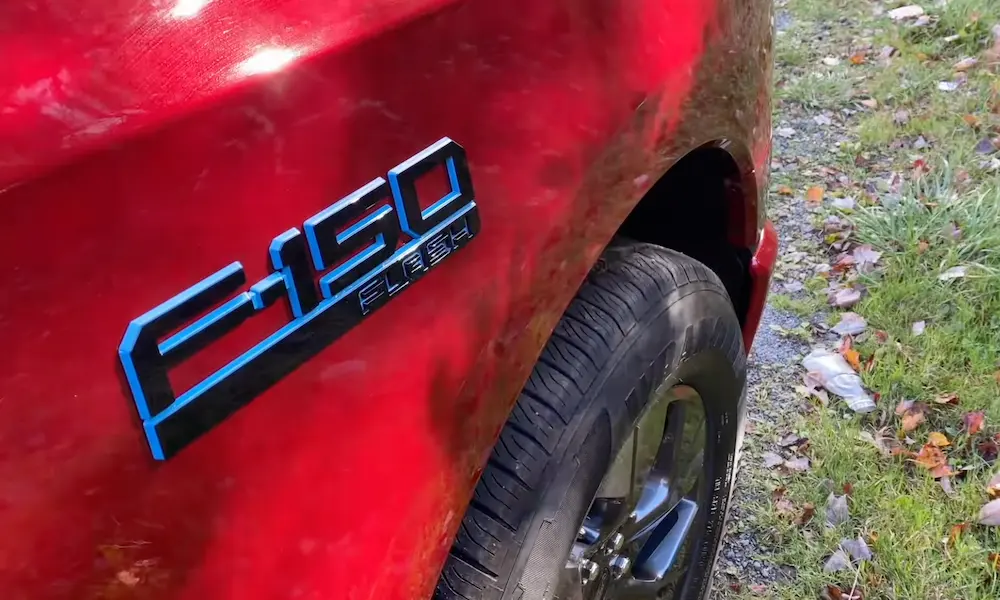
Ever been driving your Ford and had that dreaded “Check Charging System” warning light up your dashboard? It’s like your car’s way of saying, “Hey, we might have a problem here!” This warning isn’t just annoying—it’s actually your vehicle’s way of telling you there’s an issue with how power is being generated or distributed in your electrical system.
In this guide, I’ll walk you through what this warning means, why it happens, and exactly what you can do about it—from simple fixes you can handle yourself to knowing when it’s time to visit a mechanic.
What Does the “Check Charging System” Warning Actually Mean?
When your Ford displays “Check Charging System” or “Charging System Service Now,” it’s telling you the onboard computer has detected an issue in your vehicle’s electrical charging circuit. This isn’t something to ignore.
Your Ford’s charging system has one main job: keep your battery charged and power all electrical components while the engine’s running. Without it working properly, you’re basically on borrowed time until the battery drains completely.
The warning typically appears when the system voltage drops below 12.4 volts or rises above 15 volts—either way, it’s outside the normal operating range that keeps your Ford running smoothly.
Common Causes of Ford Charging System Warnings
Failing Alternator
Your alternator is the workhorse of the charging system, converting mechanical energy from the engine into electrical power. When it starts to fail, you might notice:
- Dimming or flickering headlights
- Battery warning light coming on
- Strange noises (grinding or whining) from the front of the engine
- Electrical accessories working slowly or intermittently
Modern Ford alternators are controlled by the Powertrain Control Module (PCM) through a three-wire system that allows for variable charging rates based on your vehicle’s electrical demands. When this smart system detects output problems, the warning appears.
Battery Issues
Even with a perfect alternator, a bad battery can trigger charging system warnings. Look for these signs:
- Battery more than 3-5 years old
- Visible corrosion on terminals (white or greenish powder)
- Slow engine cranking when starting
- Battery case appears swollen or deformed
A failing battery increases resistance in the charging circuit, forcing the alternator to work harder, which can trigger warning messages even before complete battery failure.
Loose or Corroded Connections
Sometimes the problem isn’t with major components but with how they connect. Poor electrical connections act like a clogged pipe for electricity, restricting flow and causing voltage drops. Check for:
- Loose battery terminals
- Corrosion on battery posts or cable ends
- Damaged wires between alternator and battery
- Loose ground straps from engine to chassis
Cleaning battery terminals is often a quick fix that resolves many charging system warnings.
Serpentine Belt Problems
Your alternator needs to spin to generate electricity, and that depends on the serpentine belt. If this belt is:
- Loose (more than ½ inch deflection)
- Cracked or frayed
- Glazed and slipping
Then your alternator can’t spin properly, resulting in reduced electrical output and the dreaded warning message.
The Ford serpentine belt system includes a tensioner that should keep proper pressure on the belt. If the tensioner fails, the belt loosens and charging issues follow.
Blown Fuses or Fusible Links
Ford vehicles protect their electrical systems with multiple fuses and fusible links. A blown charging system fuse (usually a high-amp fuse) can completely disable the charging circuit. Common locations include:
- The main fuse box (power distribution box) under the hood
- The F55 charging system fuse (225A in many models)
- Fusible links in the wiring harness near the battery
How to Diagnose Ford Charging System Problems
Step 1: Basic Visual Inspection
First, let’s check the obvious without special tools:
- Open the hood and look for loose or corroded battery connections
- Examine the serpentine belt for cracks, glazing, or proper tension
- Check if the alternator pulley spins freely with the engine off (but don’t touch with engine running!)
- Look for any visible wire damage, especially near moving parts
Step 2: Test Battery Voltage
Using a digital multimeter set to DC volts:
- With engine off, measure across battery terminals – you should see 12.4-12.6 volts
- Start the engine and measure again – voltage should rise to 13.5-14.5 volts
- Turn on headlights, A/C, and radio – voltage should stay above 13.0 volts
If voltage stays below 13V with the engine running, your alternator isn’t charging properly. If it exceeds 15V, the voltage regulator may be faulty.
Step 3: Check for Diagnostic Trouble Codes (DTCs)
Modern Fords store specific trouble codes when charging issues occur. Common codes include:
- P0620: Generator control circuit
- P0625: Generator field terminal circuit low
- P065B: Generator control module
- U012D: Lost communication with generator control module
You can retrieve these codes using:
- An OBD-II scanner connected to the port under your dashboard
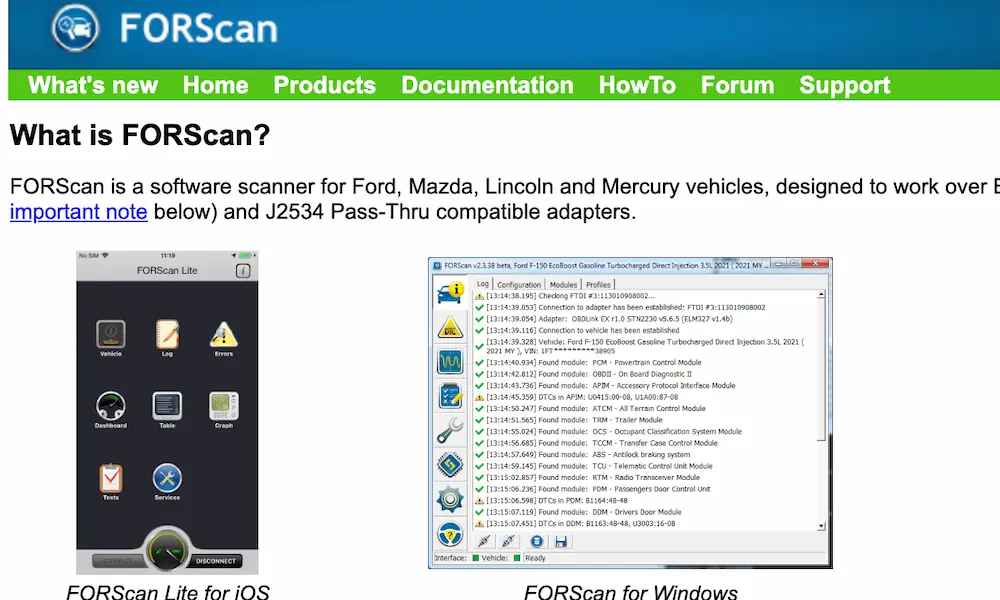
- Ford’s FORScan Lite app with a compatible adapter
- A visit to most auto parts stores that offer free code reading
These codes can pinpoint exactly which part of the charging system is failing.
Ford’s PCM-Controlled Charging System Explained
Unlike older vehicles with simple alternators, modern Fords use a smart charging system controlled by the Powertrain Control Module. This system:
- Adjusts charging rate based on electrical demand
- Reduces engine load when full charging isn’t needed (improving fuel economy)
- Monitors battery condition through a Battery Monitoring System (BMS)
The system works through three key circuits:
- GENCOM – The command wire from PCM to alternator
- GENMON – The monitoring wire providing feedback from alternator
- B+ – Main power output from alternator to battery
When the PCM detects communication problems on these circuits, it triggers the charging system warning.
DIY Fixes for Ford Charging System Warnings
Cleaning Battery Terminals
- Disconnect the negative terminal first (black, marked with a minus sign)
- Then disconnect the positive terminal (red, marked with a plus sign)
- Mix a solution of baking soda and water
- Scrub terminals and connectors with an old toothbrush or wire brush
- Rinse with clean water and dry thoroughly
- Reconnect terminals (positive first, then negative)
- Apply terminal protector spray or petroleum jelly
Checking and Replacing the Serpentine Belt
- Locate the belt routing diagram (usually on a sticker under the hood)
- Examine the belt for cracks, fraying, or glazing
- Check tension—many Fords have automatic tensioners, but the belt shouldn’t deflect more than ½ inch
- If replacement is needed, release the tensioner using a breaker bar on the tensioner pulley bolt
- Remove old belt and install new one following the routing diagram
- Release tensioner slowly to apply proper tension
Checking Fuses
- Locate the power distribution box (usually near the battery)
- Find the charging system fuse (refer to owner’s manual for location)
- Remove and visually inspect—a blown fuse will have a broken metal strip inside
- Replace with a new fuse of identical amperage rating
When Replacement Parts Are Needed
Battery Replacement
If your battery is older than 3-5 years or fails a load test, replacement is often necessary:
- Select the correct battery for your Ford model (group size, CCA rating)
- Disconnect the negative terminal first, then positive
- Remove any hold-down brackets or clamps
- Install new battery in the same position
- Connect positive terminal first, then negative
- Secure with hold-down brackets
- Important: Many newer Fords require a Battery Monitoring System (BMS) reset after replacement
Alternator Replacement
If testing confirms your alternator is bad:
- Disconnect the negative battery cable
- Remove the serpentine belt by releasing the tensioner
- Unplug the electrical connector(s) from the alternator
- Remove mounting bolts (typically 2-3)
- Install new alternator with same mounting position
- Reconnect electrical connector(s)
- Reinstall serpentine belt
- Reconnect battery
For off-road Bronco models, Ford has issued Technical Service Bulletin (TSB) 23-2238 for mud ingress in the alternator, requiring a specific shield replacement.
Wiring Repairs
If you find damaged wiring:
- Disconnect the battery
- For small nicks, use electrical tape
- For severe damage, cut and splice with proper gauge wire
- Use heat-shrink connectors for weatherproof repairs
- Secure wiring away from moving parts or heat sources
Special Cases for Different Ford Models
F-150 Series
The F-150, especially from 2015 onward, uses a sophisticated charging system. Forum discussions on the F-150 Gen14 document common issues:
- Charging system faults are sometimes related to extreme temperature changes
- Some 2021+ models benefit from PCM updates to resolve false warnings
- The alternator shield design was updated for better protection
Ford Explorer
Explorer models frequently display charging system warnings when:
- The alternator pulley bearings begin to fail (listen for whining noise)
- Wire harnesses rub against engine components, causing shorts
- The voltage regulator (built into alternator) fails
Explorer-specific diagnostics often focus on testing the regulator circuit.
Ford Bronco
The new Bronco has a specific issue with mud ingress affecting the alternator. If you’ve been off-roading:
- Check for mud accumulation around the alternator
- Look for signs of water intrusion in electrical connections
- Consider the revised generator shield mentioned in Ford’s service bulletin
Advanced Diagnostics: When Simple Fixes Don’t Work
Testing PCM Alternator Control Circuits
For intermittent charging issues, the problem might be in the control wiring:
- Disconnect the alternator electrical connector
- Using a multimeter, check continuity between GENCOM and GENMON pins to the PCM
- Short GENCOM to GENMON at the alternator harness connector
- Start the engine and observe if the PCM registers identical values for both signals
- If values match, wiring is good; if not, locate the break in the circuit
This PCM-controlled alternator testing procedure helps isolate communication problems.
Battery Monitoring System Reset
After battery replacement or electrical repairs, Fords often need a BMS reset:
- Method 1: Disconnect negative battery terminal for 10-15 minutes
- Method 2: With engine off, turn ignition to “ON” position, turn on headlights for 3-5 seconds, turn off headlights, turn ignition off
- Method 3: Use a scan tool with BMS reset capability
Without this reset, the PCM may incorrectly calculate battery state-of-charge, triggering false warnings.
Comparative Analysis: Common Ford Alternator Output Specifications
Different Ford models have varying charging system capacities. Here’s a quick reference guide:
| Ford Model | Alternator Output | Typical Voltage Range | Warning Threshold |
|---|---|---|---|
| F-150 (2015+) | 150-220 Amp | 13.5-14.8V | <12.4V or >15.0V |
| Explorer (2016+) | 150-175 Amp | 13.7-14.5V | <12.3V or >15.1V |
| Escape (2020+) | 110-150 Amp | 13.6-14.4V | <12.2V or >14.9V |
| Bronco (2021+) | 170-220 Amp | 13.8-14.7V | <12.4V or >15.0V |
| Mustang (2015+) | 130-180 Amp | 13.4-14.6V | <12.3V or >14.8V |
Higher capacity alternators come standard on vehicles with additional electrical equipment like winches, aftermarket lighting, or upgraded audio systems.
Cost Comparison: DIY vs. Professional Repair
Here’s what you might expect to pay for charging system repairs:
| Repair | DIY Cost | Professional Cost | Skill Level |
|---|---|---|---|
| Battery Terminal Cleaning | $5-10 | $20-50 | Beginner |
| Battery Replacement | $100-250 | $150-300 | Beginner |
| Serpentine Belt Replacement | $20-40 | $100-200 | Intermediate |
| Alternator Replacement | $150-400 | $350-800 | Intermediate |
| Wiring Repair | $5-30 | $100-300 | Intermediate-Advanced |
| BMS Reset | Free with scan tool | $50-100 | Intermediate |
The large variation in alternator costs depends on your specific Ford model, whether you choose OEM or aftermarket parts, and if additional components (like the Bronco shield) are required.
Preventive Maintenance to Avoid Future Issues
Keep your charging system healthy with these practices:
- Clean battery terminals every 6-12 months
- Have your battery tested annually after it’s 2 years old
- Visually inspect the serpentine belt every oil change
- Keep battery posts protected with anti-corrosion washers or spray
- If you frequently take short trips, consider a battery maintainer for longer parked periods
- For off-road vehicles, rinse the engine bay (when cool) to remove mud and debris
Real-World Experience: Troubleshooting Case Studies
Case 1: Intermittent Warning on 2019 F-150
A 2019 F-150 owner experienced the “Check Charging System” warning only on cold mornings. Voltage testing showed proper charging once warmed up. The culprit? A failing voltage regulator inside the alternator that couldn’t adjust properly until operating temperature was reached. Full alternator replacement resolved the issue.
Case 2: Warning After Battery Replacement in Explorer
After replacing the battery in a 2018 Explorer, the warning persisted despite a new, fully-charged battery. The solution was performing a Battery Monitoring System reset using a professional scan tool, which allowed the PCM to recognize the new battery’s characteristics.
Case 3: Off-Road Damage in Bronco
A new Bronco owner found charging system warnings after muddy trail riding. Inspection revealed mud had penetrated the alternator housing, causing internal damage. The fix included alternator replacement and installing the updated shield mentioned in Ford’s service bulletin.
By understanding your Ford’s charging system warning, you can tackle many issues yourself or communicate more effectively with your mechanic. Remember that electrical issues can become more serious if ignored, potentially leaving you stranded when the battery eventually drains completely.
Did this guide help you diagnose your Ford’s charging system problem? Try some of these DIY fixes first—you might save yourself a significant repair bill!