If you’re driving a 2011-2016 Ford Fiesta with an automatic transmission, you’ve probably felt that gut-wrenching shudder. The good news? You’re not stuck figuring this out alone. The bad news? Time’s running out on some critical warranty coverage that could save you thousands.
The PowerShift Problem: Why Your Fiesta Shakes Like a Paint Mixer
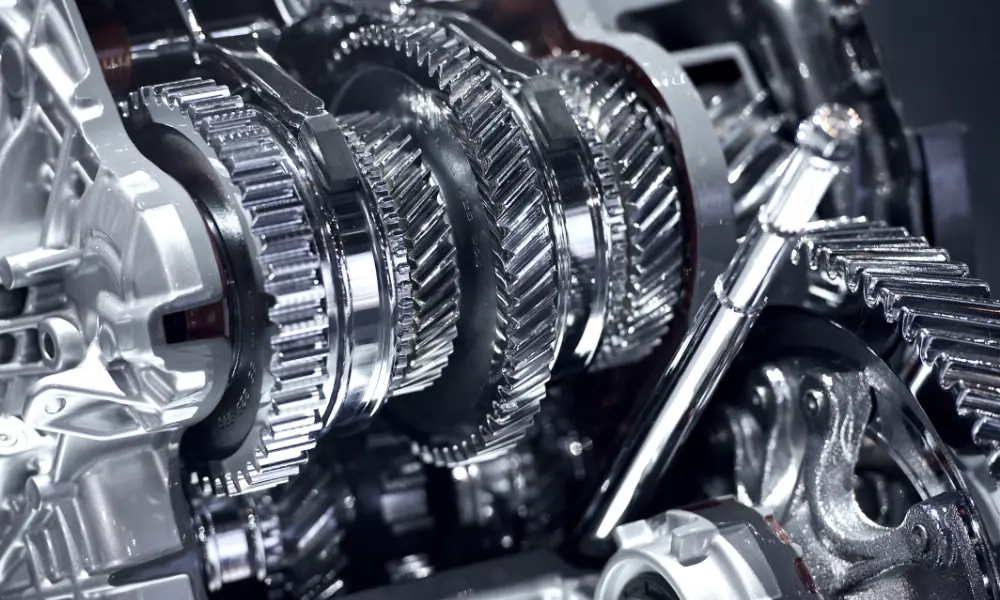
Ford’s DPS6 PowerShift transmission was supposed to be a fuel-efficiency miracle. Instead, it became one of the biggest automotive disasters of the 2010s.
Here’s what went wrong: Ford chose a “dry” clutch design to save money and squeeze out better gas mileage. Unlike wet clutch systems (which use oil to stay cool), dry clutches rely on air cooling. That’s fine in European driving conditions, but American stop-and-go traffic? It’s like trying to cool a hot pan by waving at it.
The result is what engineers call “stick-slip instability”—but you know it as that violent shaking when you accelerate. The clutch plates overheat, glaze over, and start grabbing and releasing rapidly. It feels like your car’s having a seizure, and honestly, that’s not far from the truth mechanically.
What Ford Knew (And When They Knew It)
Court documents revealed something infuriating: Ford engineers warned management about these issues six months before the first 2012 Focus rolled off the line. Internal emails literally stated they couldn’t “achieve a drivable calibration.”
They shipped it anyway.
When customers flooded dealerships with complaints, Ford instructed service departments to tell owners the shuddering was “normal” for this type of transmission. The Australian Competition and Consumer Commission called this “unconscionable” and hit Ford with a $10 million fine. In the U.S., this gaslighting strategy delayed real repairs for years while clutches wore themselves to dust.
The Three Main Failures You’ll Face
The Shudder (Clutch Wear)
This is the big one. Your car vibrates violently during acceleration, especially from a stop. It’s caused by friction material on the clutch plates breaking down from heat.
Ford’s official fix? They’d only replace the clutch if it showed more than 250 RPM of slippage during a diagnostic test. That threshold was so high that cars jerking like mechanical bulls were deemed “within spec.”
The TCM Failure (No Start/Lost Gears)
The Transmission Control Module is the computer brain that tells the transmission when to shift. Ford mounted it directly on the transmission housing—exposing sensitive electronics to extreme heat and vibration.
When it fails, you’ll see:
- Car won’t start at all
- Sudden loss of specific gears while driving
- Transmission randomly shifting to neutral on the highway
Common error codes include P0902 and U0100.
Fluid Contamination (Leaking Seals)
The input shaft seals are supposed to keep transmission fluid away from the dry clutch. When they fail, fluid leaks onto the hot clutch plates, creating unpredictable friction. It’s like trying to grip something with greasy hands—sometimes you stick, sometimes you slip.
This contamination destroys the clutch pack completely.
The Legal Fallout: Two Paths, Different Outcomes
The Class Action Settlement (Vargas v. Ford)
Nearly two million owners were part of the Vargas lawsuit, which settled in March 2020. Here’s what it offered:
Cash Payment Tiers (based on hardware repairs only—software updates don’t count):
| Repair Visit | Cash Payment | OR Certificate Value |
|---|---|---|
| 1st-2nd visit | $0 | $0 |
| 3rd visit | $200 | $400 |
| 4th visit | $475 total | $550 |
| 5th visit | $825 total | $700 |
| 6th+ visits | Up to $2,325 | Up to $1,150 |
The certificate option gave you double the value—but only toward buying another Ford. Most owners who’d been burned once weren’t exactly eager to go back.
The settlement also created a buyback arbitration program, but here’s the kicker: you had to file by November 4, 2020. That deadline’s long gone.
The Mass Tort Alternative (Stern Law)
Attorney Ken Stern organized thousands of owners who opted out of the class action. His strategy focused on proving Ford committed fraud by knowingly concealing the defect.
This approach allowed for individual settlements potentially higher than the class action caps, without strict repair-count thresholds. If you’ve got solid documentation of repeated problems and dealer runarounds, this path offered more flexibility.
Critical 2025 Warranty Deadlines (Read This Twice)
TCM Coverage: EXPIRES JUNE 30, 2025
This is urgent. Ford’s Customer Satisfaction Program 14M02 extended TCM warranty to 10 years or 150,000 miles. But here’s the critical part: they added a one-time TCM replacement available until June 30, 2025, regardless of age or mileage—if your car hasn’t been serviced under this program before.
If your Fiesta won’t start or loses gears, get to a Ford dealer NOW. After June 30th, you’re paying out of pocket for a $800+ repair.
Fair warning from Reddit owners: there’s been a parts shortage. Some folks have waited months for replacement TCMs. Don’t wait until June 29th.
Clutch Coverage: Already Expired for Most
Program 19N08 covered clutch assemblies for 7 years or 100,000 miles. For 2011-2016 models, this coverage ended between 2018-2023.
If your car shudders in 2025, you’re looking at $1,500-$2,500 out of pocket.
What to Do Right Now
If Your Car Won’t Start or Loses Gears
- Call your nearest Ford dealer immediately
- Reference Customer Satisfaction Program 14M02
- Ask specifically about the June 30, 2025 extension
- Get an appointment scheduled ASAP (parts shortages are real)
The part number you’re looking for is typically AE8Z-7Z369-F or a newer revision.
If Your Car Shudders
This is tougher. With clutch coverage expired, you’ve got three options:
Option 1: Pay for the repair ($1,500-$2,500). Only makes sense if your car’s worth more than $4,000 and you plan to keep it for years.
Option 2: DIY or independent shop. Aftermarket clutches from LUK (the original supplier) can actually outlast Ford’s revised parts. Make sure they replace the input shaft seals with updated Viton versions at the same time.
Option 3: Cut your losses. If your 2012 Fiesta’s worth $3,000 and needs a $2,000 transmission repair, the math doesn’t work.
The Budget Reset Trick
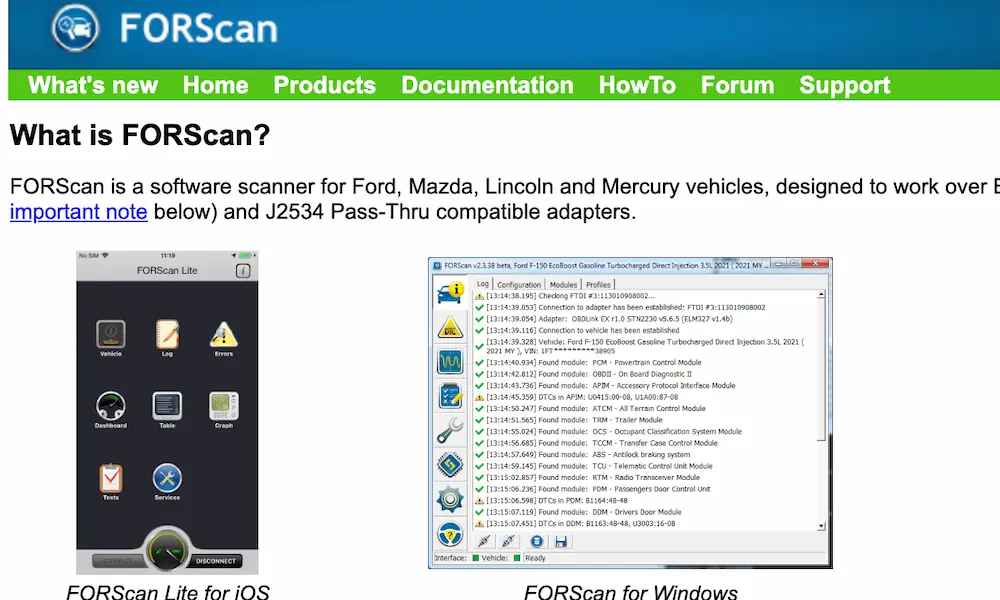
Some owners report temporary relief by performing a TCM adaptive relearn. You’ll need FORScan software (about $50 for the adapter).
This forces the transmission computer to relearn clutch engagement points. It won’t fix physically worn clutches, but if your problem’s partially electronic, you might gain some smooth operation.
Also check your electrical grounds. Sand down the grounding points on the chassis—they’re often painted over or corroded. Poor grounds create voltage noise that scrambles TCM signals.
Why Wasn’t This a “Real” Recall?
Here’s something that’ll steam you: Ford never issued a full NHTSA safety recall for the transmission, despite reports of cars shifting to neutral on highways.
They handled it through Customer Satisfaction Programs (warranty extensions) instead. The difference? Safety recalls never expire and cover 100% of affected vehicles forever. CSPs have expiration dates.
Ford did recall these cars for door latches that could open while driving (Recall 20S30), but the transmission that could leave you stranded in traffic? Just an “enhancement program.”
The regulatory loophole saved Ford billions.
What Your Car’s Worth Now (The Bad News)
The PowerShift stigma tanked resale values permanently. A 2014 Fiesta automatic sells for thousands less than a comparable Honda Fit or Toyota Yaris from the same year.
Weirdly, the manual transmission Fiestas are mechanically solid—but they suffer guilt-by-association. Buyers see “Ford Fiesta” and run.
If you’re selling, be upfront about transmission history. Documented repairs with new clutches and TCM actually help because buyers know the ticking time bomb’s been defused.
The Bottom Line
If your Ford Fiesta’s transmission is acting up in 2025, you’re in a tight spot. The TCM warranty extension through June 30th is your last lifeline for free repairs on computer-related failures. Miss that deadline, and you’re self-funding everything.
For clutch shudder, the coverage ship sailed years ago. You’re weighing repair costs against a car that’s probably worth less than the fix.
It’s a rough position, and frankly, Ford put you there by shipping a fundamentally flawed transmission they knew was broken. The settlements and warranty extensions? They’re band-aids on a design that never should’ve left the drawing board.
Get that TCM checked before June 30th. After that, you’re on your own.