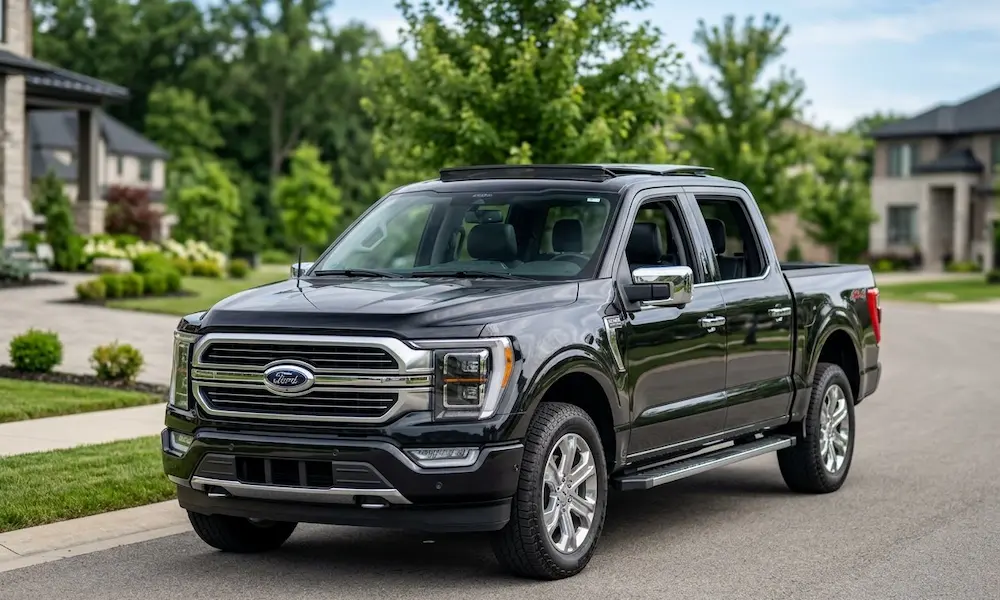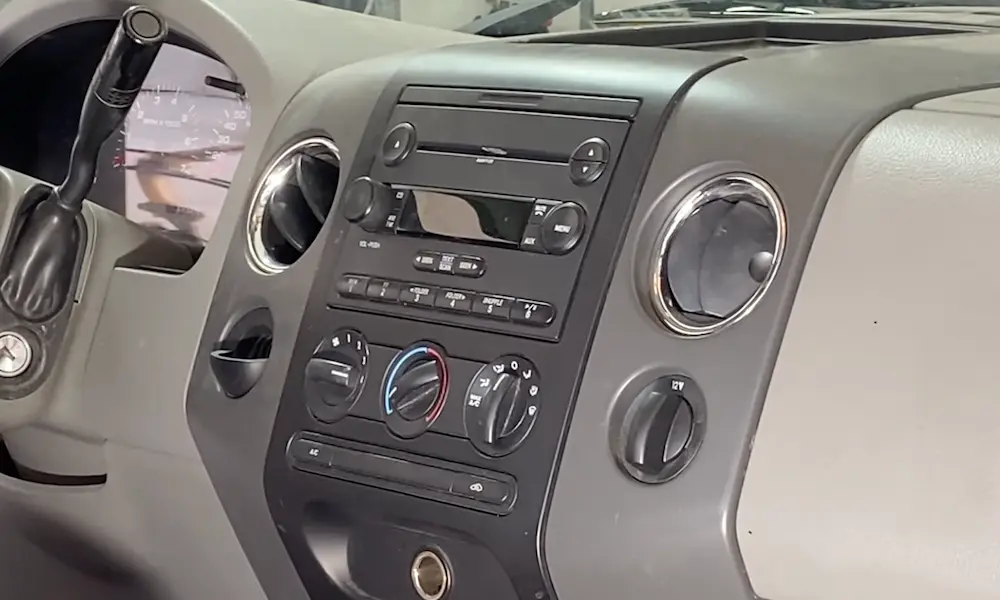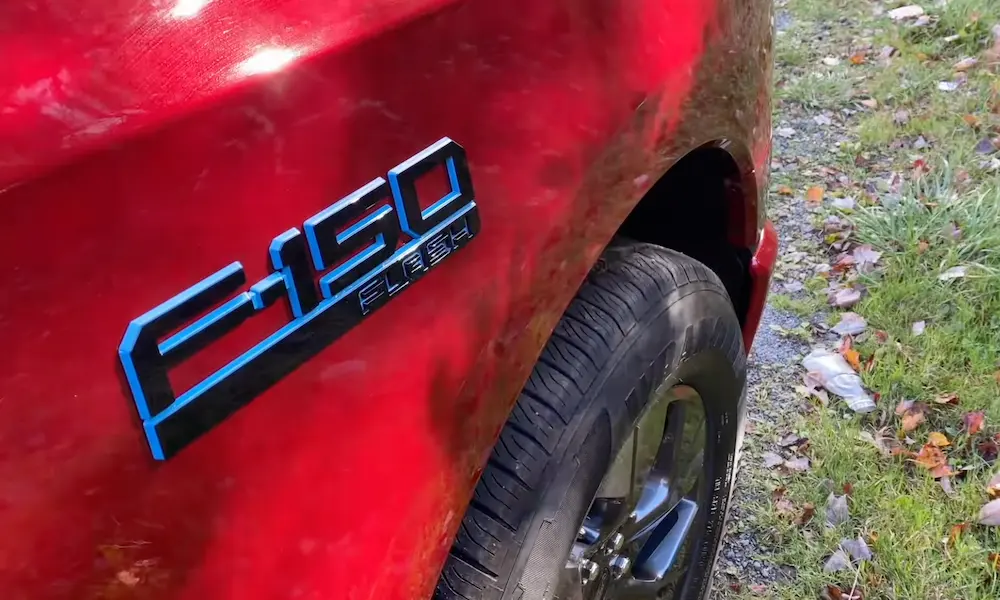
If you’re dealing with harsh shifts, delayed engagement, or worrying rollaway risks in your Ford F-150, Mustang, or Expedition, you’re facing a real problem—not an isolated incident. The 10R80 transmission’s defects have triggered multiple safety recalls and ongoing lawsuits. Here’s everything you need to know to protect yourself and your wallet.
What Is the Ford 10R80 Transmission?
The 10R80 is a 10-speed automatic transmission Ford introduced in 2017. It’s installed in the company’s most popular vehicles—the F-150, Mustang, Expedition, Lincoln Navigator, Ranger, and Bronco.
Ford developed this transmission in partnership with GM to meet fuel economy standards. More gears meant the engine could stay in its “sweet spot” for either power or efficiency. Sounds great on paper, right?
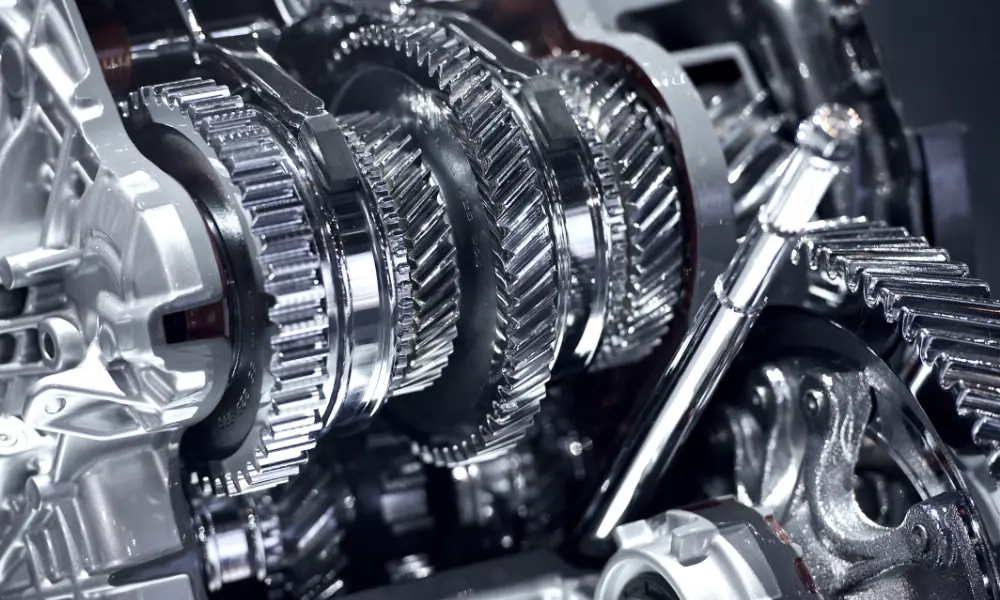
The problem? Ford prioritized complexity over reliability. The 10R80 uses six different clutches and sophisticated hydraulic controls to manage all those gears. When one component fails—and they do—the entire system falls apart.
The vehicles affected include:
- 2017+ Ford F-150
- 2018+ Ford Mustang
- 2018+ Ford Expedition
- 2018+ Lincoln Navigator
- 2019+ Ford Ranger
- 2021+ Ford Bronco
- 2020+ Ford Explorer (RWD variants)
- 2020+ Lincoln Aviator
Don’t confuse the 10R80 with the 8F35 transmission used in the Bronco Sport and Maverick. They’re completely different animals with different problems.
The Major Ford 10R80 Transmission Recalls
Recall 23S06 (NHTSA 23V-070): The Loose Bolt Rollaway Risk
In February 2023, Ford issued a safety recall for one of the scariest defects imaginable—your truck rolling away when you think it’s in Park.
What happened: During assembly, a loose bolt ended up inside the transmission case. This bolt could jam the park pawl mechanism—the mechanical lock that prevents your vehicle from moving when parked. Your dashboard shows “P,” your shifter’s in Park, but the transmission’s actually in Neutral.
Affected vehicles: Approximately 944 vehicles initially, including 2022-2023 F-150s, Broncos, Explorers, Mustangs, and Lincoln Aviators built between November 2022 and January 2023.
The fix: Dealers inspect the transmission. If they find the loose bolt, they open the case to remove it. If there’s damage, you get a whole new transmission.
Recall 22S43 (NHTSA 22V-413): Shifter Cable Detachment
This massive recall affected nearly 3 million vehicles in June 2022. While it primarily hit models with different transmissions (Fusion, Escape), it exposed systemic quality control issues at Ford.
The defect: The bushing connecting your shifter cable to the transmission lever degrades and fails. When it breaks, moving your shift lever does nothing—the transmission doesn’t change gears.
The danger: Same rollaway risk. You shift to Park, remove the key, walk away… and your vehicle’s still in Drive.
Recall 25E070: The Remanufactured Transmission Nightmare
Here’s where it gets infuriating. In October 2025, Ford recalled approximately 34,481 remanufactured 10R80 transmissions supplied by ATC Drivetrain.
The problem: The remanufactured units were missing the T10 bearing. Without this bearing, the park pawl can’t align properly with the parking gear. You’ve got the same rollaway risk—again.
Why this matters: These are replacement transmissions. Owners who already suffered a transmission failure and paid for or received a replacement under warranty might have gotten a defective unit. You fixed your truck once, and Ford gave you a transmission that’s also broken.
Affected models: Service parts for 2017-2021 F-150s, Mustangs, Expeditions, Navigators, and Rangers.
Recall 24V-267: Don’t Get Confused
This April 2024 recall involves “loss of motive power” in the Bronco Sport and Maverick. These vehicles use the 8F35 transmission, not the 10R80. The issue is a battery monitoring problem, not a transmission defect.
Owners often confuse this recall with 10R80 problems because “Bronco” appears in both. The full-size Bronco (10R80) is a different vehicle from the Bronco Sport (8F35).
The CDF Drum Defect: The Real Villain
If you’re experiencing harsh shifting, delayed engagement, or your transmission slipping, you’re likely dealing with the CDF drum defect. This isn’t covered by a safety recall—Ford handles it through Technical Service Bulletins (TSBs), which means you might pay for it.
What’s the CDF Drum?
The CDF Clutch Drum is a rotating assembly inside the transmission. It houses the pistons and clutch packs for three specific clutches (C, D, and F). Hydraulic fluid flows through this drum to engage these clutches.
The drum uses a press-fit bushing to seal the hydraulic passages. In 2017-2022 transmissions, this bushing wasn’t secured properly. Under normal heat and pressure, the bushing slides (or “walks”) out of position.
How the Failure Happens
When the bushing moves, it blocks the oil feed holes. Without proper fluid flow, the clutches can’t engage smoothly. Your transmission’s computer detects slipping and slams maximum pressure through the system to protect the clutch—that’s the violent jerk you feel.
Common symptoms:
- Harsh shifts that feel like you’ve been rear-ended
- Delayed engagement when shifting from Park to Drive or Reverse
- Lurching or shuddering during 1-3 or 3-5 upshifts
- Check engine light with codes P0751-P0772, P2700-P2708, or P07F6/P07F7
The Engineering Fix (August 2022)
Ford redesigned the CDF drum with part number JL3Z-7H351-B. The updated drum has a machined lip that physically prevents the bushing from sliding.
Critical date: Vehicles built on or after August 16, 2022 have the updated drum from the factory. If you’re buying a used Ford truck or SUV, this date is everything.
Why This Isn’t a Recall
Ford classifies harsh shifting as a “drivability” issue, not a safety defect. The NHTSA hasn’t forced a recall despite thousands of complaints. Ford’s position: the vehicle still moves, so it’s not a safety hazard.
Owners and lawyers argue differently. Unpredictable power delivery, sudden deceleration, and harsh lurching absolutely create safety risks—especially in highway traffic.
Technical Service Bulletins (TSBs): Ford’s Non-Recall “Fixes”
TSBs are instructions to dealers on how to fix known problems if a customer complains. They’re not recalls. You need to know about them because they expire with your warranty.
TSB 23-2250: The CDF Drum Replacement
This 2023 bulletin applies to 2017-2023 F-150s, Mustangs, Expeditions, Navigators, and Rangers built before August 16, 2022.
The procedure: Dealers tear down the transmission, inspect the CDF drum, and replace it with the updated part (JL3Z-7H351-B) if the bushing has moved.
The catch: This is warranty work. If you’re out of warranty (beyond 5 years or 60,000 miles), you’re paying $3,500-$5,500 for the repair.
TSB 25-2126: The 2025 Update
Released in 2025, this bulletin reinforces the CDF drum replacement for 2017-2020 F-150s and Mustangs. The fact that Ford’s still issuing bulletins in 2025 for 2017 models tells you the problem isn’t going away.
TSB 24-2046: Ranger-Specific Guidance
This February 2024 bulletin targets the 2019-2023 Ford Ranger. It acknowledges “Non-Main Control Break-In” issues (internal hard parts) causing delayed engagement. The fix? CDF drum replacement and often a valve body overhaul.
Earlier TSBs: The Software Band-Aid Era
From 2018-2020, Ford tried fixing harsh shifting with software updates.
TSB 18-2274 and 20-2339: These bulletins instructed dealers to reprogram the Powertrain Control Module (PCM) and Transmission Control Module (TCM), then perform an “Adaptive Learning Drive Cycle.”
The software updates temporarily reset the computer’s shift strategy. But if your bushing was already moving, the harsh shifts returned within weeks or months. Ford knew software couldn’t fix a mechanical problem.
TSB 20-2274 and 21-2377: When software failed, Ford blamed the valve body. Dealers cleaned or replaced it. This addressed the symptom (contaminated valves) but not the cause (the failing CDF drum creating debris).
The Class Action Lawsuits
Ford’s strategy of using TSBs instead of recalls has triggered major litigation.
Marino v. Ford Motor Company (Illinois)
This is the bellwether case. Plaintiffs alleged Ford knowingly sold F-150s with a dangerous transmission defect.
Key development: In July 2023, the lead plaintiff’s claims were dismissed. Robert Marino traded in his truck during the lawsuit without preserving it for Ford’s inspection—a legal error called “spoliation of evidence.”
2025 status: Despite this setback, the class action survived. In March 2025, the court ruled claims under the Magnuson-Moss Warranty Act could proceed. This keeps the threat of a massive judgment alive.
O’Connor v. Ford Motor Company
This parallel class action covers similar allegations. In March 2025 rulings, the court addressed technical requirements for federal class actions. The plaintiffs couldn’t meet the 100-named-plaintiff threshold, forcing them to pursue state-level consumer protection claims.
Canadian Class Action (April 2025)
Charney Lawyers PC filed a proposed class action in Vancouver against Ford Canada. It covers the F-150, Ranger, Mustang, and Expedition for the same “lunging and shuddering” defects.
Transport Canada investigation: Canadian regulators opened an investigation into “unexpected downshifting” on 2017-2020 F-150s, mirroring earlier NHTSA probes into Ford truck transmissions.
What You Should Do Right Now
If Your Vehicle Is Under Warranty
Get to the dealer immediately if you’re experiencing harsh shifts, delayed engagement, or any transmission issues.
Document everything: Write down the date, mileage, and symptoms. Get a copy of the repair order—even if the dealer says “no problem found.” This paper trail is critical if the problem returns after your warranty expires.
Request TSB 23-2250: Specifically ask the service advisor to check for CDF drum movement under this bulletin. Don’t let them fob you off with another software update.
If Your Warranty Expired
You’ve got options, but they require persistence.
Contact Ford Customer Service: Call 1-800-392-3673. If you complained about shifting issues while under warranty (and have documentation), you might qualify for “goodwill assistance.” Ford has discretionary funds to help owners who got screwed by dealer incompetence.
Get an independent inspection: Find a transmission specialist (not a Ford dealer) to pull diagnostic codes and assess the CDF drum. You need an unbiased opinion on whether the defect exists.