Ever wondered if those flashy red Brembo calipers are worth the premium price tag? Whether you’re considering an upgrade for your daily driver or looking to enhance your weekend track car, the question remains: are Brembo brakes actually good, or are they just expensive eye candy? Let’s cut through the marketing hype and examine what these Italian-engineered brakes really deliver.
What Makes Brembo Different from Other Brake Brands?
Brembo isn’t just another brake manufacturer—they’re a premium brand with over 60 years of experience and a strong presence in motorsports. But what exactly sets them apart?
Engineering and Materials
Brembo uses sophisticated material formulations with up to 30 different compounds in each brake pad. Their multilayer shim technology, branded as “Brembo Red,” helps dampen vibrations and reduce noise. This isn’t just marketing talk—these engineering decisions translate to real-world performance differences.
The company offers several distinct pad formulations:
- Prime series: OEM-equivalent replacement pads with 10-50% metallic content
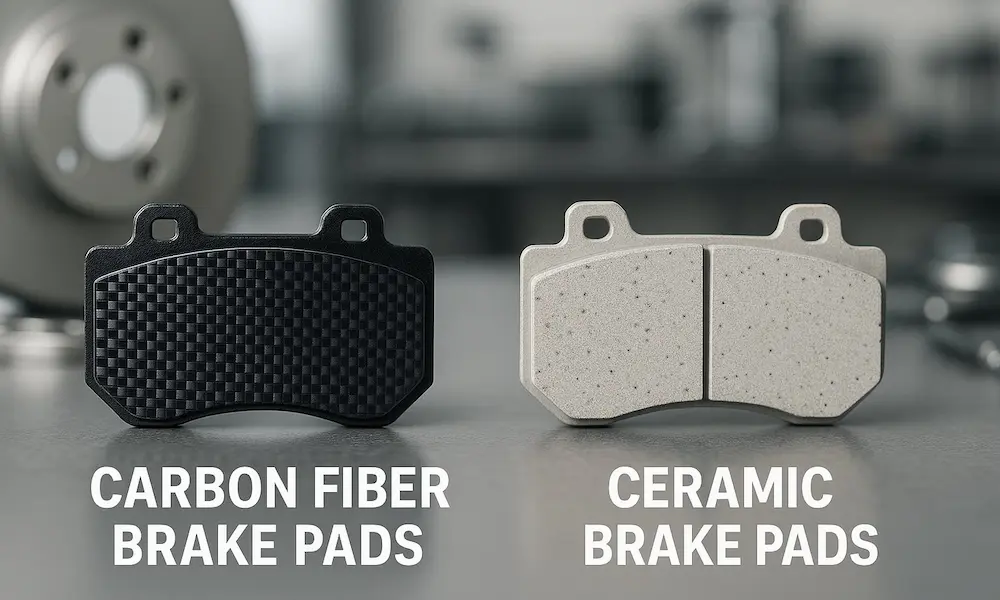
- Prime Ceramic: Reduced metallic content for cleaner, quieter operation
- Xtra series: Enhanced stopping power for spirited driving
- Racing Organic (RC): Track-focused compounds for extreme heat conditions
Each formulation serves a specific purpose, which means there’s no single “Brembo experience”—your results will vary based on which product line you choose.
Performance Heritage
Brembo supplies braking systems to Ferrari, Porsche, Lamborghini, and numerous Formula 1 teams. This racing DNA influences their consumer products, though the technology transfer isn’t always direct. Their experience in high-stress environments does contribute to more reliable designs for everyday vehicles.
Stopping Power: Do Brembo Brakes Really Stop Better?
The primary job of any brake is to stop your vehicle effectively. How do Brembos stack up?
Cold Performance vs. Heat Management
Professional testing reveals mixed results for Brembo pads under varying conditions. Independent evaluations show that while Brembo pads generally provide adequate stopping power for daily driving, some users report disappointment with initial cold bite.
Once warmed up, however, most Brembo pads show impressive consistency. Their ceramic formulations demonstrate strong fade resistance and consistent pedal feel when properly bedded. This makes them particularly suitable for spirited driving where heat buildup can cause inferior brakes to fade.
Here’s how different Brembo lines perform in various conditions:
| Brembo Pad Type | Cold Performance | Heat Resistance | Dust Level | Noise Level |
|---|---|---|---|---|
| Prime Standard | Good | Moderate | Moderate | Low-Moderate |
| Prime Ceramic | Moderate | Good | Very Low | Very Low |
| Xtra | Very Good | Very Good | Moderate-High | Moderate |
| Racing (RC) | Poor (when cold) | Excellent | High | High |
Real-World Stopping Distance
When properly bedded in, Brembo brake pads typically outperform OEM brake pads by 10-15% in stopping distance tests. This improvement becomes more noticeable during repeated hard stops, where heat management becomes crucial.
However, it’s worth noting that the performance gap between Brembo and quality mid-tier brands isn’t always dramatic. You’ll definitely notice an improvement over basic pads, but the difference compared to other premium brands like Akebono or EBC might be subtle in everyday driving.
Durability: How Long Do Brembo Brakes Last?
Longevity is a key consideration when investing in premium brake components. Are Brembos worth it in the long run?
Pad Lifespan
Real-world data shows Brembo brake pads typically last 30,000-50,000 miles under normal driving conditions. Highway-heavy usage can extend this significantly, with some users reporting 80,000+ miles on original equipment Brembo pads.
However, aggressive driving or track use dramatically reduces pad life:
- Daily commuting: 30,000-50,000 miles
- Spirited driving: 20,000-30,000 miles
- Occasional track use: 10,000-25,000 miles
- Dedicated track use: As little as 1,000-5,000 miles for racing compounds
This longevity compares favorably to OEM pads, often lasting 25-50% longer than budget alternatives.
Rotor Compatibility and Wear
Brembo pads are generally designed to minimize rotor wear when properly bedded in. Their ceramic formulations are particularly rotor-friendly, causing less abrasion than semi-metallic compounds.
However, using track-oriented Brembo compounds on the street can accelerate rotor wear, as these pads require significant heat to function properly and may cause uneven material transfer during normal driving.
Comfort Factors: Noise, Dust, and Vibration
Performance means nothing if your brakes squeal at every stoplight or coat your wheels in black dust. How do Brembos handle these comfort factors?
Noise Control
Ceramic Brembo formulations excel in noise control, with many users reporting virtually silent operation throughout the pad’s service life. The company’s noise-dampening shims and advanced friction materials effectively minimize brake squeal when properly installed.
Semi-metallic variants produce more audible noise, particularly during cold starts or aggressive braking. Racing compounds can be downright noisy for street use—something to consider if you’re sensitive to brake noise.
Brake Dust Management
Dust production varies dramatically across Brembo’s product range:
- Ceramic formulations generate minimal, light-colored dust that doesn’t stick aggressively to wheels
- Standard and semi-metallic compounds produce moderate to high levels of darker brake dust
- Racing compounds can create significant dust, especially when used on the street
Many users cite dramatically cleaner wheels as a primary benefit of upgrading to Brembo ceramic pads. If you’re tired of constantly cleaning black brake dust from your wheels, their ceramic options are worth considering.
Installation Requirements: Getting the Most from Brembo Brakes
Even the best brakes won’t perform well if improperly installed. Brembos have some specific requirements to deliver their promised performance.
Proper Bedding Procedures
Correct brake pad bedding proves essential for optimal Brembo performance. The company recommends a 300-kilometer break-in period involving progressive braking loads.
A typical bedding procedure involves:
- 6-8 moderate stops from 30-40 mph
- Several firmer applications from 50-60 mph without coming to complete stops
- A cooling period where you drive without using brakes much
Failure to properly bed Brembo brake pads results in poor initial performance, increased noise, and potential rotor damage. Many negative user experiences appear related to inadequate bedding rather than inherent product deficiencies.
Maintenance Requirements
Regular inspection every 15,000-20,000 kilometers helps maximize Brembo brake pad lifespan. Visual thickness checks, combined with brake dust cleaning using appropriate solvents, maintains optimal operation.
Proper lubrication of contact points during installation prevents noise and ensures even wear. Brembo includes appropriate hardware and lubricants with their brake pad sets, simplifying professional installation.
Value Proposition: Are Brembo Brakes Worth the Money?
The bottom line question for most consumers: do Brembos justify their premium price?
Cost Analysis
Brembo brake pad pricing ranges from $50-150 per set depending on compound and vehicle application. Ceramic formulations command premium pricing, while basic replacement pads compete more directly with quality aftermarket alternatives.
This represents a 300-400% price premium over basic pads and about 30-50% more than mid-tier quality brands. For complete Brembo brake kits including calipers and rotors, prices can easily exceed $2,000-$4,000.
Performance Value
Despite higher initial costs, Brembo brake pads may provide superior long-term value through:
- Extended service life (25-50% longer than budget alternatives)
- Reduced rotor wear with proper compounds
- Improved safety margins in emergency situations
- Enhanced driving experience with better pedal feel
However, the value equation depends heavily on your driving patterns and expectations. For normal commuting, the performance difference might not justify the cost premium. For enthusiastic driving or track use, the benefits become more apparent.
Potential Drawbacks of Brembo Brakes
No product is perfect, and Brembos have their shortcomings:
Quality Control Concerns
Brembo has experienced several quality control issues in recent years, including a 2018 recall affecting over 3,000 brake pad sets due to improper thermal treatment. Additional recalls in 2020 addressed similar pad bonding issues on motorcycle applications.
While these problems were attributed to supplier manufacturing errors rather than Brembo design defects, they raise concerns about quality control oversight.
Counterfeit Products
The popularity of Brembo products has led to significant counterfeit issues, particularly through online retailers and discount suppliers. Fake Brembo brake pads often feature substandard materials and may lack proper safety certifications.
Always purchase from authorized dealers and verify authenticity. Suspiciously low pricing often indicates counterfeit products that compromise safety.
Cold Weather Performance
Some Brembo compounds, particularly their performance-oriented formulations, require heat to achieve optimal friction levels. This can result in reduced braking performance during initial cold starts in winter conditions.
Which Brembo Brakes Are Right for You?
With several product lines available, choosing the right Brembo brakes depends on your specific needs:
For Daily Driving
Brembo Prime Ceramic pads offer the best balance of performance, comfort, and cleanliness for typical street driving. These pads provide adequate stopping power, minimal noise, and dramatically reduced brake dust compared to OEM alternatives.
The higher purchase price becomes justified through extended service life and reduced wheel cleaning requirements.
For Performance Enthusiasts
Xtra series pads suit drivers seeking enhanced performance without full track capability. These compounds offer improved fade resistance and higher friction coefficients while maintaining reasonable street manners.
Paired with quality rotors, these pads provide noticeable improvements for spirited driving without the drawbacks of full racing compounds.
For Track Days
Serious track users should consider dedicated racing compounds, though frequent replacement and poor street characteristics make them unsuitable for dual-purpose applications.
These pads require significant heat to function properly and will perform poorly during normal street driving. They’re best reserved for dedicated track vehicles or those who don’t mind swapping pads between street and track use.
The Bottom Line: Are Brembo Brakes Actually Good?
After reviewing all the evidence, are Brembo brakes good? The answer is a qualified yes—but with some important caveats.
Brembo brakes represent a generally solid choice for drivers seeking enhanced braking performance, though results vary significantly across product lines. Their ceramic formulations excel in daily driving scenarios, providing quiet operation, minimal dust, and reliable stopping power when properly installed and bedded.
However, some Brembo compounds, particularly standard replacement pads, may disappoint users expecting dramatic performance improvements over quality OEM alternatives. Cold weather performance concerns and the critical importance of proper bedding procedures may frustrate drivers unprepared for these characteristics.
The brand’s premium pricing requires careful consideration against competitive alternatives, as similar performance is often available at lower cost from other reputable manufacturers.
For buyers committed to the Brembo brand, ceramic formulations offer the best combination of performance, comfort, and value for typical driving applications. Just remember that proper installation, bedding, and maintenance are essential for achieving satisfactory performance from your Brembo brake investment.