That annoying brake pedal pulsation? It might just be warped rotors — and you don’t always need to buy new ones. Knowing where to get rotors turned can save you real money. This guide covers every option, what it costs, and how to know if turning even makes sense for your car. Stick around — the answer might surprise you.
What “Getting Rotors Turned” Actually Means
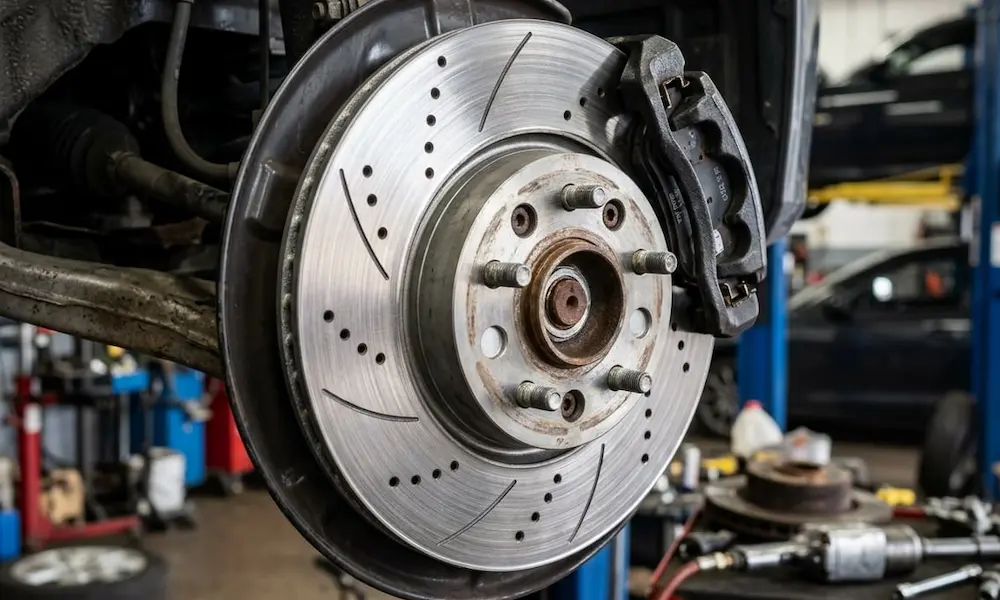
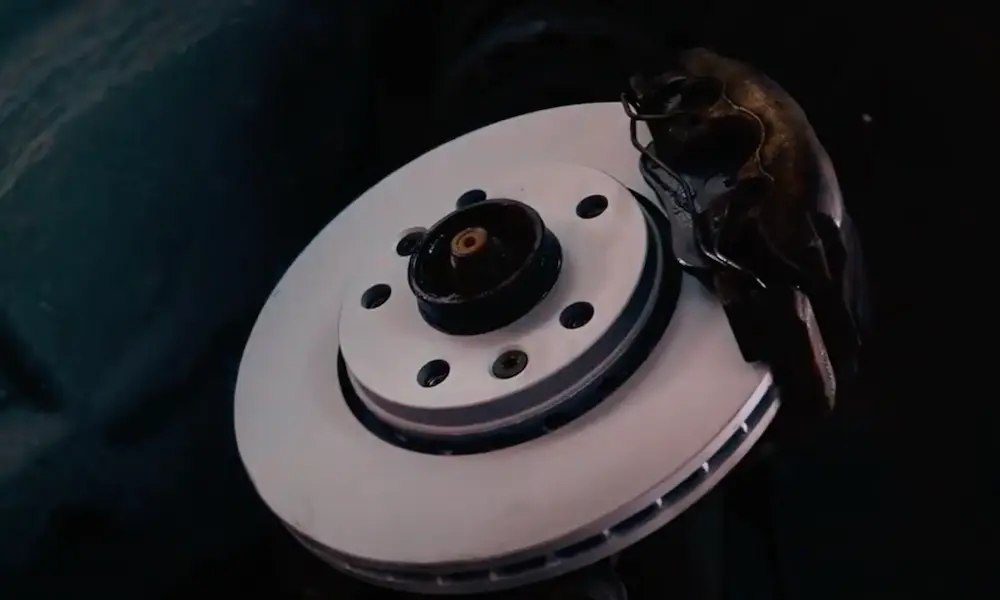
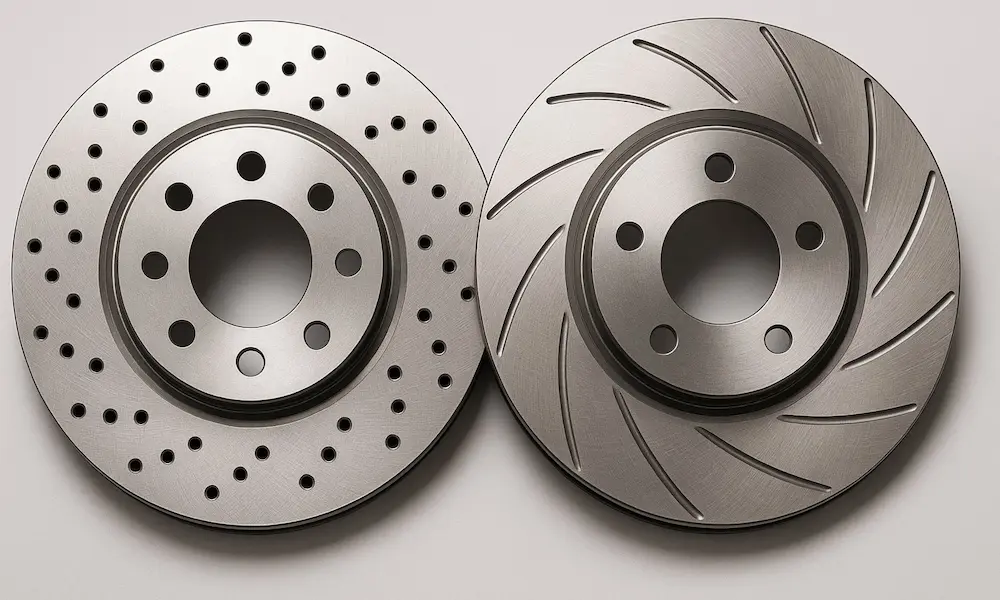
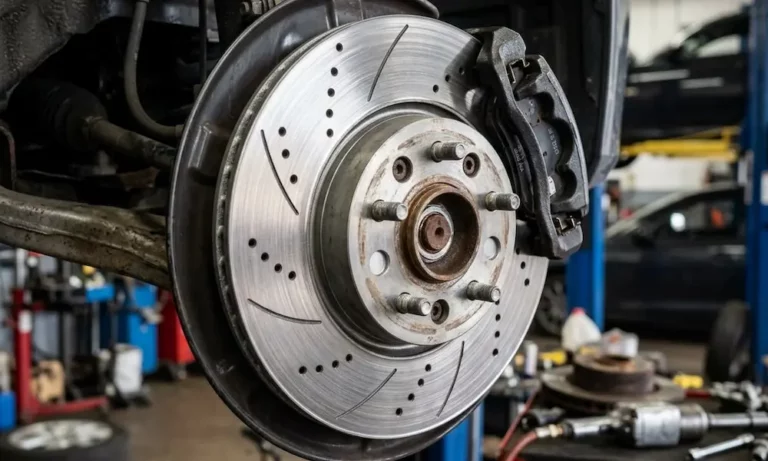
Rotor turning (also called resurfacing) is when a technician uses a precision lathe to shave a thin layer of metal off your brake rotor’s surface. The goal is to remove grooves, glazing, and minor warping — leaving a smooth, flat surface your brake pads can grip evenly.
It’s not magic. It’s metalwork. And it only works if your rotors still have enough thickness left to machine safely.
Where to Get Rotors Turned Near You
Here’s the short version: your main options are retail auto parts stores (carry-in service) and full-service repair shops. Each works differently, so let’s break both down.
O’Reilly Auto Parts — Best Retail Option
O’Reilly Auto Parts is the standout national retailer for rotor turning. Most locations offer in-store brake rotor and drum resurfacing for around $20–$30 per rotor.
Here’s how it works:
- You remove your rotors at home
- You bring them into the store (carry-in only)
- Staff measure thickness with a micrometer — free of charge
- If the rotor passes, they machine it on a bench lathe
- If it fails the thickness check, they’ll help you pick a replacement
O’Reilly also runs a Loaner Tool Program if you need specialty brake tools to pull the rotors yourself. That’s a solid perk.
NAPA — Hit or Miss by Location
NAPA operates a decentralized model. Some independently owned NAPA stores run full machine shops that can turn rotors, flywheels, and drums. Others don’t have a lathe at all.
Call your local store before driving over. Pricing varies widely depending on the franchise owner. Regional parts distributors like Fisher’s Auto Parts follow a similar model — worth a call if you’re outside a major metro.
AutoZone and Advance Auto Parts — Not an Option
Don’t bother asking. AutoZone and Advance Auto Parts don’t offer rotor turning. Both chains focus on selling new replacement parts, not machining old ones. They don’t carry the equipment or trained staff for it.
Full-Service Repair Chains
If you’d rather not pull your own rotors, full-service shops bundle rotor resurfacing into brake jobs. Here’s what the major players offer:
Pep Boys runs two tiers. Their Standard Brake Package includes free brake inspection, new pads, and off-vehicle rotor resurfacing — starting around $199–$249 per axle. Their Premium Package adds a full hydraulic fluid exchange and a longer labor warranty. One standout feature: Pep Boys offers on-car rotor machining called “Precision Match,” which corrects hub runout most shops miss.
Midas uses an à la carte pricing model instead of bundles. Expect roughly $94–$99 per wheel for rotor turning, plus labor at around $80/hour and separate costs for pads and fluid. It’s transparent but can add up fast.
Firestone Complete Auto Care bundles services starting near $180 per axle, though complex vehicles can push costs significantly higher. Warranty terms vary by application.
NAPA AutoCare Centers back their brake work with a 24-month/24,000-mile warranty. All technicians hold ASE certifications. It’s a strong option if you want professional service with nationwide warranty coverage.
Tire Discounters and Goodyear Auto Service both maintain brake lathes in standard service bays and include rotor work in their brake packages.
Quick Comparison: Who Offers What
| Provider | Service Type | Estimated Cost | Warranty |
|---|---|---|---|
| O’Reilly Auto Parts | Carry-In | $20–$30/rotor | None |
| NAPA Retail (select stores) | Carry-In | Varies by location | Parts only |
| NAPA AutoCare | Full-Service | $200–$800+ (full job) | 24mo/24k miles |
| Pep Boys | Full-Service | $199–$249+/axle | 12–24 months |
| Midas | Full-Service | ~$94–$99/wheel | Lifetime pads |
| Firestone | Full-Service | ~$180+/axle | Varies |
| Tire Discounters | Full-Service | From $224/axle | 12mo/12k miles |
Bench Lathe vs. On-Car Lathe — Does It Matter?
Yes, it actually does. Not every shop turns rotors the same way, and the method affects the result.
Bench lathes require pulling the rotor completely off the car. The rotor gets mounted on a stationary machine and spun while dual cutting bits shave both surfaces at once. It’s the traditional method — reliable, versatile, and works on drums and flywheels too. The downside? Bench lathes can’t compensate for runout in your vehicle’s wheel hub. If the hub has even slight distortion, the freshly turned rotor can still feel off.
On-car lathes mount directly to your hub with the rotor still bolted in place. They cut the rotor along its actual operating axis — meaning any hub imperfection gets machined out automatically. This eliminates lateral runout and dramatically reduces brake pedal pulsation after the job. Pep Boys’ “Precision Match” service uses this method. It costs more upfront but delivers better results, especially if you’ve had recurring brake shudder.
| Feature | Bench Lathe | On-Car Lathe |
|---|---|---|
| Rotor removal required | Yes | No |
| Corrects hub runout | No | Yes |
| Works on drums/flywheels | Yes | No |
| Best for | General shops, heavy vehicles | Pedal pulsation correction |
| Speed | Slower (extra teardown) | Faster cycle time |
Should You Turn Rotors or Just Replace Them?
This is the real question. And honestly, the answer has shifted over the past decade.
Signs Your Rotors Need Attention
Watch for these symptoms before you decide anything:
- Pedal pulsation — rhythmic throbbing through the brake pedal points to disc thickness variation, where the caliper rides over thin and thick spots
- Metallic grinding — worn pads let steel meet steel, cutting deep grooves into the rotor face; drag a fingernail across the surface and feel for ridges
- Blue or purple spots — thermal hot spots from stuck calipers harden the metal unevenly, causing cracking and rapid wear
- Heavy rust scaling — light surface rust clears on its own; deep pitting that doesn’t clear during normal driving compromises braking performance
- Steering wheel shake — front rotor warping; seat or cabin vibration points to rear axle issues
The Thickness Rule You Can’t Ignore
Every rotor has a discard thickness stamped right into the hub. That number is the absolute minimum safe thickness. To turn a rotor, you need at least 0.050 inches above that discard limit — enough margin so the lathe can cut a clean surface and still leave safe metal behind.
A technician measures this with a micrometer at multiple points around the sweep area. O’Reilly does this free when you bring rotors in. If you’re already near the limit, turning isn’t on the table.
The Cost Math Has Changed
Here’s something worth knowing: new replacement rotors for most passenger vehicles now cost $30–$60 each. When a carry-in turn costs $20–$30 per rotor, the savings are slim — especially once you factor in your time.
For a high-labor-rate shop, the time spent mounting and running a rotor through a bench lathe often costs more than just bolting on a fresh one. That’s why many shops now default to replacement for standard commuter cars.
Resurfacing still makes financial sense for:
- Luxury or European vehicles where OEM-spec rotors cost $150–$300+ each
- Heavy trucks with large, expensive rotor assemblies
- Vehicles with structurally sound rotors that just need a surface refresh
| Scenario | Turn It | Replace It |
|---|---|---|
| 0.050″+ above discard limit | ✅ | — |
| At or below discard limit | — | ✅ |
| Light scoring, mild glaze | ✅ | — |
| Deep grooves, heavy rust | — | ✅ |
| Thermal cracks present | — | ✅ |
| Expensive OEM/luxury rotors | ✅ | — |
| Standard commuter car | — | ✅ (usually cheaper) |
Electric and Hybrid Vehicles: A New Wrinkle
If you drive a hybrid or EV, your rotors wear differently. Regenerative braking handles most deceleration, so your friction brakes rarely fire. That keeps pads fresh but leaves rotors sitting idle — and idle iron rusts fast.
In humid climates or areas with road salt, EV rotors can develop heavy surface oxidation with almost no pad wear. The rotors are often structurally fine — just coated in rust scale. Turning them removes that corrosion and restores a clean friction surface without throwing away a perfectly good part. It’s one case where resurfacing clearly beats replacement.
Your Fastest Path to Getting Rotors Turned
Need the short version? Here it is:
- DIYer with tools → Pull your rotors, bring them to O’Reilly Auto Parts for a $20–$30 turn
- Hands-off driver → Book a brake package at Pep Boys, NAPA AutoCare, or Midas
- Recurring brake shudder → Ask specifically for on-car lathe resurfacing
- Standard commuter car with worn rotors → Replacement is probably cheaper than turning
- Luxury car or truck → Resurfacing likely saves you money — check thickness first