Picking between a Cummins and a Duramax isn’t just an engine choice — it’s a lifestyle decision. Both mills can tow your house off its foundation, but they do it very differently. This guide cuts through the noise and gives you a straight answer based on real specs, reliability data, and 2025 updates. Stick around — the winner might surprise you.
The Short Version: What Each Engine Stands For
Before diving deep, here’s the core difference in one sentence:
The Cummins is built like a tank. The Duramax drives like a luxury car.
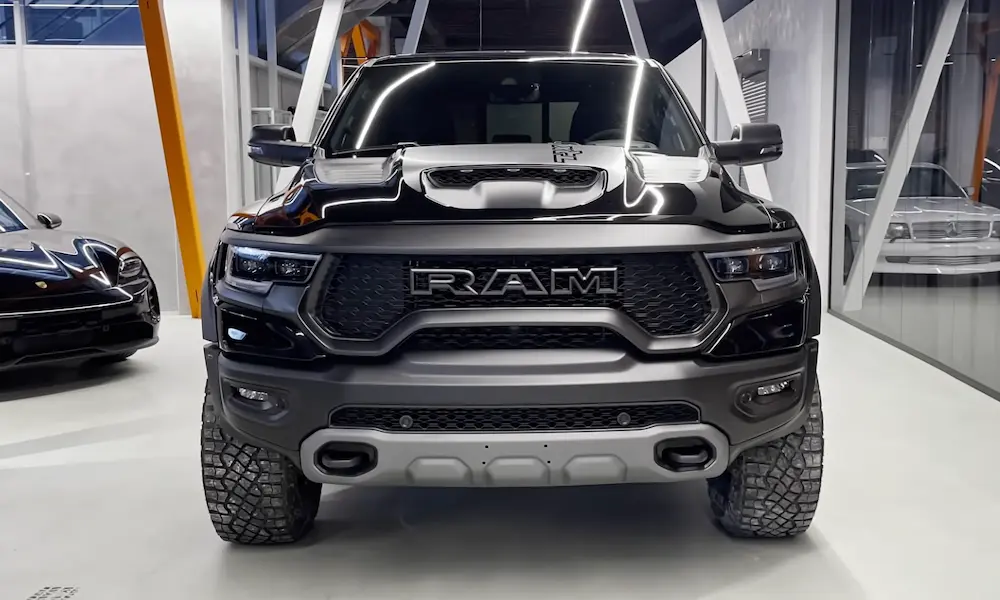
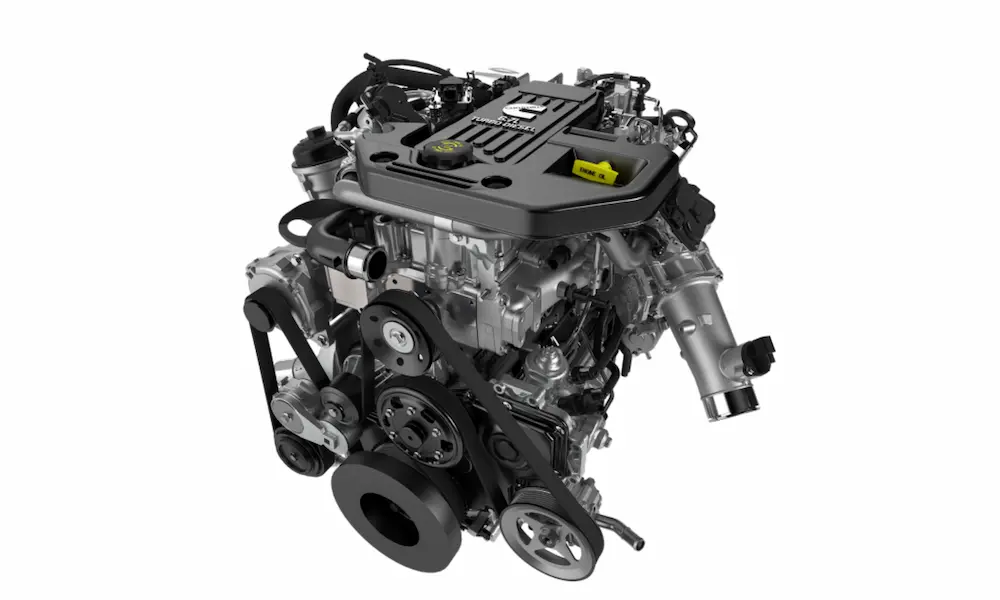
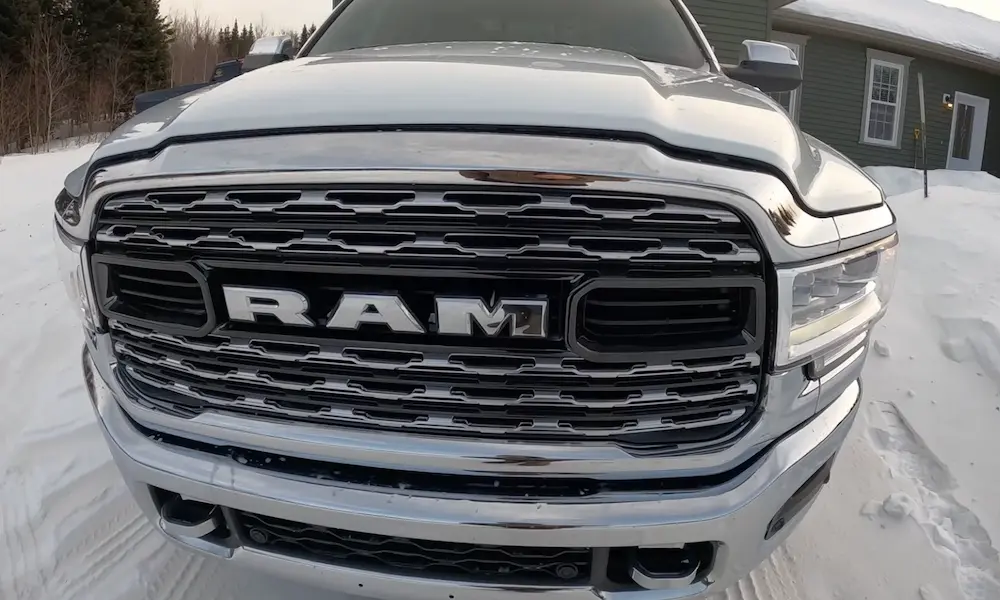
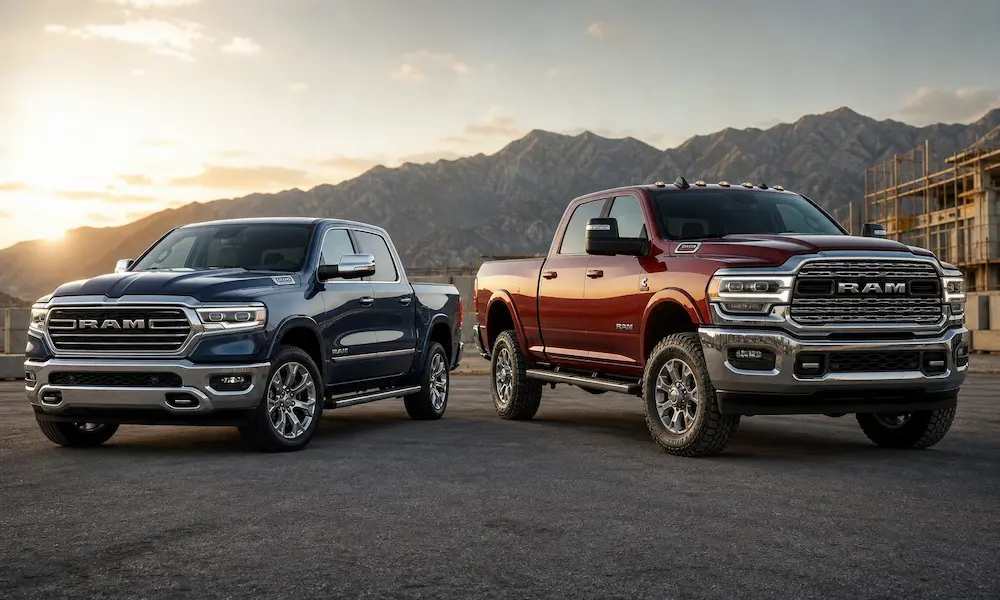
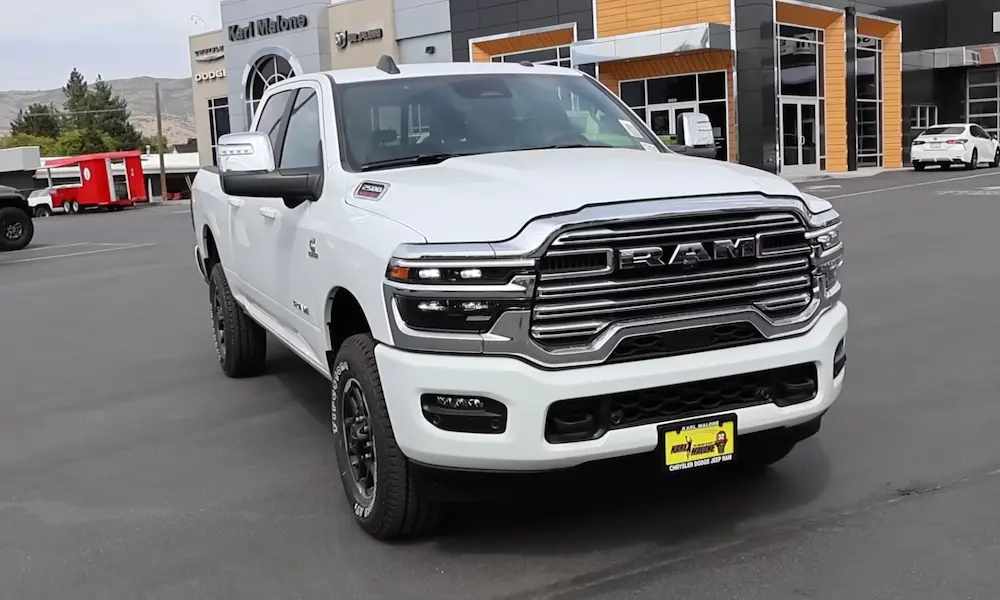
The Cummins inline-six lives in Ram Heavy Duty trucks. The Duramax V8 powers Chevy Silverado HD and GMC Sierra HD. Both have fierce fan bases, and both have legitimate reasons to exist.
A Quick History Lesson (Worth Knowing)
How Cummins Ended Up in a Ram
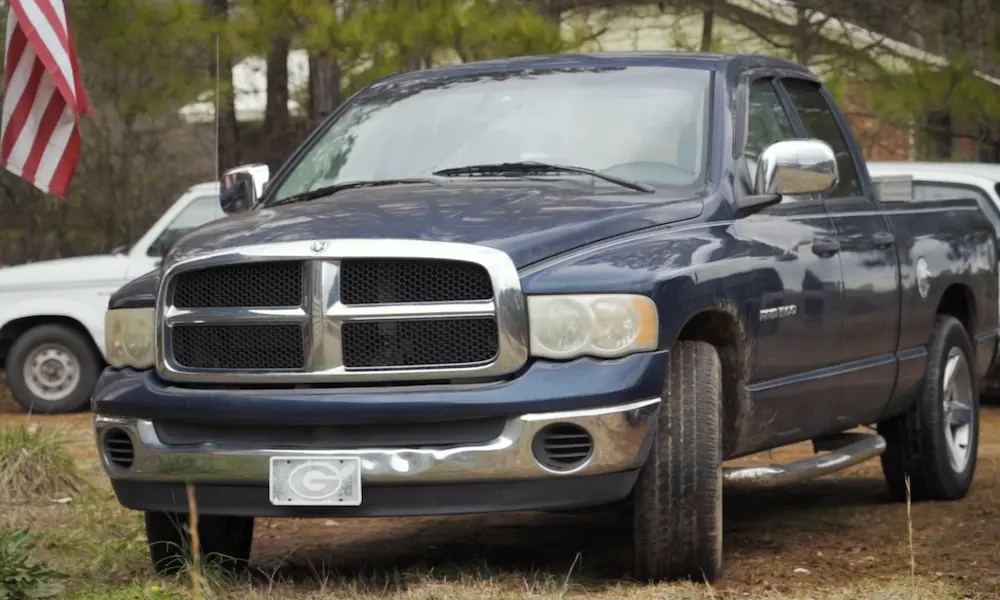
Cummins started building engines in 1919. For decades, it supplied farms and factories. Then in 1989, Dodge bolted a 5.9-liter Cummins inline-six into the Ram D-250. That truck changed everything. Direct injection and a turbo at that price point? Nobody else was doing it.
How GM Built the Duramax
GM had a rough diesel history through the ’80s. Their early V8 diesel conversions of gas engines were notorious for blowing head gaskets and overheating. So in the late ’90s, they partnered with Isuzu to build something from scratch. The result — the 6.6-liter Duramax V8 — launched in 2001 with aluminum heads and high-pressure common-rail injection. It was a genuine leap forward.
Engine Architecture: Why It Actually Matters
The biggest difference between these two engines isn’t displacement or horsepower. It’s shape.
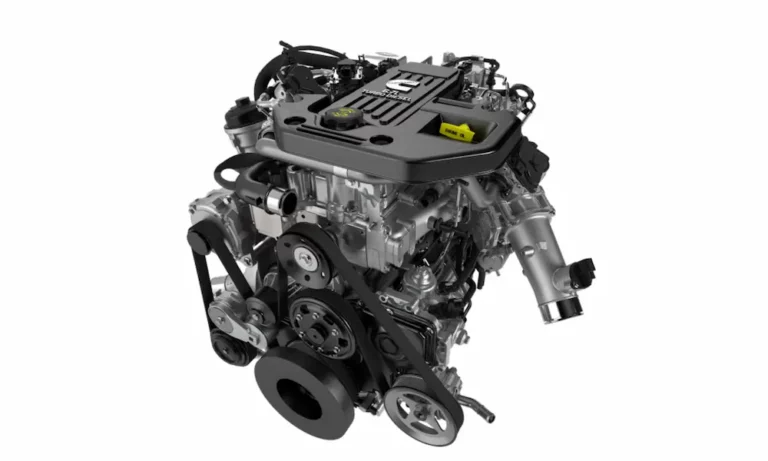
The Cummins Inline-Six
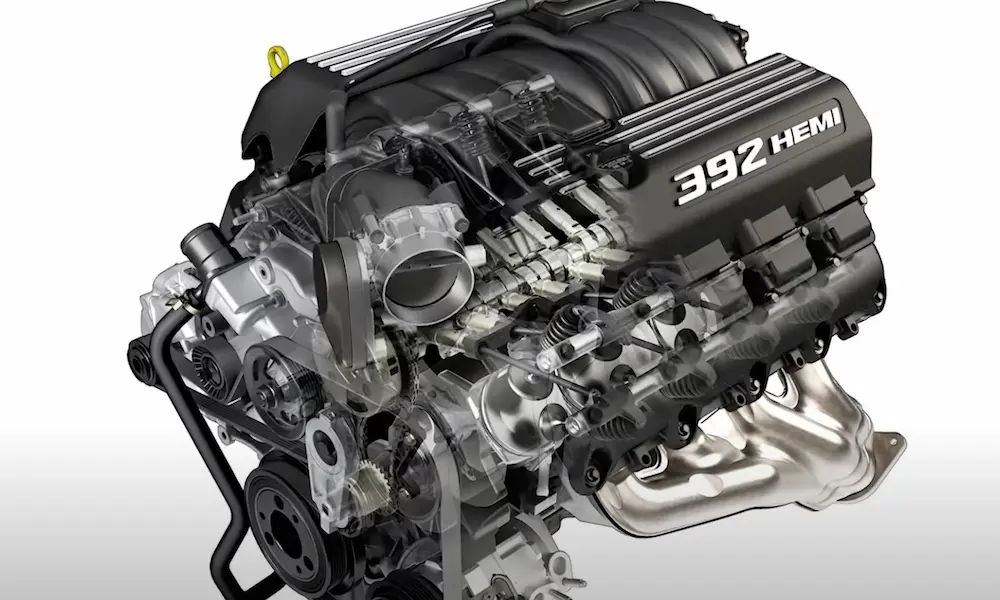
An inline-six is naturally balanced. Pistons cancel each other’s vibration — no balance shafts needed. The Cummins also runs an “undersquare” design, meaning the piston travels farther than the cylinder is wide. That long stroke creates massive leverage on the crankshaft. The result? Enormous torque at very low RPMs. It’s also narrow, so mechanics can actually reach things without disassembling the entire engine bay.
The Duramax V8
The Duramax runs an “oversquare” design — wider bore than stroke. That lets it rev higher and faster, which translates to stronger horsepower and snappier response when you’re not towing. The V8 sits lower and further back in the chassis, improving weight distribution. The tradeoff? Two cylinder heads, more complexity, and tighter access for repairs.
2025 Specs Head-to-Head
| Spec | 2025 Ram 3500 (Cummins HO) | 2025 Chevy 3500 (Duramax L5P) |
|---|---|---|
| Configuration | Inline-6 | V8 |
| Displacement | 6.7L | 6.6L |
| Horsepower | 430 hp | 470 hp |
| Peak Torque | 1,075 lb-ft | 975 lb-ft |
| Transmission | ZF 8-speed | Allison 10-speed |
| Max Gooseneck Tow | 37,090 lbs | 36,000 lbs |
| Max Payload (3500) | 6,560 lbs | ~4,000 lbs |
The Cummins wins on torque and towing weight. The Duramax wins on horsepower and ride refinement. Both are genuinely impressive.
The 2025 Ram Cummins Got a Major Overhaul
This is big news for the Cummins vs Duramax debate. The 2025 Ram Heavy Duty didn’t just get minor tweaks — it fixed two of the platform’s biggest long-standing weaknesses.
Goodbye Grid Heater, Hello Glow Plugs
For years, the Cummins used a high-amperage grid heater to warm intake air for cold starts. That system had a well-documented failure point: a mounting bolt that could snap off due to heat fatigue and drop into the engine, destroying pistons and cylinder heads.
The 2025 Cummins finally switched to glow plugs — exactly what the Duramax and Power Stroke have used for decades. The benefits are real:
- Cold start time dropped from 30+ seconds to roughly 3 seconds in freezing temps
- Less electrical strain — glow plugs draw far less amperage than the old 200-amp heater
- Better airflow — the redesigned intake manifold helped push output to 1,075 lb-ft
The New ZF 8-Speed Transmission
Ram also retired the 68RFE and Aisin 6-speed in favor of the ZF TorqueFlite HD 8AP1075. The 68RFE was essentially a modified gas transmission trying to handle diesel torque — it worked, but not without help from the aftermarket.
| Metric | Old Aisin 6-Speed | New ZF 8-Speed |
|---|---|---|
| Number of Gears | 6 | 8 |
| First Gear Ratio | ~3.75:1 | 4.71:1 |
| Launch Torque Improvement | Baseline | ~70% better |
| Skip-Shift Capability | No | Yes |
Real-world testing shows the 2025 Ram 2500 hits 0-60 mph 1.1 seconds faster than the previous model. That’s a meaningful improvement.
The Duramax Transmission Advantage: Allison
While Ram just caught up with a modern gearbox, GM has been partnered with Allison for years. The current L5P Duramax pairs with an Allison-based 10-speed automatic that’s built for sustained high-load towing.
In mountain towing, the Allison 10-speed uses grade-braking software to automatically downshift, keeping speed steady without hammering the brakes. Owners consistently describe it as “seamless.” It’s the kind of towing experience where you forget you’re hauling 20,000 pounds — until you look in the mirror.
The Allison reputation is so strong that some serious Cummins haulers do an Allison swap — literally installing a GM-spec Allison transmission behind the Cummins engine. That says a lot.
Reliability: What Actually Breaks
Both engines are built to go 300,000+ miles. But both have known weak spots you should know before buying.
Common Cummins 6.7L Issues
- DPF and EGR clogging — short trips and light loads mean frequent regen cycles and soot buildup
- Turbo actuator failure — carbon gums up the VGT actuator, causing erratic boost
- EGR cooler leaks — coolant seeps into the exhaust, causing white smoke and overheating
- Hydraulic lifter wear — reported in 2019+ models, less robust than the older solid tappet design
Common Duramax L5P Issues
- MAP sensor soot buildup — coats by 30,000–50,000 miles, causing rough idle and stalling
- Water pump failure — typically fails between 60,000 and 80,000 miles
- Head gasket wear — less common now, but still a risk on high-mileage or modified trucks
- Glow plug burnout — individual plugs wear out in cold climates
Neither list is a dealbreaker. Both are manageable with proactive maintenance.
Fuel Economy and Towing MPG
Diesel costs more at the pump, but you get more out of every gallon — especially under load.
| Configuration | Highway MPG (Unloaded) | Towing MPG (Real World) |
|---|---|---|
| 2025 Ram 2500 Diesel | 18–22 | 11–15 |
| 2025 Chevy 2500 Diesel | 20–25 | 10–14 |
| 2025 Ram 2500 Gas | 14–17 | 7–10 |
| 2025 Chevy 2500 Gas | 15–20 | 6–9 |
In the Ike Gauntlet towing test, the Ram Cummins recorded 4.9 MPG climbing a steep grade at near-max load. The Duramax managed 4.6 MPG. Small gap — but over a 100,000-mile commercial haul, that adds up fast.
Diesel trucks also hold their value significantly better than gas trucks. A 2020 diesel truck typically retains 70–75% of its original value, compared to 55–60% for gas versions.
What the Data Says: J.D. Power 2025 Results
Third-party reliability studies tell a story worth hearing.
The 2025 J.D. Power Vehicle Dependability Study analyzed problems experienced by owners of 2022 model-year vehicles:
- The 2022 Silverado 2500HD ranked as the most dependable heavy-duty truck in its class
- Chevy and GMC both scored well above the industry average for dependability
- Ram ranked 21st overall — a notable gap
- Silverado 2500HD owners scored it 83/100, specifically praising powertrain quality and reliability
- Ram owners scored their trucks 77/100, noting issues with interior tech and cabin noise
Consumer Reports found no full-size truck scoring above 50/100 in predicted reliability — heavy-duty trucks are complex machines. But they specifically called the Duramax brand “solid so far.”
The takeaway: the Duramax currently delivers a more consistent out-of-box experience. The Cummins has the stronger long-term longevity reputation — but the first decade may involve more trips to the dealer.
Driving Feel: Quiet Car vs. Diesel Truck
If you’ve ever sat in a modern Duramax on the highway, you know what we mean. The Duramax L5P is widely regarded as the quietest, most refined diesel in the segment. Smooth power delivery, minimal vibration, passenger-car feel at 75 mph.
The 2025 Cummins is quieter than ever — new helical timing gears reduced the signature clatter. But it still sounds like a diesel. That mechanical rumble is a feature for traditional diesel fans. For everyday commuters, it might get old.
Maintenance Costs: What You’ll Actually Spend
| Service | Diesel Cost | Gas Cost | Interval |
|---|---|---|---|
| Oil Change (Synthetic) | $200–$460 | $80–$120 | 7,500–10,000 miles |
| Fuel Filter | $100–$150 | N/A | 15,000 miles |
| Diesel Exhaust Fluid | $50–$100 | N/A | Every 800–1,000 miles |
| Transmission Service | $300–$500 | $150–$250 | 30,000–60,000 miles |
The Cummins 6.7L takes 12 quarts of diesel-rated oil. A standard gas V8 takes 7. Those extra quarts add up over time. Diesel ownership costs more — plan for it.
So Which One Should You Actually Buy?
Here’s the honest breakdown based on your use case:
Choose the Cummins if you:
- Do serious commercial or agricultural hauling
- Want maximum towing weight (37,090 lbs gooseneck)
- Plan to modify the truck or build a custom setup
- Want a powertrain with proven 500,000+ mile longevity
Choose the Duramax if you:
- Use the truck as a daily driver with occasional towing
- Want the quietest, most refined diesel experience
- Value strong dependability ratings in the first 5–10 years
- Prioritize highway fuel economy and smooth city driving
The Cummins vs Duramax debate doesn’t have one universal winner. It has the right tool for the right job. Both are genuinely world-class engines — and the ongoing competition between them is exactly why American diesel trucks keep getting better every year.