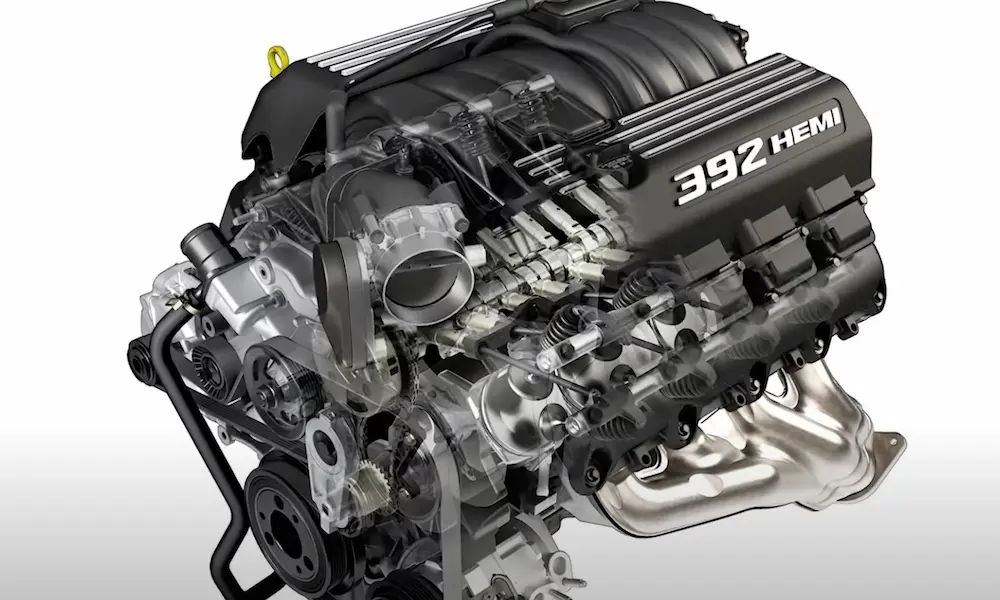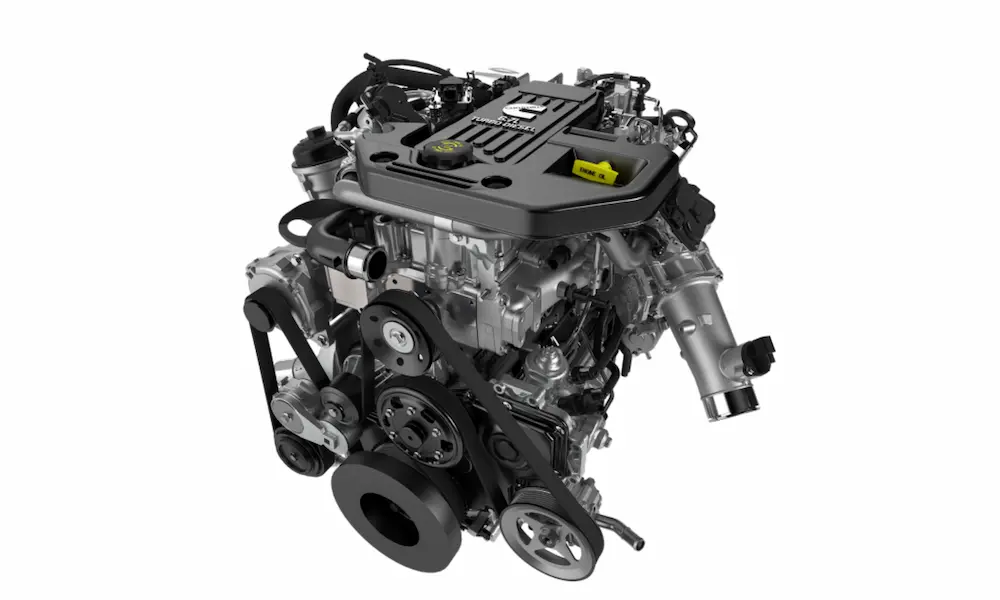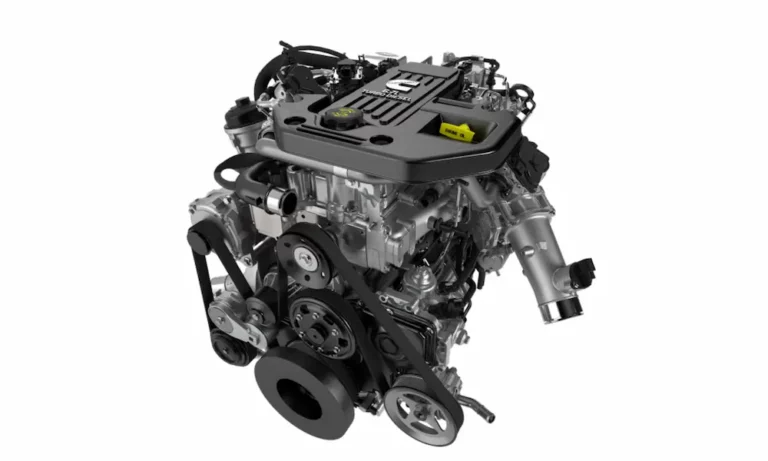
Picking between the Cummins X15 and PACCAR MX-13 isn’t just a brand decision — it directly affects your fuel costs, repair bills, and resale value. Both engines are genuinely excellent. But each one wins in a very different situation. Read to the end to find out which one fits your operation.
They’re Built on Completely Different Philosophies
Cummins designs its engines to work in any truck. A Peterbilt, a Kenworth, a Freightliner — the X15 doesn’t care. That “chassis agnostic” approach means Cummins engineers focus hard on raw power and adaptability across every possible application.
PACCAR takes the opposite route. The MX-13 is built to integrate tightly with PACCAR’s own transmissions, axles, and electronics inside Peterbilt and Kenworth trucks. It’s a purpose-built system, not a universal solution.
Here’s a quick look at the full engine lineup:
| Engine Model | Displacement | Best For | Key Strength |
|---|---|---|---|
| PACCAR MX-11 | 10.8L | Local, Vocational | Maximum payload savings |
| PACCAR MX-13 | 12.9L | Over-the-road haul | Efficiency, integration |
| Cummins X12 | 11.8L | Weight-sensitive work | Lightweight, flexible |
| Cummins X15 Efficiency | 14.9L | Fleet linehaul | Fuel economy, downspeeding |
| Cummins X15 Productivity | 14.9L | Heavy-haul, logging | Raw torque, hard pulls |
| Cummins X15 Performance | 14.9L | Owner-operators | Max torque + braking power |
Interestingly, PACCAR actually uses Cummins-built engines for its medium-duty trucks — rebranding the 6.7L and 8.9L as the PX-7 and PX-9. So these two companies aren’t purely rivals. They respect each other’s strengths where it counts.
Weight: The MX-13 Has a Real Advantage Here
The MX-13 uses compacted graphite iron for both the block and cylinder head. This material is stronger than traditional cast iron, which lets PACCAR cast thinner walls and shave serious weight without sacrificing durability.
The X15 uses a heavier cast iron block. It’s built to handle brutal thermal and mechanical stress — but that toughness comes at a cost on the scale.
| Spec | PACCAR MX-13 | Cummins X15 |
|---|---|---|
| Block Material | Compacted Graphite Iron | Cast Iron / Steel |
| Dry Weight | ~2,600 lbs | ~2,961 lbs |
| Total System Weight | ~2,600 lbs | ~3,152 lbs |
| Weight Difference | ~400–550 lbs lighter | Baseline |
For a bulk hauler carrying grain or fuel, 500 extra pounds of engine weight means 500 fewer pounds of freight per load. That adds up fast. But for a heavy-haul operator pulling 120,000-pound loads, nobody cares about those 500 pounds.
Power and Torque: Two Very Different Feels
These engines can share similar torque ratings on paper, but they deliver power in completely different ways.
| Spec | PACCAR MX-13 | X15 Productivity | X15 Performance |
|---|---|---|---|
| Max Horsepower | 510 HP | 605 HP | 565 HP |
| Max Torque | 1,850 lb-ft | 2,050 lb-ft | 2,050 lb-ft |
| Governed Speed | — | — | 1,900 RPM |
The MX-13 delivers peak torque between 1,000–1,400 RPM. That’s ideal for downspeeding — running at low RPM on the highway to cut friction and save fuel. It’s smooth and efficient on flat, predictable routes.
The X15 spreads its torque over a wider RPM band. In the mountains, when a load shifts unexpectedly on a grade, that broader power curve gives you more instant response. You’re not hunting for torque — it’s already there.
Engine Braking: Cummins Wins, Hands Down
Cummins claims up to 600 braking horsepower from the X15’s engine brake. That’s the most powerful in the industry. Going down a steep pass like the Wasatch Range in Utah, that kind of retarding force saves your service brakes and keeps the driver confident.
The MX-13 has a solid, notably quiet engine brake. But PACCAR doesn’t publish the same specific braking horsepower numbers, and plenty of operators say the X15 feels more in control on extreme descents.
The Integrated Powertrain Is PACCAR’s Secret Weapon
When you spec an MX-13, you’re often pairing it with the PACCAR TX-12 or TX-18 transmission and PACCAR axles. All these components share the same electronic control module.
That tight integration enables predictive cruise control — the system reads GPS terrain data and adjusts shift strategy and engine output before the hill even starts. It’s genuinely impressive technology that saves real fuel.
The X15 pairs well with the Eaton Fuller, a proven and trusted transmission. But the software-level communication between an independent engine and a third-party gearbox isn’t as seamless as a purpose-built integrated powertrain.
Maintenance Intervals: Closer Than You Think
Both companies have pushed service intervals further out than ever. Here’s how they compare based on duty cycle:
| Duty Cycle | Fuel Economy | Cummins X15 | PACCAR MX-13 |
|---|---|---|---|
| Severe Duty | Under 5.0 MPG | 25,000 miles | 30,000 miles |
| Short Haul | 5.0–5.9 MPG | 50,000 miles | 50,000 miles |
| Normal Linehaul | 6.0–6.9 MPG | 60,000 miles | 75,000 miles |
| Light Duty | Over 7.0 MPG | 75,000 miles | 75,000 miles |
Cummins adds 5,000 miles to all intervals when using Valvoline Premium Blue oil. The OilGuard program can push drains to 80,000–100,000 miles for some linehaul fleets.
The valvetrain numbers tell a bigger story. PACCAR requires a valve adjustment at 40,000 miles, then every 160,000 miles after that. Cummins stretches that same service out to 500,000 miles. That’s fewer shop visits and less downtime over the engine’s first half-million miles.
| Maintenance Item | Cummins X15 | PACCAR MX-13 |
|---|---|---|
| DEF Filter | 300,000 miles | 300,000 miles |
| DPF Ash Cleaning | 400k–600k miles | 300k (dry) / 600k (wet) |
| Coolant Flush | Per OEM schedule | 300,000 miles |
| Valve Adjustment | 500,000 miles | 40k initial, then 160k |
Known Problems You Should Know About
Both engines target a B10 design life of one million miles — meaning 90% should hit that mark before a major overhaul. But real-world use shows specific weak points in each.
PACCAR MX-13 Watch Points
- Emissions sensor failures: False fault codes in the DEF and SCR systems are a common complaint. They can trigger a derate — the engine limits power until you fix it, even if the sensor itself is the only problem. Owners and techs report this regularly.
- Fuel injector issues: Failed injector tips can send debris into the fuel system, potentially damaging the engine internally if ignored.
- Proprietary diagnostic software: Independent shops need PACCAR’s Davie4 software to do basic resets and calibrations. That’s a real problem when you break down 200 miles from the nearest dealer.
Cummins X15 Watch Points
- Fuel pump spalling: If the pump’s internal components wear, metal shavings enter the common-rail system and can destroy all six injectors. It’s an expensive repair.
- Camshaft wear: Some X15s develop premature cam flattening related to rocker arms that don’t lubricate properly. You’ll notice rough running and noise before it gets serious.
- Cylinder liner breakage: If a piston seizes, the liner can snap at the bottom and let the connecting rod cause catastrophic block damage. It’s rare, but it happens.
How Emissions Systems Work on Both Engines
Both the MX-13 and X15 use the same three-stage approach to clean exhaust.
EGR (Exhaust Gas Recirculation): Cooled exhaust gas recirculates back into the combustion chamber. This lowers peak combustion temperatures, which reduces the formation of nitrogen oxides — a major component of smog. The tradeoff is more soot.
Diesel Particulate Filter (DPF): The exhaust flows through a physical filter that traps soot particles. Periodically, the engine runs a regeneration cycle — heating the filter to burn the soot into ash. Over time, the ash needs to be cleaned out.
Selective Catalytic Reduction (SCR): Diesel Exhaust Fluid — a mixture of urea and deionized water — gets sprayed into the exhaust stream. The heat converts it to ammonia, which reacts with remaining nitrogen oxides inside a catalyst chamber, converting them to nitrogen gas and water vapor before they leave the tailpipe.
This system lets engineers tune for maximum power without emissions penalties. The aftertreatment handles the cleanup.
Service Networks: This Is Where Cummins Pulls Ahead
If your truck goes down at 2 a.m. in rural Nevada, your service network is everything.
| Metric | Cummins X15 | PACCAR MX-13 |
|---|---|---|
| Authorized Service Locations | 3,700–6,300+ | ~920 (Peterbilt + Kenworth) |
| Independent Shop Access | Very high | Moderate (dealer-focused) |
| Diagnostic Software | Cummins Insite (widely available) | PACCAR Davie4 (dealer primary) |
| Parts Availability | High — OEM + aftermarket | Moderate — OEM proprietary |
Cummins engines can be worked on at nearly any Peterbilt, Kenworth, International, or Freightliner dealer, plus thousands of independent shops. Competition between service providers keeps prices in check.
PACCAR’s network covers roughly 430 Peterbilt and 490 Kenworth locations across North America. That’s solid coverage on major interstate corridors. But break down somewhere remote, and you’re looking at a long tow and a longer wait.
Resale Value: The Used Market Loves the X15
The used truck market heavily favors the Cummins X15. Second-owner buyers — often independent owner-operators — want an engine any mechanic can fix. The X15’s reputation for toughness and its massive service network make it the safer bet.
| Truck Model | Engine | 5-Year Retained Value |
|---|---|---|
| Peterbilt 389 | Cummins X15 | ~65–70% |
| Kenworth W900 | Cummins X15 | ~60–65% |
| Peterbilt 579 | PACCAR MX-13 | ~55–60% |
| Kenworth T680 | PACCAR MX-13 | ~55–60% |
| International LT | Cummins X15 | ~57% |
PACCAR-powered trucks hold value well for first-owner fleets that stay in the dealer network. But once a truck crosses 500,000 miles, potential buyers often hesitate. Proprietary parts and limited repair options scare off buyers who don’t want to depend on a dealer for every fix.
Which Engine Should You Actually Choose?
Pick the PACCAR MX-13 if you’re:
- Running standard freight weights on consistent over-the-road routes
- Prioritizing fuel economy above everything else
- Planning to keep the truck within the PACCAR dealer network
- Hauling bulk loads where 500 pounds of extra payload capacity adds direct revenue
A one-mile-per-gallon fuel advantage at 120,000 miles per year translates to over $10,000 in annual savings at current diesel prices. That’s real money.
Pick the Cummins X15 if you’re:
- Running heavy-haul, logging, oil field, or mountainous routes
- Pulling near max gross combination weights regularly
- Buying as an owner-operator who wants repair flexibility and resale value
- Working in remote areas where dealer proximity isn’t guaranteed
The 600-horsepower engine brake alone justifies the X15 for serious mountain work. And when it’s time to sell, the market rewards you for it.
The cummins vs paccar decision ultimately comes down to one question: does your operation demand maximum efficiency on predictable routes, or maximum capability and flexibility everywhere else? Answer that honestly, and the right engine picks itself.