Thinking about upgrading your brake rotors? You’ve probably seen those aggressive-looking drilled and slotted discs peeking through the spokes of sports cars and trucks. But are they actually better — or just expensive eye candy? The answer depends entirely on what you drive and how you drive it. Stick around, because this breakdown might save you a few hundred dollars.
What’s the Difference Between Blank, Drilled, and Slotted Rotors?
Before deciding if slotted and drilled rotors are worth it, you need to understand what each type actually does.
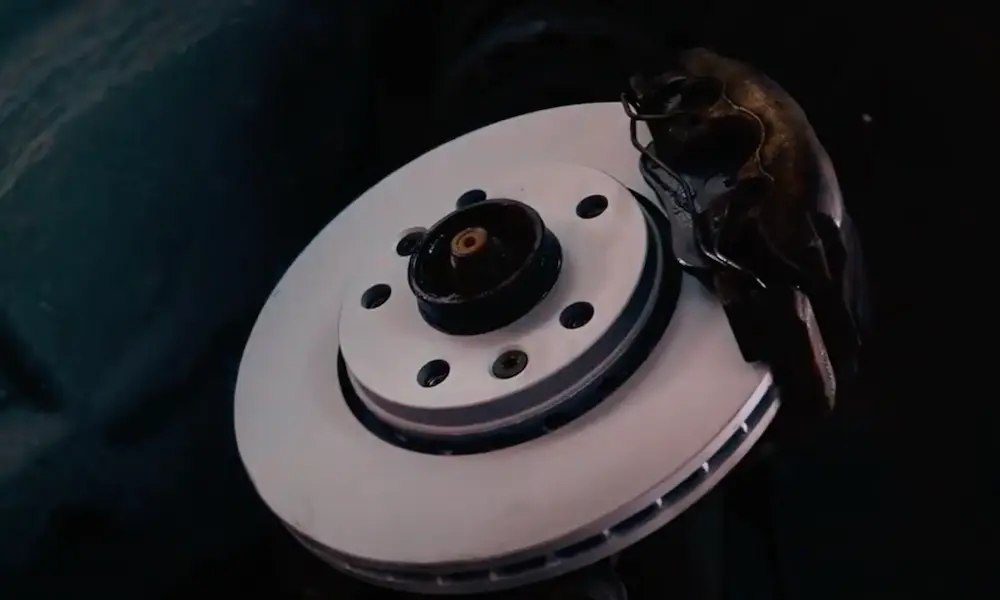
Blank (smooth) rotors are what come stock on most cars and trucks. They offer the maximum pad-contact surface area, which makes them excellent for single, hard panic stops. They’re quiet, durable, and the most budget-friendly option.
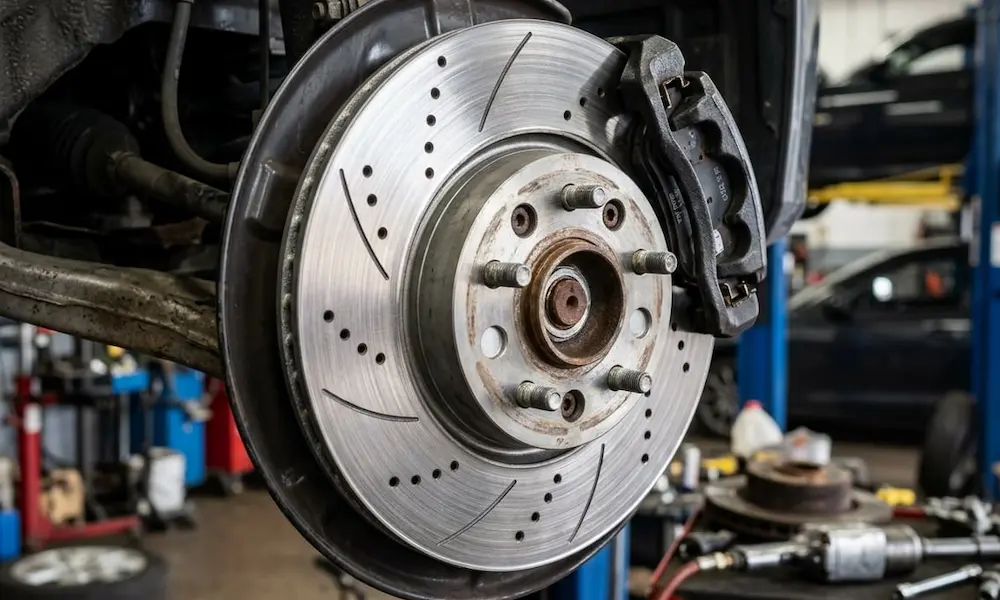
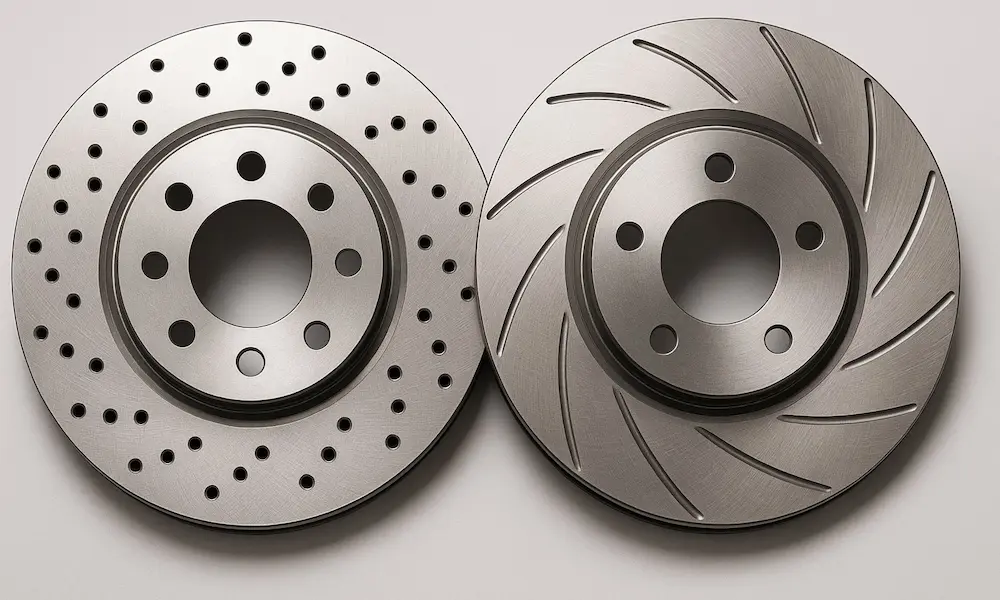
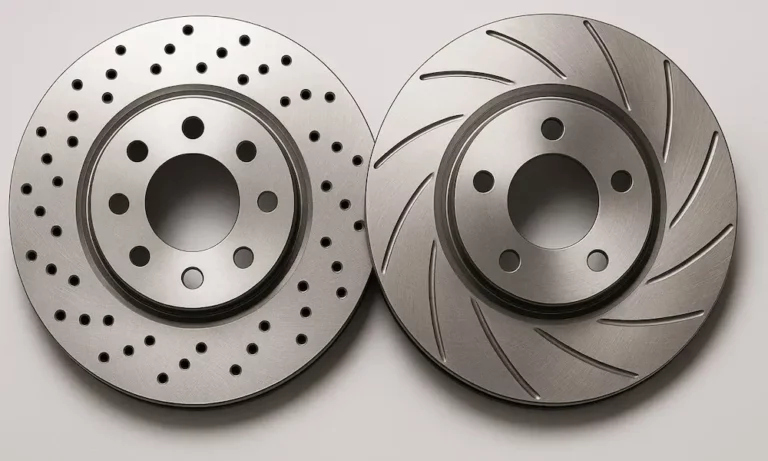
Drilled rotors have holes punched through the friction surface. The original reason was to vent gases from older brake pad compounds — a process called outgassing. Today’s semi-metallic and ceramic pads rarely outgas, so the main benefit has shifted to wet-weather performance and mild cooling.
Slotted rotors feature shallow machined grooves cut into the friction face. As the rotor spins, these slots constantly shave a micro-thin layer off the brake pad. This keeps the pad surface fresh and prevents glazing — a huge deal under repeated heavy braking.
| Rotor Type | Best For | Main Trade-Off |
|---|---|---|
| Blank (Smooth) | Daily commuting, budget builds | Limited cooling under sustained heat |
| Drilled | Wet climates, light performance | Prone to cracking under extreme heat |
| Slotted | Towing, mountain driving, track use | Faster pad wear (10–20% more) |
| Drilled + Slotted (Hybrid) | Street performance, aesthetics | Still vulnerable to stress cracks |
The Real Reason Drilled Rotors Can Crack
Here’s something the marketing photos don’t show you. Every hole in a drilled rotor is a stress riser — a point where heat and mechanical stress concentrate during braking. Cast iron expands when it heats up. When it cools unevenly, those stresses have to go somewhere.
Over thousands of heat cycles, tiny cracks form around the edges of the holes. Under normal street use, this isn’t a crisis. But if you’re hauling a trailer down a mountain pass or doing back-to-back hard stops on a track day, those cracks can propagate fast.
A failed rotor under the clamping pressure of a caliper can shatter — cutting hydraulic lines and wiping out braking on that wheel entirely. Quality manufacturers try to counter this by radiusing the hole edges, but the consensus among track enthusiasts and mechanics is clear: drilled rotors aren’t the right tool for extreme heat applications.
Slotted rotors avoid this problem entirely. Because the groove doesn’t penetrate through the disc, the structural wall stays intact.
Why Slotted Rotors Shine Under Pressure
The “cheese grater” effect of slotted rotors isn’t a flaw — it’s the whole point. Those slot edges continuously remove glazed pad material, keeping friction levels consistent even as temperatures climb into dangerous territory.
For anyone towing a boat, horse trailer, or loaded flatbed through the Rockies or the Sierra Nevada, this matters a lot. Standard rotors can fade badly on a 10-mile descent. Slotted rotors — especially paired with high-carbon discs that absorb heat more effectively — keep the braking sharp and predictable.
| Performance Factor | Slotted Rotor Advantage |
|---|---|
| Pad glazing | Slots scrape away hardened pad surface |
| Debris/gas removal | Grooves channel dust and gases away |
| Structural durability | No through-holes to initiate cracks |
| Consistent bite | Slot edges maintain mechanical grip |
The trade-off? Your pads wear out roughly 10–20% faster. Factor that into the cost equation before you buy.
Do Drilled Rotors Actually Help in the Rain?
Yes — and this is where drilled rotors earn their keep. When it’s raining hard, a thin water film builds up on a smooth rotor surface. When you first press the brake pedal, there’s a momentary delay while the pad pushes through that film.
Drilled rotors break up that water sheet immediately. Moisture evacuates through the holes the moment the pad makes contact. The result is faster initial bite — which can absolutely make a difference in stop-and-go traffic in Seattle or Portland.
If you live in a dry climate like Arizona or Nevada, this benefit is basically irrelevant to you.
Blank Rotors: Still the Smart Choice for Most Drivers
Don’t sleep on blank rotors. For the majority of American drivers — commuting on highways and surface streets at normal speeds — city and highway driving rarely pushes rotor temperatures above 400°F. That’s nowhere near the threshold where fade or glazing becomes a real concern.
Blank rotors last longer, expand and contract uniformly, and — crucially — they’re resurfaceable. A mechanic can put them on a lathe and shave a fresh friction surface for $20–$40. You can’t do that with drilled or slotted rotors. The interrupted surface causes the cutting bit to chatter, leaving a bad finish. Most shops won’t even attempt it — meaning performance rotors get replaced entirely every brake job.
What About EVs and Hybrid Vehicles?
Electric and hybrid vehicles use regenerative braking most of the time. The friction brakes might go weeks without real use. During that time, surface rust builds up on the rotor, and the pads can glaze from lack of contact.
When you suddenly need full braking power — say, for a panic stop — you want a clean rotor surface ready to grip. A slotted or dimpled-and-slotted rotor helps here. Each time the friction brakes do engage, the slots sweep surface rust off the disc, keeping everything ready for the moments that count.
The Cost Reality: What Are You Actually Paying?
Let’s talk numbers. Here’s a realistic price comparison using the Ford F-150 — the most popular vehicle in the US — as a reference point.
| Rotor Option | Price Per Unit | Resurfaceable? | Estimated Pad Life |
|---|---|---|---|
| Duralast Standard (Blank) | $73–$103 | Yes ($20–$40) | 50,000–70,000 miles |
| Duralast Gold (Coated Blank) | ~$110 | Yes | 50,000–70,000 miles |
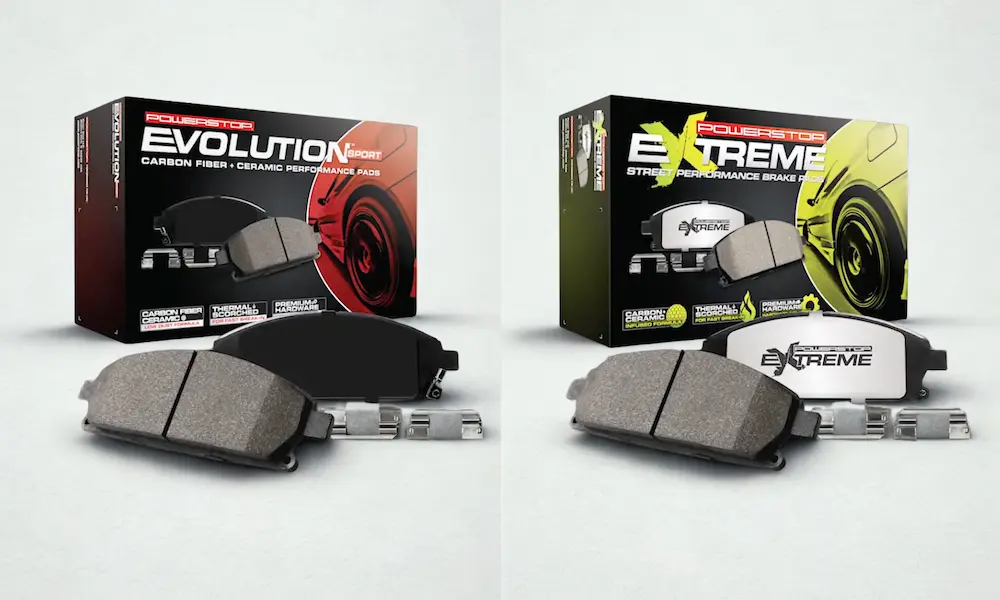
| PowerStop Z23 (Drilled/Slotted) | $140+ | No | 30,000–50,000 miles |
| Baer/Wilwood Performance | $180–$350 | No | 30,000–50,000 miles |
Performance rotors cost more upfront, wear pads faster, and can’t be resurfaced. Over the life of the vehicle, that gap widens significantly. For a truck owner who tows regularly, the safety benefit justifies it. For a Camry driver in the suburbs? The math doesn’t work in favor of the upgrade.
The “Just for Looks” Factor
Let’s be honest — a huge chunk of rotor upgrades happen because they look great behind open-spoke wheels. Cross-drilled rotors on a GTI, Civic Si, or Mustang GT? They scream Porsche and BMW M-series at a fraction of the price.
There’s nothing wrong with that reasoning, provided you stick to reputable brands like Brembo, PowerStop, or EBC. Cheap off-brand drilled rotors are exactly the ones that crack. Budget on the rotor itself isn’t the place to save money if you’re going for a performance look.
So Are Slotted and Drilled Rotors Worth It? Here’s the Verdict
It comes down to your specific situation:
- Daily commuter (sedan, crossover): Standard coated blank rotors are the right call. Save your money.
- Truck owner who tows regularly: Slotted rotors are a genuine safety upgrade worth every dollar.
- Mountain driving / long descents: Slotted or slotted-and-drilled rotors with high-carbon composition keep fade in check.
- Wet climate driver (Pacific Northwest): Drilled rotors give you a real improvement in rainy braking response.
- EV or hybrid owner: Slotted rotors help combat the rust and glazing that builds up from infrequent brake use.
- Performance enthusiast / track days: Slotted rotors are the gold standard. Skip the drilled versions — they won’t survive the heat.
- Upgrading for aesthetics: Go for a quality drilled-and-slotted hybrid from a trusted brand, and understand you’ll replace pads more often.
The upgrade isn’t automatically better or worse — it’s either the right tool or the wrong one for your specific situation. Match the rotor to how you actually drive, and you’ll get exactly what you paid for.