Yes, Jiffy Lube does brakes — but not at every single location. This post breaks down exactly what brake services they offer, what it costs, and whether it’s worth your time. Stick around to the end, because the warranty section alone could save you serious money.
Does Jiffy Lube Do Brakes at All Locations?
Short answer: no, not everywhere.
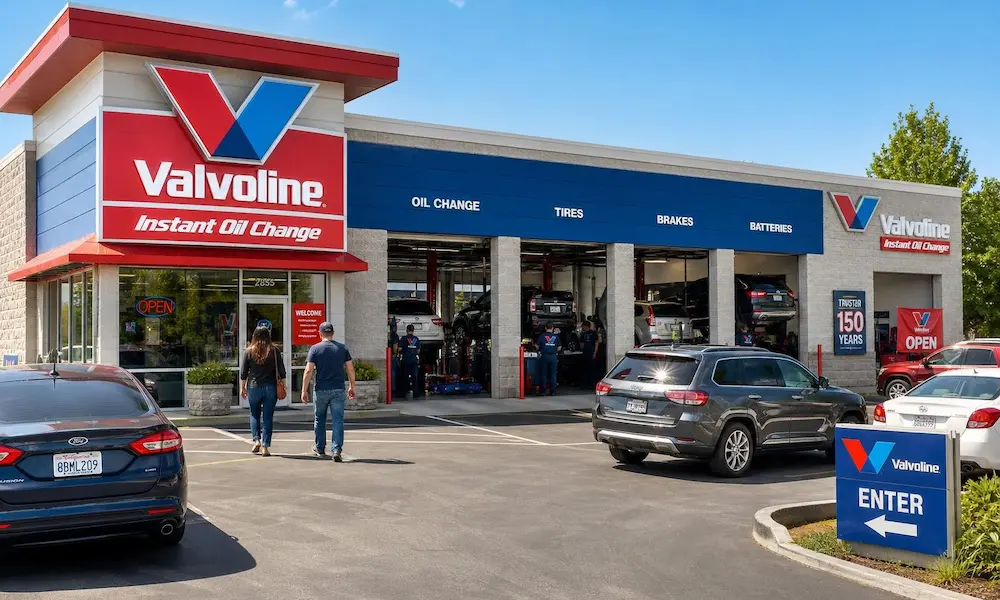
Jiffy Lube started as a quick oil change shop back in 1979. Since then, it’s grown into a full-service maintenance network with over 2,000 locations across the country. But not every location offers the same services.
Brake repairs fall under the Jiffy Lube Multicare program. Participating Multicare locations handle everything from brake inspections to full component replacements. Locations that haven’t joined this program stick to the basics — oil changes, filters, and fluid top-offs.
So before you pull in, use Jiffy Lube’s online estimate and location tool to confirm your nearest shop does brakes. It takes about 30 seconds and saves you a wasted trip.
What Brake Services Does Jiffy Lube Actually Offer?
Quite a lot, actually. Here’s what participating Multicare locations can handle:
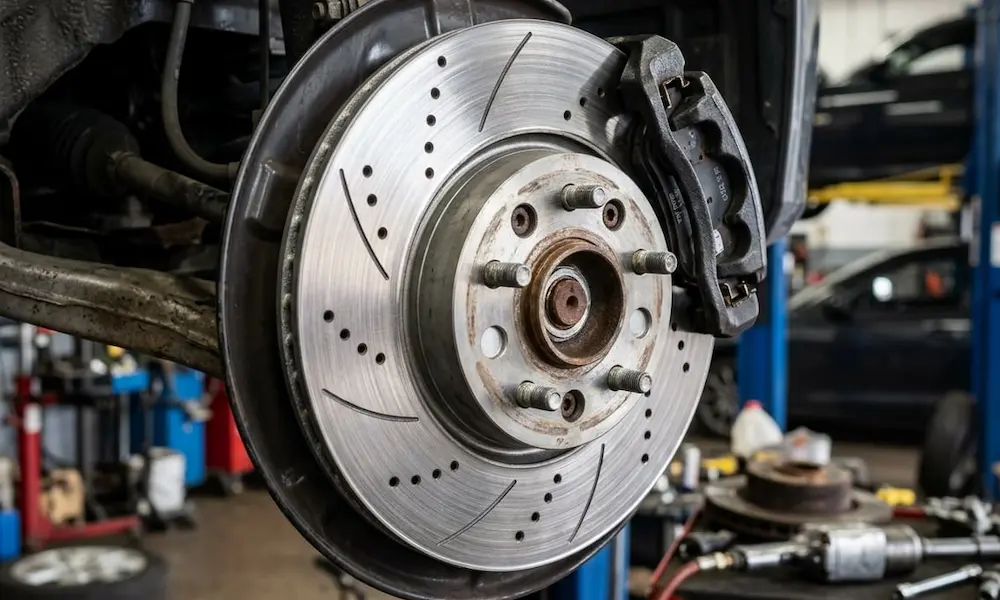
- Brake inspections — visual checks of pads, shoes, rotors, drums, and brake lines
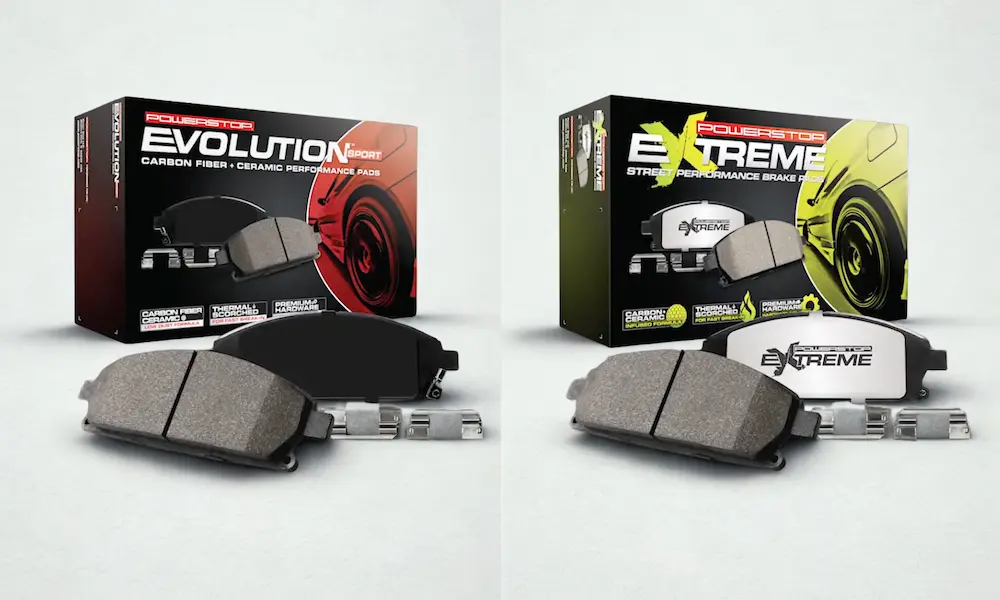
- Brake pad replacement — the most common repair
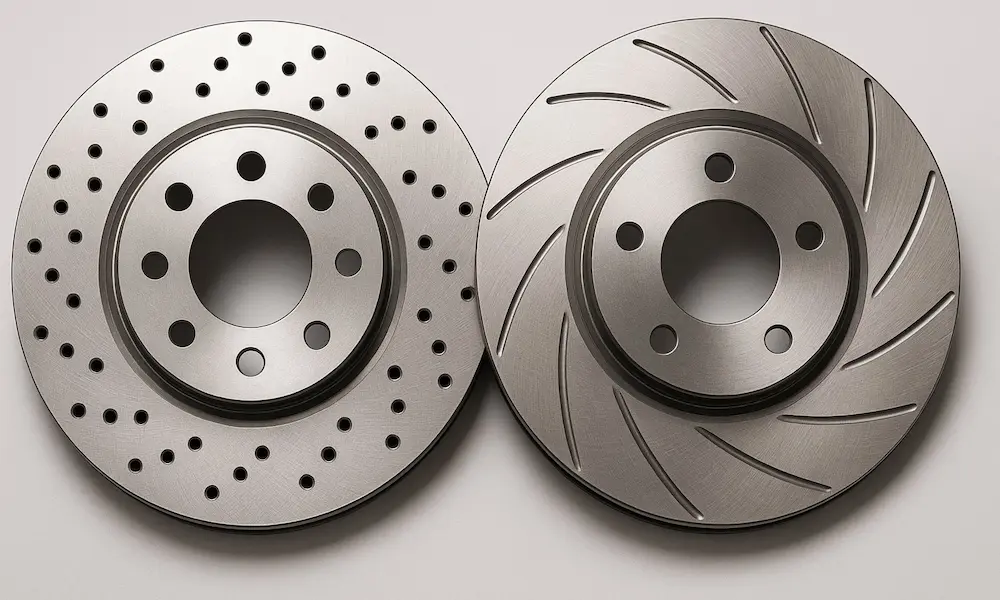
- Rotor and drum replacement or resurfacing
- Brake fluid exchange — not just a top-off, but a full flush
- Caliper and wheel cylinder replacement
- Master cylinder replacement
- ABS diagnostic checks
- Hardware kits — springs, clips, and pins that hold everything together
That covers the vast majority of brake problems the average driver will ever face.
What Happens During a Brake Inspection?
Technicians start with a visual inspection of the whole system. They measure pad thickness, check rotors and drums for warping, and look for cracks or leaks in the brake lines and hoses. They also check the master cylinder and the rubber hoses that carry brake fluid to the wheels.
After the inspection, you get a written report with their findings and recommendations. Jiffy Lube recommends getting a brake inspection at least once or twice a year — ideally when you get a tire rotation.
How Brake Checks Tie Into Your Oil Change
Here’s something most people don’t know. During a Jiffy Lube Signature Service Oil Change, technicians check your brake fluid level as a standard part of the process. If it’s low, they flag it immediately instead of waiting until your next visit. That small step can catch a slow leak or worn pads before they turn into a bigger (and more expensive) problem.
| Service Type | Key Procedures | Frequency |
|---|---|---|
| Standard Brake Inspection | Pads, shoes, rotors, drums, lines, friction measurement | Every 12,000 miles or with tire rotation |
| Comprehensive Evaluation | Test drive, ABS diagnostic, full hydraulic stress test | When you notice noises, vibration, or spongy pedal |
| Oil Change Brake Check | Fluid level check, visual overview of external components | Every 3,000–5,000 miles |
Brake Fluid: Why It Matters More Than You Think
Most drivers never think about brake fluid until something goes wrong. That’s a mistake.
Brake fluid transfers force from your foot to your brakes. It works under extreme pressure, and when it degrades, your stopping power drops with it.
The Moisture Problem
Most vehicles use glycol-based brake fluid, which is hygroscopic — meaning it naturally pulls moisture from the surrounding air over time, even in a closed system. That moisture has two nasty effects:
- It lowers the boiling point of the fluid. Under hard braking, heat builds up fast. Moisture turns to gas, which is compressible — and suddenly your pedal feels soft and your stopping distance increases.
- It causes internal corrosion. This is especially bad for ABS systems, which contain precision valves and sensors that hate rust and debris.
What the Brake Fluid Exchange Involves
A Jiffy Lube Brake Fluid Exchange isn’t just a top-off. Technicians test the fluid for moisture content and additive strength. If it’s contaminated, they drain the old fluid and refill the entire system with fresh fluid that meets your vehicle manufacturer’s spec — typically DOT 3, DOT 4, or DOT 5.1. Old fluid gets disposed of properly, not dumped down a drain.
Brake Pad and Rotor Replacement: What to Expect
Brake Pads
Pad replacement is the most common brake job. Jiffy Lube services virtually every make and model, including vehicles with electronic wear sensors.
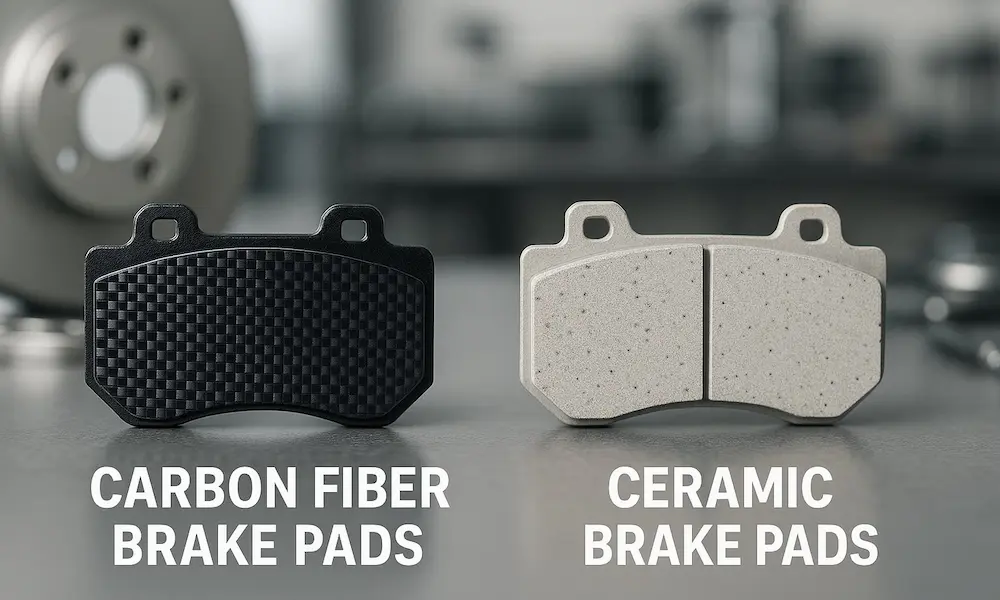
You have three main pad material options:
- Ceramic — quiet, low dust, great for everyday driving
- Semi-metallic — better heat dissipation, ideal for heavier vehicles or performance use
- Organic — budget-friendly, softer on rotors, wears faster
Jiffy Lube recommends parts that meet or exceed OEM specs. Don’t let anyone talk you into cheap pads on a vehicle that’s carrying your family.
Rotors and Drums
New pads on worn rotors cause vibration and cut pad life in half. That’s why Jiffy Lube recommends replacing rotors alongside pads when the job calls for it.
If the rotors still have enough material but have surface irregularities, technicians can resurface them using a lathe. If they’re too thin or warped, full replacement is the move.
| Component | Function | Signs of Failure |
|---|---|---|
| Brake Pads | Creates friction to stop the wheel | Squealing, grinding, thin profile |
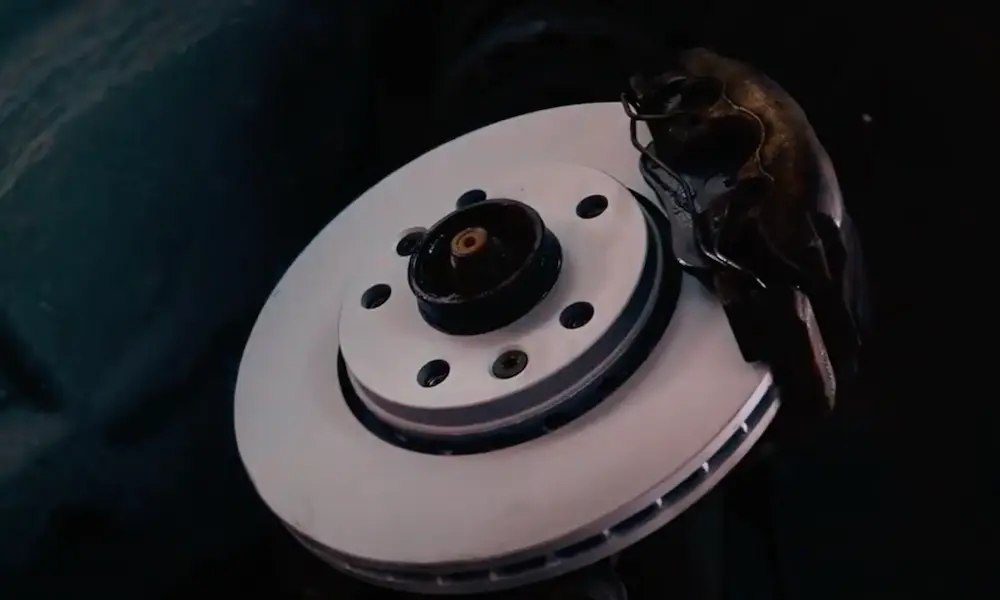
| Rotors | Disc the pads press against | Steering wheel vibration, pulsating pedal |
| Calipers | Hydraulic clamp that squeezes the pads | Pulling to one side, fluid leaks |
| Master Cylinder | Sends hydraulic pressure to all four wheels | Pedal sinks to floor, brake warning light |
| Brake Lines | Carries fluid from cylinder to wheels | Wet spots under the car, loss of pressure |
How Much Does Brake Service Cost at Jiffy Lube?
Brake work isn’t one-size-fits-all pricing. Several factors affect what you’ll pay:
- Vehicle make and model — European brands like BMW and Audi cost more to service than domestic or Japanese vehicles
- Vehicle size and weight — a diesel truck needs bigger components than a compact car
- Drivetrain — AWD and 4WD vehicles often have more complex setups that take more labor
- Pad material — ceramic costs more upfront but lasts longer
- Local labor rates — vary by market
As a general ballpark, brake service typically runs $200–$500 per axle. A full job with pads, rotors, and calipers can reach $800 depending on your vehicle.
To get a starting price for your specific car, use Jiffy Lube’s online estimator. Enter your year, make, model, and engine size — or your VIN. The final price gets confirmed in person after a technician measures your actual pad and rotor condition. No surprises, and no repairs happen without your approval.
The Warranty That Most People Don’t Know About
This is the part that sets Jiffy Lube apart from your neighborhood brake shop.
Jiffy Lube offers a Nationwide Limited Repair Warranty on brake services. Here’s how it works:
- Standard brake repairs: parts covered for 24 months or 24,000 miles; labor covered for 12 months or 12,000 miles
- Brake system overhauls (calipers, wheel cylinders): often includes a lifetime warranty on friction parts like pads and shoes
- Electronic systems (ABS, stability control): 12 months or 12,000 miles
How to Use the Warranty
- Within 25 miles of the original shop: return to that location
- More than 25 miles away: call the centralized Warranty Administrator, and they’ll direct you to the nearest covered location
- What you need: your original repair invoice with the date and odometer reading
The warranty is non-transferable and applies only to personal vehicle use — not commercial. Keep that invoice.
Who’s Actually Working on Your Brakes?
Jiffy Lube runs an internal training program called Jiffy Lube University — and it’s the only quick-lube provider with ASE Accredited Training Provider status. That’s a real credential, not marketing fluff. The program is recognized by the American Council on Education for college credit.
For Multicare locations, the bar is even higher. Brake repair technicians need at least two years of automotive repair experience. More importantly, every Multicare location must have at least one ASE A5 Brakes-certified technician overseeing brake work. Franchise groups with multiple locations must maintain a ratio of one certified technician per five centers.
That’s a real quality control structure — not just a sticker on the window.
Warning Signs You Shouldn’t Ignore
Your car will tell you when something’s wrong. Listen to it.
- Squealing or chirping — the wear indicator on your pads is doing its job; time for an inspection
- Grinding — metal-to-metal contact; you’re past the point of just replacing pads
- Steering wheel shaking — warped rotors; you’ll feel this most when braking at highway speeds
- Spongy pedal — air or moisture in the hydraulic lines; get it checked immediately
- Brake warning light or ABS light — don’t wait on this one; these warning lights signal potential system failures that affect your ability to stop
The most expensive brake repair is always the one you waited too long to make. Catching worn pads early costs a fraction of replacing pads, rotors, and calipers all at once.
| Warning Sign | Probable Cause | Next Step |
|---|---|---|
| High-pitched squeal | Low pad thickness | Brake pad replacement |
| Grinding sound | Metal-to-metal contact | Pad and rotor/drum replacement |
| Steering wheel shakes | Warped rotors | Rotor machining or replacement |
| Spongy brake pedal | Moisture or air in hydraulic system | Brake fluid exchange |
| Brake warning light | Hydraulic pressure loss or electronic fault | Full inspection and ABS diagnostic |
Is Jiffy Lube a Good Place to Get Brakes Done?
If you’re at a Multicare location with certified technicians, yes. The service range is solid, the warranty is genuinely useful, and the no-appointment model makes it easy to get it done without blocking off a whole day.
The key is confirming your location participates in the Multicare program before you show up. Use the online estimator to check availability and get a ballpark price. Then go in, let them do the inspection, and make your decision after seeing the written evaluation.
Your brakes are the one system on your car you absolutely cannot ignore. Getting them checked at least once a year isn’t being cautious — it’s just being smart.