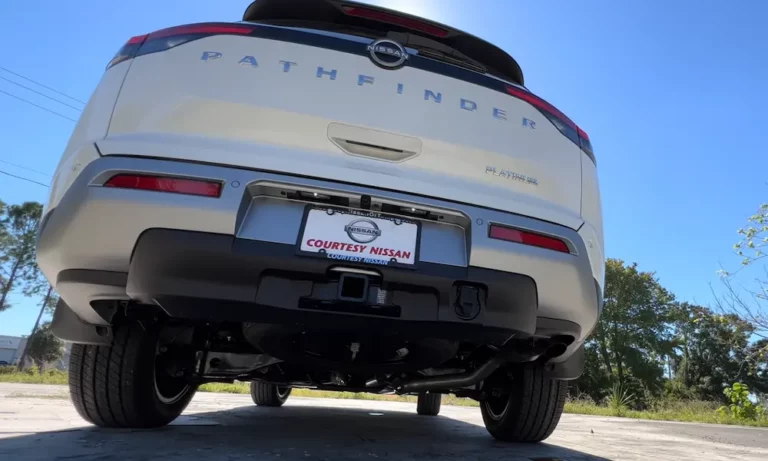
Picking the right Nissan Pathfinder year can save you thousands — or cost you a transmission. This guide breaks down every generation, highlights the best and worst years, and tells you exactly what to look for. Stick around to the end, because the worst offenders might surprise you.
How the Pathfinder Has Changed Over Nearly 40 Years
The Pathfinder has flip-flopped more than most SUVs. It’s switched between body-on-frame and unibody construction multiple times, gone from rugged truck-based workhorse to family crossover, and back again. Each pivot brought new strengths — and new headaches.
Here’s the full generational picture before we dig into the details:
| Generation | Years | Platform | Reliability Rating |
|---|---|---|---|
| First (WD21) | 1987–1995 | Body-on-Frame | Moderate (Age/Rust) |
| Second (R50) | 1996–2004 | Unibody | High (Engines) / Low (Rust) |
| Third (R51) | 2005–2012 | Body-on-Frame | Low (Early) / High (Late) |
| Fourth (R52) | 2013–2020 | Unibody | Low (CVT Issues) |
| Fifth (R53) | 2022–Present | Unibody | Very High (Provisional) |
First Generation (1987–1995): The WD21 — Tough but Rusty
The original Pathfinder launched in 1987 as a two-door truck-based SUV built on the Nissan Hardbody pickup platform. It was honest, capable, and tough — exactly what buyers wanted before “crossover” became a thing.
Nissan added a four-door version in 1990, which made it far more practical for families. That same year, the V6 engine swapped throttle body injection for multi-point fuel injection, bumping horsepower to 153. By 1994, the dashboard got a curves-forward redesign that felt more modern.
Common WD21 problems to watch for:
- Severe chassis rust, especially in salt-belt states
- Exhaust manifold bolts that shear off and cause nasty leaks
- Automatic transmission slippage at surprisingly low mileages
If you’re shopping a WD21, the five-speed manual is a smarter long-term bet than the automatic. These trucks can still be reliable daily drivers — if you find a clean one that hasn’t been eaten by rust.
Second Generation (1996–2004): The R50 — Great Engine, Risky Structure
In 1996, Nissan went unibody with the R50 generation. Ride quality improved dramatically, and the aerodynamics got sharper. The big story, though, came in 2001: the introduction of the 3.5-liter VQ35 V6, one of the most celebrated engines in Nissan’s history.
| Year Range | Engine | Horsepower | Key Highlight |
|---|---|---|---|
| 1996–2000 | 3.3L V6 | 168 hp | Unibody comfort |
| 2001–2004 | 3.5L VQ35 | 250 hp | Award-winning engine |
The 2004 model year is the sweet spot here. It got nearly a decade of platform refinements plus the proven VQ35. Automotive experts consistently rate it as one of the most dependable Pathfinders ever built.
But here’s the catch. R50 models from northern states are prone to strut tower corrosion. Moisture and road salt collect in the front wheel wells, rot through the strut towers, and can cause sudden loss of steering control. That’s not a “fix it later” problem — that’s a safety emergency.
R50 models also fell under the Takata airbag recall. Before buying any used R50, confirm the recall work was completed at a dealership.
Best R50 year: 2004
Years to approach carefully: 1999–2002 in salt-belt states
Third Generation (2005–2012): The R51 — Powerful, but Watch the Transmission
Nissan went back to body-on-frame for 2005. The R51 was bigger, stronger, and for the first time offered three rows of seating. The standard 4.0-liter V6 produced 266 horsepower, and the 2008 model year added an optional 5.6-liter V8 with 310 horsepower and 7,000-pound towing capacity.
| Spec | R51 V6 | R51 V8 |
|---|---|---|
| Engine | 4.0L | 5.6L |
| Horsepower | 266 hp | 310 hp |
| Torque | 288 lb-ft | 388 lb-ft |
| Tow Capacity | 6,000 lbs | 7,000 lbs |
On paper, this generation looks great. In reality, the 2005–2010 models carry a serious mechanical risk.
The Infamous “Strawberry Milkshake of Death” (SMOD)
The radiator’s internal oil cooler tube cracked on many R51 models, letting engine coolant mix with automatic transmission fluid. The resulting pink, milky sludge destroyed transmission internals and electronic control modules.
What made it worse? It typically happened just after the warranty expired — around 90,000 miles. Repair bills ran from $3,500 to $6,000. Nissan eventually extended warranties and redesigned the radiator for 2011 and 2012 models.
Other R51 issues include:
- Premature timing chain guide wear (listen for a rattling or whining from the front of the engine)
- Faulty fuel level sensors triggering check engine lights
- Failing ECM relays causing unexpected stalling
Best R51 Years: 2011 and 2012
These final two years use the redesigned radiator and benefit from nearly a decade of platform improvements. A clean 2011 or 2012 with documented maintenance history is one of the best used Pathfinder buys on the market today.
If you’re looking at a 2005–2010 R51, verify the radiator has been replaced with an updated unit — or that an external transmission cooler bypass has been installed. Don’t skip this step.
Fourth Generation (2013–2020): The R52 — Efficient, but the CVT is a Gamble
The R52 moved back to unibody and introduced a Continuously Variable Transmission (CVT) alongside the 3.5-liter V6. Fuel economy jumped 30%, hitting an EPA-estimated 27 mpg highway. The clever EZ Flex seating let parents access the third row even with a car seat installed — a genuinely useful feature.
For 2017, Nissan added direct injection to the engine, bumping output to 284 horsepower and increasing towing to 6,000 pounds.
| Years | Engine | HP | Safety/Tech Highlight |
|---|---|---|---|
| 2013–2016 | 3.5L V6 | 260 hp | EZ Flex Seating |
| 2017–2020 | 3.5L V6 DI | 284 hp | Standard Emergency Braking |
| 2019–2020 | 3.5L V6 DI | 284 hp | Rear Door Alert |
The CVT Problem
The Jatco CVT units in these vehicles were plagued by juddering, slipping, and outright failure at low mileages. Overheating was the root cause — when the fluid broke down, the transmission lost the hydraulic clamping pressure it needed to function. Multiple class-action lawsuits followed.
The 2013 and 2014 models drew the highest complaint volumes, with many owners reporting multiple transmission replacements before hitting 100,000 miles.
Additional R52 headaches:
- 2013–2014 models had rare cases of sunroof glass shattering unexpectedly
- 2015 models saw frequent A/C compressor and cooling fan failures
- 2017 models brought frozen nav screens and unresponsive backup cameras
Best R52 Years: 2018–2020
If you need a modern family crossover on a budget, the final three years of the R52 offer the best balance. The CVT software had been revised, the 284-horsepower engine was in place, and safety features like blind-spot monitoring and adaptive cruise came standard on most trims. Just make sure you can document the transmission service history before buying.
CVT maintenance tip: Ignore anyone who calls CVT fluid “lifetime.” Changing it every 30,000–50,000 miles significantly extends the unit’s life by maintaining hydraulic pressure and preventing overheating.
Fifth Generation (2022–Present): The R53 — The Real Comeback
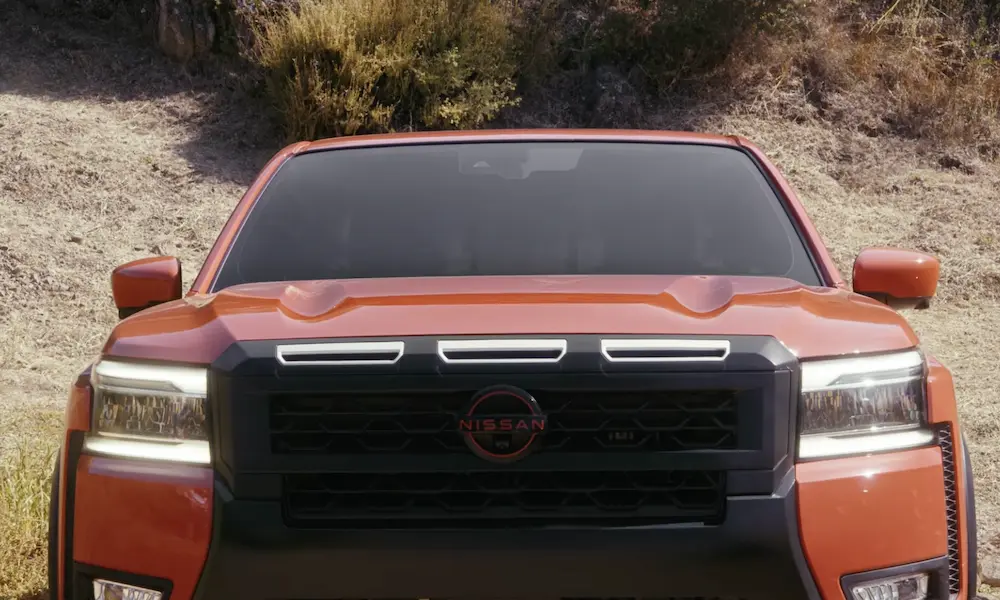
Nissan skipped 2021 entirely and came back swinging. The R53 looks like the original WD21 — squared-off, purposeful, and clearly not trying to blend into a parking lot. More importantly, Nissan ditched the CVT and replaced it with a ZF nine-speed automatic transmission. That single decision fixed the Pathfinder’s biggest problem overnight.
| Trim | Key Features | Seating |
|---|---|---|
| S | Safety Shield 360, 8-inch touchscreen | 8 |
| SV | ProPilot Assist, heated front seats | 8 |
| SL | 360-degree camera, 9-inch screen | 7 or 8 |
| Rock Creek | Lifted suspension, all-terrain tires | 7 |
| Platinum | Digital dash, quilted leather, HUD | 7 or 8 |
The seven drive modes — including sand, mud, and ruts settings — restored real off-road capability. The Rock Creek trim adds a 5/8-inch suspension lift and 18-inch beadlock-style wheels, with a small power bump to 295 horsepower on premium fuel.
On the safety front, the 2024 Pathfinder earned IIHS Top Safety Pick+ for vehicles built after November 2023. The full IIHS rating breakdown shows top marks across key crash categories, including updated rear-seat passenger protection testing.
Technology hits a new level too — 12.3-inch digital dashboard, wireless smartphone connectivity, and a ProPilot Assist system that reads navigation data to slow the car before curves automatically.
So, What’s the Actual Best Year for Nissan Pathfinder?
Here’s the straight answer broken down by what you’re after:
Best new buy: 2024–2025
No CVT. Strong safety scores. Full modern tech suite. The transmission problem that haunted the brand for a decade is gone. This is the definitive choice if your budget allows it.
Best used buy for rugged reliability: 2011–2012
These are the golden years of the body-on-frame era. The SMOD radiator defect was fixed, the V6 and V8 options are both strong, and the five-speed automatic transmission holds up well at high mileage.
Best budget family option: 2018–2020
You get the updated engine, revised CVT software, solid safety ratings, and modern features at a steep depreciation discount. Document the transmission service history carefully.
Years to Avoid — And Why
Don’t let a good deal on these years lure you in:
2005–2007 — These are the highest-risk SMOD years. Unless you can verify the radiator was replaced and the transmission has a clean bill of health, walk away. Repair costs frequently exceeded $5,000.
2013–2014 — The early CVT years drew the most complaints of any modern Pathfinder. Multiple transmission failures before 100,000 miles aren’t unusual. Industry analysts broadly agree: skip them.
1999–2002 (in salt states) — The VQ engine is excellent, but strut tower rot can make these structurally dangerous. Repair costs often exceed the car’s value. Only consider these if you’re in a dry climate and can get a thorough inspection done.
Common Diagnostic Codes Worth Knowing
If you own a Pathfinder or you’re inspecting a used one, these codes come up often:
- P0101 — Usually a dirty mass airflow sensor. Clean it before buying parts.
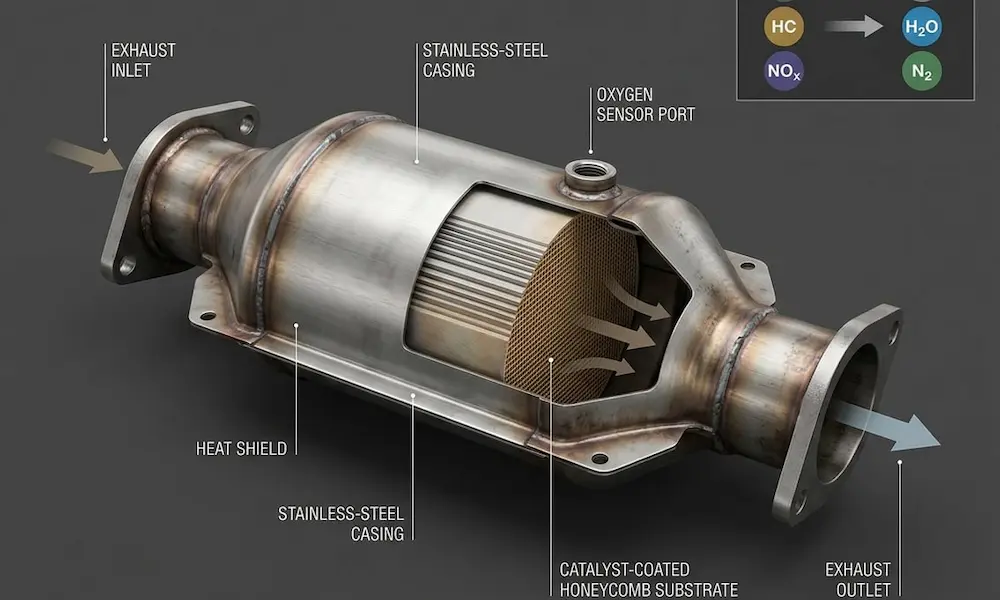
- P0420/P0430 — Catalytic converter efficiency fault. Could be a bad oxygen sensor or exhaust leak before you blame the converter.
- P0300 — Random misfire. On older models, worn spark plugs or failing ignition coils are the usual cause. Replace them as a set.
Understanding these codes saves you from unnecessary shop visits and gives you negotiating power when buying used.
The Nissan Pathfinder’s nearly 40-year history reads like a reliability rollercoaster — but the peaks are genuinely excellent. Focus on the right years, avoid the known trouble spots, and you’ll get a capable, versatile SUV that earns its keep for years to come.