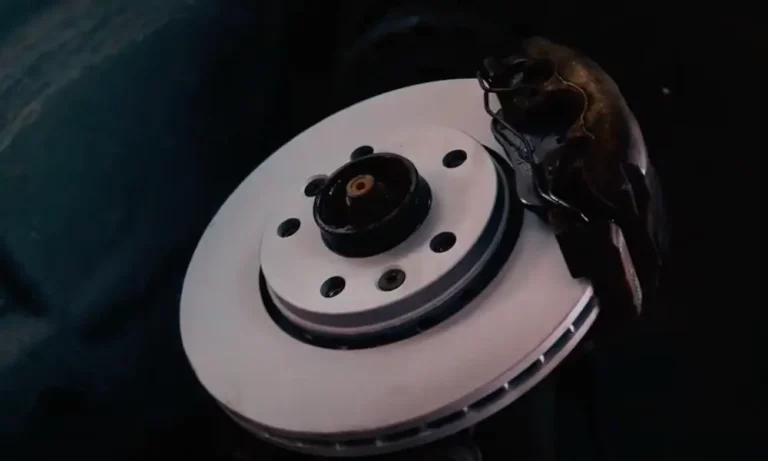
Brake repair can cost anywhere from $80 to $800+ depending on where you go. That’s a massive gap — and most drivers overpay without realizing it. This guide breaks down every option, from DIY to dealerships, so you can find the cheapest place to get brakes done without gambling with your safety. Read to the end — the savings add up fast.
What You’re Actually Paying For When You Get Brakes Done
Before hunting for the best price, you need to know what’s on the bill.
A standard brake job covers:
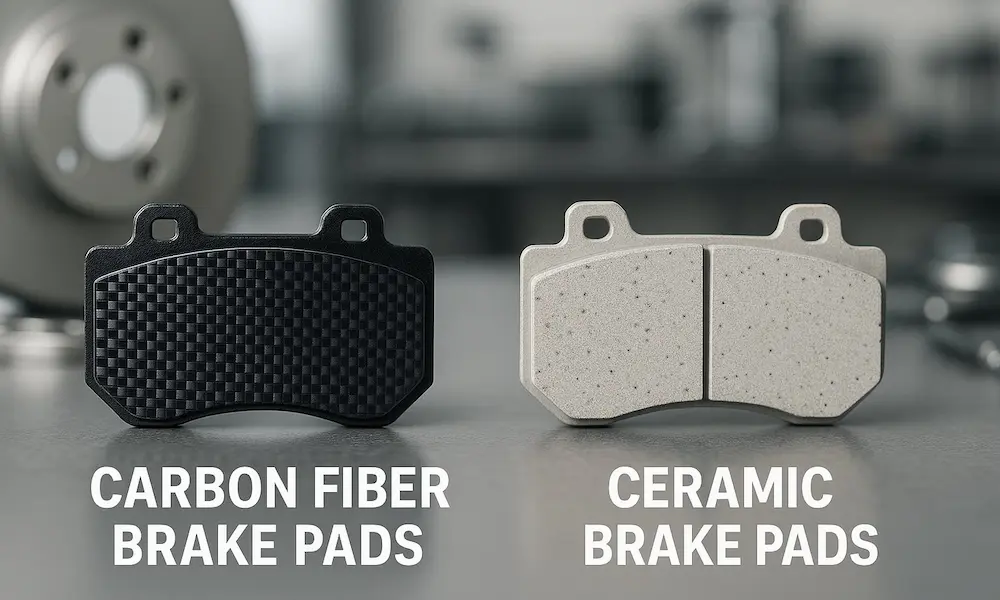
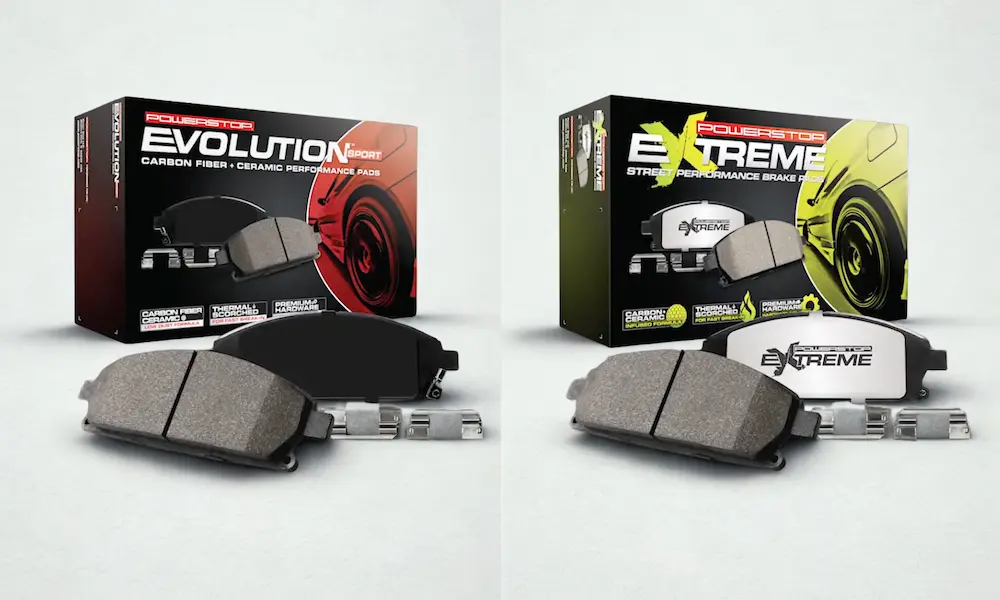
- Brake pads — the main wear item, replaced every 25,000–70,000 miles
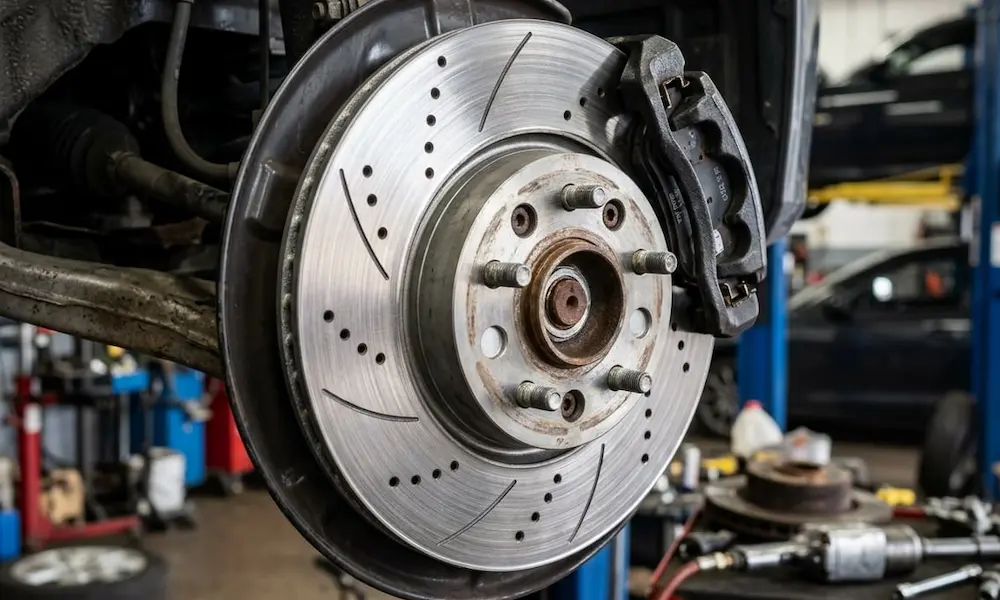
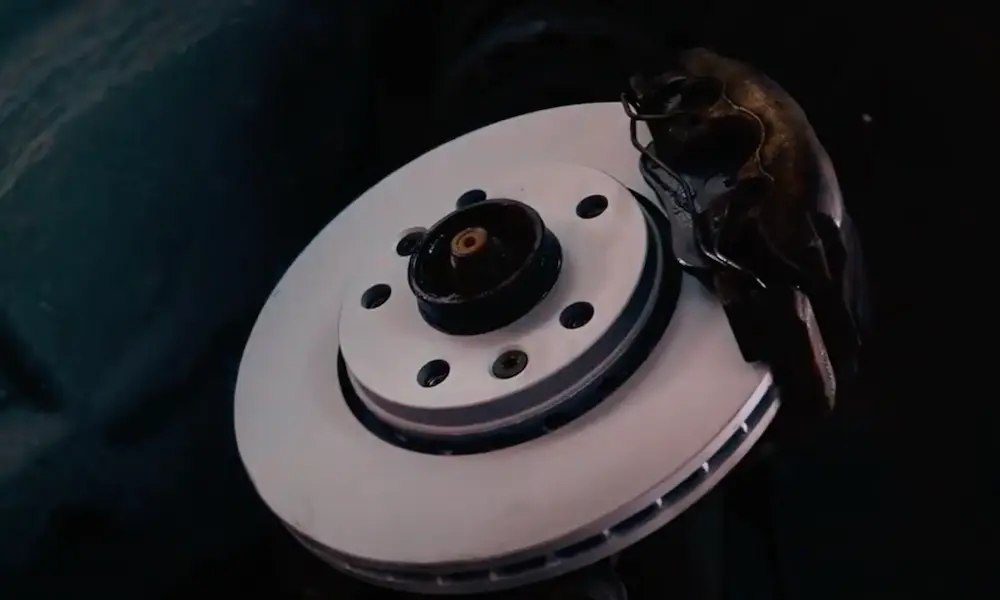
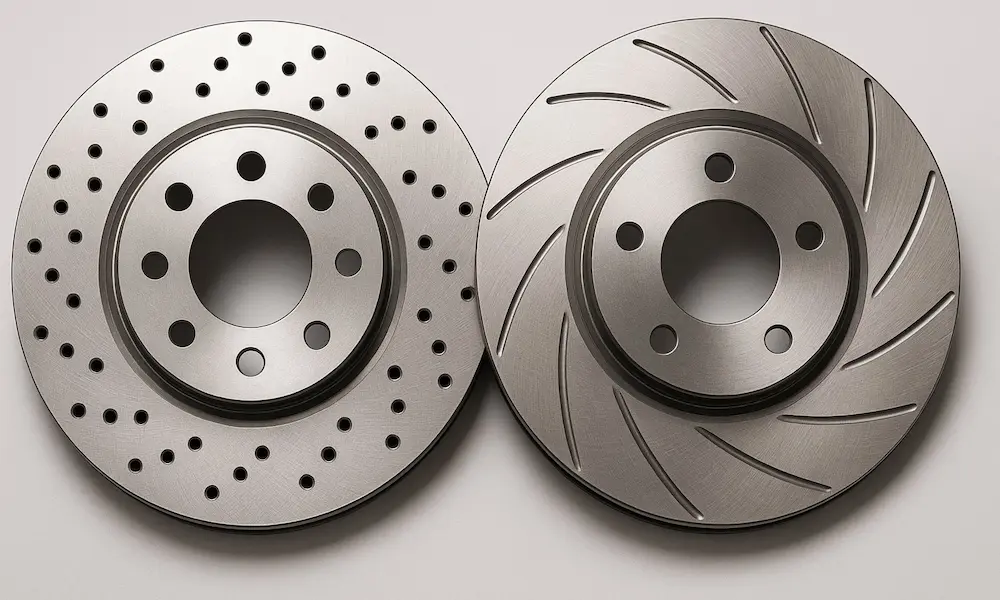
- Rotors — the metal discs your pads clamp against; they may need resurfacing or full replacement
- Labor — often 50%+ of your total invoice
- Optional extras — brake fluid flush, caliper service, hardware clips
Labor rates vary wildly by state, ranging from $85/hour in rural southern states to $200+/hour in California. That single variable can double your bill depending on your zip code.
Brake Repair Costs by Vehicle Type
Your car’s size and weight directly determine what parts cost. Bigger vehicle = bigger brakes = bigger bill.
| Vehicle Type | Pads Only (Per Axle) | Pads + Rotors (Per Axle) |
|---|---|---|
| Economy/Compact (Civic, Corolla) | $120–$220 | $250–$450 |
| Midsize Sedan/Crossover (Camry, Accord) | $150–$280 | $300–$550 |
| Full-Size Truck/SUV (F-150, Silverado) | $180–$350 | $350–$650 |
| Luxury/European (BMW, Audi, Mercedes) | $250–$500 | $500–$900 |
| Heavy-Duty Diesel Trucks (F-350, RAM 3500) | $250–$450 | $500–$850 |
Luxury vehicles hurt the most. Their parts are often locked to OEM supply chains, and many require new electronic wear sensors every time you swap pads — that’s extra cost per wheel.
The Cheapest Place to Get Brakes Done: Every Option Ranked
1. Vocational Schools and Trade Programs (Lowest Cost for Professional Work)
This is the single cheapest place to get brakes done professionally. Automotive programs at community colleges, vocational high schools, and tech centers need real cars for students to practice on.
Here’s the deal: you supply the vehicle, they supply the supervised labor — often for free or close to it. You typically pay only for parts, sometimes at a wholesale discount because the school buys in bulk.
According to drivers who’ve used this option, the savings run 50–80% below standard shop rates. A brake job that costs $400 at a chain store might run $80–$120 here.
The catch: It’s slow. A repair that takes a pro mechanic 90 minutes might take students several days. These programs run on academic schedules — no weekends, no holidays. But if you’ve got a second car or flexible time, this option is hard to beat.
Programs like Jumpstart Automotive and Vehicles for Change operate non-profit training centers with similar models. You get deep savings while supporting workforce development programs. That’s a genuine win-win.
2. DIY Brake Replacement (Cheapest Possible, But Risky)
If you’re mechanically confident, doing it yourself eliminates labor entirely — which is often more than half the bill. Brake pads run $35–$150 per axle at AutoZone, and rotors typically cost $30–$75 each. A full front axle job can come in under $150 in parts.
But DIY brake work carries real risk. Improper brake repairs contribute to mechanical failures that cause crashes. Mistakes that cost you include:
- Skipping caliper lubrication → uneven pad wear, early failure
- Leaving air in brake lines → spongy pedal, reduced stopping power
- Under-torqued caliper bolts → catastrophic component detachment while driving
- Ignoring electronic parking brakes → modern vehicles need an OBD-II scanner to retract electronic calipers before removal; forcing them destroys the internal motor
You also need tools: a hydraulic floor jack, jack stands, torque wrench, caliper compression tools, and a micrometer to measure rotor thickness. Starting from scratch, tool costs can easily exceed one professional brake job.
Bottom line: DIY works well for experienced home mechanics working on older, simpler vehicles. For newer cars with electronic systems, it’s a higher-stakes gamble.
3. Mobile Brake Repair Services (Great Value + Maximum Convenience)
Mobile mechanics have disrupted the traditional repair model — and your wallet benefits. Services like NuBrakes, Brakes To Go, Direct Brakes, and Wrench send certified technicians to your driveway or parking lot.
Their secret is simple: no building, no waiting room, no commercial rent. Those savings get passed on to you. Mobile brake services typically charge $107–$300 per axle for pad replacement. For full pad and rotor jobs, mobile mechanics undercut dealerships by up to 40%.
Real example: Direct Brakes prices a front pad and rotor replacement at $275–$375, while local dealerships charge up to $470 for the same job.
Beyond price, there’s a hidden financial benefit: no towing fees. If your brakes are grinding badly and your car isn’t safe to drive, mobile service eliminates the need for a $100+ tow to a shop.
The limitation: truly complex hydraulic repairs or heavy rust removal still need a traditional shop. But for standard pad and rotor replacements, mobile services deliver excellent value.
4. Independent Auto Repair Shops (Best All-Around Value)
Local, family-owned shops are the backbone of American auto repair — and consumer satisfaction surveys consistently show they outperform chains and dealerships on price, trust, and repair quality.
Typical pricing at an independent shop:
- Pads only: $150–$300 per axle
- Pads + rotors: $300–$550 per axle
Why are they cheaper than chains? No franchise fees, no corporate marketing budgets, and complete freedom to source quality aftermarket parts instead of expensive OEM components. A dealership is contractually locked into manufacturer parts that often cost twice as much as equally safe alternatives.
The owner is usually on-site. Their reputation lives or dies by word-of-mouth. That creates a strong incentive to be honest about what your car actually needs — rather than padding the invoice to hit a corporate quota.
For most drivers with out-of-warranty vehicles, a trusted independent shop is the smartest long-term play.
5. National Chains (Proceed With Caution)
Chains like Midas, Meineke, Firestone, and Pep Boys use aggressive coupons to get you through the door. Those deals are real — but they’re also bait.
Here’s what the national chains charge before upselling kicks in:
| National Chain | Pads Only (Per Axle) | Pads + Rotors (Per Axle) | Notes |
|---|---|---|---|
| Meineke | $130–$300 | $345–$500 | Pricing varies by franchise owner |
| Firestone | $130–$240 | $345–$470 | Lower prices assume rotors can be resurfaced |
| Midas | $200–$219 | $350–$400 | Additional shop fees apply |
| Pep Boys | $209–$250 | $350–$435 | Includes extended labor warranty |
| Christian Brothers | N/A | $380–$450 | Mandates full rotor replacement every time |
Service advisors at these locations are often paid on commission. A $150 coupon special frequently becomes a $600 invoice after rotor replacements, caliper rebuilds, and fluid flushes get added on.
How to actually save at a chain: Get a written estimate from an independent shop first. Chains like Firestone, Pep Boys, and Car Care Central offer price match guarantees. Show them the lower quote, decline every upsell, and you can occasionally land a solid deal — with professional installation and a warranty.
6. Dealerships (Most Expensive Option)
Dealerships charge $250–$450 per axle for pads alone, and $450–$800+ when rotors are included. That pricing reflects massive overhead: prime real estate, luxury waiting lounges, loaner fleets, and mandatory OEM parts that cost twice as much as aftermarket alternatives.
In previous decades, dealerships held a monopoly on advanced diagnostic equipment. Independent shops have largely closed that gap by investing in factory-level diagnostic software.
When does a dealership make sense?
- Your vehicle is still under factory warranty
- There’s an active manufacturer safety recall
- You drive a modern EV or hybrid that requires proprietary software to recalibrate regenerative braking
For a standard out-of-warranty brake replacement on a conventional car? Skip the dealership.
Don’t Get Upsold: Know What You Actually Need
Regardless of where you go, these tactics protect your wallet.
Ask for the rotor measurement. If your pads still had material left when you brought the car in, your rotors might be fine. Ask the technician for the exact micrometer reading. If the thickness sits above the manufacturer’s minimum spec and there’s no deep grooving or warping, resurfacing on a lathe costs far less than full replacement. If you hear metal-on-metal grinding, that’s different — replacement is then a safety requirement, not an upsell.
Decline unnecessary caliper replacement. Calipers are built to outlast multiple sets of pads and rotors. Don’t replace them unless there’s visible fluid leakage, a seized piston, or the car pulls hard to one side when braking.
Check your owner’s manual on brake fluid. A fluid flush is legitimate maintenance — but manufacturers typically recommend it every 2–3 years, not at every brake job. If you had a flush 8 months ago, you don’t need another one today.
Read lifetime warranty fine print carefully. Chains like Midas offer “lifetime” brake pad guarantees that sound amazing. In practice, the free pads come with full-price labor, rotor fees, and shop charges every time you return. It’s not free — it’s a retention tool.
How Your Location Affects the Final Bill
Labor rates shift the total cost significantly based on where you live. Here’s what 2026 averages look like by region:
| Region | States | Typical Hourly Labor Rate |
|---|---|---|
| West Coast & Mountain | California, Colorado, Alaska | $130–$200+ |
| Northeast | New York, New Jersey, Massachusetts | $115–$180 |
| Midwest | Ohio, Indiana, Wisconsin | $110–$150 |
| South | Texas, North Carolina, Florida | $85–$160 |
Southern rural areas offer the lowest labor rates in the country. California sits at the opposite extreme. If you’re near a state border, it’s worth checking whether a shop one town over operates under a meaningfully lower rate.
Quick-Reference: Cheapest Place to Get Brakes Done
Need the short version? Here’s where every option lands:
- Vocational school / non-profit training center → Parts cost only, 50–80% cheaper than retail
- DIY → Parts only ($80–$150), but requires tools, skill, and safety discipline
- Mobile mechanic → $107–$300/axle, 10–40% below chain pricing, comes to you
- Independent shop → $150–$550/axle depending on job scope, most honest value
- National chains → $130–$500/axle, aggressive upselling, use coupons + price match strategically
- Dealership → $250–$800+/axle, only worth it for warranty or EV-specific work
The cheapest place to get brakes done isn’t always the same answer for every driver. Your available time, mechanical skill, vehicle type, and location all shape the right choice. But now you know exactly what each option costs — and what each one is actually selling you.