Thinking about upgrading your vehicle’s braking system but unsure if Raybestos brakes are worth your money? You’re at the right place. I’ve gathered extensive research, professional opinions, and real-user experiences to give you the complete picture of what Raybestos offers. From their entry-level options to premium lines, I’ll cover performance, value, and potential issues to help you make an informed decision for your vehicle.
Who Makes Raybestos Brakes?
Raybestos operates as part of the First Brands Group, sharing ownership with other brake manufacturers like Centric. While the company has moved much of its manufacturing overseas, they maintain engineering and quality control standards based in the United States.
Their product lineup is diverse, offering everything from:
- Entry-level R-Line components for budget-conscious drivers
- Mid-range Element3 products for daily drivers
- Premium Element3 EHT (Enhanced Hybrid Technology) pads for performance enthusiasts
- Professional Racing compounds designed specifically for track use
This wide range of products allows Raybestos to serve everyone from cost-conscious DIYers to serious performance enthusiasts.
Raybestos Brake Lines: Understanding Your Options
Raybestos offers several distinct product lines to meet different driver needs and budgets:
| Product Line | Target User | Key Features | Price Point |
|---|---|---|---|
| R-Line | Budget-conscious, basic replacement | OEM-style performance, basic hardware | $ |
| Element3 | Daily drivers seeking upgrade | Improved stopping power, better hardware | $$ |
| Element3 EHT | Performance enthusiasts | Hybrid friction technology, premium shims | $$$ |
| Professional Racing | Track day participants | High-temperature compounds, extreme stopping power | $$$$ |
This tiered approach helps consumers find the right balance between performance and price for their specific needs.
Element3 EHT: Raybestos’ Flagship Product
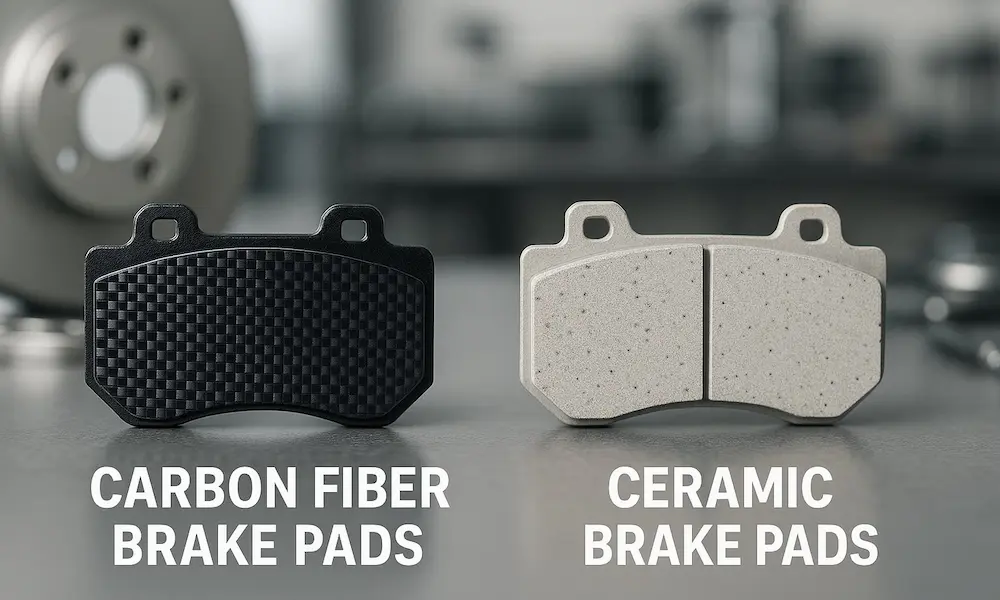
The Element3 EHT brake pads represent Raybestos’ most advanced consumer offering. These pads feature hybrid friction materials that combine ceramic and semi-metallic compounds to deliver the benefits of both:
- The quiet operation and low dust of ceramic pads
- The superior bite and performance of semi-metallic formulations
Performance Characteristics
Users consistently report improved stopping power compared to OEM pads with the Element3 line. They perform particularly well in cold weather conditions, which is a major advantage for drivers in northern climates.
As one forum user explained about the Element3 pads: “While they do perform well and have bite, they’re not as bite-y as OEM. But as with everything, there is always a compromise. For me, that bit less bite is a good compromise, to gain all the other things.”
Many drivers appreciate that these pads strike a balance between aggressive stopping power and everyday driveability. They provide what one reviewer described as “better initial bite than ceramic” while maintaining “very minimal dust thus far.”
Noise Performance
The Element3 pads receive mixed reviews for noise control. While designed with multi-layer premium shims for quiet operation, real-world experiences vary significantly:
- Some users report excellent quiet operation throughout the pad’s life
- Others experience increasing squealing over time
One Toyota owner described: “They started off great. Quiet, smooth, good stopping distance, but as time went on, I started to notice more of a ‘squeal’ as I hit the brakes.”
This pattern of initial quiet operation followed by increasing noise appears common among some Element3 users, though not universal.
Quality and Durability Concerns
Despite positive performance reviews, the Element3 line has faced criticism regarding quality control and fitment issues. Multiple mechanics report problems with hardware compatibility and shim quality.
One experienced technician noted: “This is the third time in a row their so-called ‘Element3’ premium pads have given me fitment or hardware issues.”
Common issues include:
- Improperly sized shims
- Hardware that doesn’t fit correctly
- Inconsistent pad dimensions
- Shims breaking loose after minimal mileage
These quality control problems have led some professionals to avoid the brand entirely despite acknowledging the pads’ performance potential.
R-Line: Budget-Friendly Options
Raybestos’ R-Line represents their entry-level offering, positioned as an OEM-quality replacement at budget pricing. These pads use traditional semi-metallic formulations and basic hardware packages.
While lacking the advanced features of Element3 pads, R-Line products receive praise for basic reliability and value. For drivers simply looking to restore their vehicle’s braking performance without breaking the bank, these offer a compelling option.
The R-Line rotors are particularly noted for meeting OE specifications in terms of weight and vane configuration. This attention to OEM matching helps ensure proper heat dissipation and noise control, distinguishing them from lightweight aftermarket alternatives that may compromise performance to reduce costs.
Professional Racing and Specialty Lines
For track applications, Raybestos offers Professional Racing compounds that are not street-legal but provide extreme performance capabilities. The ST-43 compound has gained favor among track enthusiasts as a favorite intermediate track pad that’s “very aggressive yet easy on the rotors.”
The Specialty Police line targets heavy-duty applications, using enhanced iron rotors and reinforced designs. These products address the needs of law enforcement and commercial vehicles that face more demanding brake system requirements.
How Do Raybestos Brakes Compare to Competitors?
Raybestos vs. Akebono
Akebono frequently emerges as the primary competitor to Raybestos in forum discussions and professional recommendations. Key differences include:
- Akebono products generally cost more
- Akebono receives praise for more consistent quality and fitment
- Raybestos Element3 pads may offer superior performance in some applications
One mechanic summarized: “I prefer them to Akebono honestly” regarding performance, but noted installation challenges that don’t occur with Akebono products. The trade-off appears to be better performance characteristics versus more predictable quality and fitment.
Raybestos vs. Bosch
Bosch QuietCast pads represent another popular alternative, particularly praised for noise control and consistent manufacturing quality. Users who switched from problematic Raybestos Element3 pads to Bosch products often report immediate improvements in noise levels and installation ease.
However, Bosch pads typically use traditional ceramic formulations that may sacrifice some stopping power for quieter operation. This creates a classic trade-off between performance and refinement.
Raybestos Rotors: Worth the Investment?
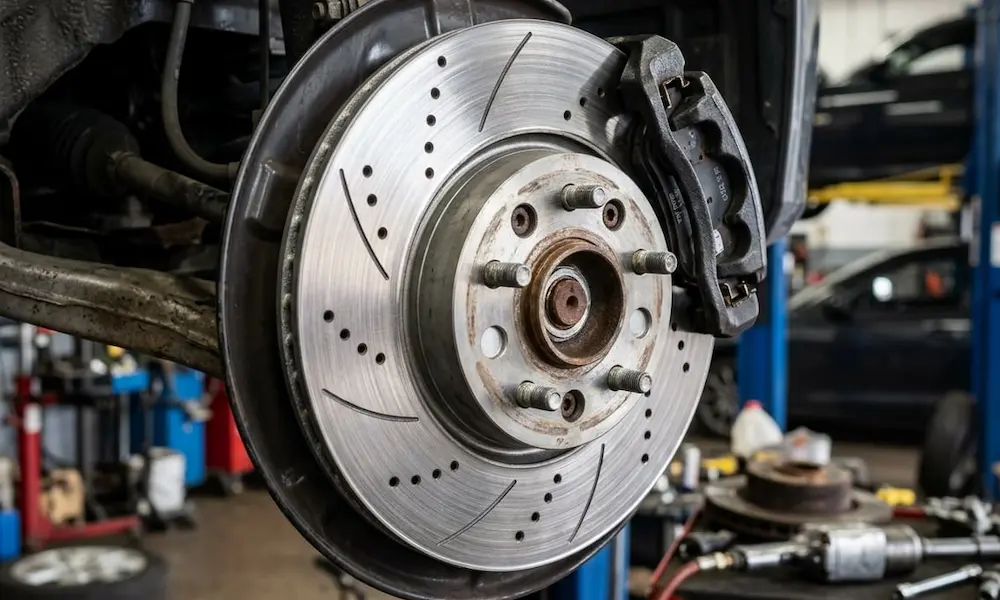
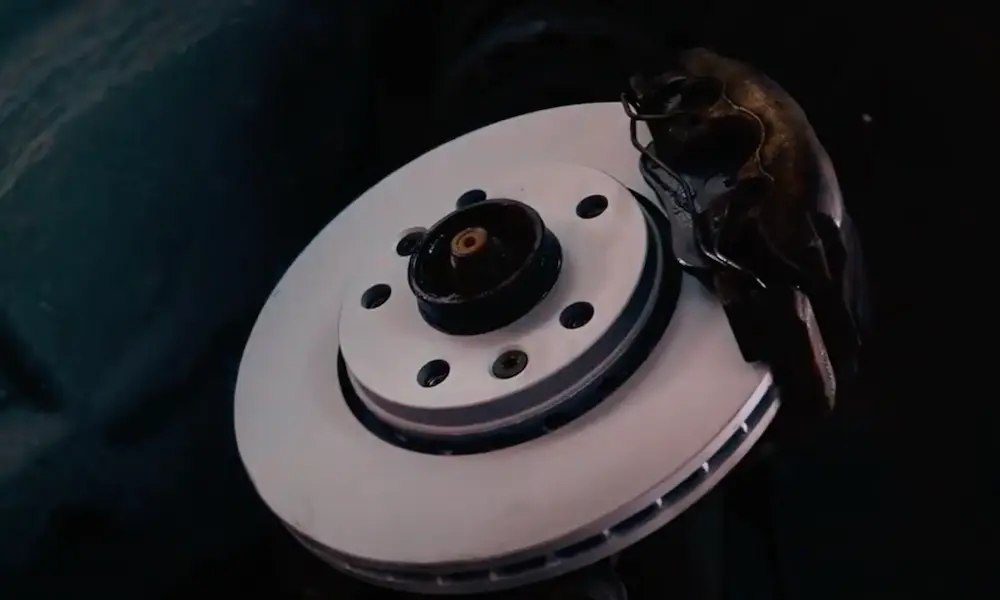
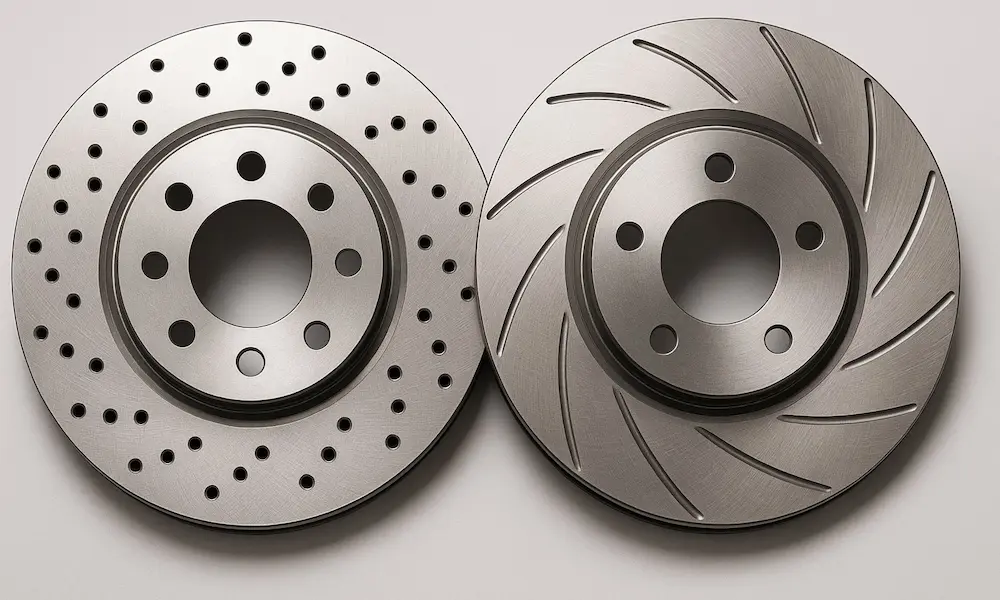
Raybestos rotors receive generally positive reviews, particularly the coated versions that resist corrosion in harsh climates. The company offers multiple coating options, from basic painted edges to their premium Grey Fusion 4.0 system.
The emphasis on OE-matched specifications helps distinguish Raybestos rotors from cheaper alternatives. Their rotors maintain proper weight and vane configurations designed to match original equipment heat dissipation characteristics. This approach contributes to consistent brake pedal feel and helps prevent issues like premature pad wear or noise.
However, some track users report mixed experiences with Raybestos rotors under extreme conditions, with occasional reports of cracking or warping. For most street driving applications, the rotors appear adequate, though premium alternatives may offer superior durability for demanding use.
Installation Experiences and Technical Considerations
Installation experiences with Raybestos products vary significantly depending on the specific product line and vehicle application. While the company includes comprehensive hardware kits with most products, quality control issues can create challenges for installers.
Professional mechanics recommend careful inspection of all included hardware, particularly shims and clips, before beginning installation. Some installers report needing to file or adjust components to achieve proper fitment, which shouldn’t be necessary with premium brake components.
The company provides detailed installation videos and technical support materials, which helps DIY installers navigate potential fitment issues. However, the need for such troubleshooting suggests underlying quality control challenges.
Pricing and Value Proposition
Raybestos products generally offer excellent value compared to premium competitors. Element3 EHT pads typically cost significantly less than comparable Akebono or Bosch products while potentially offering superior performance. The R-Line products provide even greater cost savings for basic replacement needs.
For budget-conscious consumers, the value proposition is compelling. Even with potential quality control issues, many users find the performance benefits outweigh installation challenges, particularly for daily driving applications. However, professional installers may prefer more expensive alternatives to avoid potential complications and customer complaints.
Long-Term Durability and Wear Patterns
Long-term durability reports for Raybestos products show mixed results. Element3 pads generally provide good wear life and consistent stopping power throughout their service interval. However, some users report developing noise or reduced effectiveness over time, particularly in challenging operating conditions.
The hybrid friction material design appears to maintain consistent performance across a wide temperature range, which contributes to predictable wear patterns. Users report that properly bedded Element3 pads maintain their performance characteristics well into their service life.
Rotor longevity appears adequate for most applications, with coated versions showing good corrosion resistance in salt-belt conditions. However, extreme-use applications may require more frequent replacement compared to premium alternatives.
Technical Innovation
Raybestos’ investment in hybrid friction technology represents genuine innovation in the brake pad market. The Element3 EHT formulation addresses real limitations of traditional ceramic and semi-metallic pads by combining their strengths. This technical approach demonstrates the company’s commitment to performance advancement rather than simply competing on price.
The company’s racing program continues to drive development of high-performance compounds that eventually influence their consumer products. This racing heritage provides credibility for performance-oriented applications and helps validate their technical capabilities.
Best Applications for Raybestos Brakes
Based on extensive research and user feedback, Raybestos brakes work best for:
- DIY enthusiasts who can carefully inspect components before installation
- Performance-oriented drivers seeking better-than-OEM stopping power
- Budget-conscious consumers looking for good performance at lower prices
- Track day participants wanting professional-level performance without premium pricing
However, you might want to consider alternatives if you’re:
- A professional installer needing predictable installation experiences
- A user prioritizing noise-free operation above all else
- Someone who drives in extreme conditions consistently
Making the Right Choice for Your Vehicle
When deciding if Raybestos brakes are right for your vehicle, consider these factors:
- Your driving style: Aggressive drivers will appreciate the improved stopping power of Element3 EHT pads
- Your noise tolerance: If you’re sensitive to brake noise, be aware of the mixed reports on noise development
- Your mechanical comfort: DIYers should be prepared to potentially address fitment issues
- Your budget: Raybestos offers excellent performance for the price compared to premium brands
For most daily driving applications with occasional spirited use, Raybestos products provide an excellent balance of capability and affordability that’s difficult to match in the current market.
The Bottom Line on Raybestos Brakes
Raybestos brakes present a complex value proposition that varies significantly by product line and application. Their Element3 EHT line offers genuinely impressive performance characteristics at competitive prices, making it an attractive option for performance-oriented drivers willing to accept some quality control risks.
However, the inconsistent quality control, particularly regarding fitment and hardware, prevents Raybestos from achieving top-tier status among brake manufacturers. These problems are particularly problematic for professional installers who need predictable installation experiences.
For many drivers, especially those who prioritize performance and value over absolute consistency, Raybestos brakes represent a smart choice that delivers capable braking at a reasonable price point. Just be prepared to inspect components carefully and potentially address minor fitment issues during installation.