Keeping up with your Kia Forte’s maintenance schedule isn’t just about avoiding breakdowns—it’s about protecting your investment and extending your car’s life well beyond 200,000 miles. With proper care, your Forte can provide reliable transportation for years to come. This guide walks you through everything you need to know about maintaining your Kia Forte, from routine oil changes to major service milestones.
Regular Maintenance Intervals: The Backbone of Kia Forte Care
Your Kia Forte’s health depends on consistent, timely service. Following the manufacturer’s recommended schedule is crucial for optimal performance and longevity.
Oil Change Schedule: The Foundation of Engine Health
Fresh oil keeps your engine running smoothly and prevents premature wear. For your Kia Forte, the recommended intervals are:
- Normal conditions: Every 7,500 miles or 6 months
- Severe conditions: Every 5,000 miles or 6 months
Most drivers actually fall into the “severe” category without realizing it. If you make frequent short trips, drive in hot weather, or deal with stop-and-go traffic, you’re likely in this category.
“I changed my oil every 5,000 miles instead of waiting for the full 7,500,” says one Forte owner. “After 150,000 miles, my engine still runs like new.”
What’s Included in the 7,500-Mile Service?
This first service milestone includes:
- Oil and filter change
- Tire rotation
- Multi-point inspection
- Fluid level checks
- Battery health assessment
- Cooling system inspection
Many dealerships offer these services as a package, typically costing between $40-80 depending on your location and whether you’re using conventional or synthetic oil.
Major Service Milestones Your Kia Forte Needs
As your odometer climbs, your Forte will need more comprehensive maintenance to keep everything running smoothly.
The 15,000-Mile Service: Beyond Basic Maintenance
At 15,000 miles (or approximately one year of driving), your Forte needs:
- All 7,500-mile services
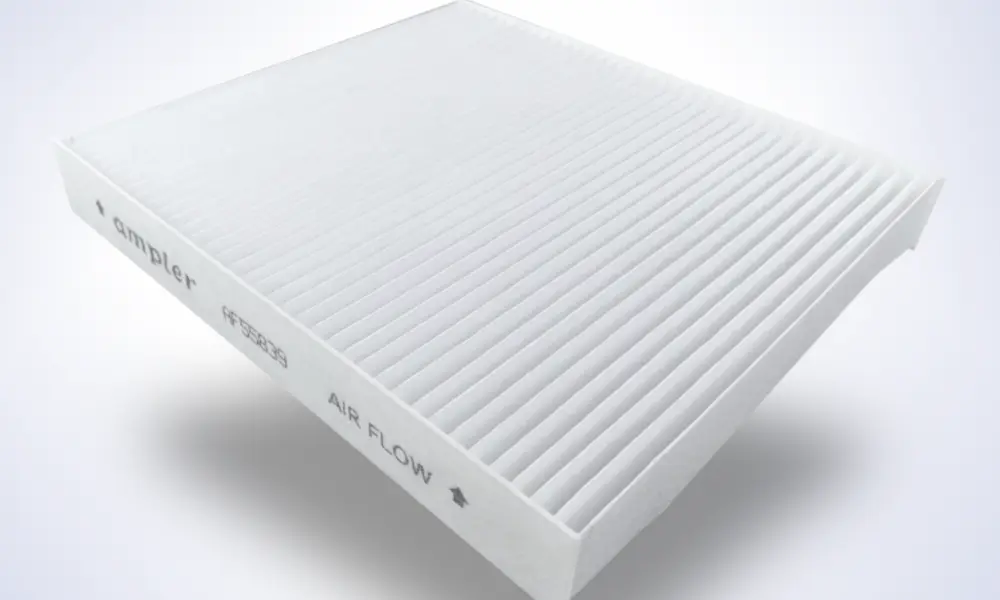
- Climate control air filter replacement
- Exhaust system inspection
- Brake system check
- Vacuum hose inspection
This service typically costs between $150-250 at a dealership, though independent shops might offer lower rates while still maintaining warranty-compliant service.
The Critical 30,000-Mile Service
The 30,000-mile mark represents your first major maintenance milestone. This more comprehensive service includes:
- Engine air filter replacement
- Drive shaft and boot inspection
- Suspension system check
- Fuel system treatment
- All previous service items
This service typically runs between $300-500, depending on whether additional repairs are needed. Don’t skip this one—it’s crucial for identifying potential issues before they become expensive problems.
The 60,000-Mile Comprehensive Service
By 60,000 miles, your Forte needs significant attention:
- Spark plug replacement
- Fuel filter replacement
- Brake fluid flush
- Coolant system service
- Comprehensive vehicle inspection
This service package typically costs $500-800 but pays for itself by preventing much costlier repairs down the road.
| Service Type | Normal Interval | Severe Interval | Approximate Cost |
|---|---|---|---|
| Oil Change | 7,500 miles | 5,000 miles | $40-80 |
| 30K Service | 30,000 miles | 30,000 miles | $300-500 |
| 60K Service | 60,000 miles | 60,000 miles | $500-800 |
| Transmission Service | 100,000 miles | 60,000 miles | $150-300 |
| Brake Fluid | 60,000 miles | 30,000 miles | $80-120 |
Understanding Normal vs. Severe Driving Conditions
Many Forte owners don’t realize they’re driving under “severe” conditions, which require more frequent maintenance.
What Qualifies as Severe Driving?
According to Kia’s official documentation, severe driving includes:
- Short trips under 5 miles
- Extensive idling or low-speed driving
- Driving on dusty, muddy, or salt-treated roads
- Mountain driving
- Cold weather operation
- Over 50% city driving in temperatures above 90°F
Sound familiar? Most city dwellers easily fall into the severe category.
How to Adjust Your Service Schedule
If you drive under severe conditions (and most of us do), you’ll need to:
- Change oil every 5,000 miles instead of 7,500
- Replace air filters more frequently
- Check brakes more often
- Service your transmission at 60,000 miles instead of 100,000
“I live in Phoenix where temperatures regularly exceed 100°F,” shares a Forte GT owner. “Following the severe service schedule has kept my turbo running flawlessly for years.”
Long-Term Maintenance Requirements
As your Forte ages, certain components require attention to maintain reliability.
The 90,000-Mile Service
This milestone includes:
- Engine coolant hose inspection
- Comprehensive suspension check
- All routine maintenance items
- Possible transmission service depending on conditions
Beyond 100,000 Miles: Keeping Your Forte Running Strong
Once you cross the 100,000-mile threshold, pay attention to:
- Transmission fluid replacement: While Kia suggests intervals over 100,000 miles, many mechanics recommend service at 60,000 miles for longevity
- Complete coolant replacement: Typically needed at 120,000 miles
- Drive belt inspection and replacement
- Timing system evaluation
- Comprehensive powertrain assessment
One Forte owner reports: “I’m at 175,000 miles now, and the only major repair I’ve needed was a water pump at 150,000. Regular maintenance works!”
Engine-Specific Considerations for Your Kia Forte
Different Forte engines have unique maintenance needs you should understand.
Turbocharged Forte GT Models
If you drive a Forte GT with the 1.6L turbocharged engine, you’ll need:
- More frequent oil changes (stick to 5,000-mile intervals)
- Premium fuel (recommended but not required)
- Enhanced attention to the cooling system
- Regular turbo-specific inspections
Standard 2.0L Engine Maintenance
The naturally aspirated 2.0L engine is generally more forgiving but still benefits from:
- Regular carbon cleaning
- Standard spark plug replacement at 60,000 miles
- Consistent oil change intervals
Warranty and Maintenance Records: Protecting Your Coverage
To maintain your Kia warranty coverage, proper documentation is essential.
What Records to Keep
Maintain documentation that includes:
- Service date and odometer reading
- Detailed description of services performed
- Parts used (preferably genuine Kia parts)
- Oil type and quantity
- Service provider information
“I keep every receipt in a folder and also use a maintenance tracking app,” says one meticulous owner. “When I had a warranty claim, having complete records made the process seamless.”
DIY Maintenance and Warranty Implications
You can perform maintenance yourself or use independent shops while maintaining warranty coverage, but you must:
- Use parts that meet Kia specifications
- Keep detailed records of all work performed
- Follow Kia’s recommended maintenance schedule
Annual Maintenance Costs and Planning
Understanding the costs helps you budget appropriately for your Forte’s care.
What to Expect in Annual Expenses
Based on industry data, annual maintenance costs for a Kia Forte average $451-678. Over the first five years, expect to spend between $1,954 and $5,360 on maintenance, depending on your service provider and driving conditions.
Here’s a simple maintenance budget breakdown:
- Year 1: $200-300 (primarily oil changes)
- Year 2: $300-400 (includes 15K and 30K services)
- Year 3: $400-500 (additional services required)
- Year 4: $500-600 (includes 60K major service)
- Year 5: $400-500 (returning to routine maintenance)
Saving on Maintenance Costs
You can reduce expenses without compromising quality by:
- Getting multiple quotes for major services
- Using independent shops for out-of-warranty vehicles
- Performing simple maintenance yourself (air filters, wiper blades)
- Following the maintenance schedule to prevent costly repairs
Seasonal Maintenance Considerations
Your climate affects how you should maintain your Forte.
Winter Preparation
In colder regions, prepare your Forte by:
- Checking battery health (cold weather reduces battery performance)
- Ensuring proper antifreeze concentration
- Replacing wiper blades and topping off washer fluid
- Checking tire pressure (it drops in cold weather)
- Considering winter tires in snowy areas
Summer Heat Management
Hot weather brings its own challenges:
- Check air conditioning performance
- Monitor coolant levels and condition
- Test battery (heat accelerates battery deterioration)
- Check tire pressure (it increases in hot weather)
- Ensure proper engine cooling system function
Using Technology to Track Maintenance
Modern Fortes include service reminder systems to help you stay on track.
Digital Maintenance Tracking
Your Forte’s instrument cluster includes:
- Service interval reminders
- Maintenance reset procedures
- Warning indicators for service needs
Many owners also use smartphone apps to track maintenance history, costs, and upcoming service needs.
Transmission Care for Long-Term Reliability
Your transmission requires specific maintenance to avoid costly repairs.
Automatic Transmission Maintenance
For your Forte’s automatic transmission:
- Check fluid levels regularly
- Have the fluid replaced every 60,000-100,000 miles
- Consider a transmission flush at 100,000 miles
- Address any shifting issues immediately
Manual Transmission Care
If you drive a manual Forte:
- Check fluid levels during oil changes
- Replace manual transmission fluid every 100,000 miles
- Inspect clutch operation regularly
- Address any grinding or difficulty shifting promptly
Brake System Maintenance Schedule
Proper brake maintenance ensures safety and prevents expensive repairs.
Routine Brake Checks
Include these in your brake maintenance routine:
- Inspect brake pads at every oil change
- Replace brake fluid every 60,000 miles (30,000 for severe conditions)
- Check brake lines and hoses for damage
- Address any grinding, squealing, or pulsation immediately
“I replaced my brake fluid at 30,000 miles,” notes one Forte owner, “and my brake pedal feels much firmer than my friend’s Forte who’s still on the original fluid after 70,000 miles.”
Coolant System Care and Maintenance
Your engine’s cooling system prevents overheating and ensures reliable operation.
Coolant Service Intervals
For your Forte’s cooling system:
- Inspect hoses and connections at every oil change
- Check coolant level monthly
- Flush and replace coolant at 120,000 miles (normal conditions)
- Replace hoses preventively at 90,000 miles
Fuel System Maintenance for Optimal Performance
A well-maintained fuel system ensures good performance and fuel economy.
Fuel System Service Recommendations
Keep your fuel system in top shape by:
- Using quality fuel from reputable stations
- Adding fuel system cleaner every 15,000 miles
- Replacing the fuel filter at 60,000 miles
- Addressing any hesitation or rough idle promptly
By following this comprehensive maintenance schedule, your Kia Forte can provide reliable transportation for many years to come. Remember that prevention is always less expensive than repair, and regular maintenance is the key to a long-lasting vehicle.