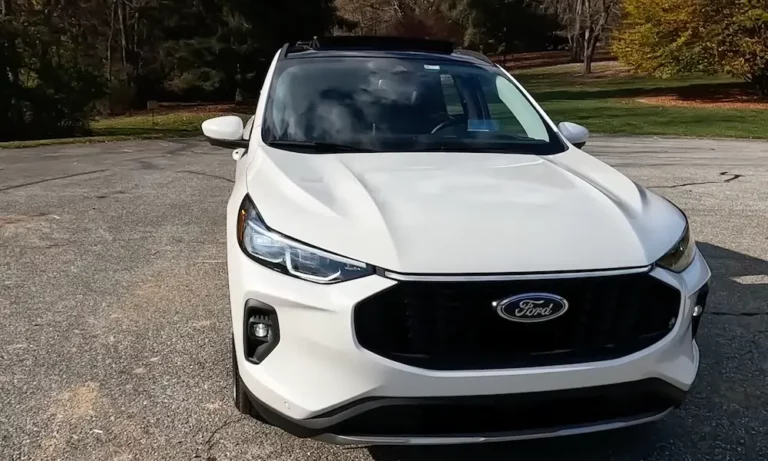
Ever turned your steering wheel only to find it suddenly feels like you’re trying to move a boulder? That dreaded “Power Steering Assist Fault” message on your Ford Escape’s dashboard isn’t just annoying—it’s a serious safety concern that’s affected thousands of owners. The good news? Most causes are fixable, and you’ve got options beyond the dealership’s eye-watering repair quotes.
What Causes Power Steering Assist Faults in Ford Escapes?
The Ford Escape uses an Electronic Power Assisted Steering (EPAS) system instead of traditional hydraulic steering. When this system fails, you’re left with manual steering that requires significant effort—especially at low speeds.
Most Common Causes
- Torque sensor failure: The most frequent culprit, especially in 2008-2012 models
- Power Steering Control Module (PSCM) issues: Often integrated into the steering rack
- Electrical problems: Including blown fuses and battery issues
- Wiring faults: Damaged connections between components
The 2008-2012 Ford Escape and Mercury Mariner vehicles show the highest failure rates, with 2009-2011 models being particularly problematic. Even newer models through 2016 can experience these issues, with the 2008 Escape Hybrid having notable torque sensor problems.
Recognizing the Warning Signs
Your Ford Escape will typically show several symptoms before complete power steering failure occurs:
Telltale Symptoms
- Dashboard warning messages: “Power Steering Assist Fault” or “Steering Assist Fault”
- Intermittent steering assistance: Working fine one moment, heavy the next
- Steering wheel vibration: A “phantom shake” particularly noticeable at stops
- Extremely heavy steering: Especially at low speeds or when parking
- Complete loss of power assist: Requiring 10-20 times more effort to turn the wheel
Diagnostic Trouble Codes to Watch For
When you connect a diagnostic scanner, these codes often point to power steering problems:
| Code | Description | Typical Repair |
|---|---|---|
| B2278 | Steering Shaft Torque Sensor Fault | Torque sensor replacement |
| B1342 | Torque Sensor Circuit Malfunction | Steering column replacement |
| B2277 | Power Steering Motor Malfunction | EPAS motor/rack replacement |
| C2792 | Power Steering Motor Circuit Short | Wiring repair or EPAS replacement |
The frustrating part? Many EPAS failures happen without setting any diagnostic codes, making diagnosis trickier for both owners and mechanics.
Quick Fixes to Try First
Before heading to the shop, try these potential quick fixes that have worked for many owners:
Check Your Fuses
Two critical fuses protect your power steering system:
- F40 (5A): Located in the passenger compartment fuse box
- 80A fuse: Found in the engine compartment battery junction box
Many owners have solved their steering problems by simply replacing these fuses. Even if they look intact, clean the contacts—corrosion can cause intermittent connections.
Verify Battery and Electrical Health
The EPAS system is extremely sensitive to electrical supply quality:
- Test your battery: Weak batteries commonly cause EPAS malfunctions
- Clean battery terminals: Ensure tight, corrosion-free connections
- Check charging system: Confirm your alternator provides stable voltage
Official Recalls and TSBs You Should Know About
Ford has issued several recalls and Technical Service Bulletins (TSBs) related to power steering issues:
Safety Recall 14S05 (2008-2011 Escape/Mariner)
This recall covers certain 2008-2011 Escape and Mariner vehicles built at the Kansas City Assembly Plant through September 11, 2010. It specifically addresses torque sensor failures causing steering assist loss. Depending on diagnostic codes present, repairs range from PSCM reprogramming to complete steering column replacement.
Technical Service Bulletin 14-0016
This TSB addresses B2278 codes in 2008-2012 Escape and Mariner vehicles, providing a torque sensor service kit as a more economical solution compared to replacing the entire steering column.
DIY Diagnostic Steps
If you’re mechanically inclined, here’s how to diagnose power steering problems yourself:
Step 1: Basic Electrical Checks
- Check both power steering fuses mentioned earlier
- Test battery voltage (should be 12.6V when off, 13.8-14.2V when running)
- Inspect all visible wiring for damage, especially near the steering column
Step 2: Scan for Trouble Codes
Using a quality OBD-II scanner that can access body and chassis modules:
- Connect to the PSCM (Power Steering Control Module)
- Retrieve any stored codes
- Check if the scanner can communicate with the PSCM—no communication often indicates module failure
Step 3: Test During Different Conditions
Some EPAS failures only occur under specific conditions:
- Test when the engine is cold vs. hot
- Try gentle “wiggle testing” of electrical connectors
- Pay attention to intermittent symptoms—note when they occur
Repair Options and Costs
Depending on your diagnosis, here are the typical repair paths and their costs:
Torque Sensor Replacement ($300-$500)
The most common repair for B2278 codes involves replacing the torque sensor:
- Parts cost: $150-$200
- Labor: Approximately 1.6 hours
- DIY difficulty: Moderate to high
This repair requires precise alignment procedures. Improper installation can cause the steering wheel to immediately turn full lock when started, risking injury. The sensor includes a locking pin that must remain in place during installation.
Steering Column Assembly Replacement ($1,500-$2,500)
Required when codes B1342 or B2277 are present:
- Parts cost: $800-$1,200
- Labor: 2-3 hours
- DIY difficulty: High (requires airbag handling)
This complex repair involves disarming the airbag system, removing the steering wheel, and extracting the entire column.
EPAS Rack Assembly Replacement ($2,000-$4,000)
Necessary in cases with multiple fault codes or when previous repairs have failed:
- Parts cost: $500-$1,200 for remanufactured rack
- Labor: 2-4 hours depending on engine/drivetrain
- DIY difficulty: Very high (requires specialized tools and programming)
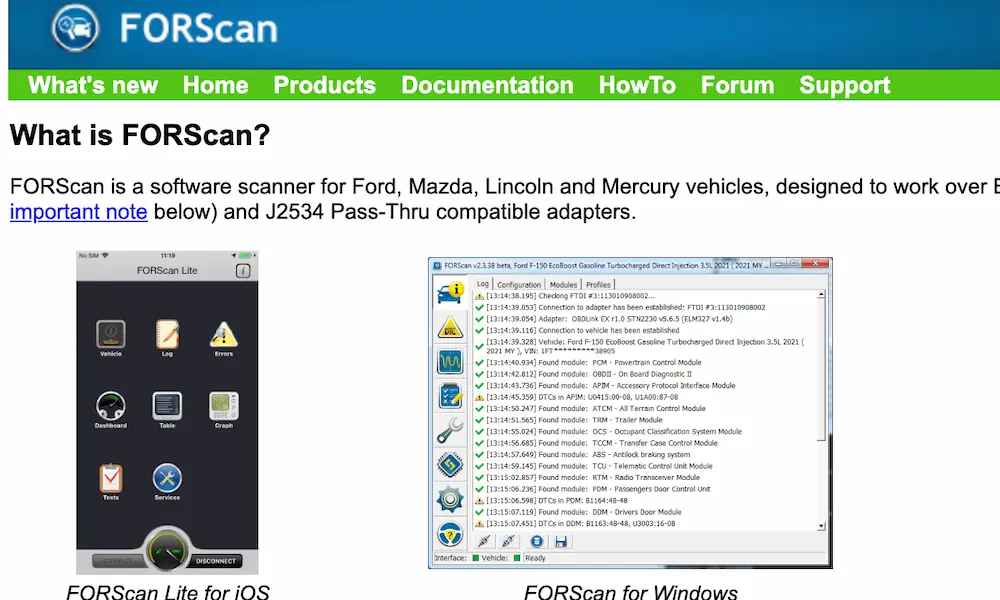
All EPAS rack replacements require module programming using Ford IDS or ForScan to load proper as-built data.
| Repair Type | Parts Cost | Labor Hours | Total Cost Range | DIY Difficulty |
|---|---|---|---|---|
| Fuse Replacement | $5-$10 | 0.5 | $50-$100 | Easy |
| Torque Sensor | $150-$200 | 1.6 | $300-$500 | Moderate |
| Steering Column | $800-$1,200 | 2-3 | $1,500-$2,500 | High |
| EPAS Rack | $500-$1,200 | 2-4 | $2,000-$4,000 | Very High |
Using Salvage Yard Parts
Many owners report success with salvage yard EPAS components at significant savings:
- Used torque sensors: $50-$100
- Used steering columns: $200-$400
- Used EPAS racks: $300-$600
However, proper programming is still required. Ensure used parts come from the same model year and engine configuration to avoid compatibility issues.
Programming Requirements
Any EPAS component replacement requires programming the PSCM with vehicle-specific data:
- Retrieve as-built data from Ford’s Motorcraft Service website using your VIN
- Load factory configuration into the replacement module
- Perform steering angle calibration to establish center position
- Clear adaptation values and allow system relearn
Available programming tools include:
- Ford IDS/FJDS: Official dealer-level equipment
- ForScan: Aftermarket software capable of PSCM programming with extended license
- Professional scan tools: Some high-end tools support Ford module programming
Preventive Maintenance Tips
To reduce your chances of EPAS failure:
Regular Electrical System Checks
- Test your battery every 6 months or before winter
- Keep battery terminals clean and tight
- Have your charging system inspected annually
Environmental Protection
- Avoid pressure washing near steering components
- Protect electrical connections from water exposure
- Be aware that extreme temperatures can trigger failures
Early Intervention
- Don’t ignore intermittent symptoms—they usually worsen
- Address dashboard warnings immediately
- Consider periodic code scanning even when everything seems fine
Extended Warranty Considerations
Some vehicles qualify for extended coverage under various Ford programs:
- Program 15N01: Extended steering gear coverage for certain 2011-2013 vehicles
- Customer Satisfaction Programs: Ford occasionally offers goodwill repairs for vehicles outside recall parameters
Contact Ford Customer Service at 1-800-392-3673 to check if your vehicle qualifies for any extended coverage.
Special Notes for Hybrid Owners
The 2008-2012 Ford Escape Hybrid models have some unique considerations:
- Higher rate of torque sensor failures
- Different electrical requirements for the EPAS system
- More complex integration with hybrid control systems
Hybrid owners should ensure any repair shop has experience with hybrid power steering systems, as they differ from conventional models.
Finding a Qualified Mechanic
Not all shops are equipped to handle EPAS repairs. When choosing a mechanic:
- Confirm they have Ford-specific diagnostic equipment
- Ask about previous EPAS repair experience
- Verify they can perform module programming
- Request a warranty on both parts and programming
Independent shops with Ford specialists often charge 30-50% less than dealerships for identical repairs.
The Road Ahead for Your Ford Escape
The Ford Escape power steering assist fault is a significant reliability issue affecting multiple model years. With proper diagnosis and repair, your vehicle can be restored to safe, comfortable operation.
For most owners, the B2278 torque sensor fault is the most common failure mode and offers the most economical repair through the TSB 14-0016 procedure. However, proper diagnosis is essential, as symptoms can result from various system components.
By understanding the signs, causes, and repair options for power steering problems, you’re now equipped to make informed decisions about your Ford Escape’s care and maintenance.