If your white Toyota looks like it’s shedding its skin, you’re not imagining things. There’s a massive paint problem affecting nearly 2 million vehicles, and time’s running out to get it fixed for free. Here’s what you need to know about getting your car repainted on Toyota’s dime.
What’s Actually Happening to Your Paint
Your Toyota’s paint is peeling because sunlight breaks down the bond between the primer and the metal underneath. It’s not normal wear and tear—it’s a manufacturing defect.
The problem hits two specific white colors hardest: Blizzard Pearl (paint code 070) and Super White (paint code 040). If you’ve got either of these on your Toyota, Lexus, or Scion, you’re dealing with a ticking time bomb.
Here’s the technical breakdown: modern car paint has layers like a cake. There’s the metal, then an anti-rust coating, primer, color, and clear coat on top. In affected Toyotas, UV rays from the sun gradually destroy the connection between the primer and anti-rust layer. Eventually, the whole thing just peels off in sheets.
Which Vehicles Are Covered
Toyota’s Customer Support Program affects 1,738,940 vehicles in the U.S. alone. That’s a staggering number for what Toyota initially called a minor issue.
Toyota Models:
- 2008-2015 4Runner (73,860 vehicles)
- 2008-2017 Avalon (86,560 vehicles)
- 2013-2017 Avalon Hybrid (13,800 vehicles)
- 2008-2017 Camry (555,700 vehicles)
- 2008-2017 Camry Hybrid (47,430 vehicles)
- 2009-2019 Corolla (580,700 vehicles)
- 2008-2017 RAV4 (332,400 vehicles)
- 2012-2014 RAV4 EV (1,110 vehicles)
Scion Models:
- 2011-2015 iQ (3,170 vehicles)
- 2008-2015 xB (44,210 vehicles)
Lexus Models:
- 2008-2009 GX470 (5,780 vehicles)
The Corolla and Camry got hit hardest, which makes sense—they’re Toyota’s best-sellers.
How to Check If Your Car Qualifies
First, find your paint code. Pop open the driver’s door and look at the door jamb. You’ll see a sticker with manufacturing info. Look for “C/TR” followed by three digits. If it says 070 or 040, you’ve got the problematic paint.
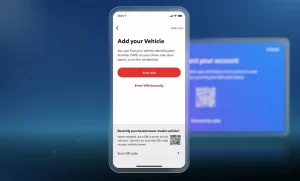
Next, verify your VIN through Toyota’s system. Not every white Toyota qualifies—only specific model years and paint codes are covered.
Your vehicle needs actual paint peeling to qualify for repairs. A few chips or scratches won’t cut it. Toyota dealers use a “damp cloth confirmation” test: they wet the area, apply tape, and see if the paint lifts off. If it does, you’re in.
Coverage Timeline (This Is Important)
Here’s where things get tricky. Toyota set up two coverage periods, and one already expired.
Primary coverage: Ended December 11, 2022. No mileage limit, but it’s done.
Secondary coverage: Still active—covers vehicles for 10 years from the date of first use, regardless of mileage.
If your 2012 RAV4 was first used in January 2013, you’re covered until January 2023 under secondary coverage. After that, you’re on your own.
The program kicked off in August 2019, with repairs available from December 2019. If you’re reading this in 2025, check your first-use date immediately. You might have weeks, not years.
What Toyota Actually Covers
Toyota covers repainting of affected body panels—not the whole car, just the parts actually peeling. They won’t touch collision damage, dents, deep scratches, or rock chips that might mess up the repair.
The dealer follows specific technical service bulletins (T-SB-0162-19 for Toyota, S-SB-0004-19 for Scion). They document everything with photos, get repair estimates from body shops, and submit to Toyota for approval.
What you get:
- Free repainting of confirmed peeling panels
- Loaner vehicle if repairs take over four hours ($35/day reimbursement rate)
- No out-of-pocket costs for qualifying repairs
What you don’t get:
- Complete vehicle repaints (unless peeling is everywhere)
- Repainting of plastic bumpers or trim
- Repairs for damage unrelated to the defect
Repair time varies wildly. Single-panel fixes might take a day. Extensive multi-panel jobs can stretch to two weeks.
Getting Reimbursed for Past Repairs
Already paid to fix your peeling paint? Toyota set up reimbursement, but deadlines are brutal.
The original program required expenses before September 26, 2019. A later program (23TE08) pushed the cutoff to November 16, 2023. If you paid after that date, tough luck—Toyota won’t reimburse you.
To request reimbursement, you need:
- Original repair orders
- Proof of payment (receipts, credit card statements)
- Vehicle ownership documentation
- Completed reimbursement request form
Submit everything through Toyota’s formal reimbursement system. Don’t expect quick turnaround—some owners waited months for approval.
What Repairs Actually Cost
Professional automotive repainting isn’t cheap. Single panels run $250-$500 each. Complete jobs hit $2,000-$5,000 for standard work.
Some owners reported jaw-dropping costs. One 2013 Highlander owner got a $13,000 complete repaint—all covered by Toyota. That’s not typical, but it shows the potential expense Toyota’s eating on severe cases.
If you’re outside coverage and paying yourself, shop around. Body shop estimates vary dramatically. Get at least three quotes, and ask specifically about paint matching to avoid panels that don’t match your original color.
This Isn’t Just a Toyota Problem
Here’s something Toyota doesn’t advertise: white paint peeling affects multiple manufacturers. Honda, Hyundai, Ford, and GM all face similar complaints.
Honda got hit with a class action lawsuit in November 2024 over white paint delamination on Odyssey, Pilot, Fit, HR-V, and Acura MDX models from 2013 onward. A judge dismissed it in July 2025, but plaintiffs can refile.
Hyundai extended paint warranties to 10 years unlimited mileage on 2015-2018 Elantras, 2015-2019 Sonatas, 2017-2021 Tucsons, and several other models after customer complaints went public.
Ford F-150s, Transit Connects, Chevy Express vans, and Silverados all show white paint peeling in documented cases. The pattern suggests industry-wide problems with modern white paint formulations.
Why White Paint Fails More Often
White paint faces unique challenges. The formulation requires titanium dioxide pigments applied at precise thickness to achieve brightness and opacity. Too thin, and UV protection fails. Too thick, and you waste expensive materials.
Environmental regulations changed everything. EPA VOC standards forced paint manufacturers to slash harmful emissions by 33% from 1995 levels. The new formulations are more environmentally friendly but potentially less durable.
Modern paints are thinner and water-based compared to old-school solvent-heavy coatings. That’s great for the environment, terrible if application processes aren’t perfectly calibrated.
This isn’t the first time emissions regulations caused paint disasters. GM’s “Uniprime” system in the late 1980s combined anti-rust coating and primer in one layer to reduce VOCs. It failed spectacularly—paint sheeted off minivans in massive recalls.
Real Owner Experiences
Reddit and Facebook groups reveal what actually happens when you go through the program. Experiences vary dramatically based on dealer, location, and damage extent.
One 2016 Corolla owner reported complete success—noticed chipping exposing bare metal, researched the program, took it to a dealer who approved repair after several weeks. The two-week repair resulted in a car that “looks great.”
Another owner wasn’t so lucky. Their 2016 RAV4 needed repairs, but the dealer said it’d take over a year to schedule. They consulted an attorney and swore off Toyota forever.
Timing matters enormously. One 2012 RAV4 owner developed peeling just two weeks after primary coverage expired in December 2022. Toyota denied coverage. That owner spent $6,000 out-of-pocket while identical vehicles two weeks earlier got free repairs.
Some dealers are helpful. Others seem to actively discourage claims. Documentation and persistence matter.
The Australian Class Action Lawsuit
Toyota’s paint problems went global. In Australia, William Roberts Lawyers filed a class action in July 2025 targeting white Corollas manufactured between July 12, 2010, and September 30, 2014.
The lawsuit alleges Toyota breached Australian Consumer Law by selling vehicles that don’t meet acceptable quality standards. Toyota acknowledged the defect in July 2022 but allegedly didn’t tell consumers during the manufacturing period.
A Facebook group for Australian Toyota paint peeling issues has over 7,000 members sharing damage photos. That’s significant grassroots organization.
Omni Bridgeway, a litigation finance firm, funds the case on a “no-win, no-pay” basis. Affected Australian owners can join without upfront legal costs. A two-week hearing is scheduled for 2026.
Toyota denies the claims and promises vigorous defense. Given Toyota’s deep pockets and legal resources, this fight could drag on for years.
What About Newer Toyotas?
Don’t assume Toyota fixed the problem. In June 2024, reports surfaced about paint separation on 2025 Camrys in Ocean Gem and Heavy Metal colors from the Georgetown, Kentucky plant.
A dealership employee posted that Toyota won’t issue a recall because only four documented cases exist—less than 0.1% of production. The employee suspected other dealerships weren’t reporting isolated cases.
In October 2025, a 2024 Highlander XLE with just 1,600 miles showed paint wearing off the driver’s door. That’s not the same delamination issue as older white paint, but it’s troubling for current buyers.
These cases suggest Toyota still struggles with paint quality control, even if the specific white paint formulation changed.
Step-by-Step: Getting Your Repair
If you think you qualify, here’s exactly what to do:
1. Verify your paint code
Check the door jamb sticker. Look for 070 (Blizzard Pearl) or 040 (Super White).
2. Document everything
Take clear, dated photos from multiple angles showing peeling extent and location. Include close-ups of exposed metal.
3. Contact an authorized Toyota dealer
Call ahead. Specifically mention Customer Support Program ZKG. Ask for a warranty paint defect inspection appointment.
4. Bring your documentation
Take photos, ownership papers, and maintenance records. More documentation helps your case.
5. Dealer performs damp cloth test
They’ll wet suspected areas and apply tape. If paint lifts, they photograph and submit to Toyota Technical Assistance.
6. Wait for approval
Toyota reviews submissions and approves or denies coverage. Approval times vary—some owners got answers in days, others waited weeks.
7. Schedule repairs
Once approved, the dealer coordinates with body shops. Ask about loaner vehicle availability if repairs exceed four hours.
8. Inspect completed work
Before accepting the vehicle, check paint quality, color matching, and complete coverage of affected areas in good lighting.
If You’re Outside Coverage
Fell outside the coverage window or own a non-qualifying model? You’ve still got options.
Contact Toyota’s Customer Experience Center at 1-888-270-9371. Some owners report goodwill repairs even for technically non-covered vehicles. Document all communications—names, dates, reference numbers.
Escalate persistently. Start with the dealer, move to regional representatives, eventually reach corporate. Squeaky wheels get grease.
Consider joining existing class action litigation if you’re eligible. The Australian case specifically targets 2010-2014 Corollas. U.S. owners might explore state-level consumer protection claims.
Small claims court remains an option for repair costs under your state’s limit (typically $5,000-$10,000). You don’t need a lawyer, and manufacturers often settle rather than fight.
Buying a Used White Toyota
Shopping for a used white Toyota from affected years? Inspect carefully before buying.
Look for visible paint bubbling, flaking, or peeling—especially on horizontal surfaces like the hood and roof that get maximum sun exposure. Run your hand over the paint. Rough texture or lifting edges are red flags.
Check the paint code. If it’s 070 or 040, find out if repairs were already done. Ask for documentation. A vehicle already repainted under the program might be a better bet than one still at risk.
Use paint issues as negotiation leverage. A 2015 RAV4 with peeling paint is worth significantly less than one with perfect paint. Adjust your offer accordingly, or request the seller complete repairs before purchase.
Consider a pre-purchase inspection including paint thickness measurements. Professional detailers can assess paint condition and predict failure risk.
The Bottom Line
The Toyota white paint recall represents a massive quality control failure from a manufacturer famous for reliability. Nearly 2 million vehicles got defective paint that literally falls off in sheets.
If you own an affected vehicle, act immediately. Check your coverage dates—secondary coverage expires 10 years from first use, and that deadline is approaching or passed for many vehicles.
Document your paint condition now, even if it looks fine. Early-stage delamination isn’t always visible, but it’s progressing. Get your vehicle inspected while you’re still covered.
For owners outside coverage, push hard for goodwill repairs. Toyota’s already committed hundreds of millions to this program—they know it’s their fault.
This isn’t just Toyota’s problem. The entire automotive industry struggles with white paint durability, likely due to environmental regulations forcing formulation changes. If you’re buying any new vehicle in white, understand you might face similar issues regardless of brand.
The silver lining? Toyota’s actually addressing the problem with an extensive repair program. That’s more than some manufacturers do. But it only helps if you know about it and act before coverage expires.