Thinking about buying a Toyota Camry and wondering if it’ll stick around long enough to become a family heirloom? You’re asking the right question. Let’s cut through the marketing fluff and look at what actually happens when you take proper care of one of America’s most popular sedans.
What Mileage Can You Really Expect?
Here’s the deal: a well-maintained Toyota Camry typically lasts 200,000 to 300,000 miles. That’s not pie-in-the-sky marketing talk—it’s what actual owners consistently report. If you’re driving about 12,000 miles per year, you’re looking at roughly 20-25 years of reliable transportation.
But some Camrys blow past these already impressive numbers. A 2004 model reached 352,000 miles before the original owner sold it (and the new owner kept driving it). A Florida dealer certified a 1999 Camry with over 500,000 miles. Perhaps most eye-opening: a 2014 Camry Hybrid owner hit 612,000 kilometers—roughly 380,000 miles—with just a battery replacement.
These aren’t flukes. They’re what happens when Toyota’s engineering meets religious maintenance schedules.
What Determines Your Camry’s Lifespan
Your Camry won’t magically reach 300,000 miles on its own. Several factors play huge roles:
Maintenance consistency matters more than anything else. Owners who stick to regular service schedules see dramatically longer lifespans than those who treat oil changes like optional suggestions.
Driving conditions accelerate or slow wear. Mountainous terrain, extreme temperatures, constant short trips under five miles, and heavy loads all count as “severe service” in Toyota’s book. These conditions demand more frequent maintenance than highway cruising at steady speeds.
Your driving style impacts everything. Aggressive acceleration, hard braking, and rapid speed changes wear out engine, transmission, and suspension components faster than smooth, predictable driving. Highway miles at consistent speeds? Your Camry loves those.
Where you live affects body integrity and component degradation. Road salt in winter climates corrodes faster than moderate conditions. Extreme heat or cold stresses systems differently than temperate weather.
The Maintenance Schedule That Actually Works
Toyota’s official recommendations look great on paper, but mechanics who work on high-mileage Camrys tell a different story.
Oil Changes: Ignore the 10,000-Mile Interval
Toyota suggests 10,000-mile oil change intervals. Professional technicians who regularly work on 300,000+ mile Camrys? They recommend 5,000 miles or six months—whichever comes first.
This more conservative approach prevents oil degradation, reduces carbon buildup, and maintains proper lubrication under all conditions. It’s not about selling you unnecessary services. It’s about the difference between a Camry that dies at 150,000 miles and one that cruises past 300,000.
If you’ve got a 2007-2011 Camry with the notorious 2AZ-FE engine (more on that problem later), consider dropping to 3,000-5,000 mile intervals. Those engines burn oil, and frequent changes help minimize the damage.
Transmission Fluid: Don’t Believe the “Lifetime” Claim
Some Toyota models claim “lifetime” transmission fluid. Don’t fall for it.
Get a drain-and-refill every 60,000 miles. This removes metallic debris and degraded fluid before they cause gear wear or shifting problems. For earlier models using ATF Type T-IV fluid, reduce that interval to 30,000 miles.
This relatively cheap service prevents $3,000-5,000 transmission rebuilds down the road.
Coolant: Return to the Old Schedule
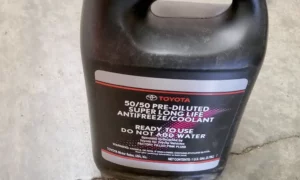
Toyota extended coolant replacement intervals from 50,000 miles to 100,000+ miles in recent service schedules. Big mistake.
Stick with the original 50,000-mile or five-year interval. Acidic coolant corrodes radiators, water pumps, and heater cores. Replacing it regularly prevents these expensive failures.
Hybrid Camry owners need to pay attention to both engine coolant and inverter coolant. Both follow the same replacement schedule, and electrical system repairs cost way more than mechanical ones.
The Often-Forgotten Services
Spark plugs should be replaced at 100,000-120,000 miles, even though modern iridium or platinum plugs technically last longer. Fresh plugs prevent misfires and maintain fuel economy.
Brake fluid needs replacement every three years. Moisture absorption reduces braking performance and corrodes hydraulic components. It’s cheap insurance for your stopping ability.
AWD models require differential and transfer case fluid changes at 30,000 miles initially, then every 60,000 miles. This prevents premature gear wear.
Which Camry Generations Last Longest?
Not all Camry years are created equal. Some generations prove bulletproof. Others… not so much.
Fourth Generation (1997-2001): Still Going Strong
These Camrys established Toyota’s longevity reputation. Consumer Reports rates the 2000 and 2001 model years as particularly dependable, with minimal complaints despite being over two decades old.
They’re aging now, so you’ll face normal wear items like suspension bushings and rubber seals. But find one that’s been maintained, and it’ll likely outlast newer cars from other brands.
Fifth Generation (2002-2006): Hit or Miss
This generation shows mixed reliability. The 2002, 2003, and 2005 models accumulated increased complaints, primarily transmission issues and engine problems.
If you’re shopping this generation, skip the 2002-2003 models entirely. The others can work, but get a thorough pre-purchase inspection from a mechanic who knows Camrys.
Sixth Generation (2007-2011): Run Away
This is the generation to avoid completely. The 2007 model holds the dubious honor of most complaints of any Camry ever produced—1,024 documented owner complaints.
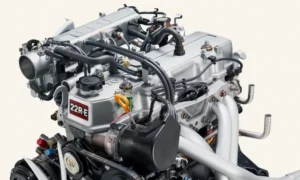
The problem centers on the 2.4-liter 2AZ-FE engine used from 2007-2009 (and potentially into 2011). Toyota redesigned the piston rings to reduce friction and improve fuel economy, but this modification allowed excessive oil consumption. Affected vehicles consumed one quart per 1,000-2,000 miles without visible leaks.
If owners didn’t constantly check and add oil, the engine could seize. Toyota eventually issued recalls and extended warranties, but damage was done.
The 2008 model suffered similar issues plus transmission problems. The 2009 model continued the oil consumption saga while adding melting dashboards that spawned class-action lawsuits. The 2010 model brought transmission failures and air conditioning issues.
Bottom line: Avoid the entire 2007-2011 generation. There are too many good Camry years to risk the headache.
Seventh Generation (2012-2017): The Sweet Spot
After the sixth-generation disaster, Toyota got serious about quality. The seventh generation represents the most reliable Camry for used car buyers.
The 2013-2017 models particularly shine, with low complaint numbers and excellent reliability ratings. The 2012 inaugural year shows slightly elevated complaints (154 total)—mostly infotainment glitches and Bluetooth issues—so many buyers skip it for the refined 2013-2017 models.
This generation offers modern safety features, improved fuel efficiency, and significantly better resale value than earlier generations. It’s the Goldilocks zone: new enough for current tech, old enough for reasonable pricing, and proven for long-term durability.
Eighth Generation (2018-2024): Solid but Unproven Long-Term
The current generation introduced bold styling that finally broke Toyota’s bland reputation. Early reliability data looks promising, with 2018-2019 models receiving top Consumer Reports marks.
The 2018 inaugural year accumulated 101 owner complaints—typical for redesigned models. Complaints dropped substantially afterward: 23 for 2019, 12 for 2020, and single digits for 2021-2024.
The catch? These vehicles haven’t accumulated the 200,000+ mile track records that validate earlier generations. They’ll probably match the seventh generation’s reliability, but we won’t know for certain for another few years.
Common Problems to Watch For
The 2AZ-FE Oil Consumption Crisis
This deserves special attention because it’s the most notorious problem in Camry history.
The 2.4-liter 2AZ-FE engine in 2007-2011 models burns oil like it’s going out of style. Owners reported consumption rates of one quart per 1,000-2,000 miles. The problem stemmed from redesigned piston rings that allowed oil to pass through.
Importantly, not all 2AZ-FE engines fail. Some owners report 300,000+ miles with minimal oil consumption when following aggressive maintenance schedules (those 3,000-5,000 mile oil changes).
The related 2AR-FE engine introduced in late 2010 production initially seemed immune but eventually demonstrated similar issues when subjected to extended oil change intervals.
Transmission Troubles
Transmission problems appear sporadically across generations, with the 2007-2011 sixth generation experiencing the most complaints: slipping during acceleration, harsh shifting, delayed engagement, and complete failure.
Earlier fifth-generation models (2002-2006) showed occasional hesitation and improper shifting after 100,000 miles. These problems typically indicate inadequate fluid maintenance rather than fundamental design flaws.
Regular transmission fluid changes—despite Toyota’s “lifetime fluid” claims—prevent most transmission problems.
Interior and Electrical Issues
The 2007-2011 generation suffered melting dashboards in hot climates, spawning class-action lawsuits. Toyota offered recall repairs for some vehicles.
The 2011-2014 models experienced malfunctioning door locks around 85,000 miles. Fortunately, replacement actuators cost relatively little.
Air conditioning problems plagued 2012-2014 models, with musty odors from mold growth in HVAC systems. Some owners reported complete AC compressor failure.
How to Make Your Camry Last 300,000+ Miles
Reaching the upper longevity limits requires dedication beyond basic maintenance.
The Proactive Mindset
Any Camry can reach 100,000 miles with minimal care. Most reach 200,000 miles with moderate attention. Exceeding 200,000 miles requires a proactive philosophy that anticipates problems before they occur.
This means annual comprehensive inspections to identify emerging issues like coolant leaks, worn suspension components, or developing oil leaks before they cause secondary damage.
Use quality parts. Genuine Toyota parts or premium aftermarket equivalents maintain proper tolerances that generic parts often miss. This particularly matters for filters, gaskets, sensors, and fluids.
Driving Habits Matter More Than You Think
Smooth, consistent driving significantly reduces wear compared to aggressive acceleration and hard braking.
Gradual acceleration allows oil pressure to build fully. Anticipating stops and coasting to gradual halts preserves brakes, suspension bushings, and tire tread while improving fuel economy.
Avoid constant short trips. Drives under five miles where the engine never fully warms contribute to oil dilution, carbon buildup, and accelerated wear. Toyota classifies frequent short trips as “severe service” requiring more frequent oil changes.
When possible, combine errands into longer trips. This allows the engine to reach and maintain operating temperature, evaporating moisture and extending oil life.
Keep your tank at least one-quarter full. Running near empty draws accumulated sediment into the fuel system and forces the pump to work harder without adequate cooling fuel.
Fluid Management Beyond Oil
Coolant replacement every 50,000 miles—not Toyota’s extended 100,000-mile interval—prevents acidic coolant from corroding aluminum engine components. Test coolant pH during oil changes to identify degradation before it causes damage.
Hybrid models require attention to both engine coolant and inverter coolant. Electrical system repairs far exceed mechanical component costs.
Brake fluid replacement every three years maintains optimal braking and prevents corrosion in calipers, wheel cylinders, and ABS components.
Power steering fluid in non-electric power steering Camrys requires periodic inspection and replacement to prevent pump wear and rack-and-pinion degradation. Newer Camrys with electric power steering eliminate this maintenance entirely.
Hybrid Battery Longevity
Camry Hybrid models introduce an additional consideration: the battery pack.
Expected Battery Life
Real-world data shows most hybrid batteries last 200,000-300,000 miles before replacement. Individual experiences vary based on driving patterns, climate, and charging behavior.
Highway-focused driving with consistent speeds extends battery life significantly compared to stop-and-go city driving that constantly cycles the battery. Moderate climates favor longevity while extreme heat accelerates degradation.
Replacement Costs
When battery replacement becomes necessary, dealership service typically costs $4,000-6,500 including battery, fluids, filters, and labor. However, independent hybrid specialists offer rebuilt or refurbished batteries with warranties for $2,000-3,000 installed.
A hybrid battery lasting 200,000 miles costs approximately 2-3 cents per mile—comparable to many routine maintenance items. Plus, hybrid drivetrains experience less transmission wear, dramatically extended brake life (often 120,000+ miles due to regenerative braking), and improved fuel economy that offsets battery replacement costs.
Resale Value and Ownership Economics
Depreciation Patterns
A new Camry depreciates approximately 40% after five years, retaining about 60% of original value. This middle-range depreciation isn’t exceptional but respectable compared to competing sedans.
Buying a 2-3 year old used Camry saves roughly $9,000-10,000 compared to new pricing while providing a relatively modern vehicle with substantial remaining life. The optimal used purchase window falls between 2-4 years old, where initial depreciation has occurred but warranty coverage remains.
Seventh-generation models (2013-2017) currently represent exceptional value, offering proven reliability at prices significantly below newer eighth-generation equivalents.
Long-Term Cost Analysis
A Camry driven 12,000 miles annually reaching 250,000 miles provides approximately 21 years of service. Even accounting for depreciation, insurance, fuel, and maintenance over this period, the per-mile cost remains dramatically lower than vehicles requiring replacement every 100,000-150,000 miles.
Major repairs typically remain minimal through 200,000 miles when proper maintenance schedules are followed. Most expenses stay limited to routine services and normal wear items like brakes, tires, and suspension components.
Comparing used Camry ownership against competing sedans reveals advantages. While Honda Accord offers similar longevity potential, Toyota consistently rates slightly higher in long-term reliability studies. Nissan Altima and Hyundai Sonata trail both in documented high-mileage survival rates.
The Bottom Line on Camry Longevity
The Toyota Camry deserves its reputation as one of the longest-lasting vehicles available. With proper maintenance—particularly oil changes at 5,000-mile intervals, transmission fluid service at 60,000 miles, and coolant replacement every 50,000 miles—200,000-300,000 miles represents a realistic expectation. Exceptional examples regularly exceed 400,000-500,000 miles.
Generation selection significantly impacts long-term satisfaction. The seventh generation (2013-2017) represents the optimal used purchase for reliability-focused buyers. The problematic sixth generation (2007-2011) should be avoided entirely due to oil consumption and transmission issues.
| Generation | Years | Reliability Rating | Best For |
|---|---|---|---|
| Fourth | 1997-2001 | Excellent | Budget buyers comfortable with older vehicles |
| Fifth | 2002-2006 | Good (avoid 2002-2003) | Value seekers with mechanical knowledge |
| Sixth | 2007-2011 | Poor – AVOID | Nobody |
| Seventh | 2012-2017 | Excellent | Most used car buyers |
| Eighth | 2018-2024 | Very Good | Those wanting modern features |
For owners seeking maximum longevity, the Camry rewards dedication with decades of dependable service, exceptional resale value, and total ownership costs that remain among the lowest in the midsize sedan segment. Whether purchasing new or used, the Camry stands as a proven choice for drivers prioritizing longevity, reliability, and value over the vehicle’s entire lifespan.
Just remember: that 300,000-mile Camry didn’t happen by accident. It happened because someone changed the oil religiously, fixed small problems before they became big ones, and drove like they wanted the car to last. Do the same, and you’ll likely be writing your own high-mileage success story.