Searching for a Chevy Trax water pump recall? You’re not alone—thousands of frustrated owners are hunting for the same thing. Here’s the kicker: there isn’t one. But don’t close this tab yet. What’s actually happening with your Trax’s cooling system is more complicated than a simple recall, and understanding it could save you serious cash.
Why Everyone’s Searching for a Recall That Isn’t There
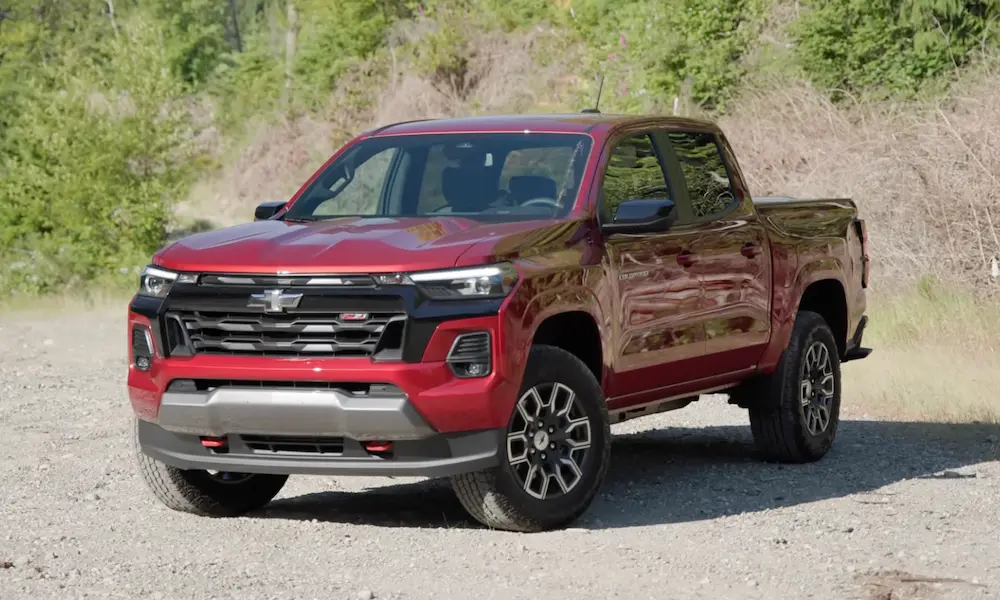
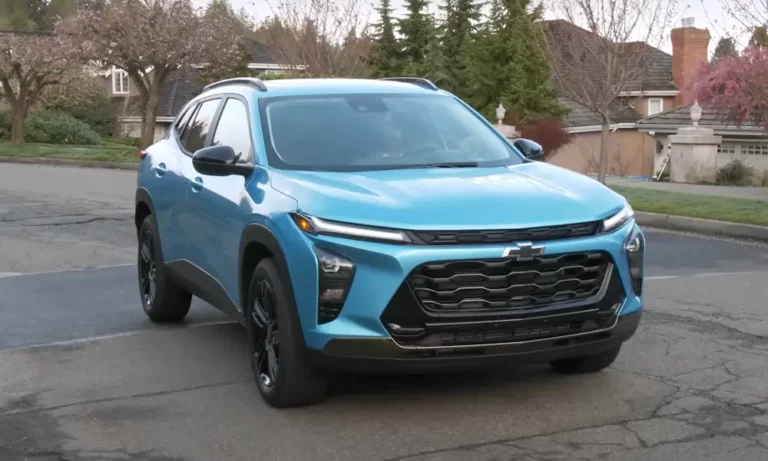
The phrase “Chevy Trax water pump recall” trends constantly because the problem is real—the official recall just isn’t. If you own a first-generation Trax (2013-2022) with the 1.4L turbo engine, you’ve probably noticed a pattern: puddles of orange coolant, overheating warnings, or that dreaded growling noise from under the hood.
GM knows about it. They’ve issued Technical Service Bulletins (TSBs) and Special Coverage Adjustments for related cooling parts. But the water pump itself? You’re mostly on your own.
Here’s the legal distinction that’s costing owners money: NHTSA classifies recalls as safety defects that pose immediate danger. A water pump leak technically gives you warning (dashboard lights, steam) before catastrophic failure. So GM treats it as a “durability issue,” not a safety crisis.
What Actually Fails (And Why It Keeps Happening)
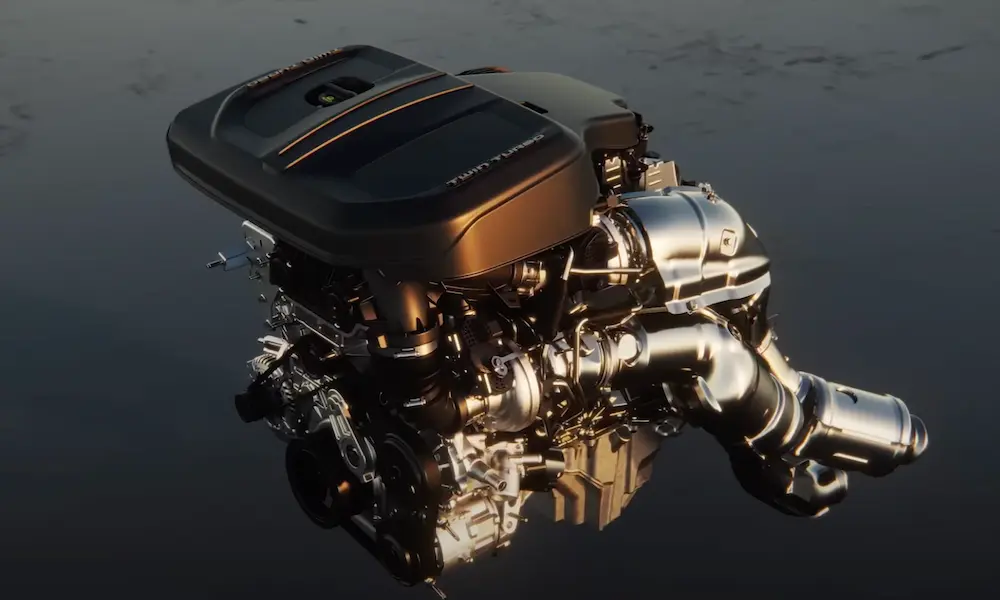
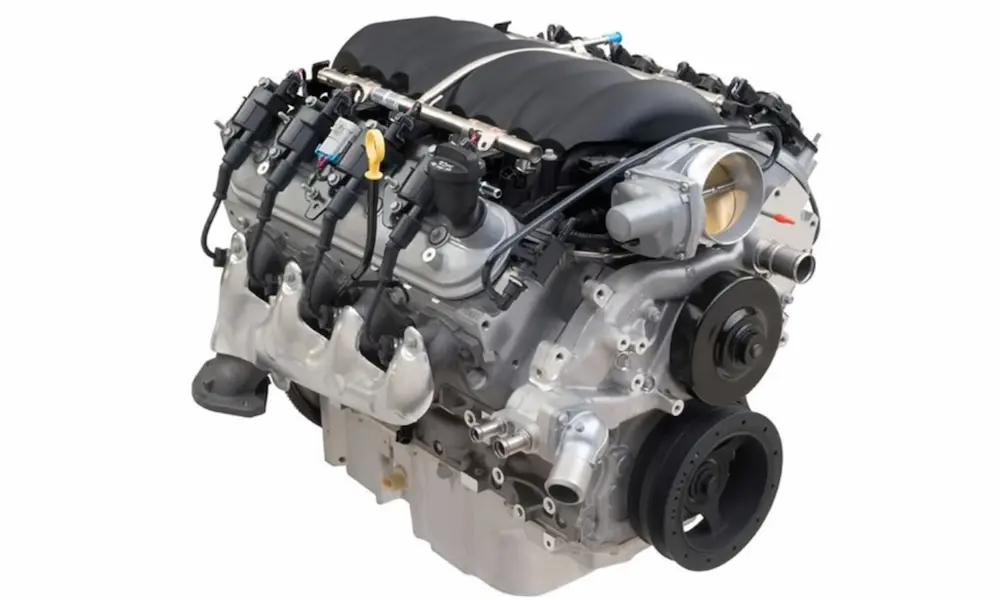
The 1.4L turbocharged Ecotec engine in your Trax runs hot—really hot. Turbochargers can hit exhaust temps over 900°C. Your cooling system wasn’t exactly overbuilt for this abuse.
The weak links:
- Plastic impeller in the water pump – Saves weight, but cracks under constant heat cycling
- Mismatched materials – Aluminum expands twice as fast as cast iron; plastic expands differently than both. Every time your engine heats and cools, these parts are fighting each other
- The shaft seal – This thin mechanical seal keeps coolant out of the pump bearings. When it fails, you’ll see that telltale orange puddle near your passenger-side tire
GM actually designed a “weep hole” into the pump—a small drain that lets coolant escape before the bearings seize. It’s your early warning system. Ignore it, and you’re looking at a snapped serpentine belt and a dead engine on the side of the highway.
The Coverage You Might Actually Have
While there’s no Chevy Trax water pump recall, GM has admitted cooling system problems through backdoor warranty extensions.
Special Coverage A192219310 covers 2015-2019 Trax models for radiator, condenser, and fan assembly leaks up to 6 years/72,000 miles. Notice what’s missing? The water pump. This coverage is maddeningly specific—if your leak comes from the pump instead of the radiator, you’re out of luck.
Here’s where it gets infuriating: The Chevy Cruze uses the identical 1.4L engine and got Special Coverage 14371 extending water pump warranty to 10 years/150,000 miles. Same engine. Same failure. Different vehicle. No coverage for the Trax.
TSB 18-NA-335 is another document you should know about. It’s not a warranty extension—it’s instructions to mechanics to stop replacing water pumps when the leak is actually coming from the water pump housing. This technical bulletin exists because GM was getting warranty claims for pumps that weren’t even broken. The housing gasket was failing instead.
Why does this matter to you? Because if you pay a shop $800 to replace your pump and the leak continues, the housing was probably the culprit all along.
How Much This Disaster Actually Costs
Without a Chevy Trax water pump recall to bail you out, here’s what you’re facing:
| Where You Go | What You’ll Pay | What You Get |
|---|---|---|
| Dealership | $886 – $1,281 | OEM parts, trained techs who know TSB 18-NA-335, warranty on labor |
| Independent Shop | $500 – $800 | Aftermarket parts, lower labor rates, variable expertise with this specific engine |
| DIY | $150 – $250 | Just parts and coolant (if you’ve got the tools and skills) |
Cost data from RepairPal estimates
The hidden cost nobody warns you about: Replacing only the water pump is often a mistake. The thermostat housing (plastic), coolant outlet (also plastic), and reservoir tank all fail around the same mileage. Replace one, and the new part’s pressure can crack the old ones within weeks.
Smart move? Bundle the repairs. You’re draining the coolant and tearing apart the engine bay anyway—replacing all the plastic cooling components at once saves you from paying duplicate labor charges when they fail two months later.
Warning Signs Your Water Pump Is Dying
Catch this early and you might avoid the $1,500 turbocharger replacement that often follows.
Early stage:
- Small puddle of bright orange fluid (Dex-Cool) under the passenger side
- Faint squealing noise that changes with engine RPM
- Coolant level mysteriously dropping every few weeks
You’re running out of time:
- Loud growling or grinding from the engine bay
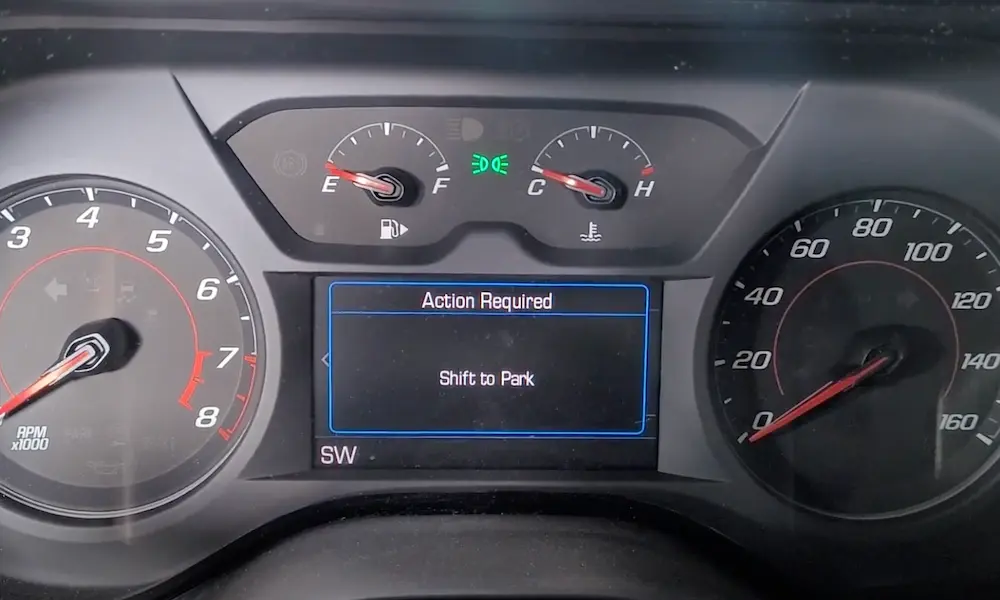
- Temperature gauge creeping into the red
- Sweet smell from the vents (coolant burning on hot engine parts)
Catastrophic failure:
- Serpentine belt snaps (you’ll lose power steering, alternator, AC, and cooling simultaneously)
- Engine seizes from overheating
- White smoke from the exhaust (head gasket blown from extreme heat)
That weep hole design is actually trying to save you. When you spot early leak symptoms, you’ve got time to plan the repair on your terms instead of calling a tow truck.
The Domino Effect: Why Your Turbo Is Next
The water pump failure rarely travels alone. The turbocharger in your Trax spins at 200,000 RPM and depends on coolant circulation to prevent the internal oil from cooking into hard carbon deposits.
When your water pump fails and coolant levels drop, the turbo overheats. Months later, you’ll get a P0299 code (turbocharger underboost) and discover the wastegate cracked or the bearings seized.
Plot twist: GM extended turbocharger coverage for certain 2017-2018 Trax models to 10 years/120,000 miles (Special Coverage N232395330). So the result of the cooling failure gets covered, but the cause might not. You can’t make this up.
What Mechanics Won’t Tell You (But Should)
TSB 18-NA-335 changes everything. Before this bulletin, techs were replacing water pumps that were perfectly fine. The leak was coming from where the pump housing bolts to the engine block—a $50 gasket problem, not a $700 pump problem.
The bulletin instructs mechanics to actually diagnose the leak location:
- Leak at the pump shaft with a functioning weep hole = pump replacement needed
- Leak at the housing-to-block mating surface = housing gasket replacement needed
If your shop doesn’t know this distinction, you could pay for the wrong repair.
Part numbers matter. The latest OEM revisions are 25192709 and 55579016—these have improved seals. Cheaper aftermarket pumps often use the old design that’ll fail again in 40,000 miles.
DIY or Professional? The Honest Truth
YouTube makes water pump replacement look straightforward. It’s not.
Why this job kicks amateur butts:
- You must remove the passenger-side engine mount and support the engine from below with a floor jack
- Misplace that jack by two inches and you’ll dent the oil pan or crack the aluminum housing
- The bolts are E-Torx (external Torx), not regular sockets—E14, E12, and E10 sizes
- Aluminum threads strip instantly if you over-torque (specs are 89 inch-pounds, not foot-pounds)
- The cooling system airlocks easily, leaving you with no heat or instant overheating
Experienced home mechanics with the right tools can handle it. First-timers should probably let a pro avoid the $3,000 mistake.
How to Fight Back (Even Without a Recall)
Check your VIN status religiously. GM adds Special Coverage Adjustments without fanfare. Visit the GM Owner Center or NHTSA’s recall database every few months. Coverage that didn’t exist last year might cover your repair now.
Document everything. Save every receipt, invoice, and credit card statement for cooling system repairs. If GM eventually issues retroactive coverage (like they did for the Cruze), you’ll need proof for reimbursement. Include the VIN, part numbers, mileage, and date.
Push for goodwill adjustments. Dealerships can sometimes authorize partial coverage (like 50% off) for just-out-of-warranty failures. It’s discretionary and depends on your service history with that dealer, but it doesn’t hurt to ask.
State lemon laws are real. If you’re dealing with repeated water pump failures on a newer Trax (under 2 years old typically), your state’s lemon law might force GM to buy back the vehicle. Requirements vary by state, but multiple failed repairs of the same issue is the classic qualifier.
The Bigger Picture: What This Says About Your Trax
The 1.4L turbo engine appears in the Cruze, Sonic, Encore, and Trax. It’s a “global platform” design prioritizing low manufacturing costs and fuel economy over longevity. The plastic cooling components were never meant to last 150,000 miles—they’re essentially consumable parts with a 60,000-80,000 mile lifespan.
GM has acknowledged this indirectly through scattered Special Coverages for radiators, turbos, and transmissions. The water pump gets no such love, probably because it fails gradually with warning rather than catastrophically without notice.
The cold reality: Treat your Trax’s cooling system like you’d treat tires or brakes—inspect it regularly and budget for replacement around 70,000 miles, whether it’s leaking yet or not.
Your Action Plan Right Now
If you’re buying a used Trax: Factor an immediate $800 cooling system overhaul into the purchase price for any Trax over 60,000 miles. It’s not if these parts fail, it’s when.
If you own one currently:
- Check the weep hole area at every oil change for moisture
- Change your Dex-Cool coolant every 5 years regardless of mileage (prevents the sludge that destroys seals)
- Monitor for warranty extensions on your specific VIN monthly
- When the pump fails, replace the thermostat housing and coolant outlet simultaneously
If yours already failed: Keep every document. The pattern of class-action settlements in the auto industry suggests GM may eventually extend coverage. The Cruze owners got their Special Coverage only after litigation pressure in cases like Feliciano v. GM.
The Bottom Line
There’s no Chevy Trax water pump recall because GM successfully convinced NHTSA this is a durability issue, not a safety defect. Whether you agree with that classification (watching your engine overheat in traffic certainly feels like a safety issue), the result is the same: you’re paying out of pocket.
The good news? Now you know the specific failure modes, the TSB loopholes, the part numbers that matter, and the coverage that actually exists. You’re ahead of 90% of Trax owners who’ll walk into a shop blind and pay whatever they’re told.
The water pump will fail. The plastic housing will crack. The thermostat outlet will leak. It’s baked into the engineering of this platform. But you don’t have to let it ambush you with a four-figure repair bill and a rental car on your credit card.
Stay ahead of it, document everything, and keep checking for new Special Coverages. And maybe start browsing trade-in values.