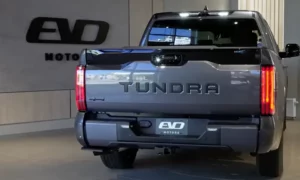
Rust never sleeps, and if you own a Toyota Tundra, that’s more than just a catchy phrase. Frame corrosion issues have plagued various Tundra models for decades, leading to multiple recall campaigns and a massive class action settlement. Whether you’re driving a 20-year-old workhorse or a brand-new 2024 model, understanding these recalls could literally save your life (and your wallet).
Let’s dive into everything you need to know about Toyota Tundra frame recalls – from which models are affected to how to check if your truck qualifies for free repairs.
The Major Toyota Tundra Frame Recall Campaigns
Toyota’s frame recall issues span several generations of Tundra trucks, with different problems affecting specific model years.
First Generation (2000-2003) Tundra Recall
The most severe frame recall affects approximately 96,000 Tundra trucks from model years 2000-2003. This recall (Safety Recall BXD) addresses excessive corrosion of the rear cross-member that can lead to:
- Spare tire separation
- Brake line damage affecting the proportioning valve
- Fuel tank mounting system failure
These aren’t minor issues – they can create serious safety hazards that might cause crashes without warning. The recall primarily targets vehicles in 21 cold climate states where road salt accelerates corrosion.
What’s remarkable is that some 2000-2003 Tundras remain eligible for frame-related recalls even 20+ years after production. Recent reports show Toyota dealers occasionally discovering unremediated recalls during routine inspections, sometimes resulting in complete frame replacements or vehicle buybacks.
2007-2008 Tundra Class Action Settlement
A separate and more comprehensive recall program emerged from a major class action lawsuit settlement affecting 2007-2008 Toyota Tundra trucks. This settlement, approved in May 2017, was part of a $3.4 billion agreement covering approximately 1.5 million vehicles including Tacomas and Sequoias.
The settlement provided free frame inspection and replacement for vehicles meeting specific perforation standards, with Toyota estimating frame replacement costs at approximately $15,000 per vehicle. The program established a 12-year coverage period from the vehicle’s original sale date, meaning most vehicles from this era are now beyond the coverage window.
Recent Tundra Recalls (2022-2025)
More recent Tundra recalls have shifted focus from frame corrosion to other safety issues:
- Reverse Light Failures: Toyota recalled 443,000 model year 2022-2025 Tundra and Tundra Hybrid vehicles due to moisture intrusion causing reverse light failures.
- Tire Sidewall Damage: Approximately 12,000 model year 2024 Tundra and Sequoia vehicles were recalled for tire damage that occurred during assembly.
- Instrument Panel Display Issues: Over 590,000 vehicles across multiple Toyota and Lexus models were affected by a September 2025 recall for display malfunctions.
How Toyota Inspects and Replaces Corroded Frames
When you bring your Tundra in for a frame recall inspection, here’s what happens:
Inspection Process
Toyota’s inspection protocol follows court-ordered standards established during the class action settlement:
- Technicians examine the rear cross-member for perforations measuring 10mm or greater
- Large perforations trigger automatic frame replacement eligibility
- The inspection also evaluates fuel tank mounting systems, brake line connections, and spare tire carrier integrity
For vehicles not meeting the full replacement threshold, dealers apply corrosion-resistant compound to affected areas and replace individual components like fuel tank straps.
What Frame Replacement Involves
Frame replacement is one of the most extensive automotive repairs possible:
- Complete vehicle disassembly (the body is removed from the chassis)
- Transfer of all mechanical components to the new frame
- Replacement of additional components including brake lines, exhaust connections, and rear leaf springs
- Reassembly of the entire vehicle
The replacement frame comes with improved corrosion protection compared to the original equipment. While the process is free during recall periods, post-deadline replacements can cost between $15,000-$20,000.
Why Location Matters: The “Salt Belt” Effect
Frame corrosion issues predominantly affect vehicles operated in northern states where road salt accelerates rust formation. Toyota’s recall campaigns specifically target “cold climate states” with high road salt usage:
- Connecticut
- Delaware
- Illinois
- Indiana
- Kentucky
- Massachusetts
- Maryland
- Maine
- Michigan
- Minnesota
- New Hampshire
- New Jersey
- New York
- Ohio
- Pennsylvania
- Rhode Island
- Virginia
- Vermont
- Wisconsin
- West Virginia
- District of Columbia
This regional approach creates disparities in recall coverage. Toyota has successfully argued that vehicles in salt-free environments face lower corrosion risk, justifying geographically limited recall coverage. However, this creates problems for trucks that moved between regions during their lifetime.
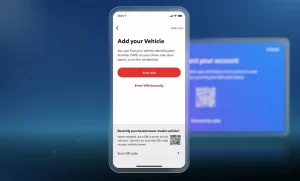
How to Check If Your Tundra Has an Open Recall
Every Tundra owner should regularly verify their recall status:
- Visit Toyota’s official recall lookup system at Toyota.com/recall
- Or check the NHTSA database at NHTSA.gov/recalls
- Enter your Vehicle Identification Number (VIN)
These systems will show any outstanding safety recalls for your specific vehicle. Importantly, recall eligibility can remain active for vehicles with incomplete remedies, even years after initial notification.
Remember that recall lookup tools only display unrepaired recalls. Previously addressed recalls won’t appear in search results. If you’re concerned about frame condition, request a professional inspection regardless of recall status, especially if your truck shows visible rust.
Signs Your Tundra Might Have Frame Problems
Even without an active recall, your Tundra could have dangerous frame corrosion. Watch for these warning signs:
- Visible rust scaling or flaking on frame components
- Unusual handling characteristics or steering instability
- Sagging suspension, particularly at the rear
- Loose spare tire carrier
- Fuel tank movement or unusual fuel gauge readings
- Visible perforations or holes in frame rails or cross-members
If you notice any of these issues, get your truck inspected immediately by a qualified mechanic or Toyota dealership.
Protecting Your Tundra From Future Corrosion
While Toyota has addressed many frame issues through recalls, all truck owners should take preventative measures:
- Regular Undercarriage Cleaning: Especially important in winter months where road salt is used
- Professional Undercoating: Consider rust-prevention treatments for additional protection
- Annual Inspections: Have your frame and undercarriage professionally inspected yearly
- Prompt Repair: Address any rust or corrosion immediately before it spreads
| Model Years | Primary Issue | Recall Status | Action Needed |
|---|---|---|---|
| 2000-2003 | Rear cross-member corrosion | Active for some vehicles | Check VIN with Toyota and NHTSA |
| 2007-2008 | Frame perforations | Settlement period expired for most | Professional inspection recommended |
| 2022-2025 | Reverse light failures | Active recall | Contact dealer for repairs |
Comparing Toyota’s Response to Other Manufacturers
Toyota’s frame recall issues aren’t unique in the automotive industry. Other manufacturers have faced similar challenges:
| Manufacturer | Models Affected | Response |
|---|---|---|
| Toyota | Tundra, Tacoma, Sequoia | Multiple recalls, $3.4B settlement |
| Ford | F-150, Expedition | Frame recalls for specific model years |
| Nissan | Frontier, Titan | Limited regional recalls for frame issues |
| GM | Sierra, Silverado | Frame coating recalls for certain years |
Toyota’s response, while extensive, has been criticized for its regional limitations and time restrictions. However, the company’s willingness to replace entire frames represents a significant commitment to addressing the issue.
Beyond the Recall: What Owners Should Know
Even with Toyota’s recall programs, Tundra owners should understand these key points:
- Recall eligibility doesn’t guarantee problem-free ownership
- Regular inspections remain critical regardless of recall status
- Vehicles in transition between regions (moving from South to North) face increased corrosion risk
- Frame treatments and undercoating can provide additional protection
- Resale values may be affected by frame recall history even if repairs were completed
The complexity of recall programs, varying eligibility criteria, and evolving coverage windows necessitate proactive owner engagement.
Remember that staying informed and taking preventative measures is your best defense against potentially dangerous frame corrosion issues.