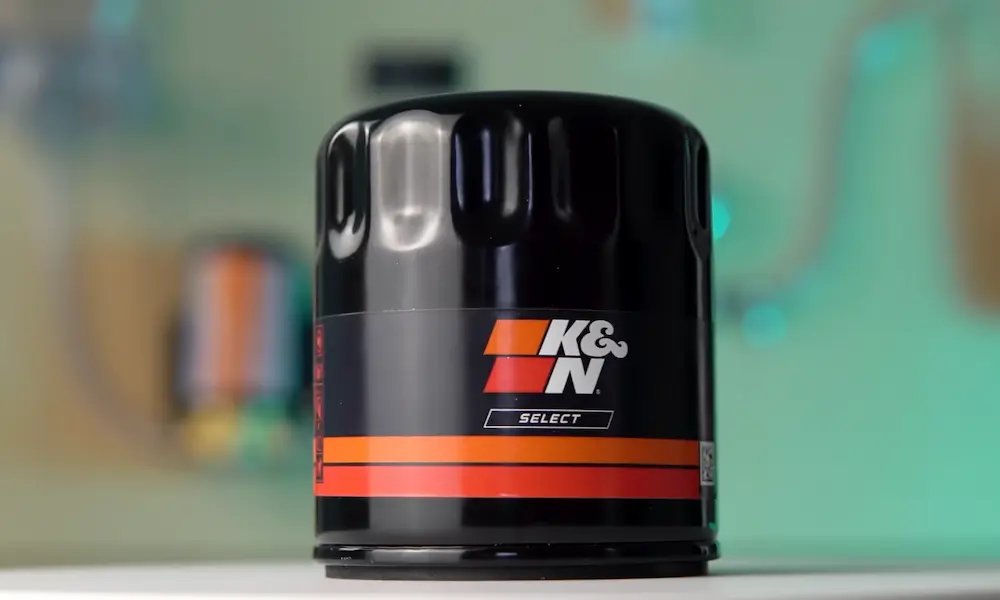
Thinking about upgrading to a K&N oil filter? You’ve probably seen them marketed as premium, race-proven products. But do they live up to the hype, or are you better off sticking with traditional options? Let’s cut through the marketing noise and look at what independent testing and real-world experience reveal about these filters.
What Makes K&N Oil Filters Different
K&N oil filters stand out with that signature 1-inch hex nut on top. You don’t need a special filter wrench—just grab a regular socket and you’re good to go. This design also includes a safety wire hole for racing applications where you absolutely can’t risk a filter coming loose.
The filter media is a synthetic-blend material designed for high flow rates. K&N prioritizes getting oil through the filter quickly rather than trapping every microscopic particle. This high-flow approach makes sense for performance engines that need maximum oil circulation.
You’ll also find metal end caps, heavy-duty canisters, and silicone anti-drainback valves. On paper, these features sound great. But here’s where things get interesting—and not in a good way.
How K&N Filters Perform in Independent Testing
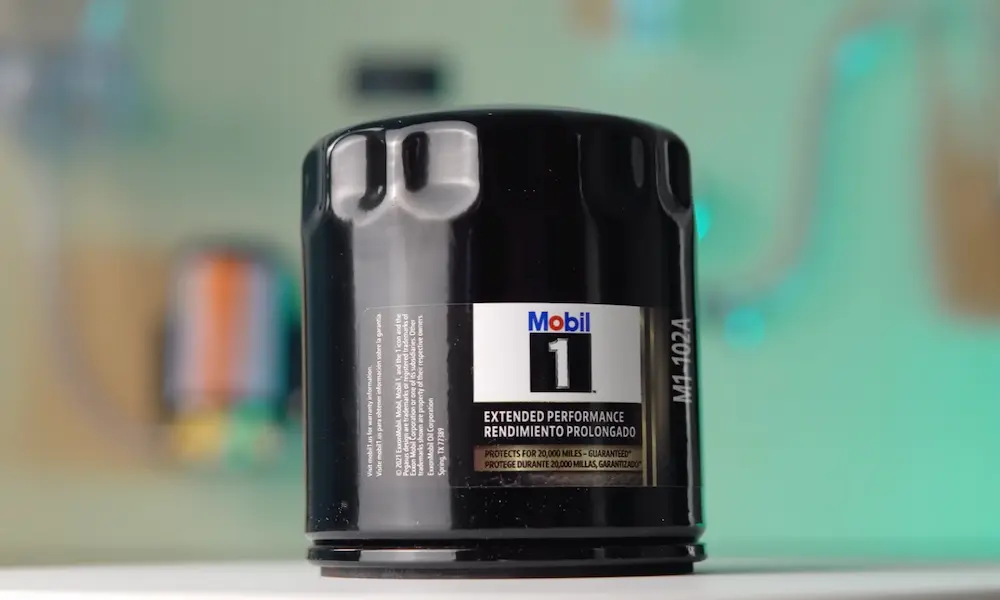
Let’s talk numbers. Independent engineering tests show K&N filters excel at oil flow. The K&N Select filters measured 21.1 PSI flow restriction, nearly matching Mobil 1 filters at 21.0 PSI. They crushed Fram Ultra Synthetic filters in this category.
The filter media shows impressive air permeability—62.65 CFM per square foot compared to Mobil 1’s 13.64 CFM. That’s a massive difference favoring unrestricted oil flow.
For filtration efficiency, K&N filters achieve 98-99% efficiency at 30 microns. That’s solid performance that matches most premium filters.
But here’s the catch: dirt-holding capacity is where K&N stumbles. Testing revealed K&N filters handle only 25 grams of contaminants before flow restriction increases. Compare that to 48-50 grams for Mobil 1 and Fram Ultra Synthetic. You’re getting half the capacity for a higher price.
| Filter Brand | Flow Restriction (PSI) | Dirt Capacity (grams) | Filtration Efficiency |
|---|---|---|---|
| K&N Select | 21.1 | 25 | 98-99% at 30 microns |
| Mobil 1 | 21.0 | 48-50 | 98-99% at 30 microns |
| Fram Ultra Synthetic | Higher | 48-50 | 98-99% at 30 microns |
The Reliability Problem You Should Know About
Here’s where things get concerning. K&N experienced significant quality control issues, particularly with those welded hex nuts that make the filters so convenient.
In 2017, K&N issued a voluntary safety recall for KN-204 and KN-204C filters manufactured between March and September 2016. The problem? Oil leaks at the welded nut junction. On motorcycles, this meant oil could contact rear tires or brakes—creating genuinely dangerous riding conditions.
You’d think a recall would fix everything, right? Not quite. Multiple users continue reporting oil seepage around the hex nut weld area on filters manufactured after the recall period. These failures typically show up as slow leaks that worsen over time, often within 1,500-2,000 miles.
That’s not just annoying—it’s a potential engine-killer if you don’t catch it early.
Why Racing Organizations Banned K&N Filters
Here’s something that should raise eyebrows: multiple racing organizations and track day providers banned K&N oil filters. When the people pushing engines to their absolute limits won’t use your “race-proven” product, that’s a red flag.
The American Motorcyclist Association (AMA) banned K&N oil filters for two race seasons following numerous documented failures. Even after K&N redesigned their filters, many racing organizations maintained their bans.
Professional mechanics frequently warn customers about K&N reliability. Many shops refuse to install them due to liability concerns. Think about that—mechanics who would earn money installing these filters are turning down the business because they don’t trust the product.
Build Quality: Inconsistent Across the Board
K&N’s Performance Gold series shows robust construction suitable for demanding applications. But standard K&N filters? The quality varies significantly.
Some users report their K&N filters feeling lighter and cheaper compared to Bosch or Wix alternatives. You’ll find variations in gasket thickness, weld quality, and media consistency across different production runs.
For a premium-priced filter, this inconsistency is hard to justify. You’re paying more but can’t be sure you’re getting consistent quality.
What Mechanics Actually Think About K&N Filters
Talk to experienced automotive professionals, and you’ll hear a consistent message: K&N filters are adequate but overpriced for what they deliver.
The consensus on forums like Bob Is The Oil Guy—where people dissect filters down to the microscopic level—is clear: skip K&N due to reliability concerns. Sure, the filtration performance is acceptable. But why risk filter failure when proven alternatives cost less?
Many pros point out that the convenience of hex nut removal doesn’t justify the increased failure risk. You save 30 seconds during an oil change but potentially risk thousands in engine damage from a leak you didn’t catch in time.
Comparing K&N to Better Alternatives
For the $15-18 K&N charges, you can get filters that match or exceed their performance without the documented failure patterns.
Wix/Napa Gold filters offer excellent build quality and proven reliability at $8-12. They don’t have the flashy hex nut, but they consistently protect your engine without drama.
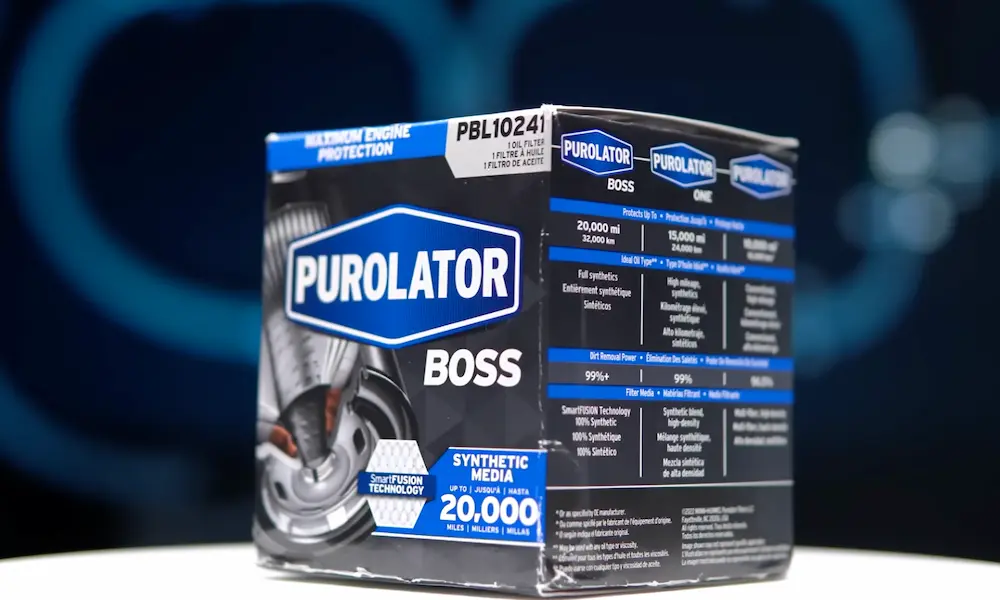
Purolator Boss filters provide superior filtration efficiency with established durability. They’re trusted by professionals who’ve seen what works long-term.
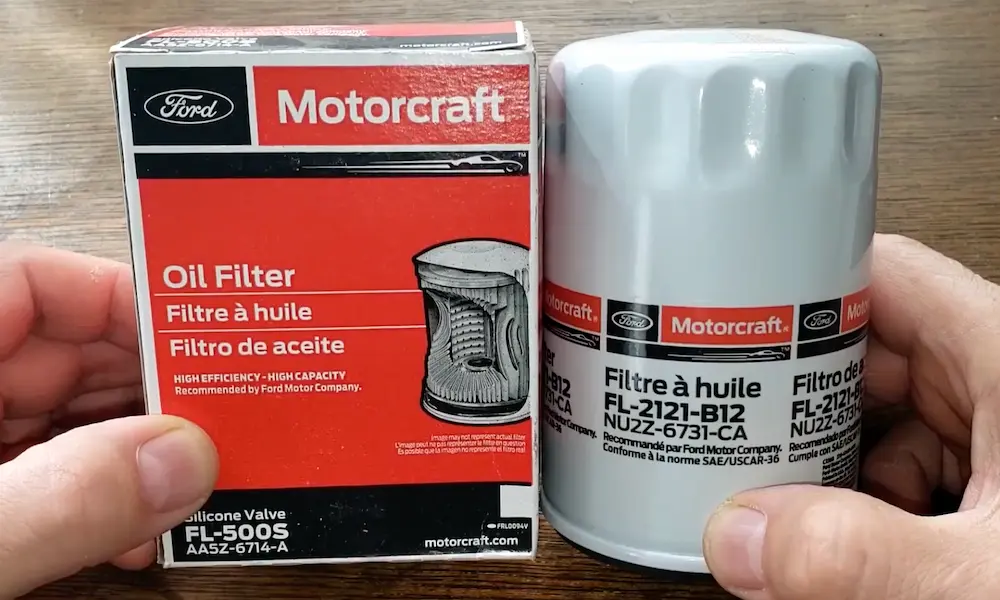
OEM filters from your vehicle manufacturer are tested specifically for your engine. They’re usually cheaper than K&N and come with the peace of mind that they meet factory specifications.
Fram Ultra Synthetic filters have higher flow restriction than K&N but offer double the contaminant capacity. That means longer effective service life and better protection as your oil accumulates particles.
| Filter Type | Price Range | Key Advantage | Best For |
|---|---|---|---|
| K&N | $15-18 | High flow rate | Performance builds with frequent monitoring |
| Wix/Napa Gold | $8-12 | Proven reliability | Daily drivers and long-term ownership |
| Purolator Boss | $10-14 | Superior filtration | Maximum engine protection |
| OEM | $6-10 | Factory-tested fit | Anyone wanting peace of mind |
| Fram Ultra Synthetic | $12-15 | High dirt capacity | Extended oil change intervals |
When K&N Filters Might Make Sense
Are there situations where K&N filters work? Sure. If you’re running a high-performance engine where maximum oil flow is critical, and you’re monitoring everything obsessively, K&N’s flow characteristics might benefit you.
Track day enthusiasts who check their cars thoroughly before and after each session might accept the risk. But even in racing, many organizations have moved away from K&N for safety reasons.
For street cars, weekend warriors, and daily drivers? There’s simply no compelling reason to choose K&N over proven alternatives.
The Bottom Line on K&N Oil Filters
So, are K&N oil filters good? They demonstrate excellent flow characteristics and feature innovative design elements like that convenient hex nut. The filtration efficiency at 98-99% matches premium competitors.
But here’s what matters more: the documented reliability problems outweigh those performance benefits for most applications. The pattern of weld failures, racing bans, and ongoing quality control issues makes K&N filters a risky choice despite slick marketing.
You’re paying a premium price for a product that’s been recalled, banned from racing, and consistently warned against by professional mechanics. Meanwhile, equally capable alternatives offer better long-term value without the documented failure patterns.
Unless you’re in the tiny minority running a heavily-modified performance engine and conducting frequent inspections, skip the K&N. Your engine—and your wallet—will thank you when you choose a Wix, Purolator, or OEM filter instead.
The convenience of removing your oil filter with a socket wrench isn’t worth the potential cost and safety implications of filter failure. Sometimes the boring choice is the smart choice.