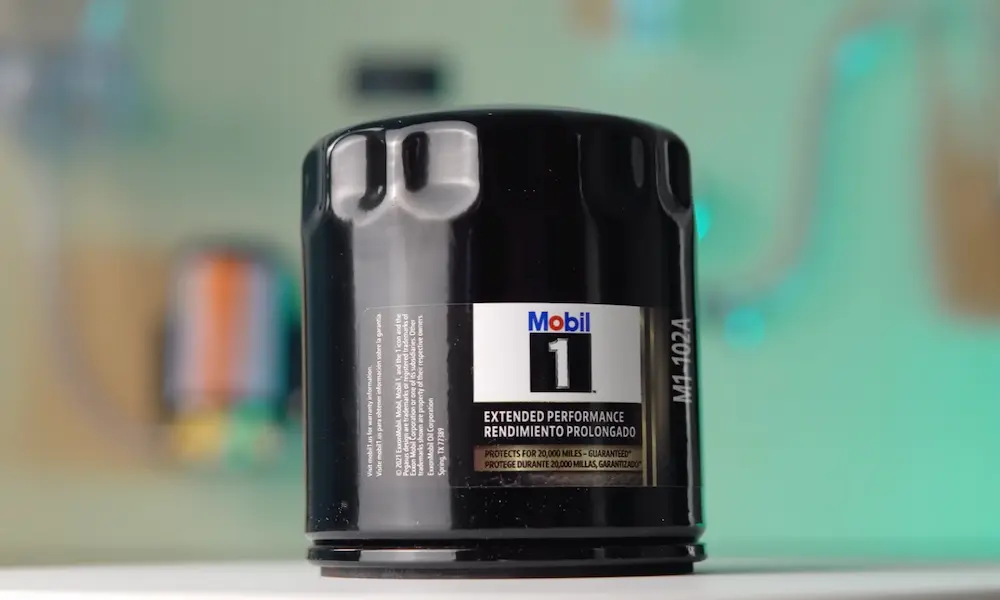
You’re standing in the auto parts aisle, holding a Mobil 1 filter, and wondering what you’re actually buying. The brand says ExxonMobil, but who’s really building these things? It’s a fair question—especially when you’re trusting this filter to protect your engine. Let’s cut through the marketing and get to the facts.
The Current Manufacturer: Highline Warren Takes Over
As of February 2025, Highline Warren LLC is the exclusive manufacturer and distributor of Mobil 1 oil filters in the United States. This marks a significant shift from previous production arrangements.
Highline Warren announced they’d taken over the entire Mobil 1 filter lineup, promising to maintain the same performance standards. But here’s the thing—manufacturing changes always stir up questions. Are the filters still the same quality? We’ll get to that.
The company operates as ExxonMobil’s exclusive partner for these filters, meaning every Mobil 1 filter you buy today comes from their facilities. It’s a clean break from the complicated manufacturing history these filters have had.
The Previous Manufacturers: A History of Changes
Before Highline Warren took the reins, Mobil 1 filters went through several manufacturing hands.
Champions Laboratories (Mann+Hummel) produced most Mobil 1 Extended Performance filters in recent years. Champions Labs isn’t a household name, but they’re a major player in the filter manufacturing world. They operated under the parent company Mann+Hummel, a German automotive parts giant.
Before Champions Labs, Wix Filtration handled production. Forum discussions from car enthusiasts reveal that older Mobil 1 filters featured Wix’s signature construction quality—steel end caps, robust bypass valves, and USA manufacturing.
The production also shifted geographically. Some batches were made in South Korea during these transitions. It’s not unusual for major brands to source from multiple facilities, but it does mean the filter in your hand might differ from what someone bought five years ago.
What Changed With the New Manufacturer?
Here’s where it gets interesting—and a bit controversial among car enthusiasts.
The most noticeable change? Construction materials. Current Highline Warren-produced filters feature plastic end caps and center tubes. Previous manufacturers like Champions Labs and Wix used steel components. YouTube teardown reviews show this shift clearly.
Does plastic mean inferior? Not necessarily. Modern plastics can handle the pressure and temperature ranges just fine. But it does signal cost reduction, which naturally makes people skeptical.
The bypass valve design also changed. Some mechanics report that newer filters have bypass valves requiring more pressure to open. That’s potentially concerning in cold-weather starts when thick oil needs to flow quickly.
Performance specs remain unchanged on paper—99% filtration efficiency for particles 30 microns and larger, with capacity for extended drain intervals up to 20,000 miles.
Performance Testing: How Mobil 1 Filters Actually Perform
Independent lab testing reveals some surprising strengths.
Engineering tests measured flow restriction across premium filters. Mobil 1 crushed the competition with just 8.5 PSI at 11 gallons per minute. Compare that to Fram Ultra Synthetic at 24 PSI or K&N Performance at 21.1 PSI.
What does lower restriction mean for you? Better oil circulation, especially during cold starts. Your oil pump doesn’t work as hard, and oil reaches critical engine components faster.
Dirt-holding capacity testing showed Mobil 1 filters can capture up to 48 grams of contaminants before flow reduction kicks in. That’s nearly matching dual-layer synthetic competitors while maintaining superior flow.
Oil analysis from Blackstone Labs on a filter after 11,076 miles showed aluminum wear rates actually below average—1 ppm per 426 miles versus the typical 1 ppm per 400 miles. That’s real-world proof the filter works.
Why ExxonMobil Doesn’t Make Their Own Filters
You might wonder why a company as massive as ExxonMobil doesn’t manufacture these filters themselves.
It’s simple economics and specialization. ExxonMobil excels at refining petroleum products and developing synthetic motor oils. Filter manufacturing requires entirely different expertise—metalworking or plastic molding, filter media production, precision assembly lines.
By partnering with specialized manufacturers, ExxonMobil gets professional-grade filters without building factories and developing manufacturing expertise from scratch. They set the specifications and quality standards; the manufacturer executes.
This arrangement is standard across the automotive aftermarket. Even OEM filters from Honda, Toyota, or Ford typically come from third-party manufacturers like Denso, Mann+Hummel, or Fram.
How to Verify Your Filter’s Manufacturer
Want to know exactly who made your specific filter? Check the packaging and the filter canister itself.
The packaging should list “Distributed by Highline Warren” or similar language if it’s current stock. Older inventory might still reference Champions Labs or show Mann+Hummel branding codes.
The filter canister often includes manufacturing codes. Look for date stamps and facility identifiers stamped into the metal.
Physical construction offers clues too. Steel end caps likely indicate Champions Labs or Wix manufacturing. Plastic components signal newer Highline Warren production.
What This Means for Your Engine
So what should you do with this information?
If you’ve been using Mobil 1 filters successfully, there’s little reason to panic over manufacturer changes. The performance specs remain solid, and independent testing confirms they still perform well.
The extended service capability—up to 20,000 miles with synthetic oil—still holds up according to oil analysis reports from real users. Just make sure you’re actually using quality synthetic oil and your driving conditions support extended intervals.
For cold-weather climates, the bypass valve concerns warrant attention. If you regularly start your car in sub-zero temperatures, you might want alternatives with more traditional bypass valve designs.
The flow advantage matters most for high-performance applications or turbocharged engines where oil circulation is critical. For standard commuter cars with regular service intervals, mid-tier alternatives like Wix or Purolator PureOne offer comparable protection at lower cost.
Comparing Mobil 1 to Other Premium Filters
Let’s look at how Mobil 1 stacks up against competitors in key metrics:
| Filter Brand | Flow Restriction (PSI) | Filtration Efficiency | Dirt Capacity (grams) | Price Range |
|---|---|---|---|---|
| Mobil 1 Extended Performance | 8.5 | 99% at 30 microns | 48 | $11-15 |
| Fram Ultra Synthetic | 24 | 99% at 20 microns | 50 | $10-14 |
| K&N Performance | 21.1 | 95% at 25 microns | 25 | $10-14 |
| Royal Purple | N/A | 99% at 15 microns | N/A | $12-18 |
| Wix XP | N/A | 98.7% at 25 microns | N/A | $12-16 |
Mobil 1’s standout advantage is flow restriction—significantly lower than competitors. The trade-off? The 30-micron rating lags behind Fram Ultra (20 microns) and Royal Purple (15 microns).
For most engines, 30-micron filtration is perfectly adequate. Modern engine tolerances rarely require finer filtration unless you’re running a high-performance build with tight bearing clearances.
Are Mobil 1 Filters Worth the Premium Price?
This depends entirely on how you use them.
For extended drain intervals (12,000-20,000 miles), the $11-15 price tag makes sense. You’re buying fewer filters over the vehicle’s lifetime. The robust construction and high dirt capacity justify the cost.
For standard 3,000-5,000 mile oil changes? You’re probably overpaying. A quality mid-tier filter like Purolator Classic ($5-8) or Wix Standard ($6-10) provides adequate protection for shorter intervals.
Reddit discussions among mechanics suggest the sweet spot is pairing Mobil 1 filters with full synthetic oil on 7,500-15,000 mile intervals. That’s where you get value from the extended performance capability.
The Bottom Line on Mobil 1 Filter Manufacturing
Here’s what you need to remember about who makes Mobil 1 oil filters:
Highline Warren manufactures all current Mobil 1 filters as of February 2025. They took over from Champions Laboratories (Mann+Hummel), who previously handled production after Wix stopped making them years ago.
The manufacturing changes brought construction modifications—primarily plastic components replacing steel in some areas. Performance testing shows the filters still deliver on their core promises: excellent flow characteristics, adequate filtration for extended intervals, and solid dirt-holding capacity.
Are they worth buying? If you’re running extended drain intervals with synthetic oil, absolutely. The low flow restriction benefits high-performance and turbocharged engines. For standard service schedules, cheaper alternatives provide comparable protection.
The key takeaway? The Mobil 1 name represents specifications and standards, not a specific factory. As long as the manufacturer meets those standards—and testing suggests Highline Warren does—you’re getting effective engine protection.
Just don’t assume the filter you buy today is identical to one from five years ago. Manufacturing changes happen, but that doesn’t automatically mean quality suffers. Check independent reviews, monitor your oil analysis if you’re serious about extended intervals, and choose filters based on your actual driving needs rather than brand loyalty alone.