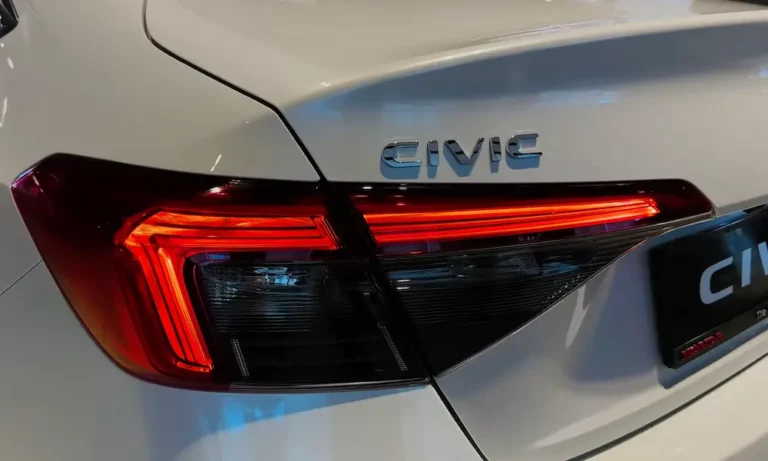
Not sure what trim your car is? You’re probably leaving money on the table — especially if you’re buying, selling, or dealing with insurance. This guide walks you through every reliable method to find your exact trim level, what the data really tells you, and how to avoid costly mistakes.
What Is a Car Trim Level, Anyway?
A trim level is a pre-packaged bundle of features applied to a base vehicle. Think of it as the “edition” of your car.
The same Toyota Camry, for example, comes in multiple versions — the basic LE, the mid-range SE, and the fully loaded XSE or TRD. Each one shares the same chassis but differs in seats, wheels, tech, and price.
That gap matters. The difference between a base trim and a top-tier trim can be $5,000 to $15,000 in market value — or more. Get the trim wrong, and you’re either overpaying for a used car or getting shortchanged on an insurance payout.
Why Finding Your Car’s Trim Is Harder Than It Sounds
Here’s the frustrating truth: your VIN doesn’t always tell you your trim.
The NHTSA standardized the 17-character VIN in 1981 to track safety compliance and manufacturing data — not marketing tiers. Characters 4–8 (the Vehicle Descriptor Section) focus on chassis type, engine, and safety systems. They often don’t distinguish between trim levels at all.
That’s why you’ll plug a VIN into a free decoder and get back a list of three possible trims. The decoder isn’t broken — the data just isn’t specific enough.
Here’s a quick breakdown of what the VIN actually encodes:
| VIN Position | What It Tells You |
|---|---|
| Characters 1–3 | Country of assembly + manufacturer |
| Characters 4–8 | Engine, body style, restraint system (NOT always trim) |
| Character 9 | Anti-fraud check digit |
| Character 10 | Model year |
| Character 11 | Assembly plant |
| Characters 12–17 | Unique serial number |
The serial number (characters 12–17) is the key to unlocking your exact trim — but only if someone matches it against a manufacturer’s proprietary build database.
Method 1: Use the NHTSA VIN Decoder (Free Starting Point)
Start with the NHTSA vPIC decoder. It’s free, government-maintained, and pulls directly from manufacturer-reported data.
Type in your full 17-digit VIN and hit “Show All Vehicle Details.” You’ll get a 140-item checklist covering:
- Engine type
- Brake system
- Base safety features
- Wheel and tire specs
- Country and plant of manufacture
What it won’t reliably tell you: Your exact marketing trim (LX vs. EX, XL vs. Limited). That depends entirely on whether the manufacturer chose to encode that data in their federal filings. Many don’t.
Use this as a first filter, not a final answer.
Method 2: Decode Your VIN with Third-Party Tools
Sites like Edmunds and Kelley Blue Book offer free VIN lookups that pull from broader market databases.
These tools are more consumer-friendly than the NHTSA decoder. They’ll often display multiple possible trims and give you a starting point for narrowing things down.
The catch: Carfax explicitly notes that trim level information depends entirely on what the manufacturer reports. If that data is vague, the decoder reflects that vagueness. You might see “LX / EX / EX-L” listed as possibilities for a single VIN.
For free tools, this is normal — not a bug.
Method 3: Track Down the Window Sticker
The Monroney label (the window sticker on new cars) is the clearest, most readable record of your car’s trim and options. Federal law requires it on every new vehicle sold in the US.
It spells out:
- Exact trim name (top left or top right corner)
- Standard features included at that trim level
- Optional packages and their individual prices
- MSRP, fuel economy, and warranty details
If your car was bought new and you still have the sticker — perfect. If not, you can often retrieve a digital copy:
- Ford vehicles (2008+): Order a replacement through Ford’s official window sticker portal
- Toyota vehicles: Log into the Toyota owner portal for a vehicle specification sheet
- Most brands: Try WindowStickerLookup.com or iSeeCars’ build sheet tool
The window sticker beats a VIN decoder every time. It’s written in plain English, and it lists exactly what came with the car.
Method 4: Get the Factory Build Sheet
The build sheet is the assembly-line blueprint for your specific car. It’s the most authoritative document you can get — think of it as the car’s technical birth certificate.
Build sheets use internal manufacturer codes to record every component: paint code, seat material, suspension spec, axle ratio, transmission type, and every installed option.
Here’s how to get one by manufacturer:
| Manufacturer | How to Get the Build Sheet |
|---|---|
| Ford | Purchase a Marti Report for classic models (1967–2017). Dealers access modern data via OASIS. |
| General Motors | GM Heritage Center for older vehicles. Modern GM vehicles use Service Parts ID labels on the vehicle. |
| Stellantis (Dodge, Jeep, Ram, Chrysler) | Classic models used physical broadcast sheets sometimes hidden under carpet or inside door panels. Modern data available via Stellantis Historical Services. |
| Toyota | Toyota owner portal provides a “Vehicle Specification” document tied to your VIN. |
For classic cars, restorations, or any high-stakes purchase, don’t skip this step.
Method 5: Read the Door Jamb Sticker
Open the driver’s side door and look at the door latch post. You’ll find the Federal Motor Vehicle Safety Standards (FMVSS) compliance label — what most people call the door jamb sticker.
This label includes:
- Exterior paint code
- Interior trim code
- Tire pressure specs
- GVWR and GAWR ratings
- Axle and transmission codes
General Motors vehicles often include a Service Parts Identification (SPId) label in the glovebox or trunk. It lists all RPO (Regular Production Option) codes — essentially a shorthand build sheet. Each code maps to a specific feature, trim package, or option.
You can decode these RPO codes online through GM forums or the GM Heritage Center.
Method 6: Use an OEM Parts Catalog
This one’s less obvious but surprisingly effective. OEM parts catalogs — like 7zap — are designed for mechanics ordering replacement parts.
When you input your full 17-digit VIN, the catalog filters results to show only parts compatible with your specific build. By seeing which wiring harnesses, interior panels, or suspension components appear as compatible, a trained eye can reverse-engineer your exact trim.
This method works especially well when documents are missing and you need verification from a different angle.
Method 7: Inspect the Car Physically
Sometimes the fastest answer is right in front of you — but only if you know what to look for.
Check for these trim indicators:
- Wheels: Steel wheels = base trim. Alloy wheels = mid to high trim.
- Headlights: Halogen reflectors = base. Projector LED or HID = higher trim.
- Seats: Cloth = base/mid. Genuine leather = upper trim (check the stitching and smell).
- Sunroof: Panoramic roofs are typically restricted to upper trims.
- Infotainment screen size: A 7-inch screen vs. a 12-inch screen tells you a lot.
One big warning: Don’t trust exterior badges alone. “Upbadging” — applying higher-trim emblems to a lesser model — is a real thing. Someone can slap an “SS” badge on a base Camaro or an “M” badge on a standard BMW. It happens, and it’s meant to inflate perceived value.
Always cross-reference physical features with documentation.
How Trim Affects Your Car’s Real-World Value
Getting your trim right isn’t just an academic exercise. Here’s where the money lives.
Buying or Selling a Used Car
Two identical-looking cars with different trims can have a $3,000–$10,000 price gap on the open market. If a seller lists the wrong trim (intentionally or not), you’ll either overpay or undersell.
Always verify trim before pricing or making an offer.
Insurance Total Loss Payouts
If your car gets totaled, your insurer calculates the Actual Cash Value (ACV) — what the car was worth one second before the accident. They find that number by comparing your car to similar vehicles recently sold in your area.
If they input the wrong trim, they search the wrong comparables. A base-model comp for a fully loaded vehicle means a dramatically lower payout.
Here’s what drives that number:
| Factor | Impact on Payout |
|---|---|
| Trim level | Critical — sets the entire baseline. Wrong trim = wrong comparables. |
| Mileage | High impact — biggest single adjustment after trim baseline |
| Condition | Moderate — deductions for wear, prior damage |
| Optional packages | Moderate — requires documented proof of factory installation |
If you think your insurer got the trim wrong, you can invoke your policy’s appraisal clause and hire an independent appraiser to contest the valuation. That one step has recovered thousands of dollars for policyholders who caught trim misidentification errors.
How Trim Naming Works Across Major Brands
Trim names like “Limited,” “Sport,” and “Premium” show up everywhere — across completely different manufacturers. Here’s a quick reference:
| Brand | Base | Mid | Sport Focus | Top Tier |
|---|---|---|---|---|
| Chevrolet | Work Truck / Custom | LT | RST / Trail Boss | High Country / LTZ |
| Ford | XL | XLT | STX / ST | Limited / Platinum |
| Honda | LX | EX / SE | Sport | Touring / Elite |
| Toyota | LE | XLE | SE / XSE | Limited / Platinum |
| Hyundai | SE | SEL | N-Line | Limited / Calligraphy |
| Subaru | Base | Premium | Sport | Limited / Touring |
Just because a badge says “Sport” doesn’t mean it’s the same tier across brands. A Honda Sport and a Subaru Sport sit at completely different price points relative to their own lineups.
Quick Checklist: How to Find Your Car’s Trim
Use this checklist in order. Stop when you have a confirmed answer.
- Run your VIN through the NHTSA decoder
- Cross-check with Edmunds VIN lookup
- Search for your window sticker at WindowStickerLookup.com
- Request a factory build sheet (manufacturer-specific — see table above)
- Read the door jamb sticker for paint, trim, and option codes
- Check the glovebox/trunk for an RPO label (GM vehicles)
- Physically inspect features (wheels, seats, lights, screen size)
- Verify against a parts catalog like 7zap if still uncertain
Frequently Asked Questions
Why does my VIN decoder show multiple trims?
Because the Vehicle Descriptor Section (characters 4–8) doesn’t always encode marketing trim levels. Many manufacturers use the same chassis code for base and luxury trims, so the decoder lists all possibilities. You need the full 17-digit serial number matched against a proprietary build database for a precise answer.
Can I trust the badge on the car to tell me the trim?
Not entirely. Upbadging (applying a higher-trim badge to a lesser model) is common in the used car market. Always verify the badge against documented features or a factory build sheet.
What if the window sticker is gone?
Most manufacturers let you retrieve a digital copy using your VIN. Ford, Toyota, and GM all have owner portals. Third-party tools like iSeeCars and WindowStickerLookup also pull sticker data for many vehicles.
Does trim affect my insurance rate?
Yes. Higher trims cost more to replace, which means higher comprehensive and collision premiums. And if your car is totaled, an incorrectly identified trim can directly suppress your payout by thousands of dollars.
What’s the most reliable document for proving my car’s trim?
The factory build sheet is the gold standard. The Monroney label (window sticker) is the most accessible consumer-facing alternative. Together, they’re basically bulletproof evidence of your car’s exact factory configuration.