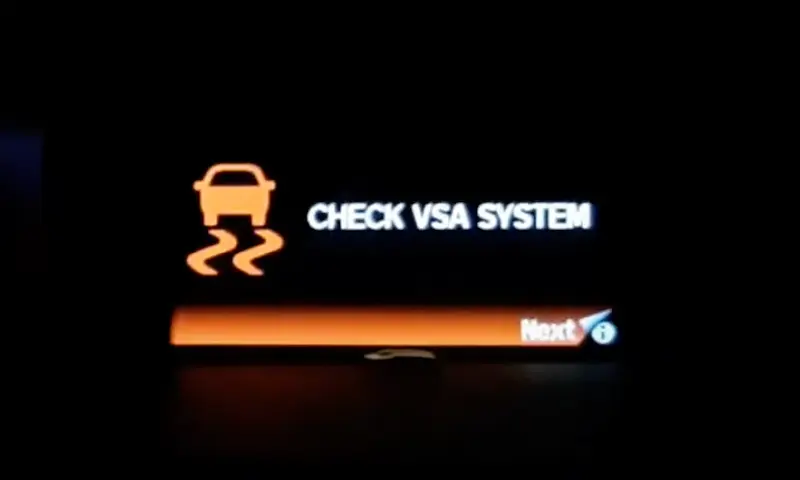
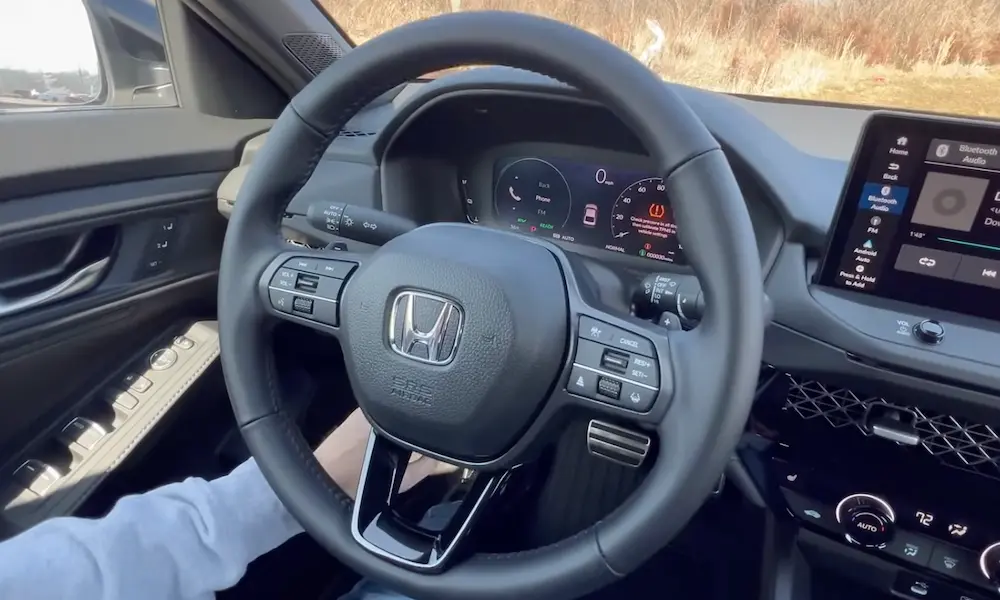
That little DRL warning light glowing on your Honda Pilot’s dashboard isn’t just being dramatic. Something’s actually wrong with your daytime running lights, and ignoring it means you’re driving with less visibility than you should have. Good news? Most fixes are straightforward, and we’ll walk you through exactly what’s happening and how to sort it out.
What Your DRL System Actually Does
Your Honda Pilot’s DRL system isn’t complicated magic. It’s designed to automatically fire up low-intensity lights whenever your engine’s running and the parking brake isn’t engaged. The whole point? Making sure other drivers see you during the day.
Here’s the clever bit: your Pilot doesn’t use separate bulbs for this. Instead, it runs your high-beam bulbs at about 50-60% power. A control module under your dashboard handles this voltage reduction, working alongside 9005 bulbs, fuses, and various sensors to make everything happen.
The system’s pretty reliable, honestly. But when that honda pilot drl light on warning appears, you’ve got a problem that needs attention.
Dead Bulbs Are Usually the Culprit
Let’s start with the most common reason your honda pilot drl light on warning appeared: your bulbs died. This accounts for about 60% of all DRL issues.
Think about it. Your DRLs fire up every single time you start your Pilot. That’s way more use than your regular headlights get, so these 9005 bulbs burn out faster than you’d expect.
You’ll notice:
- That warning light staring at you from the dash
- One or both DRL lights refusing to illuminate
- Sometimes the high beam on the same side acts wonky too
Checking If It’s Really the Bulbs
Pop your hood and take a look at both DRL bulbs. You’re looking for darkened glass or visibly broken filaments inside. Turn on your high beams too. If those work fine but your DRLs don’t, you might be dealing with a control module issue instead.
Fixing Dead Bulbs Yourself
Replacing these bulbs isn’t rocket science, but you’ll need to remove the air intake scoop on the driver’s side to get proper access. Here’s the process:
- Disconnect the electrical connector from the bulb
- Twist the bulb counterclockwise and pull it out
- Pop in your new 9005 halogen bulb
- Reverse everything to button it back up
You’re looking at $10-15 for replacement bulbs. Skip the fancy aftermarket stuff for now and stick with genuine 9005 halogens.
That Annoying Buzzing Sound? Yeah, That’s Your Control Module
About 20% of the time, your honda pilot drl light on warning comes with an uninvited guest: a buzzing noise from under your dashboard. That’s your DRL control module throwing a fit.
The control module lives under the dash on the driver’s side. When it starts failing, internal relays begin buzzing like an angry hornet. This is a documented Honda issue across multiple model years, so you’re not dealing with some weird one-off problem.
Here’s what happens:
- You hear buzzing from under the dash
- The DRL warning light won’t go away
- Your DRLs work sometimes, then quit randomly
- Turning on your headlights manually makes the warning disappear
Some folks report that giving the module a strategic tap makes it work temporarily. That’s because you’re jostling failing solder connections inside. Don’t count on this as a long-term solution.
Your Repair Options
You’ve got three choices here:
Professional repair: Someone pulls the module and resolders the internal connections. Costs around $50-100 if you know someone handy with electronics.
Full replacement: A new DRL control module runs $150-200 installed. This is the clean solution that actually fixes the problem properly.
Disconnect it: If you don’t legally need DRLs where you live, you can simply disconnect the module. Your Pilot will run fine without it.
Electrical Gremlins and Wiring Problems
About 10% of DRL issues come down to electrical connection problems. If you live somewhere with harsh winters or lots of road salt, moisture and corrosion love attacking your wiring.
Common electrical culprits:
- Corroded bulb sockets turning green and crusty
- Damaged wires in the harness
- Loose connector pins that don’t make good contact
- Poor ground connections
Testing Your Electrical System
Grab a multimeter and check the voltage at your bulb connectors. You should see 11-14V during normal DRL operation. If you’re reading 5-8V, you’ve got wiring problems somewhere. Zero volts means the circuit’s completely failed.
Cleaning Up Connections
Sometimes the fix is stupidly simple. Spray electrical contact cleaner on corroded connectors and scrub them gently with a small brush. Make sure all connections are tight and ground points are clean and secure.
For damaged wires, you’ll need to splice in new sections using the appropriate gauge automotive wire. Don’t just twist wires together and pray—use proper crimp connectors or solder and heat shrink.
LED Bulbs Causing Warning Lights
Here’s something that trips up a lot of Pilot owners: you upgrade to fancy LED bulbs expecting better light output, then suddenly your honda pilot drl light on warning appears.
The problem? LEDs draw way less current than halogen bulbs. Your Pilot’s monitoring system expects to see a specific current draw that confirms bulbs are working. When it sees the low current from LEDs, it thinks a bulb failed and throws the warning.
Making LEDs Work Properly
You’ve got several options if you’re committed to LEDs:
Load resistors: Install resistors that simulate the electrical load of halogen bulbs. They trick the system into thinking everything’s normal.
LED decoders: These specialized modules are designed specifically for Honda vehicles and handle the current difference properly.
Return to stock: Sometimes the easiest answer is admitting defeat and going back to OEM 9005 halogens.
Professional installation: Have someone experienced with Honda LED conversions do the work. They’ll know which products actually work reliably.
How to Actually Diagnose Your DRL Problem
Let’s walk through this systematically so you’re not just throwing parts at the problem.
| Step | What to Check | What You’re Looking For |
|---|---|---|
| 1 | Visual inspection | Burned bulbs, damaged wiring, corrosion |
| 2 | Fuse check | DRL fuse (position 44, 10A in interior fuse box) |
| 3 | Bulb operation | Test high beams to verify bulb functionality |
| 4 | Voltage testing | 11-14V at bulb connectors during DRL operation |
| 5 | Listen for buzzing | Control module failure indicator |
| 6 | Ground connections | Clean, tight connections at all ground points |
Start at the top and work down. Most issues reveal themselves pretty quickly with this approach.
Different Pilot Generations Have Different Quirks
2006-2015 Honda Pilots
These generations all use the same basic setup: 9005 bulbs for DRL function with the control module tucked under the driver-side dashboard. Your DRL fuse lives in position 44 of the interior fuse box—it’s a 10A fuse.
Access to the driver’s side bulb requires removing the air intake scoop. The passenger side is slightly easier. Both bulbs twist counterclockwise to remove.
2016 and Newer Pilots
Later model Pilots sometimes feature integrated LED DRL strips that can’t be serviced individually. If you’ve got one of these and you’re seeing DRL warnings, check if your model year is covered under Honda’s extended warranty programs for lighting issues.
Some 2016+ models also integrate DRL function with Honda Sensing systems, which adds complexity you probably don’t want to tackle yourself.
Fuses, Voltages, and Technical Specs
Here’s the technical stuff you need to know:
Fuse locations:
- Primary DRL fuse: Interior fuse box, position 44, 10A rating
- Related fuses: Check engine compartment fuse box for headlight circuits
- Always replace fuses with the exact same amperage rating
Voltage specifications:
- Normal DRL operation: 11-14V at the bulb connector
- High beam operation: Full battery voltage (12-14V)
- Parking brake engaged: DRL voltage should drop to zero
Important note: Your DRLs should automatically disable when you engage the parking brake. If they don’t, you might have a brake position sensor issue complicating things.
When Simple Fixes Don’t Work
Sometimes you’ll check everything, replace bulbs, test connections, and that honda pilot drl light on warning still won’t quit. That’s when you’re dealing with deeper issues that need professional diagnostic tools.
Advanced problems include:
- BCM (Body Control Module) communication errors
- Ambient light sensor malfunctions
- Integration issues with Honda Sensing systems
- Wiring harness damage requiring complete replacement
Professional Honda scan tools can pull specific trouble codes and run system tests that go way beyond what your basic code reader can handle. If you’ve exhausted the obvious fixes, it’s time to let someone with proper diagnostic equipment take over.
What You’ll Actually Spend
Let’s talk real numbers so you know what you’re getting into.
DIY Repair Costs
| Repair | Cost Range |
|---|---|
| 9005 bulb replacement | $10-15 |
| Fuse replacement | $2-5 |
| Electrical contact cleaner and supplies | $20-30 |
| Load resistors for LED conversion | $25-40 |
| Total DIY parts (typical repair) | $30-60 |
Professional Repair Costs
| Service | Cost Range |
|---|---|
| Diagnostic fee | $100-150 |
| DRL module replacement (installed) | $200-300 |
| Wiring harness repair | $150-250 |
| Complete LED conversion (professional) | $300-500 |
The diagnostic fee usually applies toward repair costs if you have the work done at the same shop.
Smart Preventive Maintenance
Here’s something nobody tells you: when one DRL bulb fails, the other one isn’t far behind. They’ve both been running the same amount of time, so they’re aging together.
Replace both bulbs simultaneously when one dies. Yeah, you’re spending an extra ten bucks, but you’re avoiding another round of disassembly in three months when the other bulb quits.
Check your DRL operation regularly—just glance at a reflective surface as you drive by during the day. Catching problems early prevents that control module from working overtime trying to compensate for a failing bulb, which can damage the module itself.
Keep your electrical connections clean. Once a year, pop the hood and spray some electrical contact cleaner on your bulb connectors. Takes five minutes and prevents corrosion from causing expensive problems.
The Bottom Line on DRL Warning Lights
Most honda pilot drl light on warnings come down to simple bulb failures or control module issues. Both are fixable without breaking the bank, especially if you’re comfortable doing basic repairs yourself.
Start with the obvious stuff: check bulbs, test fuses, inspect connections. That solves the problem about 80% of the time. If you’re hearing buzzing from under the dash, your control module’s the likely culprit.
Don’t ignore the warning. Sure, your Pilot will drive fine with non-functional DRLs, but those lights genuinely improve visibility and safety during the day. Plus, in some areas, functioning DRLs are legally required.
The diagnostic process isn’t complicated—you’re just working through logical steps to isolate the problem. And once you know what’s actually wrong, the fix is usually straightforward and affordable.